Newsletters


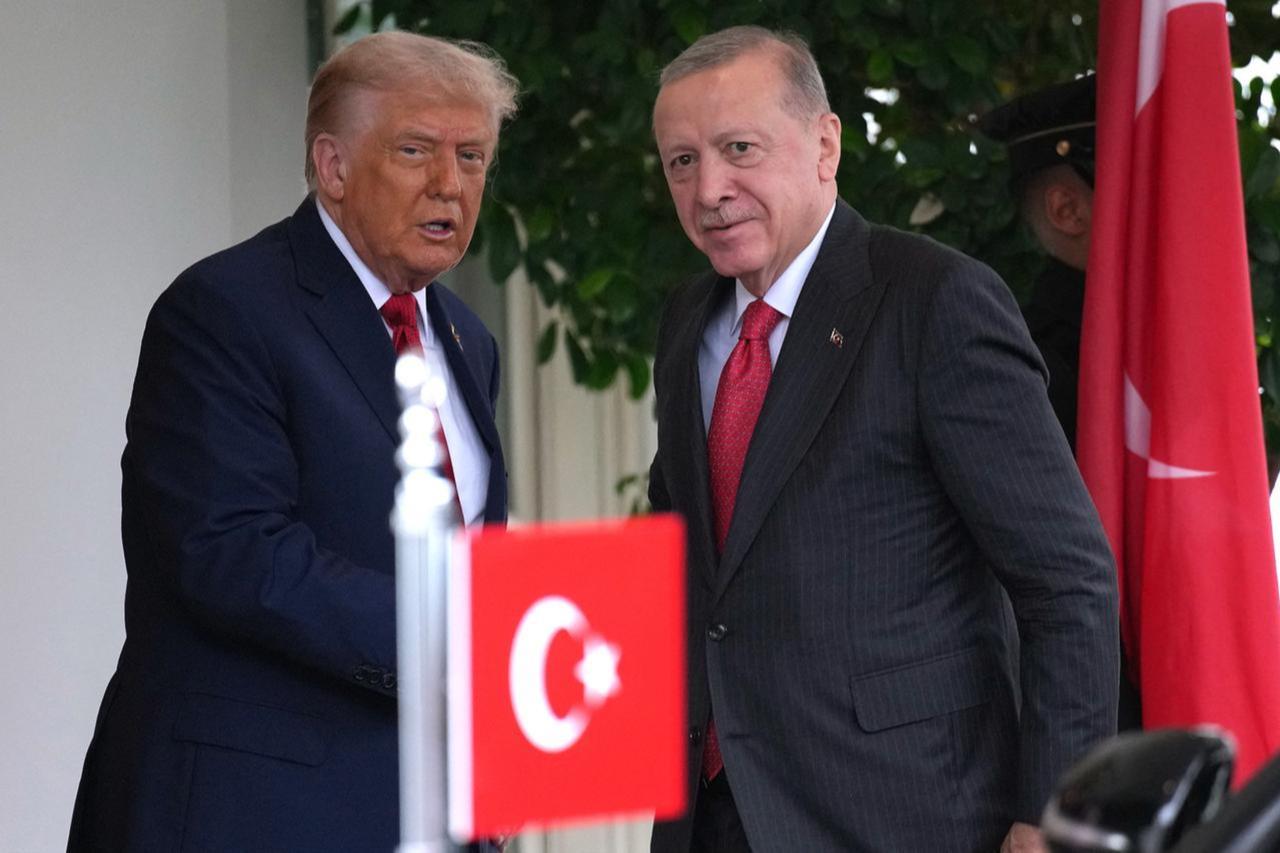


U.S. President Donald Trump is expected to inform President Recep Tayyip Erdogan that Washington is prepared to restore Türkiye's place in the F-35 stealth fighter program, a move that would reverse a ban Trump himself imposed seven years ago on national security grounds, The New York Times reported.
According to the report, Trump is heading to a NATO summit in Ankara this week and has said he was preparing to bring Erdogan a gift that would make him "very happy."
Four senior administration officials described the upcoming policy change following weeks of behind-the-scenes work by national security officials to break the stalemate, according to the newspaper.
Officials differed on how Trump would circumvent congressional and legal restrictions, but they said they expected him to at least signal his intent to transfer the jets to Türkiye's hands, though the timing remained uncertain.
Officials cautioned that Trump could still change course. Administration officials suggested an exchange of letters between the two leaders could get the process underway, the report said.
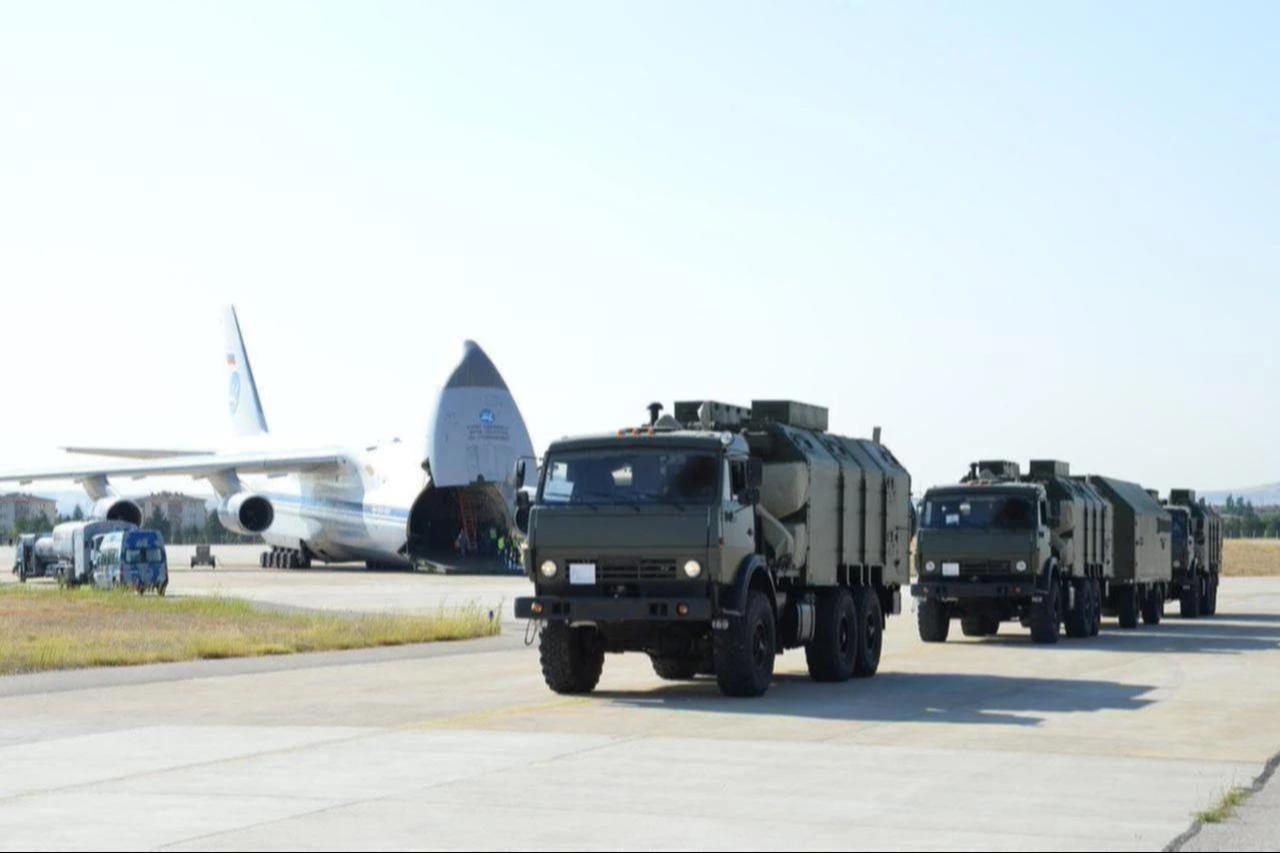
In 2019, during Trump's first term, Türkiye was thrown out of the F-35 program after buying advanced S-400 anti-aircraft systems from Russia.
Washington feared Türkiye could train the S-400s on the newly delivered F-35s, allowing Russia to learn how to counter the jet's stealth and missile-avoidance capabilities.
A 2020 law passed by Congress blocks any F-35 sale to Türkiye unless the administration certifies that Ankara no longer possesses the Russian systems.
To clear that hurdle, Türkiye's S-400s, many of which remain in their shipping containers, may be handed over to a third party, one administration official involved in the talks told the newspaper. A second official said the mechanism had not yet been worked out.
Four years ago, there was talk of transferring the missiles to Ukraine, but that effort collapsed, and it appears unlikely that Trump or Erdogan would agree to sell the systems to Kyiv today. There has also been discussion of disabling the systems by removing key components, according to the report.
"The F-35 cannot coexist with a Russian intelligence collection platform that will be used to learn about its advanced capabilities," a White House statement said in 2019, when Türkiye was removed from the program at a cost of roughly half a billion dollars to the United States.

Trump was reportedly never comfortable with the 2019 decision and has repeatedly blamed the Obama administration for the conditions that made it necessary. Since returning to office, he has mused publicly and privately about reversing course.
Last month, meeting NATO Secretary-General Mark Rutte in the Oval Office, Trump was asked about the F-35s and said he would bring Erdogan a gift that would make him "very happy."
Vice President JD Vance said the matter had been referred to Defense Secretary Pete Hegseth, adding that the administration was reviewing "certain things that we have to certify have happened" to comply with American law.
In June 2025, Ambassador Thomas J. Barrack Jr. predicted the F-35 standoff would be resolved by the end of that year, with congressional backing. That resolution never materialized, and Trump now faces the possibility that the current Congress, or the next one, may not go along.
Most recently, Israeli Prime Minister Benjamin Netanyahu called on the U.S. not to sell F-35 fighter jets to Türkiye during a Fox News interview on Monday, arguing that Ankara should not receive the advanced aircraft.
"Türkiye is a great country, but it's governed by a man who calls openly for the annihilation of Israel," he alleged.
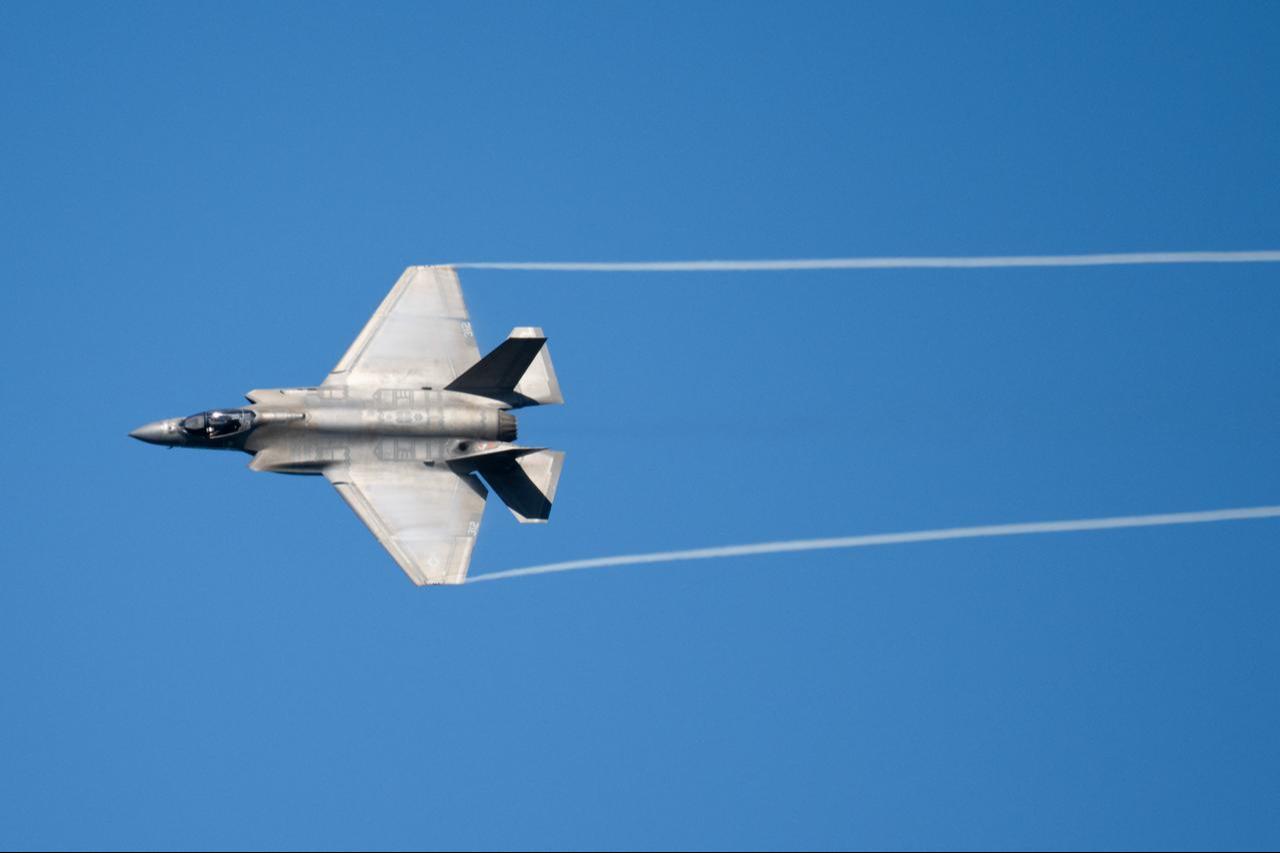
Trump is set to arrive in Ankara on Tuesday for a summit taking place at what the report described as a delicate moment for the trans-Atlantic alliance.
He has for years complained that European allies underspend on defense, and while he appeared briefly satisfied last year when all NATO members except Spain pledged to raise defense-related spending to 3.5% of gross domestic product (GDP) plus 1.5% for related infrastructure, that sense of accomplishment proved short-lived.
In recent months, he has grown increasingly critical of what he views as insufficient alliance support during the U.S. confrontation with Iran.
During his meeting with Rutte, Trump said he was attending this year's summit only because Erdogan was hosting it and had personally asked him to come.
Trump is expected to meet Erdogan shortly after arriving from Washington on Tuesday, followed by a dinner with other NATO leaders.
On Wednesday, he is scheduled to attend a working session, hold a bilateral meeting with Ukrainian President Volodymyr Zelenskyy, and give a news conference before departing Türkiye.


 Set as preferred source
 Set as preferred source


 1 min read
 1 min read