Newsletters


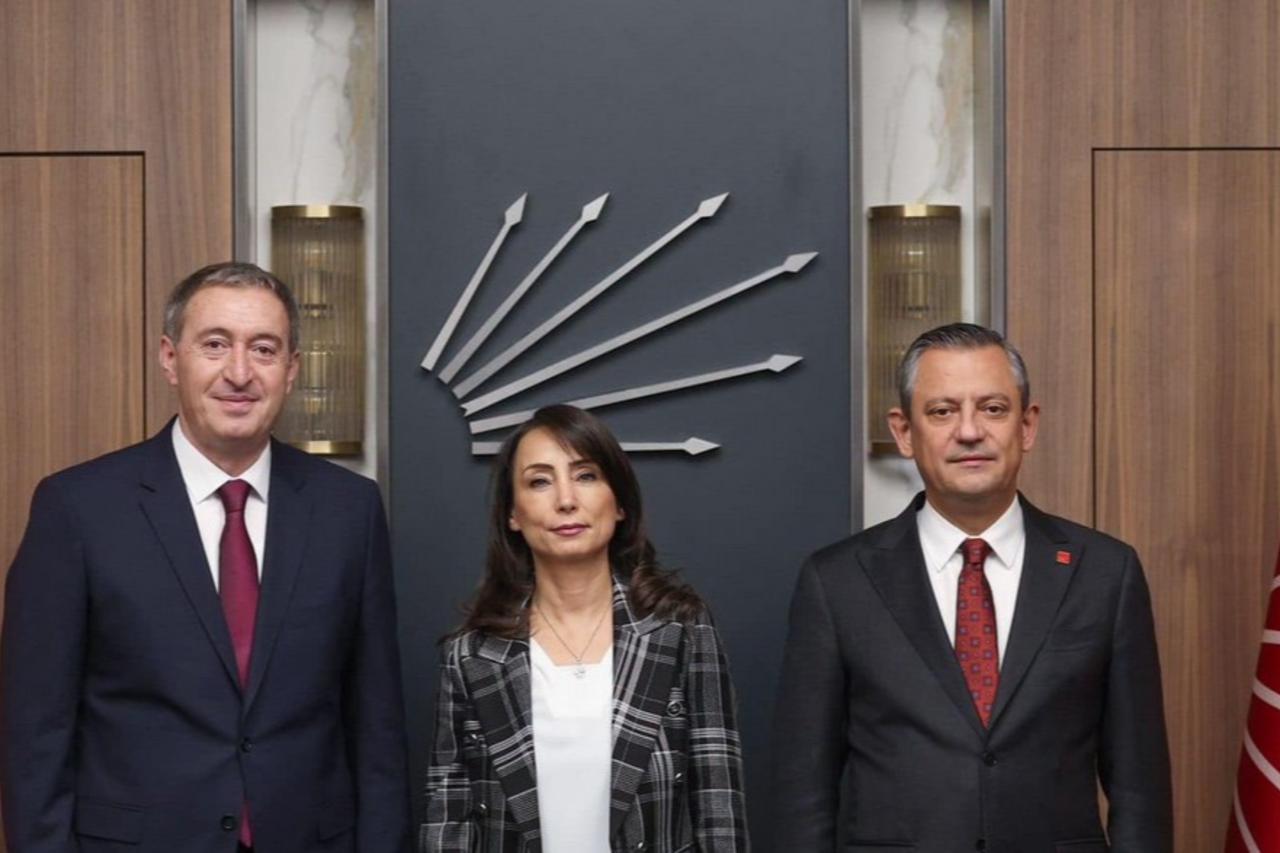


On Nov. 29, a short remark delivered by the Republic and People's Party (CHP) Chair Ozgur Ozel at the party’s 39th Ordinary Convention rapidly evolved into one of the week’s most prominent political disputes.
“I invite everyone to remember the democratic credentials of those who call for banning political parties or even shutting down the Constitutional Court,” Ozel stated.
A comment alluding to earlier remarks by MHP leader Devlet Bahceli, who has repeatedly urged the closure of predecessor parties of the Peoples' Equality and Democracy Party (DEM Party) over its alleged links to the terrorist group PKK.
The party chair likened the situation to the ‘Stockholm syndrome,’ which describes falling in love with one's captor.
The DEM Party leadership reacted immediately, interpreting the wording as an unacceptable characterization of Kurdish voters within an “executioner–victim” equation. Co-chair Tulay Hatimogullari labeled the comparison “a breakdown of reason.” Co-chair Tuncer Bakirhan demanded clarity on whom the remarks were directed at and how such language could reflect respect toward Kurdish citizens.
Rather than remaining an isolated part of the speech, the debate expanded into a multi-party confrontation involving the president and his government partner. It was fueled by history, identity, and narrative control.
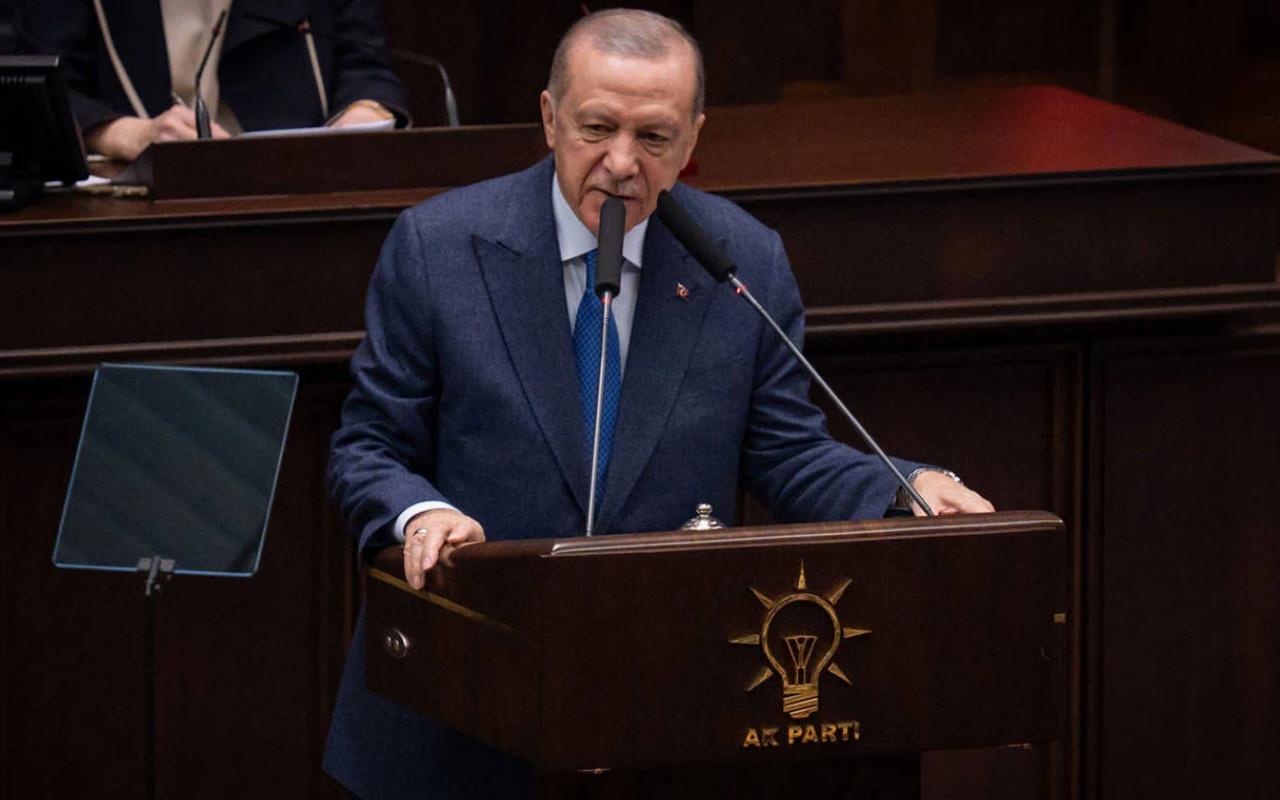

The controversy moved to parliament and drew a response from President Recep Tayyip Erdogan, who redirected the phrase by invoking the CHP’s past. Declaring that “Kurdish citizens know very well who the executioner or captor is and was,” the president reframed the terminology, shifting its meaning from current alliances to political legacy. He added that if the CHP leader sought to identify an executioner, “he should look in the mirror,” sharpening the dispute into a personalized challenge.
The intervention shifted the focus away from the original party closure discussion toward broader debates over memory and representation. By the time presidential remarks circulated across media and parliament, the issue was no longer confined to opposition politics. Still, it reflected competing narratives about Türkiye’s political history and Kurdish voter perception.
DEM Party leaders also referenced historical grievances in their responses, reinforcing the extent to which legacy remains central to contemporary political discourse.
After reactions intensified, the CHP leadership stated that the remarks were not directed at the DEM Party. Instead, the explanation framed the statement as aimed at a group consistently delivering harsh criticism toward the CHP and connected it to earlier discussions about party bans.
The clarification came through comments shared by journalist Hilal Koylu, who reported that the phrasing was intended as a general observation rather than an accusation toward Kurdish voters or DEM figures.
The CHP has sought to limit the backlash and avoid angering part of its Kurdish vote base with a series of clarifications. CHP parliamentary group deputy chair Ali Mahir Basarir argued that Ozel’s remarks were not directed at the DEM Party nor related to the peace process. Instead, they were intended as a caution against unconditional loyalty to any political movement amid deepening economic hardship, the government’s appointment of trustees to replace elected opposition mayors, and the jailing of political opponents on what the party describes as politically motivated charges.
He also underscored that the CHP backs the ongoing peace initiative with the PKK. Party representatives are participating in a parliamentary commission formed last August to advance the process, following the PKK’s announcement last May that it would lay down arms and move toward disbandment.
DEM Party officials say the episode has deepened frustration among their grassroots, who were already dissatisfied with the CHP’s decision not to include a representative in the recent delegation to Imrali Island for talks with imprisoned PKK ringleader Abdullah Ocalan.
Amid the ongoing dispute, Hatimogulları also addressed speculation surrounding the possibility of electoral coordination between the DEM Party and the governing coalition. She dismissed the claims, underlining that interactions with the Justice and Development Party (AK Party) and Nationalist Movement Party (MHP) were limited to their responsibilities as the executive authorities.
The statement pointed to attempts to draw connections between routine institutional contact and strategic political alignment. It also highlighted how speculation over future alliances remains an influential factor shaping political perception, even in the absence of formal negotiation.
At this sensitive juncture in Turkish politics, every party is treading carefully to avoid losing Kurdish support, and each continues to accuse the other of having wronged that electorate historically in a war of narrative.


 Set as preferred source
 Set as preferred source


 6 min read