Newsletters


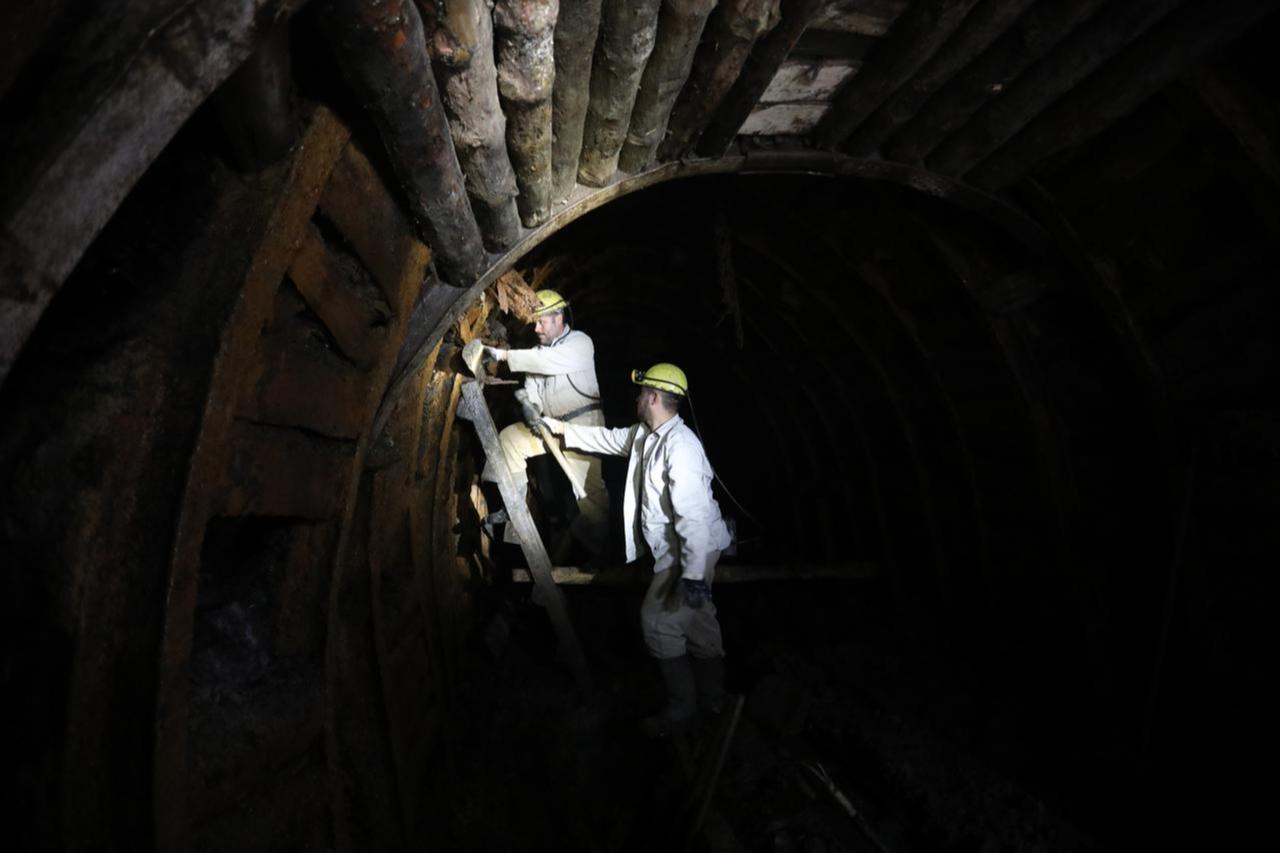


At least 1,267 miners in Türkiye died in workplace incidents between 2013 and 2025, according to data compiled by the Health and Safety Labor Watch Council (ISIG), highlighting the persistent dangers facing workers in the country’s mining industry.
Researchers noted that 91% of the documented cases were identified through national media reports, while the remaining information came from colleagues of the victims, hometown associations, families, occupational safety specialists, workplace physicians, unions and local media outlets.
When these records were compared with official statistics from the Social Security Institution (SGK), the findings showed that the compiled data actually recorded 13 fewer deaths than the official workplace accident figures, suggesting the dataset broadly reflects the scale of fatal incidents in the sector. However, information gaps remain, particularly regarding deaths linked to occupational diseases.
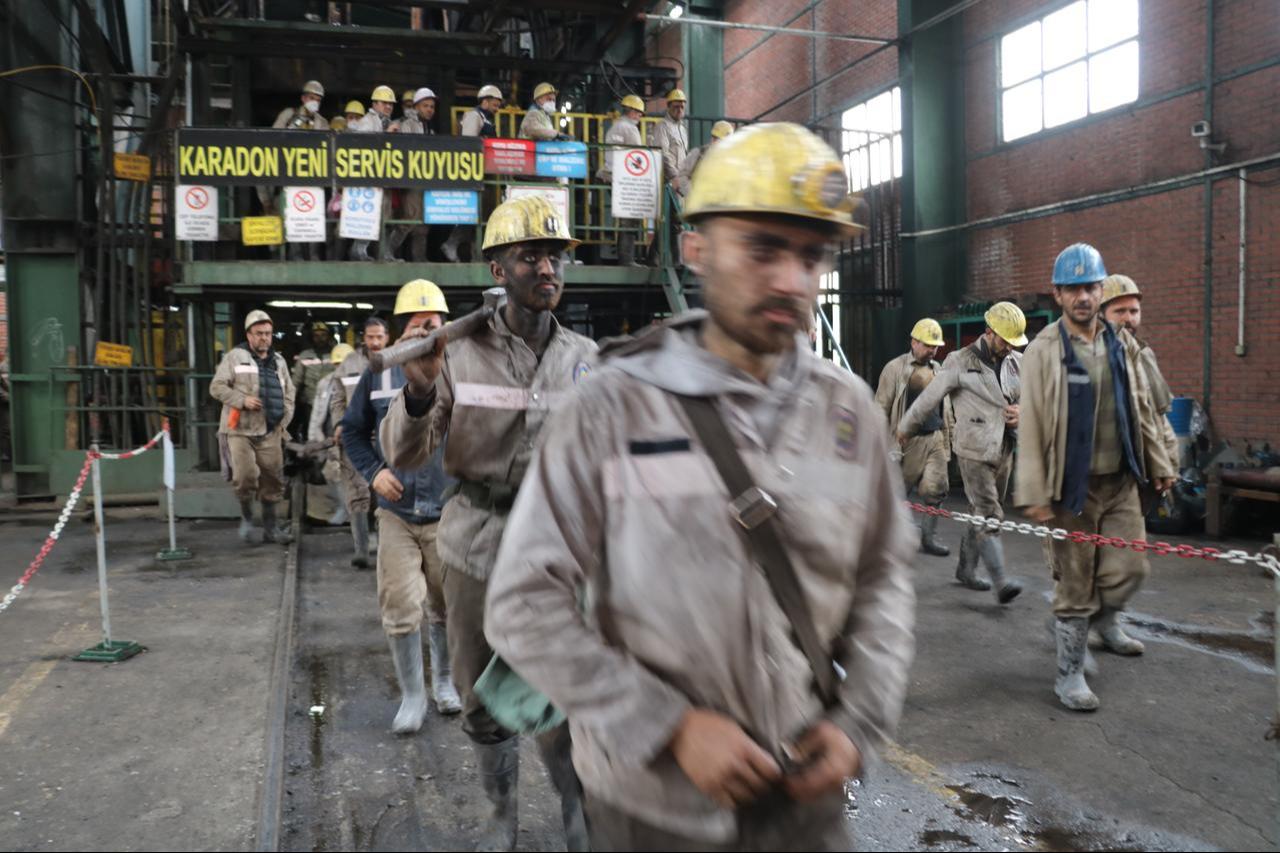

More than half of the deaths occurred in lignite and hard coal mines, making coal mining the most lethal segment of the sector. Another quarter of fatalities took place in marble and stone quarries, meaning roughly four out of every five deaths occurred in coal, marble or stone extraction sites.
Other sectors where fatalities occurred include operations extracting chromium, copper, sand, gold and zinc, though these accounted for a smaller portion of the total.
The causes of fatalities reveal the structural risks associated with underground work. Approximately 70% of the deaths were linked to collapses, crushing incidents, poisoning or suffocation, which are common hazards in confined mining environments.
Explosions and fires were also reported, alongside transportation incidents involving worker service vehicles. Additional causes included falls from height, electrical accidents and cases where falling objects struck workers.
The majority of miners who died were between the ages of 18 and 50, reflecting the industry’s heavily labor-intensive workforce. Fatalities were most concentrated among workers in their early thirties.
Among the recorded cases were two child workers. One involved a 16-year-old who died in 2013 after being crushed by a truck during loading operations at a stone quarry in Kayseri’s Yahyali district. Another occurred in April 2025 when a 17-year-old worker died after falling into a river while servicing machinery at a sand quarry in Kayseri’s Sarioglan district.
The data also documented fatalities among migrant workers. During the 13-year period, seven Afghan and seven Syrian miners died, alongside five Chinese workers and one worker each from Iraq, Iran and Turkmenistan.
The records also included two female workers, Ayse Uygun and Saniye Demir, who died in incidents connected to mining-related employment.
Unionization figures reveal that 864 of the miners who died were not members of a union, while 403 were unionized.
Among unionized victims, most belonged to Turk Maden-Is, followed by members of Genel Maden-Is and several smaller unions.
Mining deaths were geographically concentrated in areas with intensive extraction activity. Manisa recorded the highest number of fatalities, accounting for more than a quarter of the total, reflecting the region’s large lignite mining industry.
The second highest number occurred in Zonguldak, historically Türkiye’s center for hard coal mining.
Other provinces with significant numbers of deaths included Mugla, Bartin, Sirnak, Karaman, Isparta, Denizli, Aydin and Kutahya, all regions known for either coal production or extensive quarry operations.
Fatalities fluctuated significantly from year to year during the period studied. The deadliest year was 2014, when 386 miners died, while other years generally recorded between roughly fifty and one hundred deaths annually.


 Set as preferred source
 Set as preferred source



 6 min read