Close
newsletters Newsletters
X Instagram Youtube

Fake spiritual medium gang swindles Ankara woman out of ₺41,500

Modern scams often hide behind the ancient allure of spiritual rituals to manipulate vulnerable victims, accessed on February 27, 2026. (Adobe Stock Photo)
Photo
BigPhoto
Modern scams often hide behind the ancient allure of spiritual rituals to manipulate vulnerable victims, accessed on February 27, 2026. (Adobe Stock Photo)
By Newsroom
February 27, 2026 03:42 PM GMT+03:00

An Ankara woman lost ₺41,500 (around $1,000) to a group of fraudsters operating under the social media handle "Medyumgamze."

The victim, identified as Aysegul K., initially contacted the account to request a "binding spell" for her boyfriend. What started as a search for love soon turned into a costly nightmare.

The suspects now face up to 15 years in prison following an investigation by the Ankara Chief Public Prosecutor's Office. Authorities discovered the group consisted of 5 men who used elaborate spiritual excuses to extract money before funneling the stolen funds into cryptocurrency accounts.

Scammers use the promise of supernatural intervention to build a false sense of security with their targets, accessed on February 27, 2026. (Adobe Stock Photo)

Cost of 'Binding Spell'

The fraud began on June 30, 2024, when Aysegul K. encountered the "Medyumgamze" profile.

The account advertised a wide range of spiritual services in Türkiye, including:

  • Resolving family disputes
  • Reuniting separated couples
  • Breaking curses and "eye" (nazar) protection
  • Personalized talismans and opening one's "fortune" (kismet)

To build trust, the operators promised a full refund if the spells did not work. Aysegul K. initially transferred 6,000 TL to a provided IBAN.

Shortly after, the fraudsters redirected her to a WhatsApp number registered to a foreign national to continue the scam.
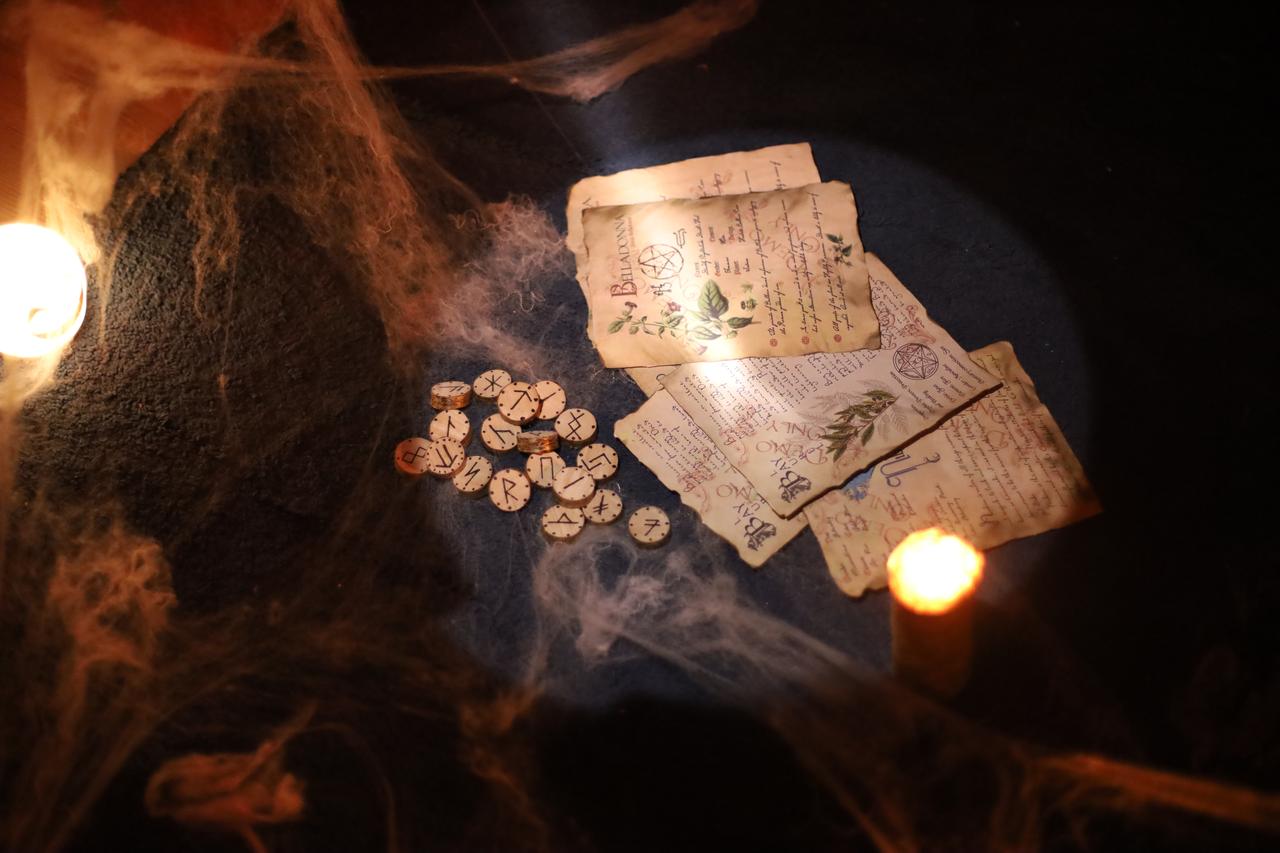
Fraudsters frequently invent complex spiritual "obstacles" that require additional payments to resolve, accessed on February 27, 2026. (Adobe Stock Photo)

Spiritual excuses

The suspects used a series of increasingly creative excuses to demand more money.

Each time the victim hesitated, they promised that all previous payments would be refunded if the process failed.

  • The "Protection Shield": The scammers claimed the boyfriend’s mother, Hanife, had placed a "protection shield" on him to prevent nightmares. They charged 7,500 TL (discounted from 8,500 TL after bargaining) to "remove" this barrier.
  • The "Backfiring Ritual": They later told the victim the spell had backfired, causing her partner, Hasan, to grow cold. They insisted on a "star alignment" ritual to create an "eternal love bond."
  • The "Gold" Fee: For this final ritual, they demanded 24,000 TL, claiming the process required 16 grams of gold.

After Aysegul K. sent these amounts, the scammers claimed the money was "blocked in a pool" and required one last payment to release the refund.

Once she reached a total of 41,500 TL, the group blocked her on both Instagram and WhatsApp.

While the methods appear traditional, the financial aftermath involves modern technology like cryptocurrency to hide the trail., accessed on February 27, 2026. (Adobe Stock Photo)

Medium fails to foresee 15 years in prison

Following a criminal complaint, authorities in Türkiye tracked the money trail.

Investigators found that the suspects quickly moved the cash into cryptocurrency accounts to hide their tracks.

The Ankara Chief Public Prosecutor’s Office filed a lawsuit in the Ankara 9th Criminal Court of First Instance.

The five male suspects are charged with "fraud by using information systems, banks, or credit institutions as a tool."

During the proceedings, the suspects denied the charges with various excuses:

  • "I gave my account to a friend."
  • "I was deceived myself."
  • "I only acted as an intermediary and didn't know it was a scam."

The prosecution is seeking a prison sentence of up to 15 years for each individual involved in the "Medyumgamze" scheme.

February 27, 2026 03:43 PM GMT+03:00
More From Türkiye Today