Newsletters


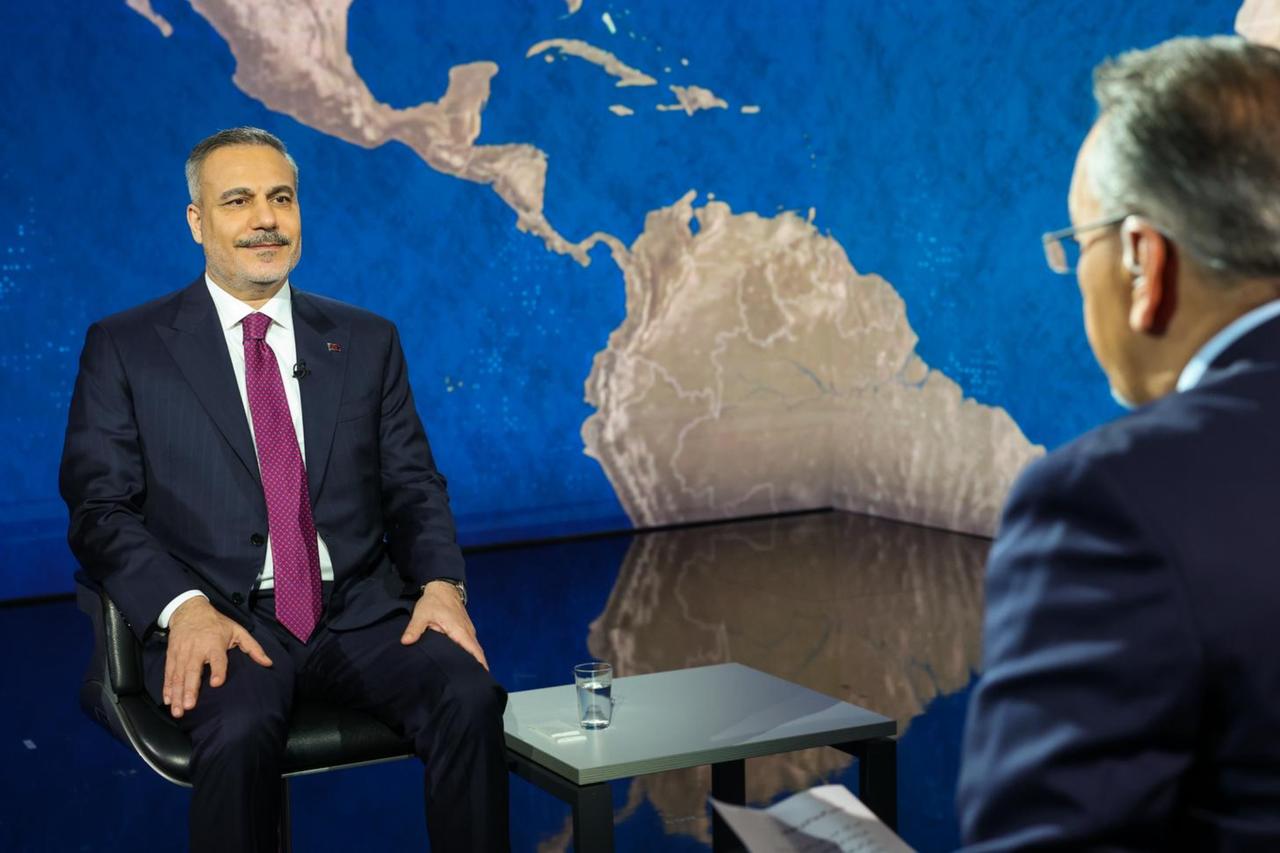


Foreign Minister Hakan Fidan said the overriding priority in ongoing negotiations between the United States and Iran is to preserve the current ceasefire, cautioning that the alternative, a return to open conflict, would harm both global economic stability and energy security worldwide.
Speaking in an interview broadcast on Al Jazeera, Fidan said the ceasefire must hold above all else. "The alternative to the ceasefire is a return to war, and nobody wants to live through that scenario again, because right now the entire world economy and energy security are being damaged by this war," he said.
Fidan described the negotiations as inherently uneven in their progress, acknowledging recent setbacks while insisting the process would continue.
He noted that the US had rejected Iran's most recent proposal but stressed that offers are routinely renegotiated and reframed. Mediators and the parties themselves, he said, can revisit their positions and find "a new, acceptable formulation."
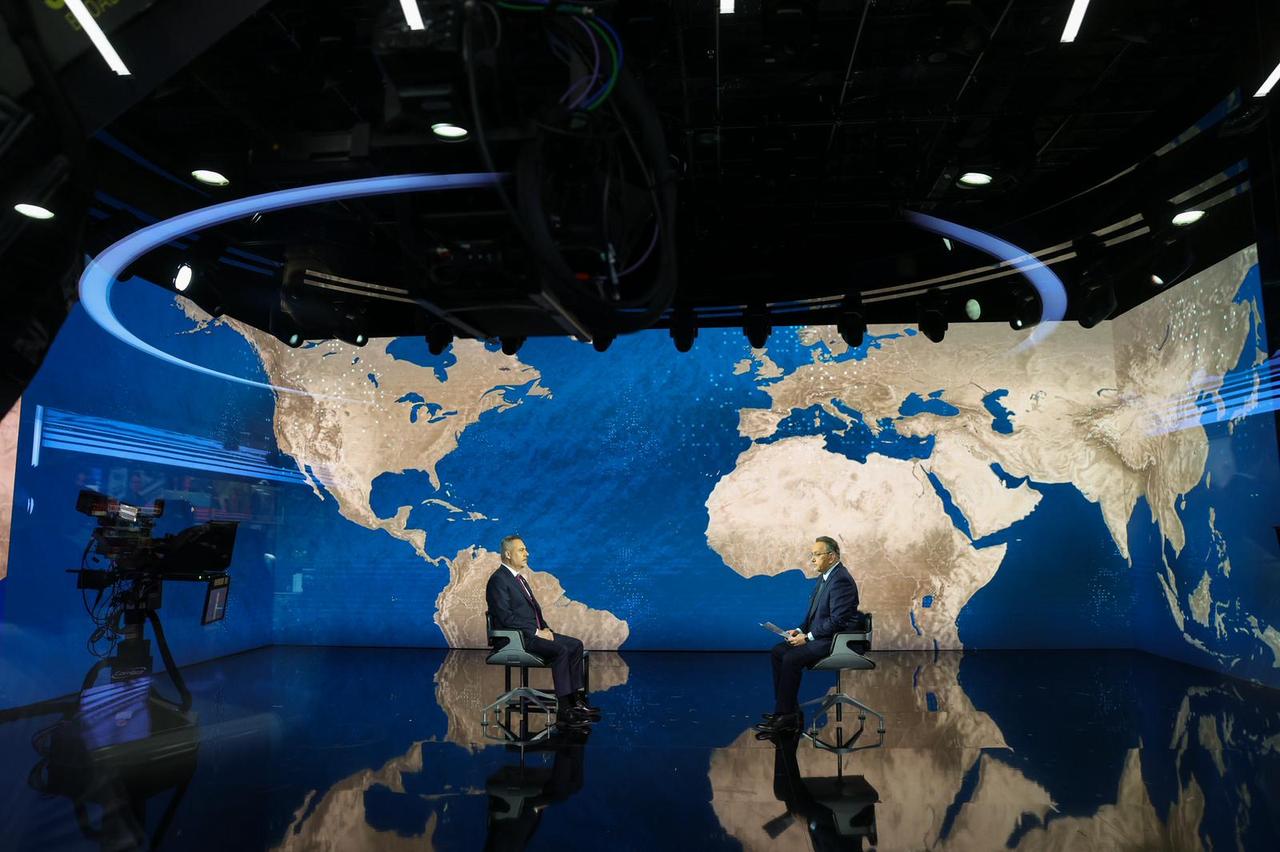

Fidan said Türkiye has sought a mediating role in the Iran-US file since 2010 but described the current negotiations as being ably led by Pakistan. Türkiye's role alongside Qatar and other regional states, he said, is to support Pakistan's efforts as fully as possible.
He explained that regional partners are in contact both with the two principal parties and with one another, and that this lateral communication matters enormously for the stability of the broader effort.
When negotiations stall, he said, outside partners with credibility on both sides are needed to generate fresh ideas. "We are in communication with both sides and among ourselves," he said.
Fidan expressed optimism about the direction of the talks while cautioning that Türkiye's direct participation would only be meaningful once a foundational agreement is in place.
"I hope Iran and the US conclude their negotiations positively and reach a compromise and an agreement. If additional support is needed afterward, we can be there too. But I don't think our involvement without any agreement or diplomatic outcome would be meaningful or constructive," he said.
Asked about the trajectory of the conflict, Fidan was blunt about what both parties have already endured. "I don't think there's anything left for the sides to experience. I think it's time to stop and find a real solution to this problem, one that affects not just the two countries involved but the entire world. There is sufficient will and intent on both sides to end the war and return to normal life, that is the impression we get from both parties," he said.
On the economic risks of continued conflict, Fidan noted that Türkiye is less exposed than most to disruptions in the Strait of Hormuz, given that three major pipelines carry oil and natural gas to Türkiye from Central Asia, Iran, Russia and Azerbaijan overland.
"Since we don't transport our energy by sea, we are not affected in terms of energy security," he said. He acknowledged, however, that all countries face exposure through global energy prices.
Fidan warned against any post-conflict settlement that lacks broad regional acceptance. "Introducing a new arrangement that may not be accepted by the large majority could become a new source of conflict. We don't want this, because it could set a precedent for other tension points, and the world economy cannot easily withstand that," he said.
On the question of whether a failed deal could give rise to a new regional order, Fidan said the possibility is real and has already been a subject of discussion among regional states.
He argued that the region has matured sufficiently to generate and implement creative ideas, and said Türkiye is working to remove the concept of hegemony from the regional vocabulary entirely, in favor of arrangements built on sovereignty, territorial integrity and mutual respect.
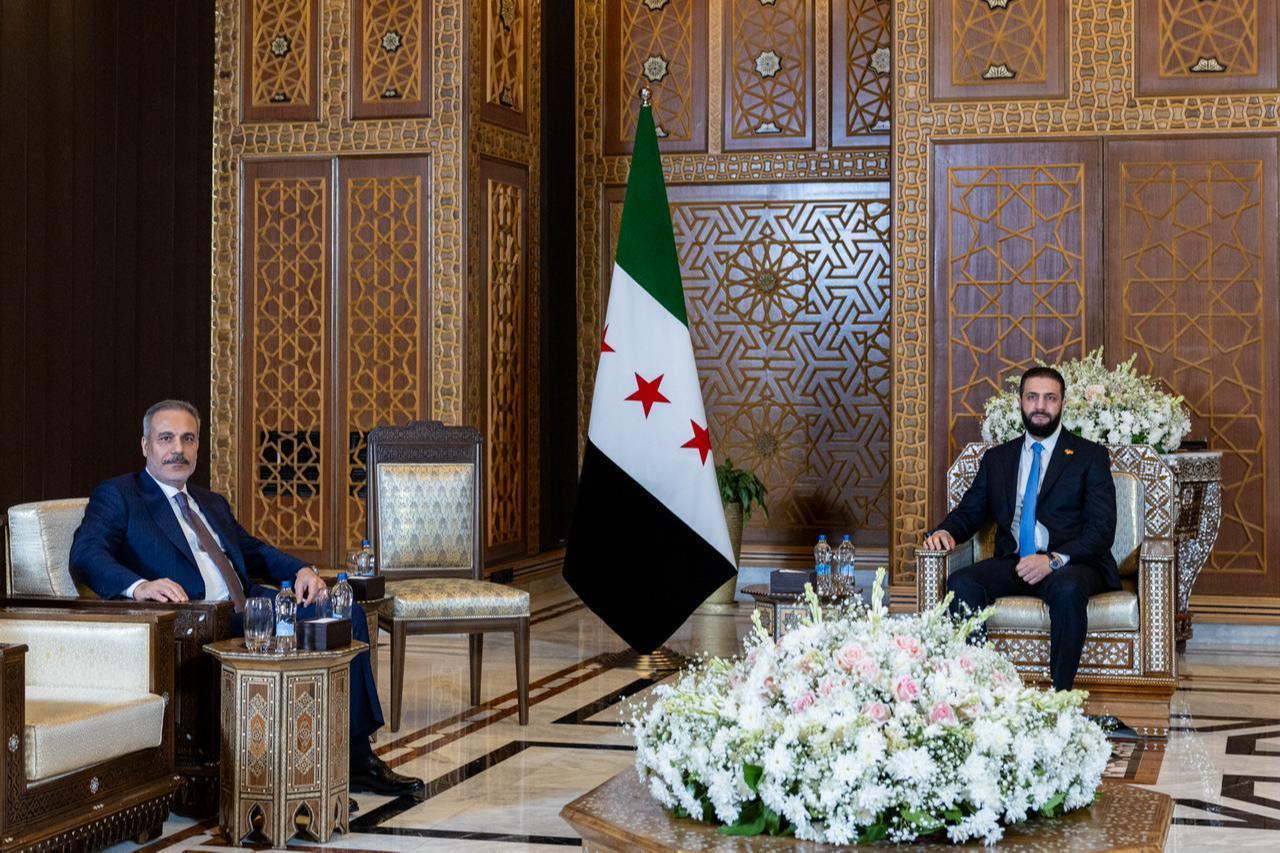
Turning to Syria, Fidan described the country's transformation as a significant achievement for regional diplomacy. He said armed factions have largely been consolidated under a unified command structure and that the country is experiencing relative peace across its ethnic, religious and national communities.
Refugees from multiple countries, including Türkiye, are returning. The day before the interview, Fidan noted, the European Union held its first high-level political dialogue meeting with Syria in Brussels, which he said yielded a positive outcome.
"Syria used to be the cradle of civil war and terrorism and a threat to all regional countries. Now, thankfully, all of that is in the past. Syria is now a stable country that poses no threat to anyone. That is a great success," he said.
Fidan identified one significant and growing risk, however: Israel's actions inside Syrian territory. He was careful to frame the concern not primarily through the lens of Turkish security interests, but as a violation of Syrian sovereignty.
"Israel is violating and occupying the territorial integrity and sovereignty of the Syrian state. This is a major national security threat for Syria, just as it is for Lebanon, the West Bank and Gaza," he said.
He called on Arab states, Muslim-majority nations, regional powers and European governments to collectively oppose Israeli policy in Syria, warning that continued Israeli destabilization risks producing a new wave of mass displacement that would affect Europe as well.
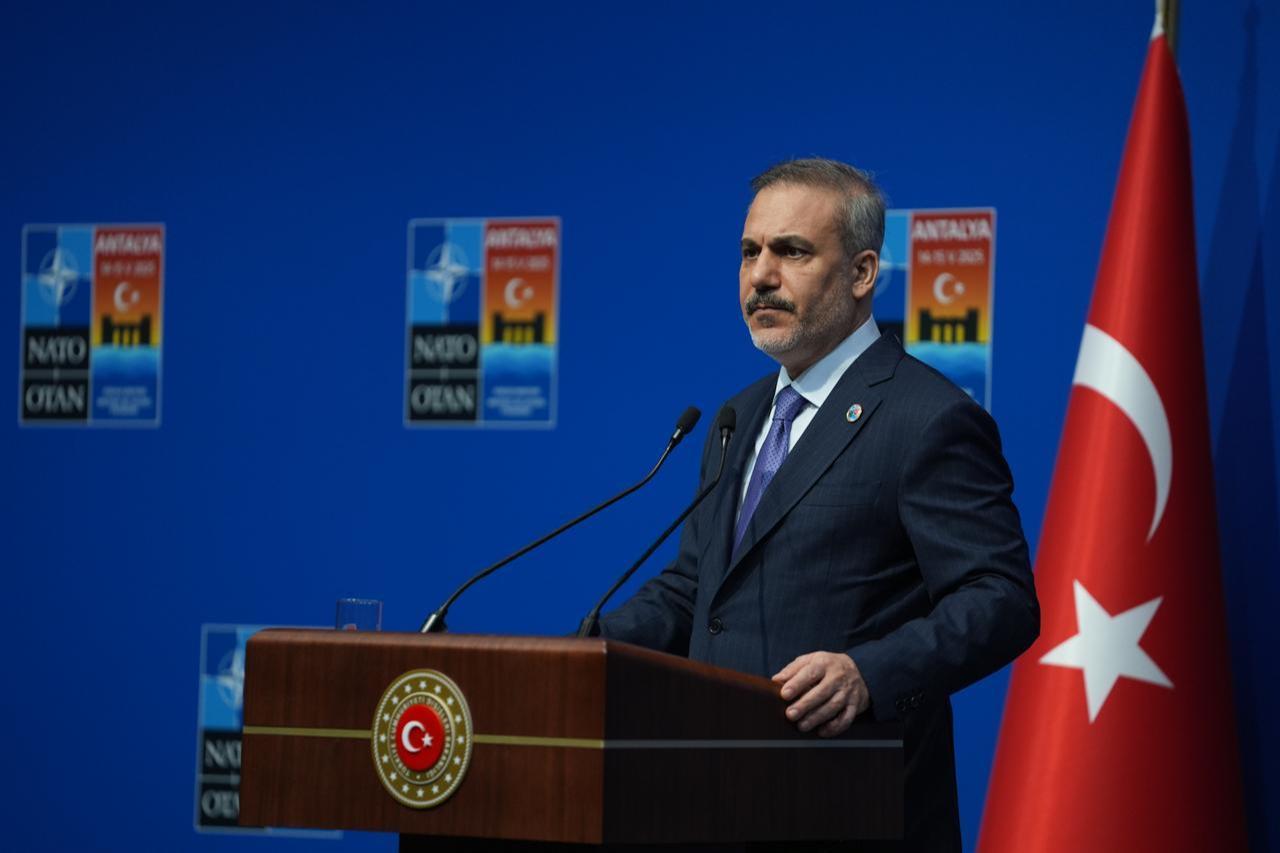
Fidan also addressed the upcoming NATO summit, scheduled for July 7-8 in Ankara, describing it as a pivotal moment for the alliance at a time of serious internal tension.
He argued that NATO's most important function has never been deterrence alone, but rather the preservation of peace and cooperation among its European member states, a framework that helped end centuries of inter-European war and ultimately gave rise to the European Union.
He acknowledged long-standing US complaints about burden-sharing within the alliance, noting that such concerns predate the current US administration. European countries, he said, are already increasing defense spending and developing their industrial infrastructure, but deeper structural questions remain unresolved.
"There is currently no agreed definition of European security, because under the NATO umbrella there are two Europes: one that is the EU, and another made up of NATO members that are not EU members, countries like Türkiye, Norway, Iceland, Albania, Montenegro and North Macedonia," he said.
Fidan warned that if the US continues to pull back from transatlantic security commitments while nominally remaining inside the alliance, the result could be a semi-structural problem that no existing institution is equipped to manage.
"The US would still be inside, but some gaps would need to be filled by other countries. That is why I believe the NATO summit in Ankara in July is very important for the future of NATO," he said.
On Türkiye's own foreign policy orientation, Fidan described it as a function of geography. Türkiye borders Europe, the South Caucasus, Iran, Iraq, the Black Sea and the Mediterranean, he said, making a multi-dimensional strategic posture not a choice but a necessity.
He said Türkiye applies consistent values and principles across all these theaters while adapting its approach to each region's specific dynamics.


 Set as preferred source
 Set as preferred source


 1 min read
 1 min read