Newsletters


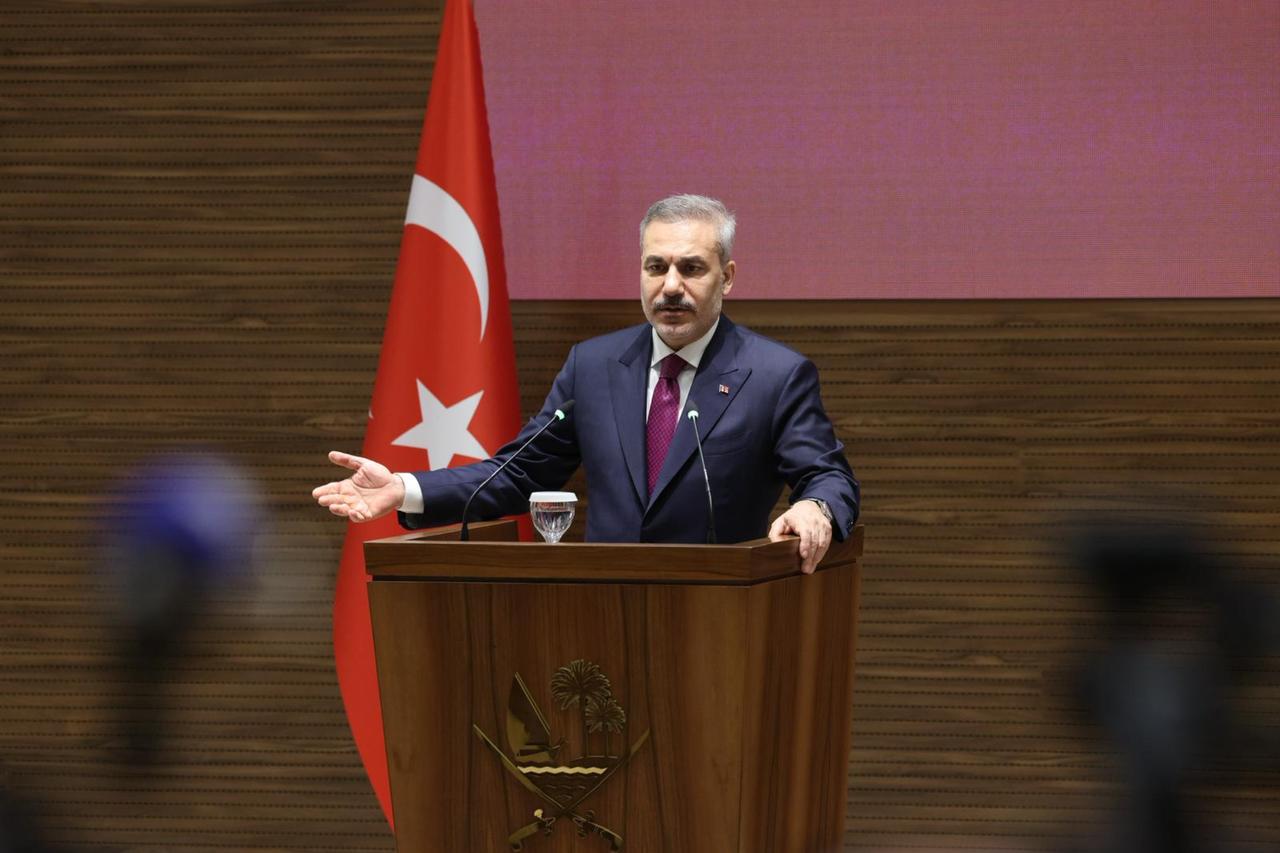


Turkish Foreign Minister Hakan Fidan warned that the Strait of Hormuz must not be used as a weapon. He said this while conducting a joint press conference with Qatari Prime Minister and Foreign Minister Mohammed bin Abdulrahman bin Jassim Al Thani in Doha.
Türkiye's top diplomat declared that Ankara backs all efforts toward a peaceful resolution of the Iran-U.S. conflict and that a return to war "would serve no purpose other than multiplying the destruction we have already seen."
"The Strait of Hormuz not being used as a weapon is extraordinarily important for regional stability and security, as well as for the world economy," Fidan said.
"Our priority is for peaceful and diplomatic efforts to materialize, and through this, for the Strait of Hormuz to be opened. We support all efforts in this direction," he added.
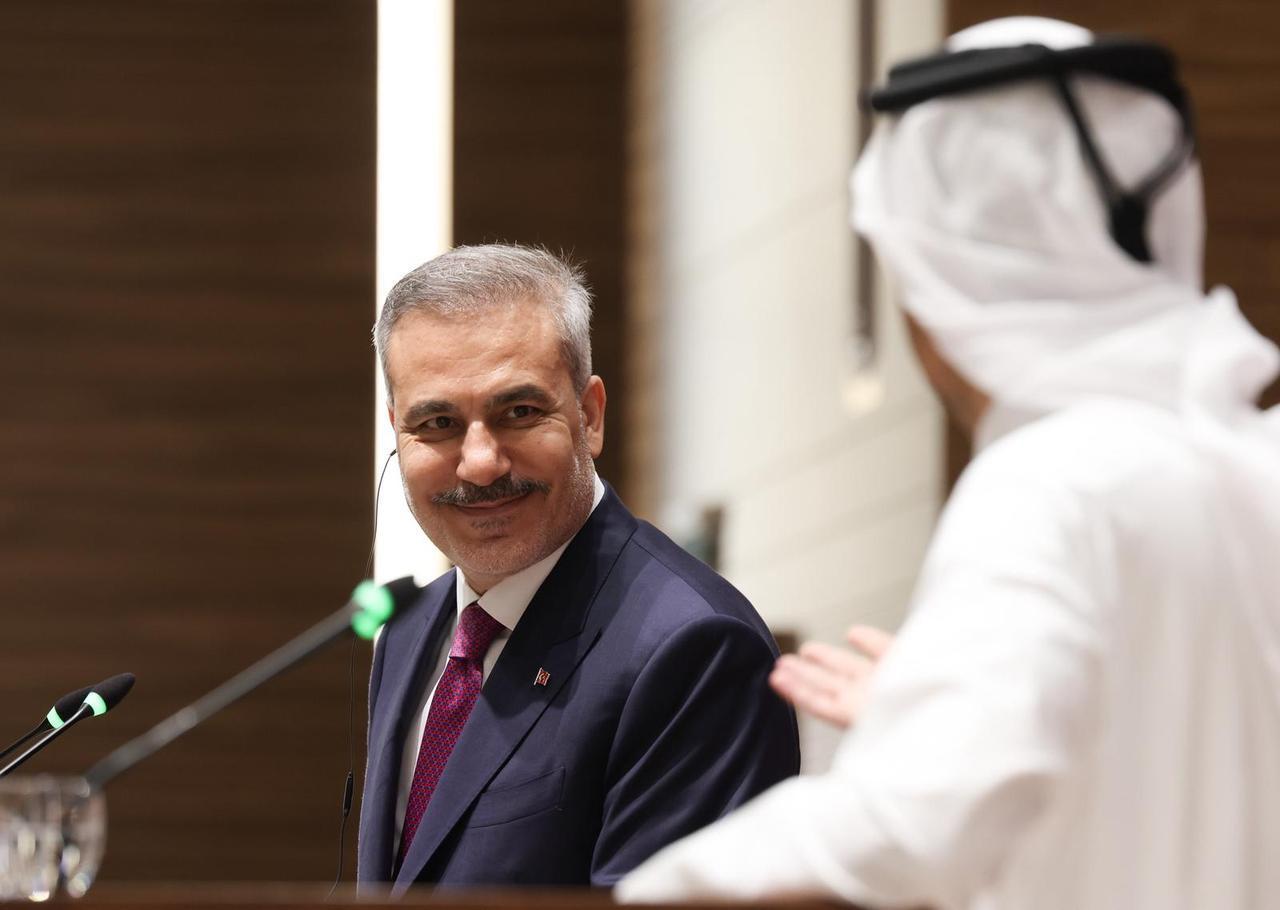

On the prospect of resumption of the conflict, Fidan was unequivocal: "We don't even want to think about the contrary. A return to war would serve no purpose other than multiplying the destruction we have already seen.
"War is absolutely not a solution. It brings instability, economic deprivation and potential destruction, not only to the region but to the entire world. We do not want to see this in any way," he noted.
He described the core challenge in the Iran-U.S. negotiations as one of sequencing and language rather than intent: "Both sides' stated disposition at the level of intention is this: stopping the war, opening the Strait of Hormuz and resolving the nuclear files somehow. The problem is: how do we put this on paper with a prioritization and formulation that the parties can accept?"
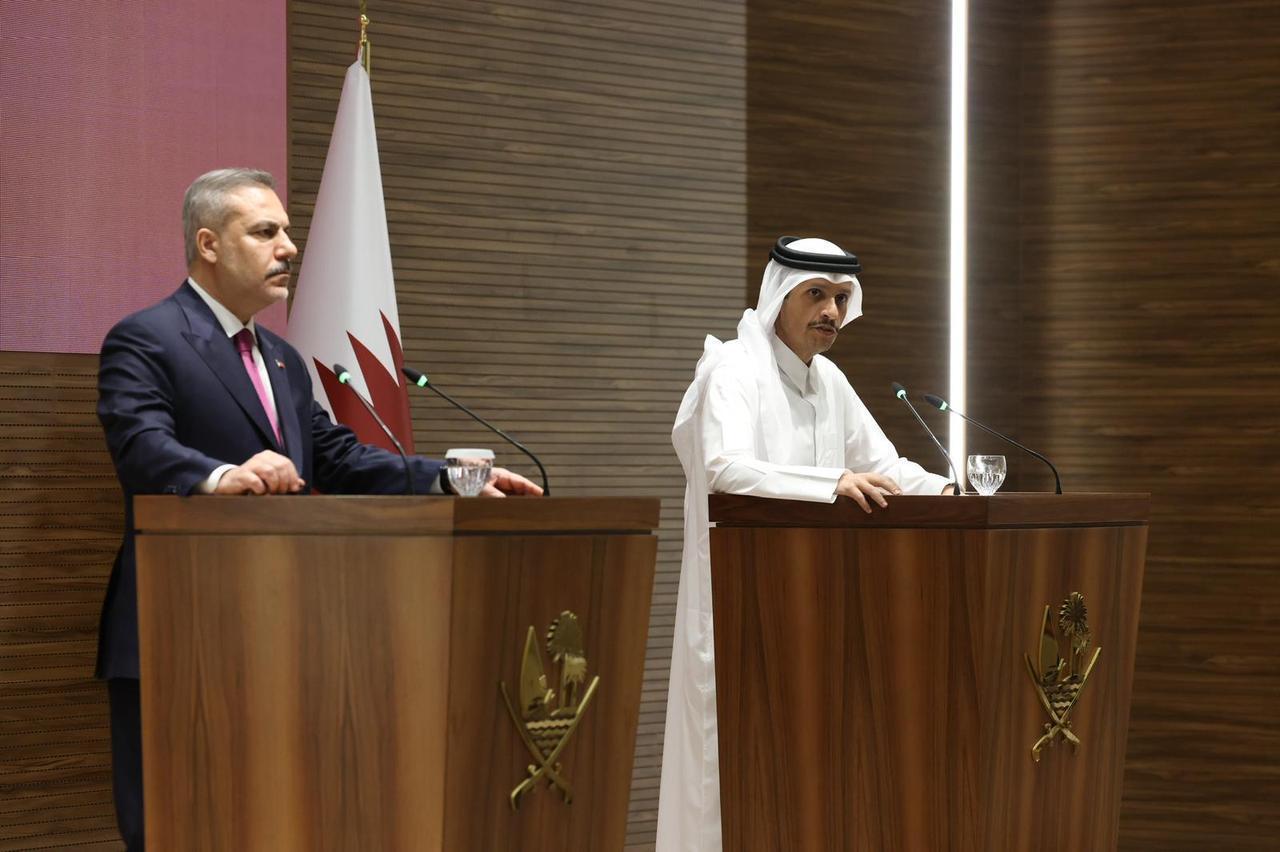
Fidan reserved some of his sharpest language for Israel, saying, "Israel is defined by everyone as the elephant in the room. At a time when everyone is coming together, when everyone is talking about peace and diplomacy, we see Israel pursuing a policy of exacerbating all problems through violence and expansionism."
"This has now become a global problem, a security problem," he added. noting that the EU's new sanctions decision against Israeli settlers as evidence of growing international pushback.
"I believe that in the period ahead, world public opinion will react more strongly to Israel's expansionist policies," Fidan said.
The top Turkish diplomat also warned that the Gulf crisis must not overshadow Gaza, saying, "The problem we are facing in the Gulf must not in any way cause us to forget the issue of Gaza."
"Israeli expansionism continues to be a first-order stability and security problem in our region. Ceasefire violations in Gaza have reached their peak," he added.
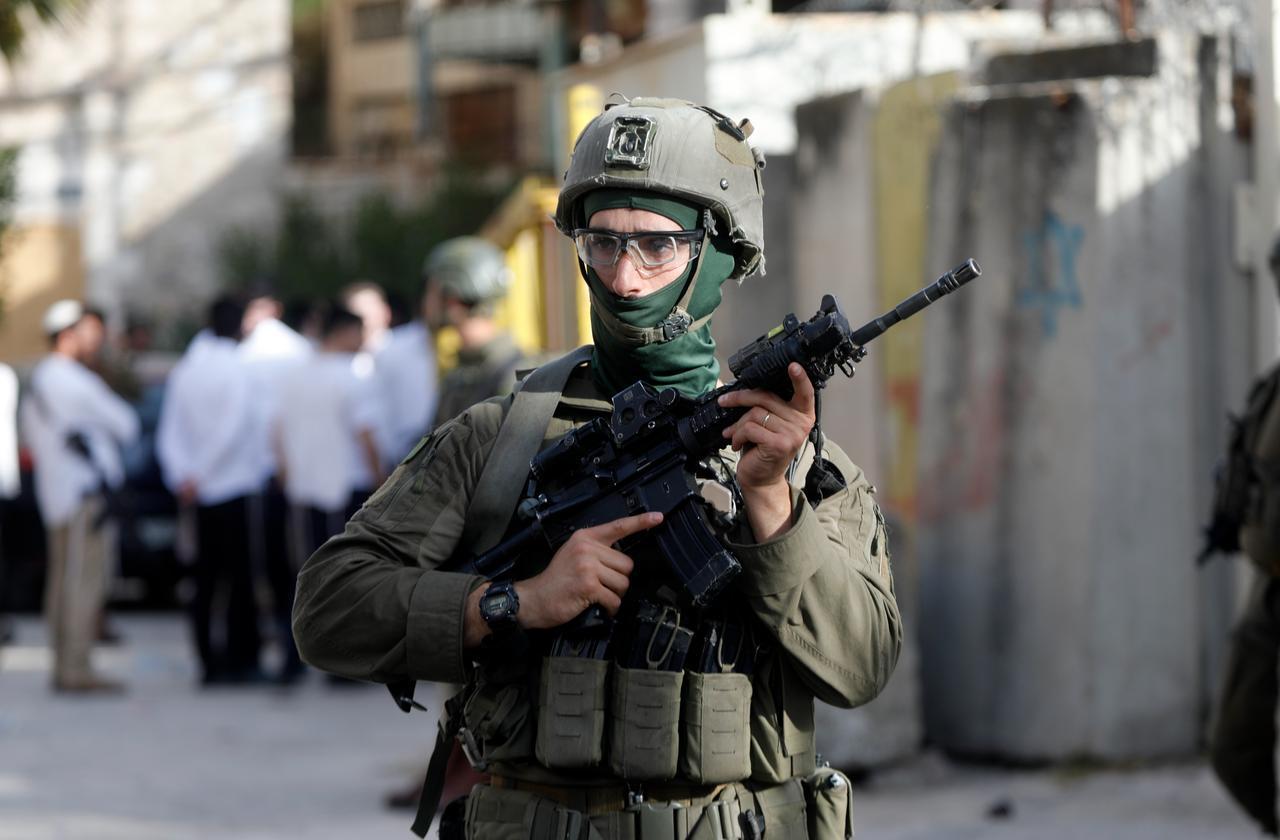
The Qatari PM echoed Fidan's framing, describing regional countries as bearing collective responsibility for preventing renewed hostilities.
"Guaranteeing that the war does not start again is our responsibility as regional countries, and the only solution for this is diplomacy," he said.
He was also direct in criticizing Tehran's use of the strait: "Iran must not use the Strait of Hormuz as a weapon to pressure or blackmail Gulf countries."
"The crisis in Hormuz is affecting the entire world. Navigation in the Strait of Hormuz is unfortunately being used as a weapon. This does not help reduce tensions," he added.
On Gaza, Al Thani was equally firm: "Israel continues to violate the ceasefire in Gaza despite the truce, and is using humanitarian aid as a weapon. This is unacceptable."
He said Israel was not complying with agreements and was preventing humanitarian aid from entering Gaza. The issues of Lebanon ceasefire violations and Israeli threats against Lebanese communities were also raised in his talks with Fidan.
Al Thani confirmed that his recent visit to the United States was primarily focused on supporting Pakistan's mediation efforts, and said both Türkiye and Qatar would "continue to work in coordination for the end of the war and the reopening of the Strait of Hormuz."


 Set as preferred source
 Set as preferred source


 2 min read