Newsletters


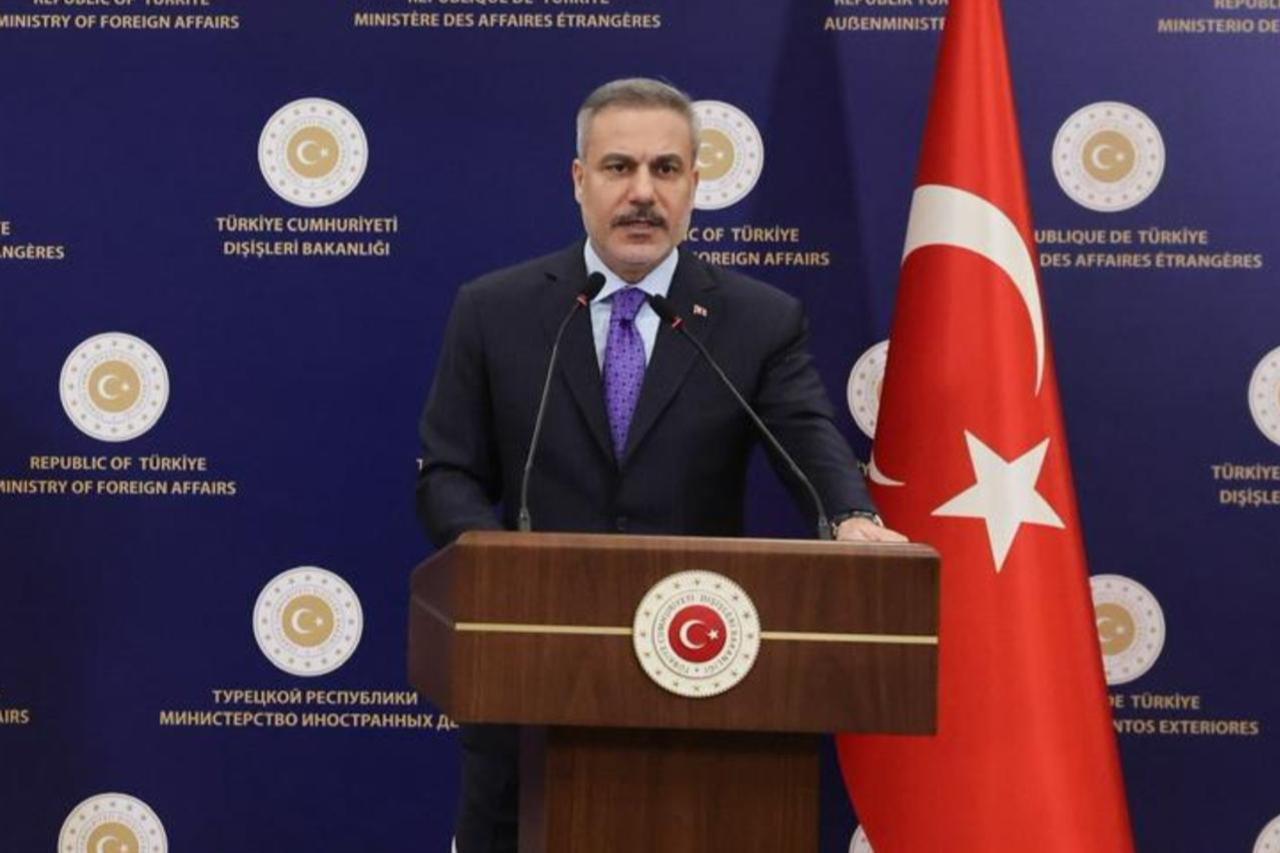


Foreign Minister Hakan Fidan warned Thursday that Israel could undermine fragile U.S.-Iran nuclear negotiations, urging the international community to be prepared to push back against any Israeli move to derail the talks, which are scheduled to begin Saturday in Pakistan.
Speaking at a joint press conference in Ankara alongside Syrian Foreign Minister Asaad Hassan al-Shaibani, Fidan said both Washington and Tehran had shown willingness to compromise, pointing to "certain changes" in their negotiating positions and a broad global consensus that military strikes on Iran would be a mistake.
"The world needs this, the region needs this," he said, adding that both Iran and the United States were capable of reaching a deal and that regional countries stood ready to contribute constructively.
Fidan cautioned that the current two-week ceasefire framework underpinning the talks may prove insufficient for the complexity of the issues on the table, which include not only Iran's nuclear program and uranium enrichment but also broader questions of regional security. He suggested the truce could be extended if both parties agreed.
"If the parties reach a mutual understanding, the ceasefire can be extended for a while longer and talks can continue," he said, describing the negotiations as a genuine opportunity for a durable settlement.
The minister stressed that Israel must not be allowed to sabotage the process, calling on world public opinion to be "ready and in a position to give the necessary response" to any such provocation. He said lessons must be drawn from past crises and that acting with common sense in the face of Israel's known efforts to obstruct diplomatic processes was essential.
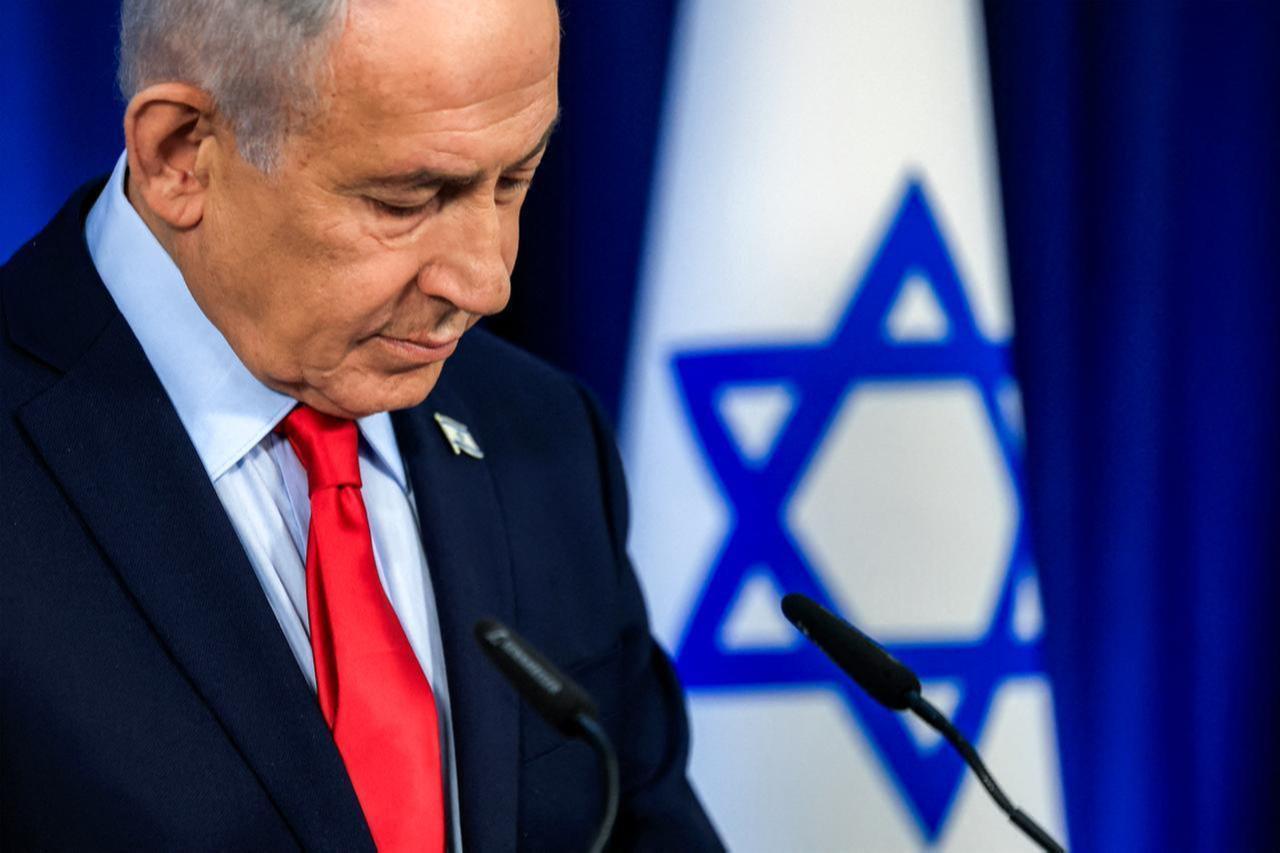

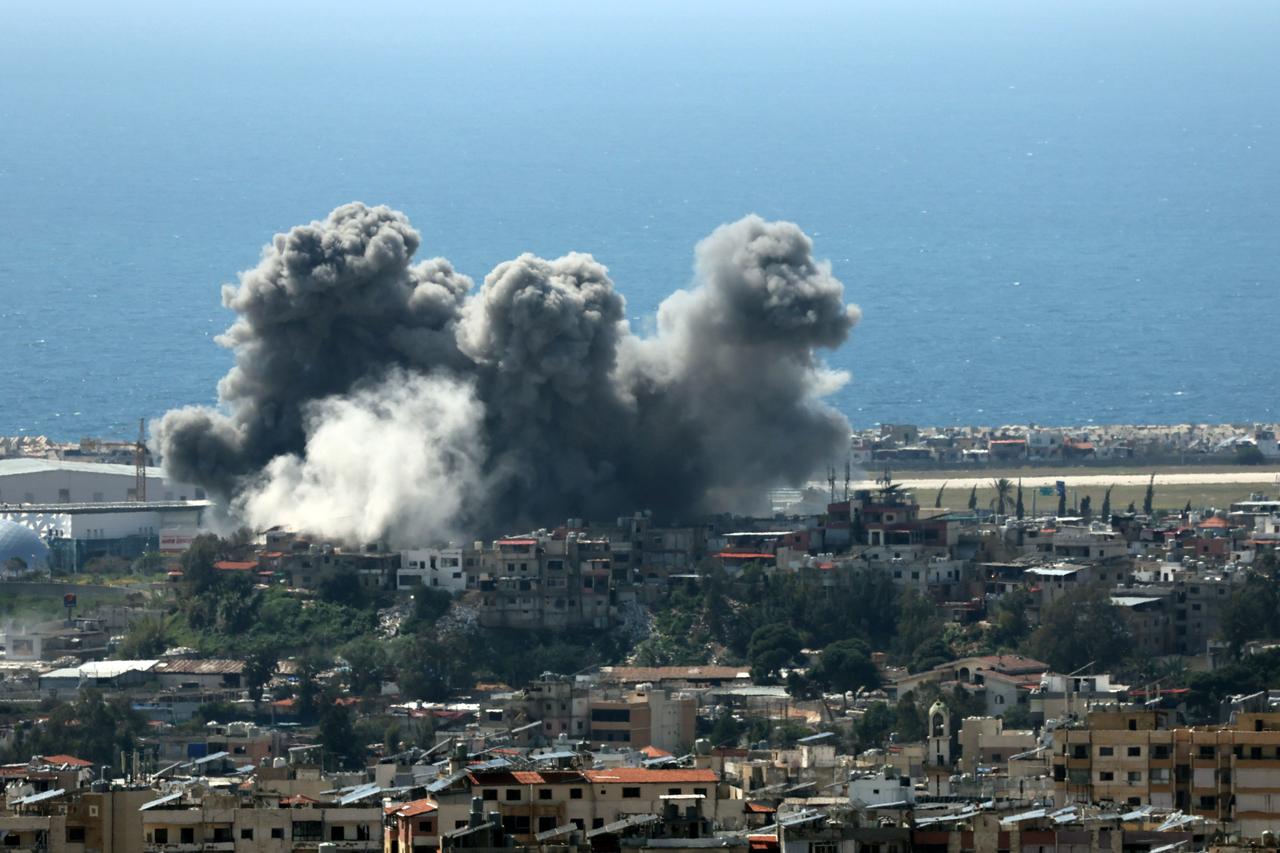
Fidan leveled sharp criticism at Israeli Prime Minister Benjamin Netanyahu's government, accusing it of extending what he called the "genocide" in Gaza into Lebanon, where Israeli strikes were continuing to kill civilians and children.
He said Israel's occupation of Lebanese territory must end and that protecting the civilian population had become an unavoidable priority. The minister also called on international players to curb Israel's "expansionism," and noted that the region was "tired of occupations and wars."
Shaibani echoed those concerns, calling on the international community to enforce the 1974 disengagement agreement and press for the withdrawal of Israeli forces, which he said had continued to occupy parts of Syrian territory since December 2024.
On Lebanon, he said Damascus supported the Lebanese government's position that Hezbollah's weapons should be removed through national processes, free from external interference.
The Ankara meeting also produced a wide-ranging discussion on bilateral relations, with Shaibani describing a new era of strategic partnership with Türkiye built on mutual respect following what he characterized as the end of Syria's authoritarian period in December 2024.
Central to the talks was the so-called Four Seas Project, an ambitious infrastructure initiative that Shaibani said would position Syria and Türkiye as a primary energy distribution corridor linking the Gulf, the Caspian Sea, the Mediterranean and the Black Sea. "Given the instability in traditional sea routes, this project is an inevitable necessity and an important opportunity for both countries and for the entire region," he said.
Shaibani also addressed Syria's ongoing efforts to integrate armed factions into state institutions, describing the guiding principle as "one state, one army, one sovereignty," while affirming that the cultural, linguistic and civil rights of Kurdish citizens would be guaranteed. He announced that Syria's People's Assembly would launch the final round of elections in Hasaka province, with its first session to follow shortly after.
Shaibani said Syria had suffered gravely from more than 14 years of Iranian intervention and affiliated militias, with over one million people killed and 15 million displaced as refugees or internally.
He welcomed the U.S.-Iran ceasefire announcement and expressed hope that the diplomatic opening would translate into broader regional stabilization, including improved relations between Iran and Gulf states, a goal Fidan also explicitly endorsed as part of a new regional security and peace architecture that Türkiye said it was ready to actively support.


 Set as preferred source
 Set as preferred source


 1 min read
 1 min read