Newsletters


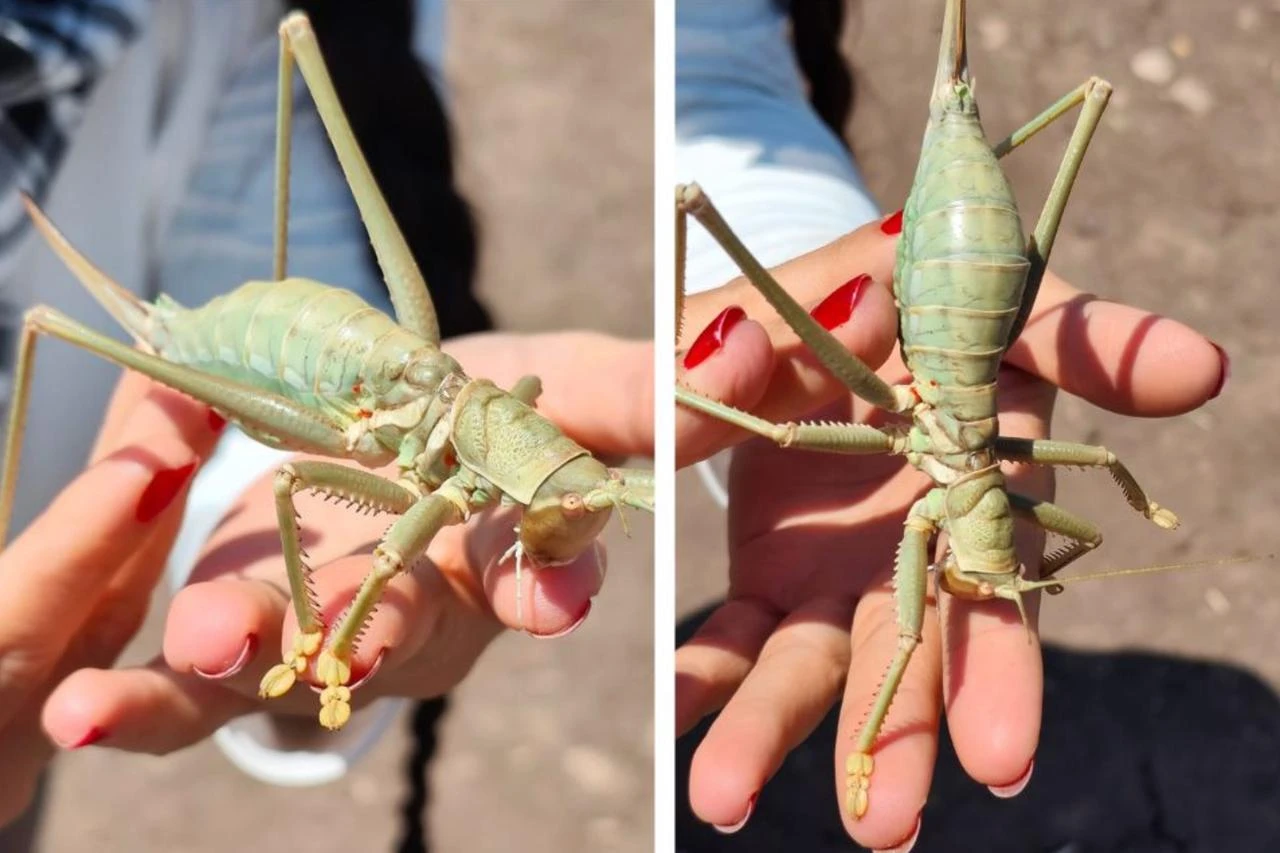


A carnivorous grasshopper species known as Saga ephippigera, which can grow up to 25 centimeters including its antennae, is proving beneficial to agriculture in Diyarbakir, a city in southeastern Turkiye, according to a university biology professor.
Professor Ali Satar, a faculty member at Dicle University, a public university in Diyarbakir, told Anadolu Agency the species has been spotted in several areas of Ergani, a district in Diyarbakir province, and is not invasive. He said the insect feeds on harmful pests and plays a useful role in local farmland.
Diyarbakir is known for its rich vegetation and biodiversity, Satar said, noting that the grasshopper is typically found in fields where barley and wheat are harvested. According to Satar, the species does not harm humans unless provoked.
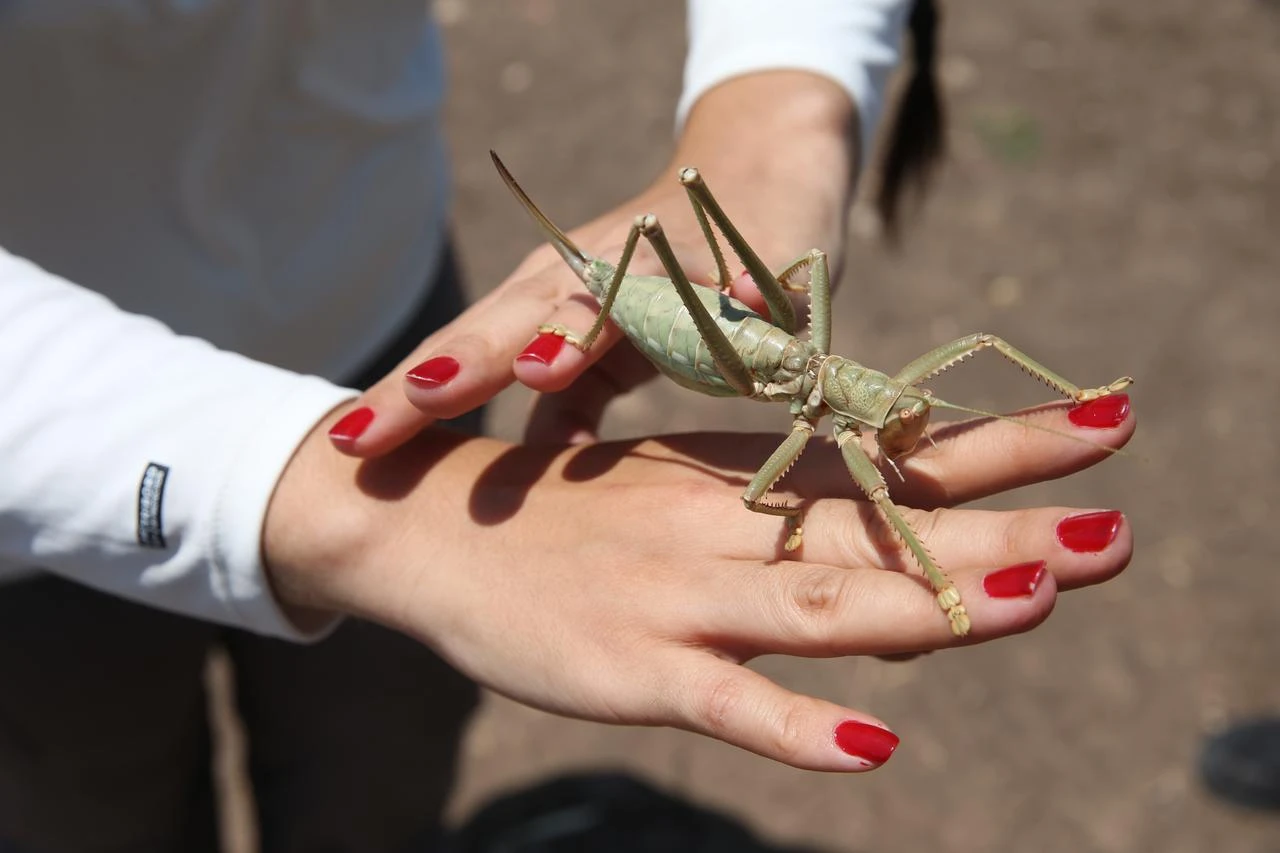

"It has no harm to people and does not spread disease. We need to protect this species," Satar said, adding that the insect is valuable because it consumes species that damage crops.
The species tends to alarm local residents due to its unusually large size, Satar said, though he stressed the grasshopper poses no threat if left undisturbed.
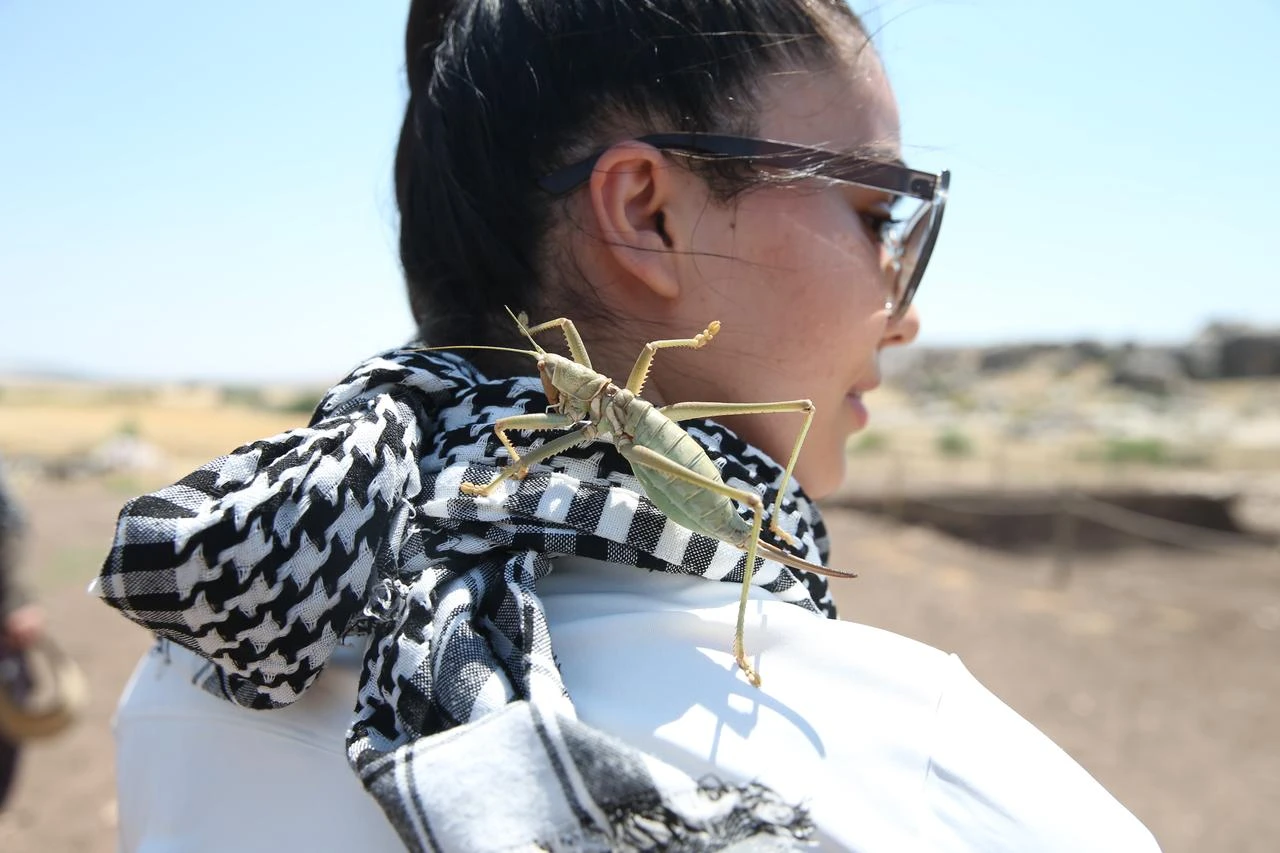
Carnivorous grasshoppers descend from higher elevations to lower areas each July to lay eggs, a behavior Satar said plays a key role in maintaining natural ecological balance.
He said supporting such species is preferable to using chemical pesticides to control harmful insects in the wild.
Satar said the species should be protected and its population encouraged to grow.
"It has major benefits for agriculture and its numbers should increase. Because they are large, people may harm them out of fear. We should not harm them," Satar said.
He added that not every grasshopper encountered is harmful, noting that Turkiye is currently experiencing a notable grasshopper population increase, particularly in Istanbul, the country's largest city. Satar said that the species, too, is not especially harmful and feeds on both plants and insects.


 Set as preferred source
 Set as preferred source



 6 min read