Newsletters


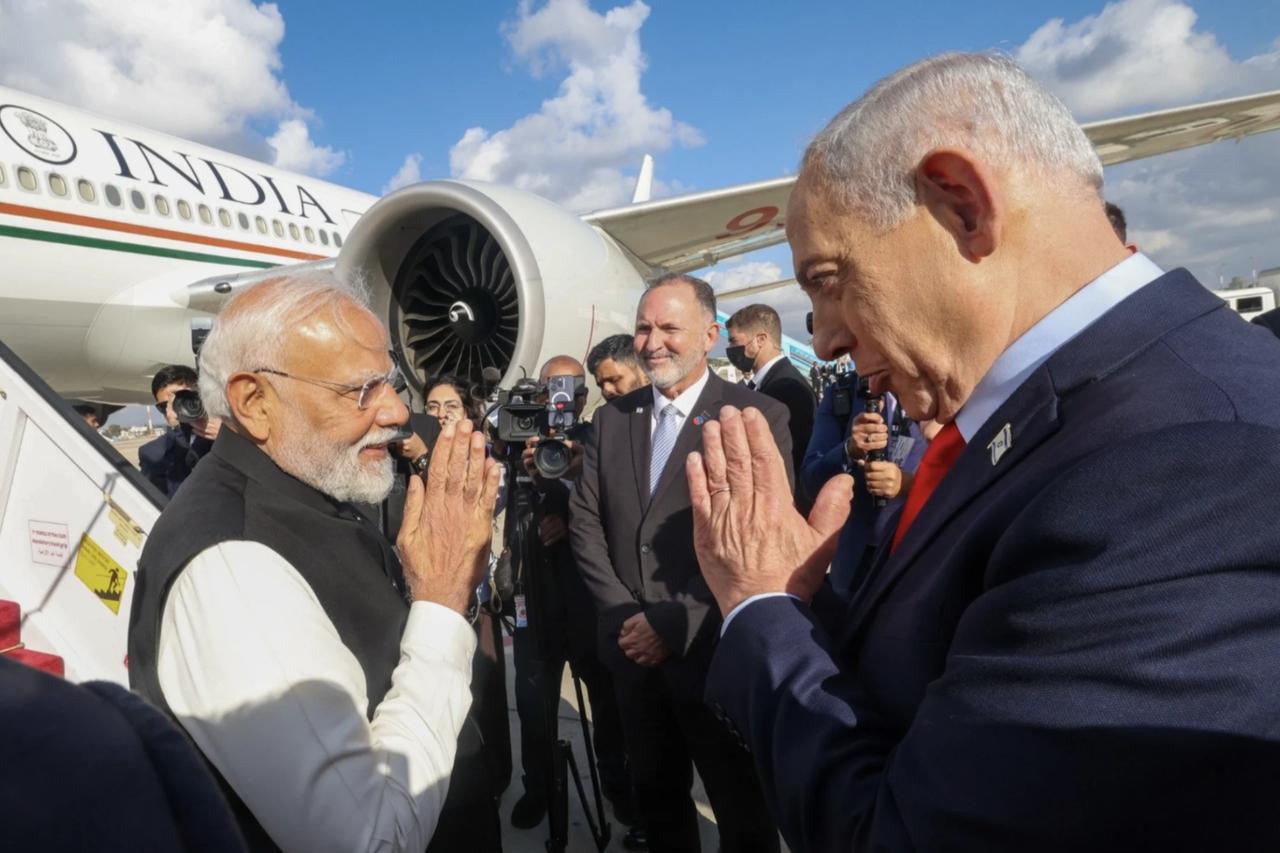


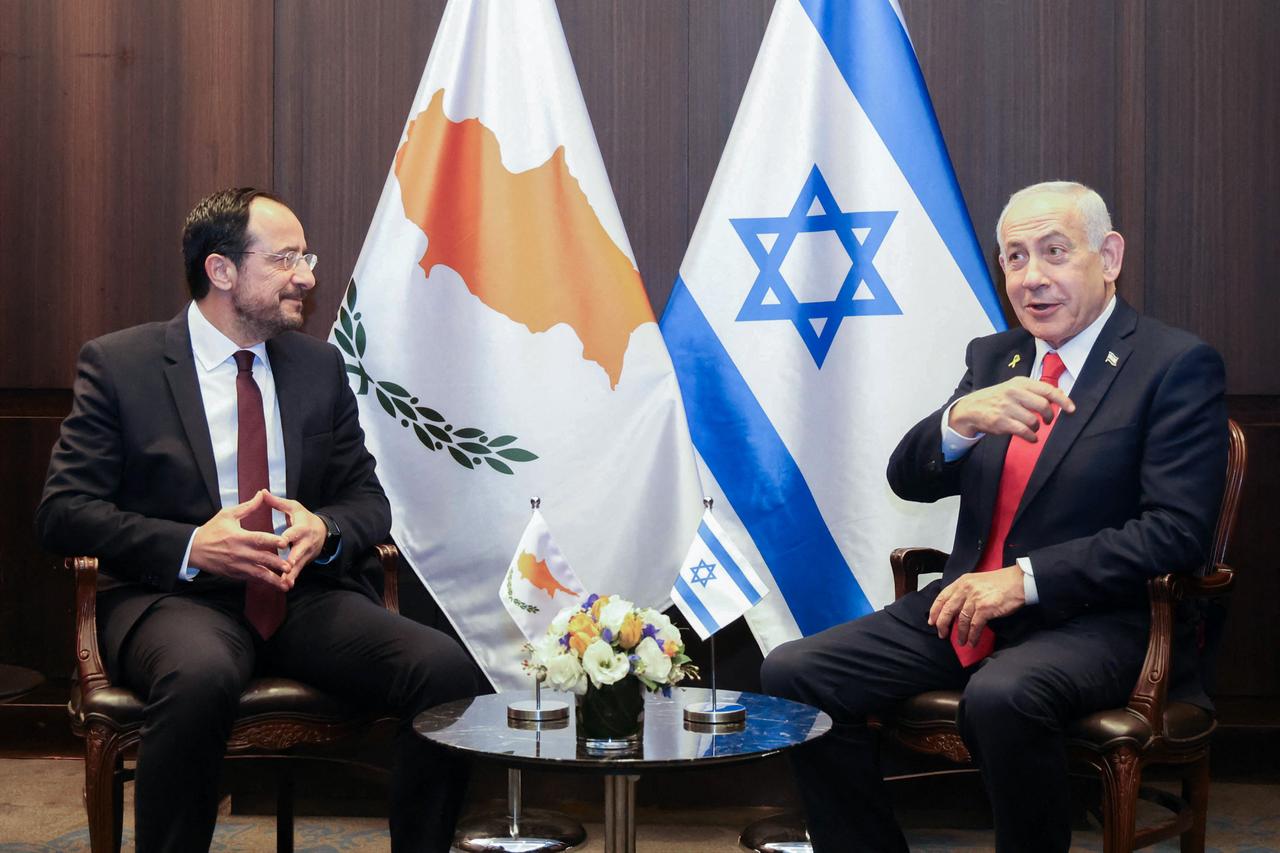
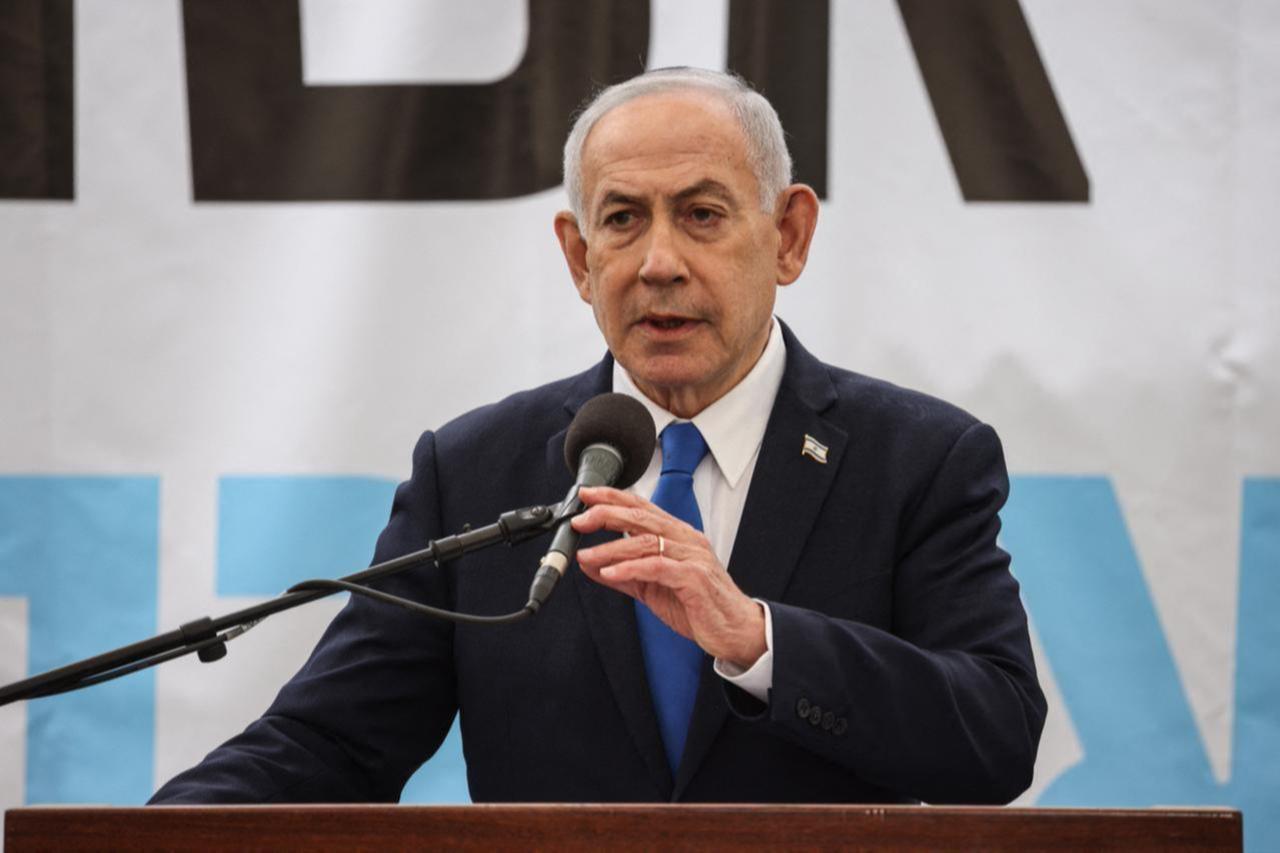
During a special Knesset session marking Indian Prime Minister Narendra Modi’s visit, Israeli Prime Minister Benjamin Netanyahu noted that Indian soldiers helped "liberate Israel" during World War I. His remarks, made earlier this week, paid tribute to the Indian troops who fought in the region under British command.
Netanyahu stated that Indian soldiers and commanders, alongside Jewish fighters serving in the British army, assisted in “freeing the country from Ottoman rule.”
He further accused the Ottoman Empire of being an occupying force and declared that Israel would not forget the Indian soldiers who died “for us.”
The comments sought to situate early 20th-century military history within the context of present-day India–Israel ties. However, the historical framing of the claim requires scrutiny due to significant chronological and political inconsistencies.
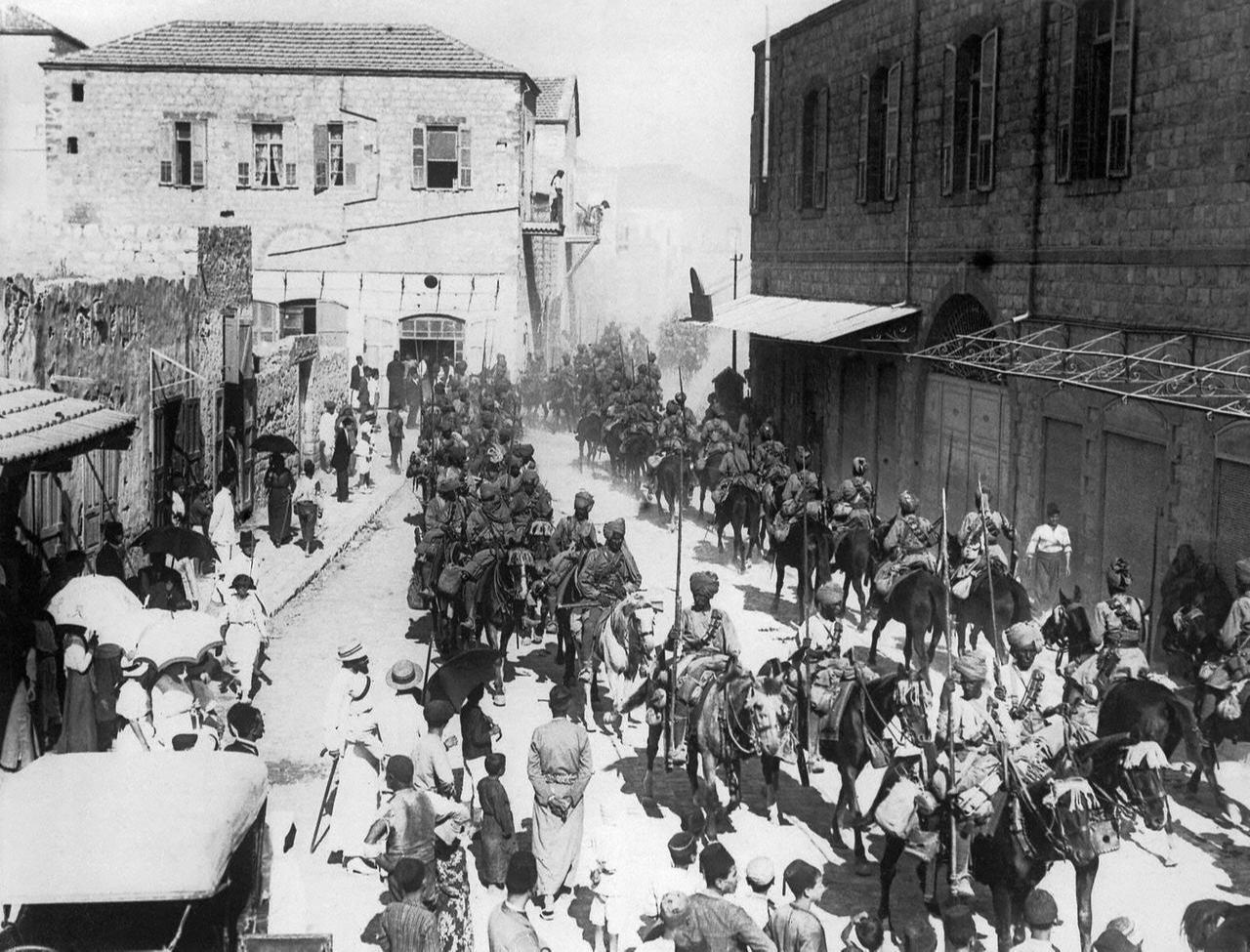

The central issue with the “liberation” narrative lies in timing. During World War I (1914–1918), there was no State of Israel. The modern state was established in 1948, three decades after the Ottoman withdrawal and following the end of the British Mandate in Palestine.
At the time Indian soldiers fought in Palestine, the territory was still part of the Ottoman Empire. The political entity that would later become Israel did not exist in international law or diplomatic reality.
Describing military operations in 1917–1918 as the liberation of Israel, therefore, imposes a contemporary national framework onto a period when no such state structure was in place. The historical actors involved were operating within imperial, not national, alignments.
In terms of territorial sovereignty, these lands were never liberated for a future Israeli state; rather, they fell under the dominion of the British Empire and were subsequently governed by entities such as Egypt and Jordan.
Claiming that British-Indian forces fought the Great War to establish a modern Israeli state is as historically dissonant as suggesting that Roman legionnaires captured Jerusalem in 70 A.D. specifically to facilitate its eventual handover to the Ottomans later.
Another key context concerns the demographic composition of the region at the time. During World War I, the Jewish population in Ottoman Palestine was relatively limited in size compared to the broader population.
Indian troops fighting under British command were not deployed to rescue or establish a Jewish state. Their military objective was aligned with British imperial strategy: to defeat Ottoman forces and secure control over strategically significant territories in the Eastern Mediterranean.
The campaign in Palestine, hence, formed part of Britain’s broader wartime effort against the Ottoman Empire.
Netanyahu’s remarks presented the Indian soldiers’ role as part of a historical alliance. Yet in 1914, India was not an independent actor in global politics. It was a colony of the British Empire.
Indian troops who fought in the Middle Eastern theater did so as subjects of the British Crown.
They were mobilized within the structure of imperial military command, rather than as representatives of a sovereign Indian government pursuing its own foreign policy objectives.
In this context, Indian soldiers were part of a British expeditionary force confronting Ottoman troops. Their deployment reflected imperial military logistics and colonial governance, as they were forced to go away from their homes by the colonizers.
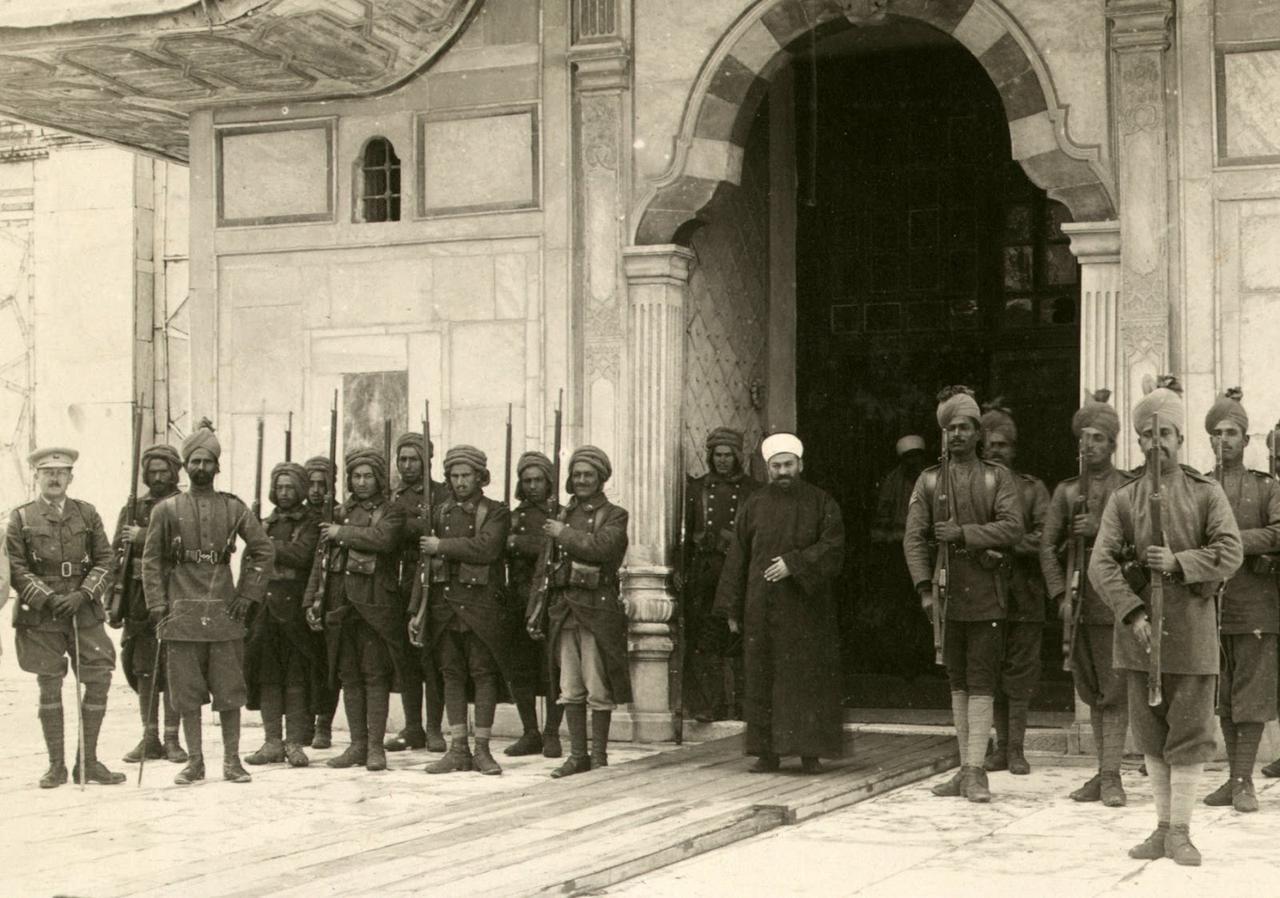
An additional historical dimension often overlooked in contemporary retellings concerns the religious composition of the forces involved. A significant portion of the Indian soldiers serving in the British army at the time were Muslims.
When British Gen. Edmund Allenby entered Jerusalem in 1917, sensitivity to religious sites was a central concern. Historical records indicate that Muslim Indian soldiers were entrusted with guarding the Al-Aqsa Mosque compound, reflecting awareness of Islamic religious sensitivities.
This detail further complicates the narrative of ideological alignment.
Netanyahu’s comments did include one historically accurate point: Indian troops played a substantial role in the British military campaign in Palestine, both numerically and operationally. Their forced contribution to Britain’s war effort in the region is well documented.
The dispute centers not on their presence, but on the framing of their purpose. By recasting imperial military campaigns as the foundation of modern bilateral alliances, political rhetoric reframes historical events to bolster contemporary diplomatic ties.


 Set as preferred source
 Set as preferred source


 1 min read
 1 min read