Newsletters


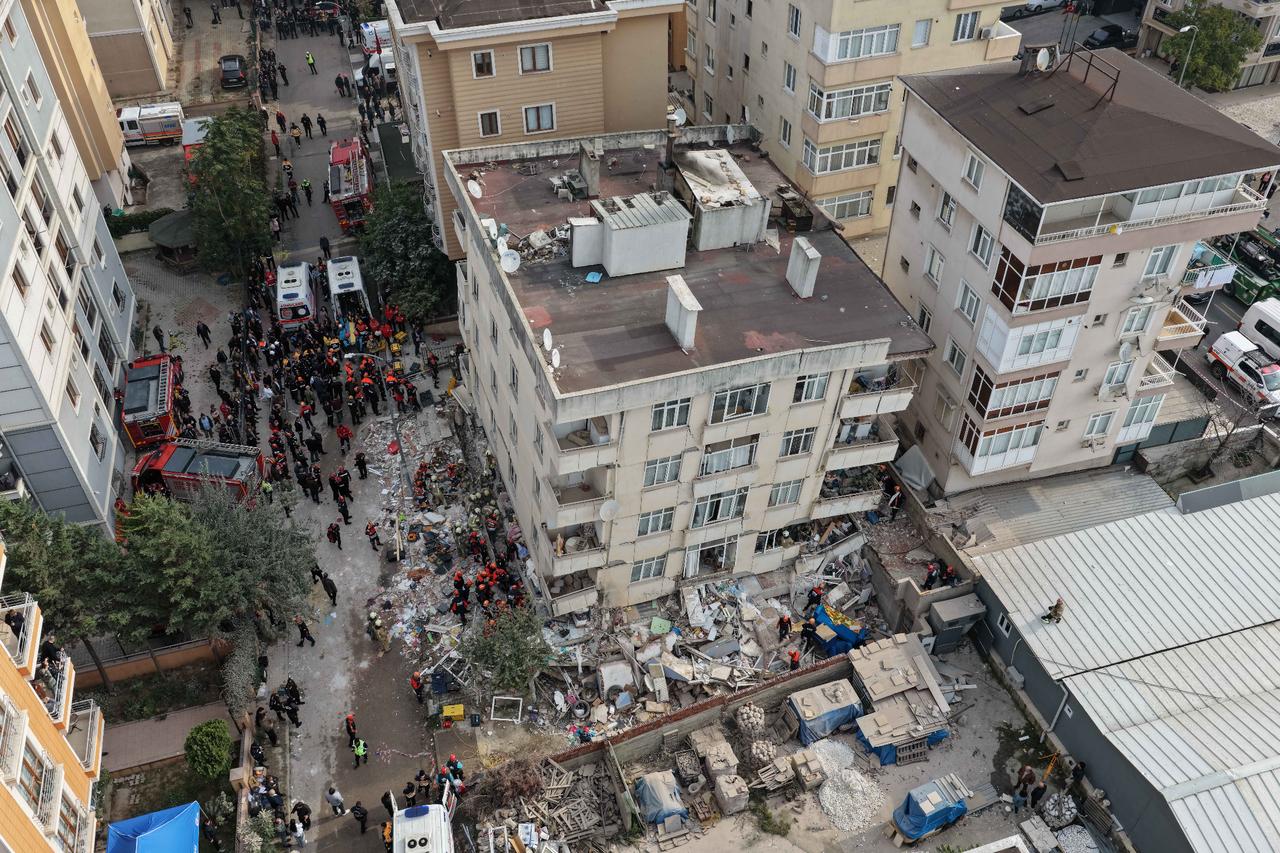


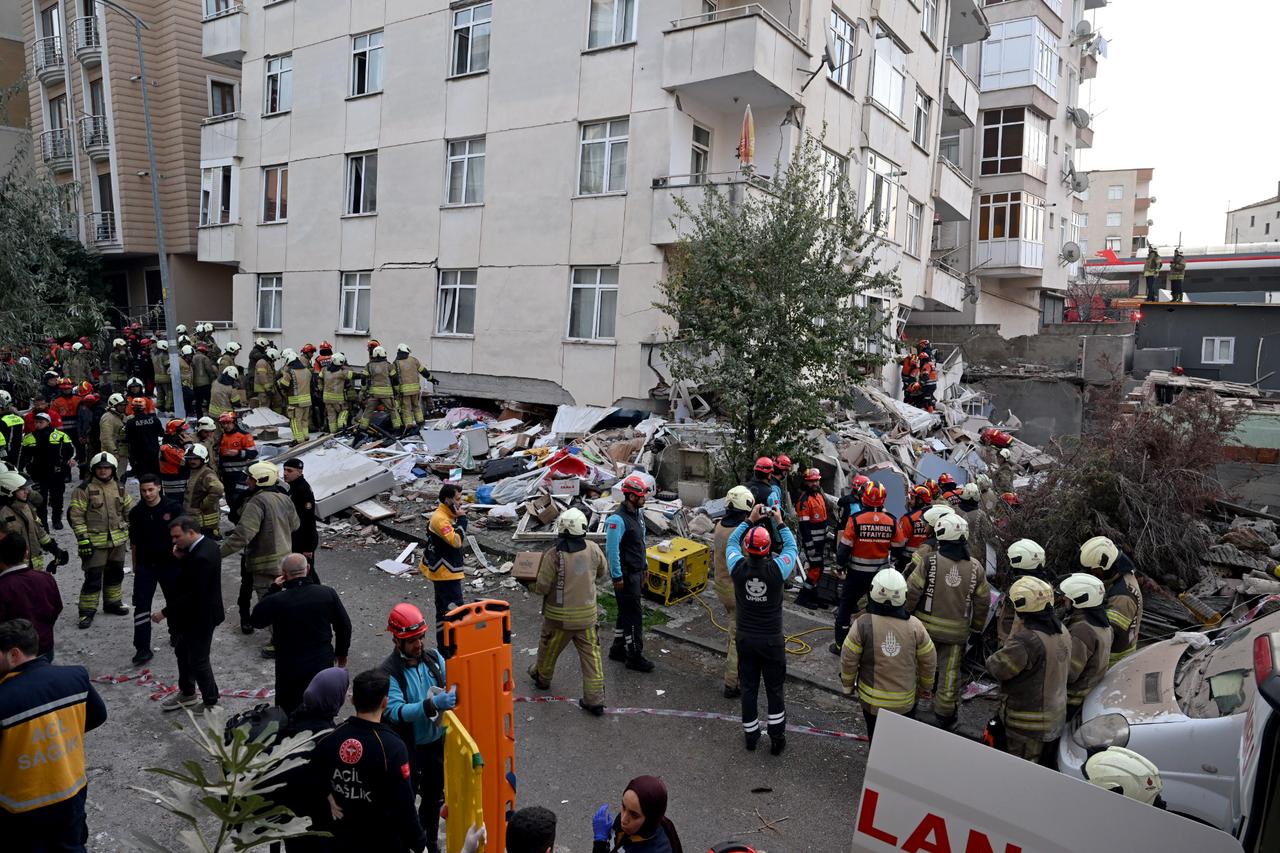
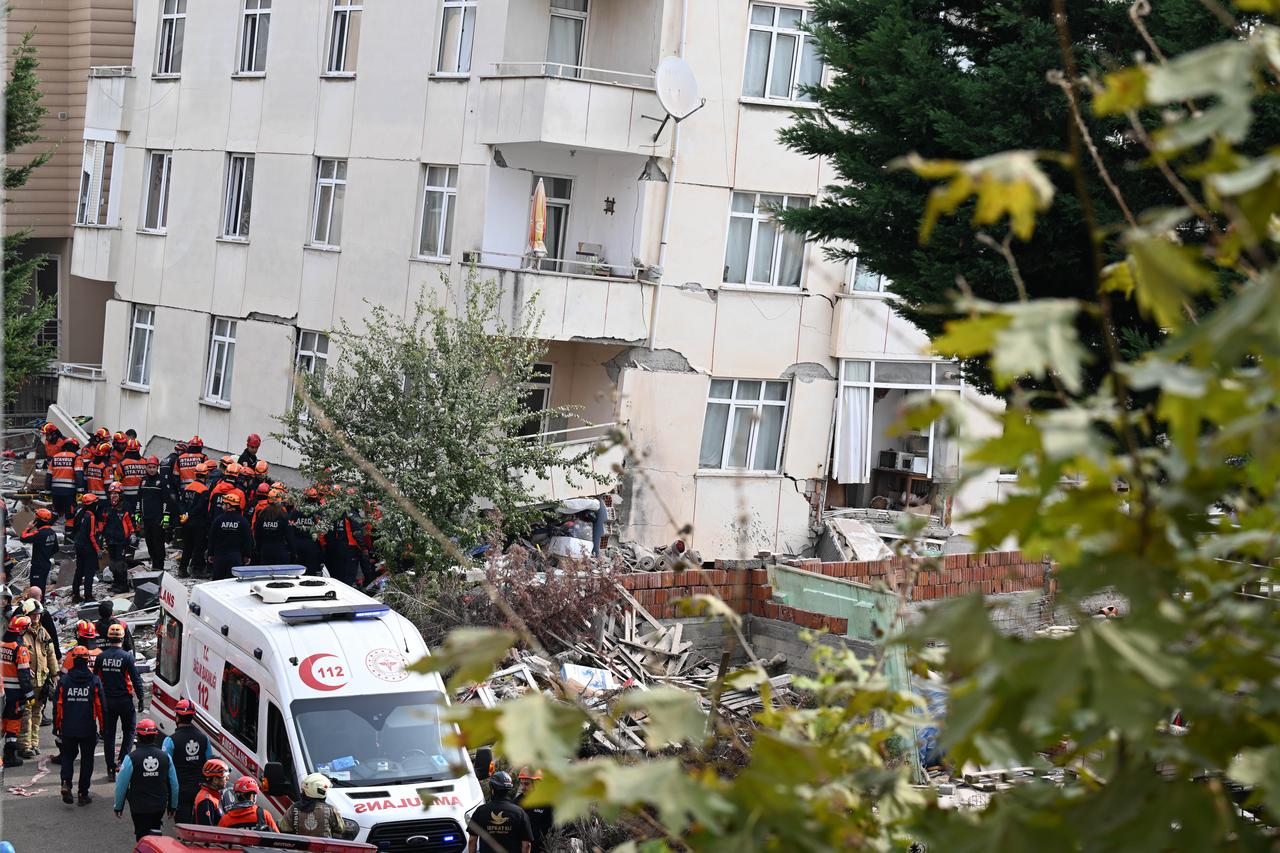
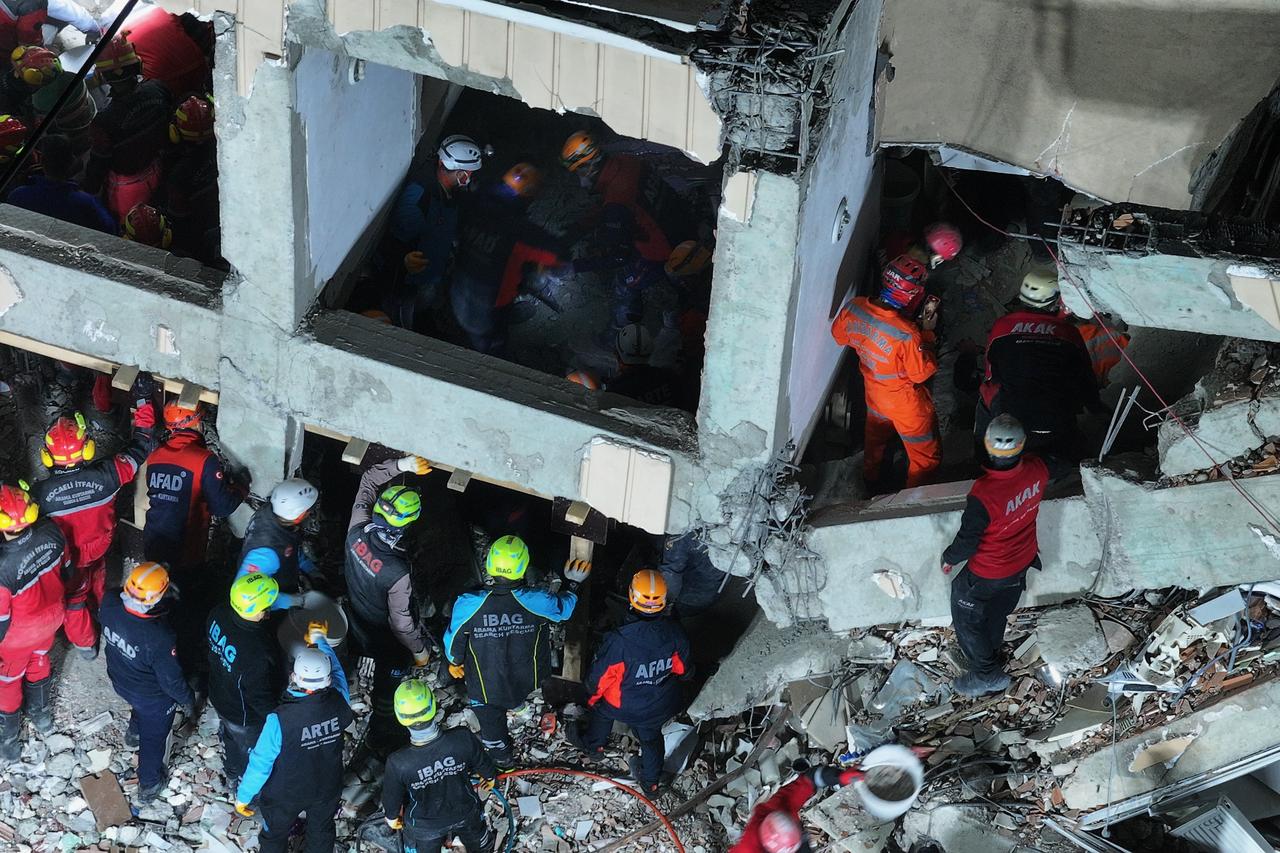
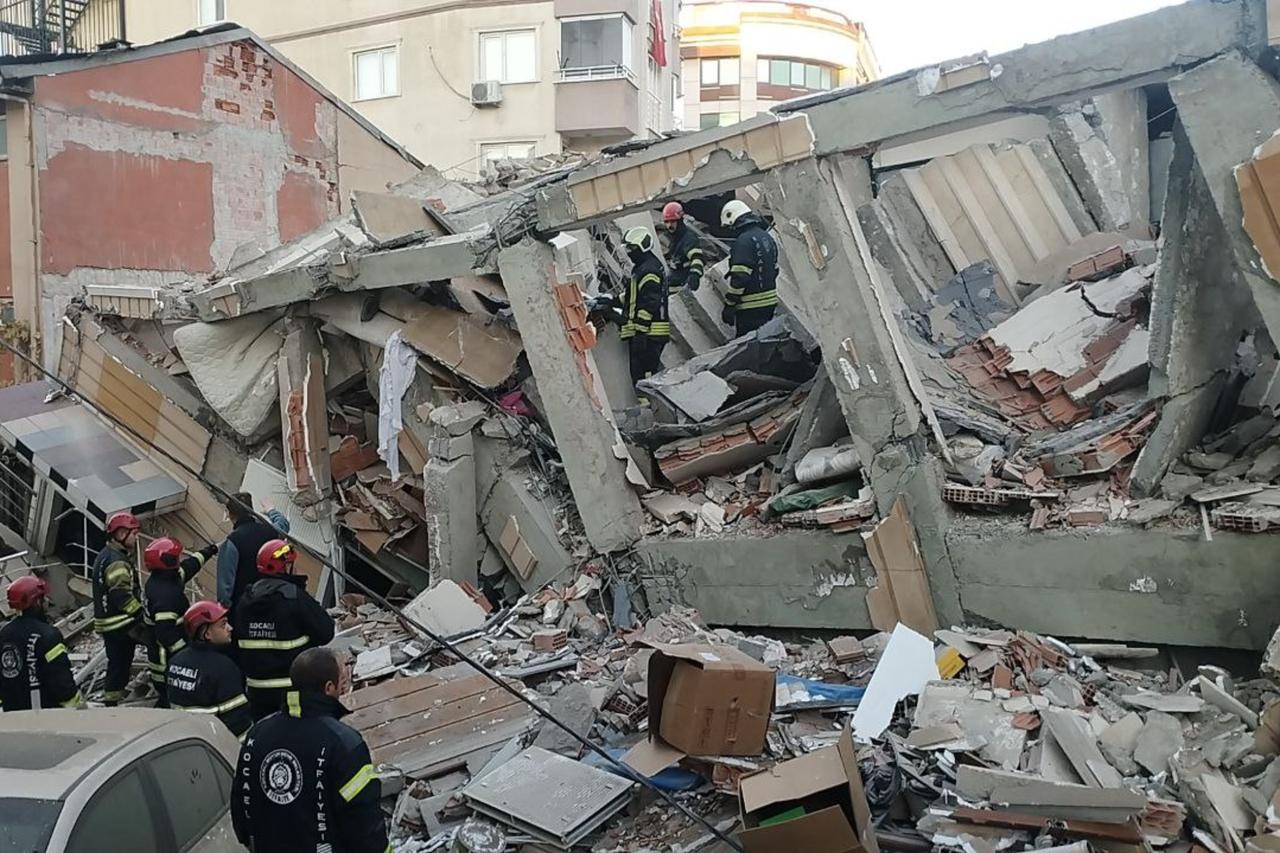
Municipal data show that 1,238 buildings in Istanbul face the risk of collapsing on their own, a figure that has drawn renewed attention after the lower three floors of a seven-story building in the city's Maltepe district collapsed. The data come from the Istanbul Metropolitan Municipality (IBB).
At-risk buildings are concentrated mainly in Avcilar, Zeytinburnu, Bagcilar and Bahcelievler. A building collapse in Bahcelievler in August had already sparked fresh debate over building safety in the city.

Demand for building safety checks rose sharply after the Feb. 6, 2023 earthquakes centered in Kahramanmaras, but interest in the IBB's rapid screening tests has since faded. Daily applications, which ran into the thousands immediately after the quakes, have reportedly dropped to about 500.
IBB figures released earlier show that around 170,000 applications were submitted for the tests and that 40,000 buildings have been inspected. Among the tested buildings constructed before 1999, 18,800 were identified as being at high or very high risk.
Murat Yun, head of the IBB's Earthquake Risk Management Department, told broadcaster NTV that the urban transformation process (the program of strengthening or rebuilding unsafe buildings), which began with the rapid screening work, has moved about 100,000 people into safe housing.
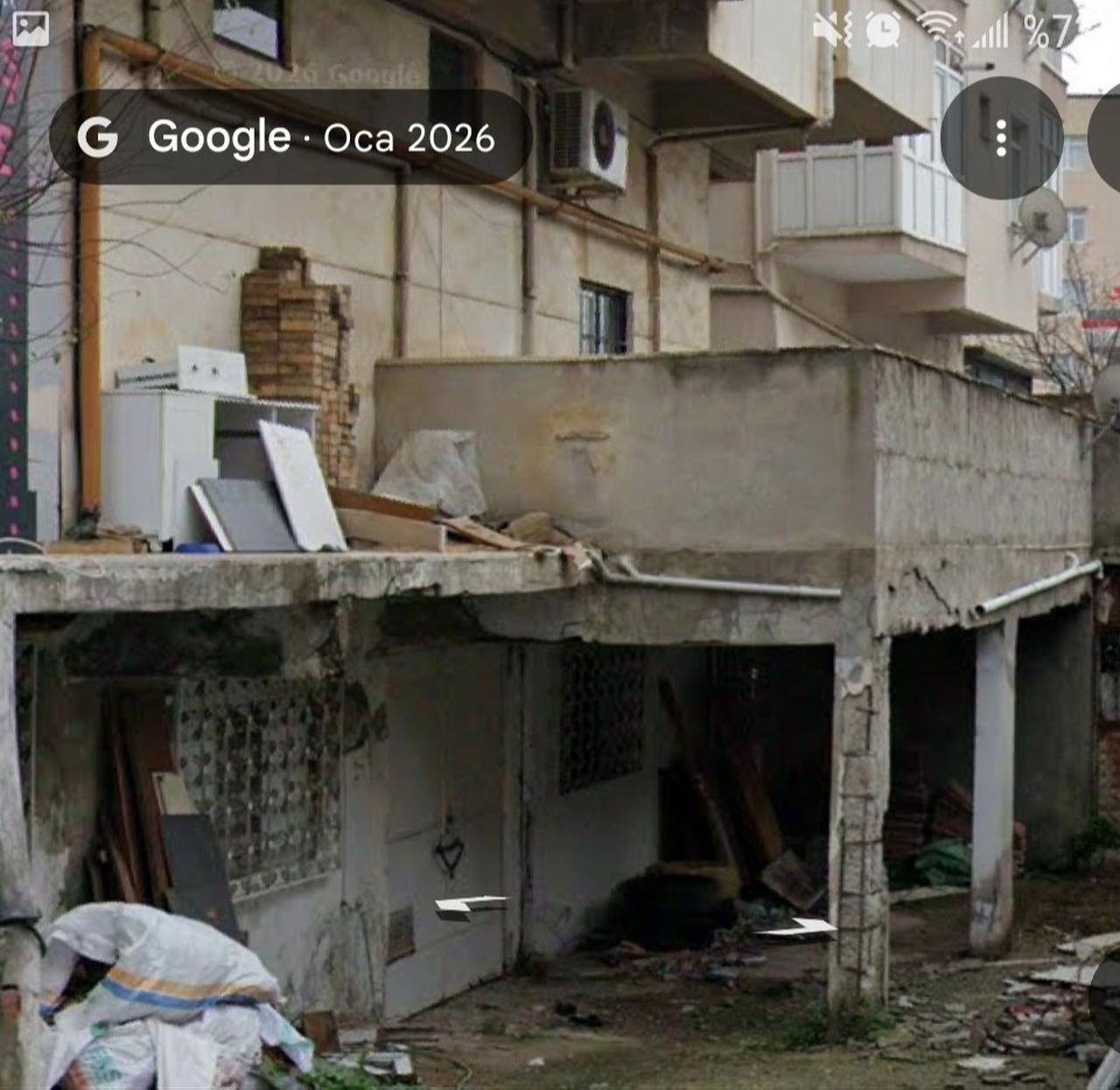
The rapid screening test assesses a building's earthquake risk by examining the quality of its concrete and steel and checking whether it was built according to its original design. The data is then run through software to produce a preliminary evaluation of the building's earthquake safety.
Yun outlined the procedure: "First, we come and look at the building's steel, concrete, and quality, and whether it was built according to its plan. We check the earthquake safety ratio with software. If the building is among our priority buildings, meaning it falls under high-risk or risky buildings, we quickly inform the citizen."
 2 min read
The test offers only a preliminary assessment and does not replace a legally binding at-risk building determination. Depending on the results, more detailed inspections and urban transformation procedures can be launched.


 Set as preferred source
 Set as preferred source


 1 min read