Newsletters


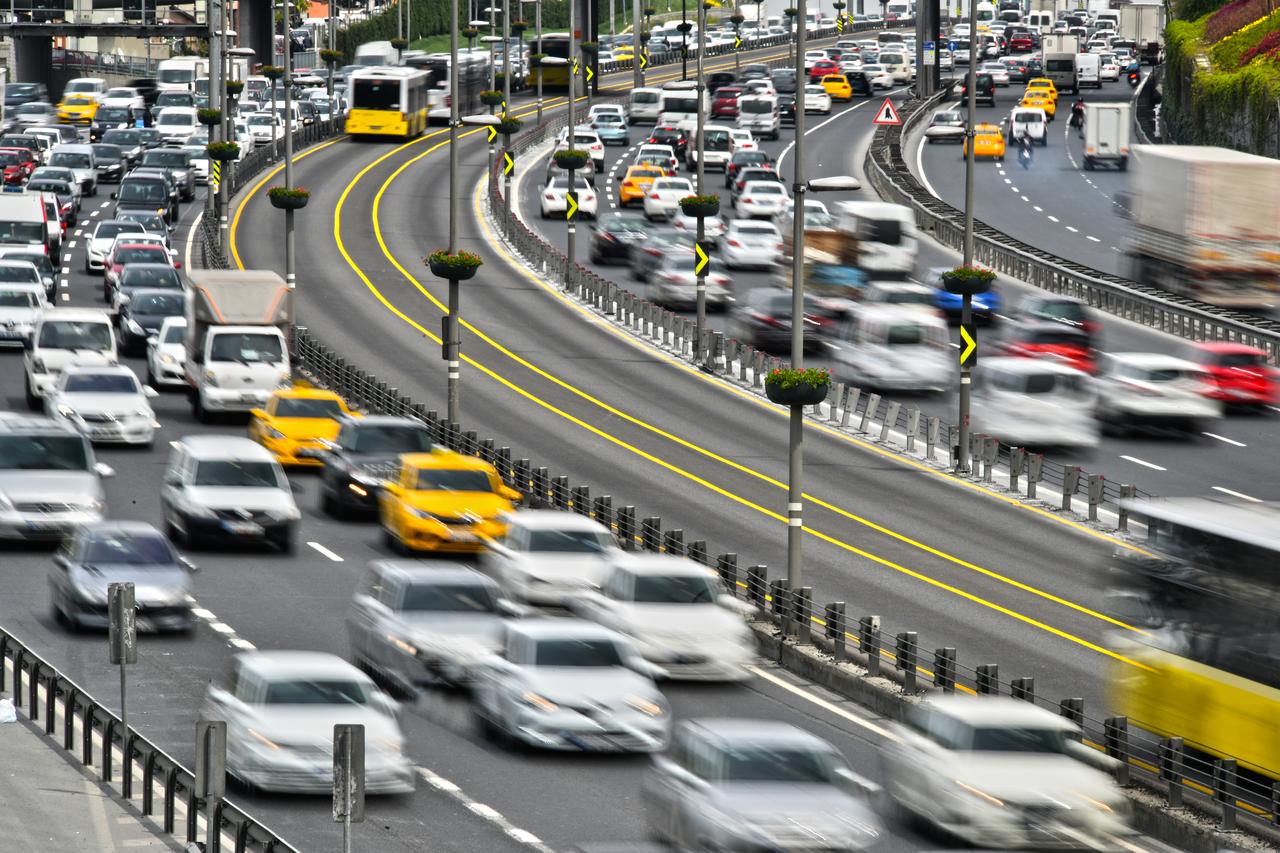


Istanbul has once again claimed the title of the world’s most congested city, according to the 2025 INRIX Global Traffic Scorecard, which analyzed traffic patterns in over 900 cities across 36 countries. On average, drivers in Istanbul spend 118 hours annually in traffic, marking a 12 percent increase compared to 2024.
Following Istanbul, Chicago ranks as the second-most congested city globally, with drivers losing 112 hours annually, while Mexico City comes in third at 108 hours. In Europe, Dublin has replaced London as the city with the highest congestion, signaling a shift in traffic patterns across the continent.
INRIX transportation analyst Bob Pishue cited rapid urbanization and Istanbul’s population exceeding 16 million as primary contributors to the city’s traffic challenges. Pishue emphasized the city’s unique geography, spanning two continents and surrounded by waterways, which naturally complicates traffic flow.
He noted that short-term measures, such as traffic light optimization and smart parking systems, are insufficient and stressed the need for long-term infrastructure investments, including increasing road capacity and resolving critical bottlenecks.
Prof. Selim Dundar of Istanbul Okan University also pointed to driver behavior as a significant contributor to traffic congestion. He noted that double parking, red-light violations, and wrong-way driving are common infractions that particularly worsen congestion during peak hours.
According to Dundar, addressing these behaviors through stricter traffic enforcement, alongside infrastructure improvements, is key to easing traffic flow. He suggested that Istanbul could adapt strategies from other major cities, such as congestion charges, investment in public transportation and the expansion of bicycle lanes, as seen in London.


 Set as preferred source
 Set as preferred source


 1 min read
 1 min read