Sign in
 Newsletters


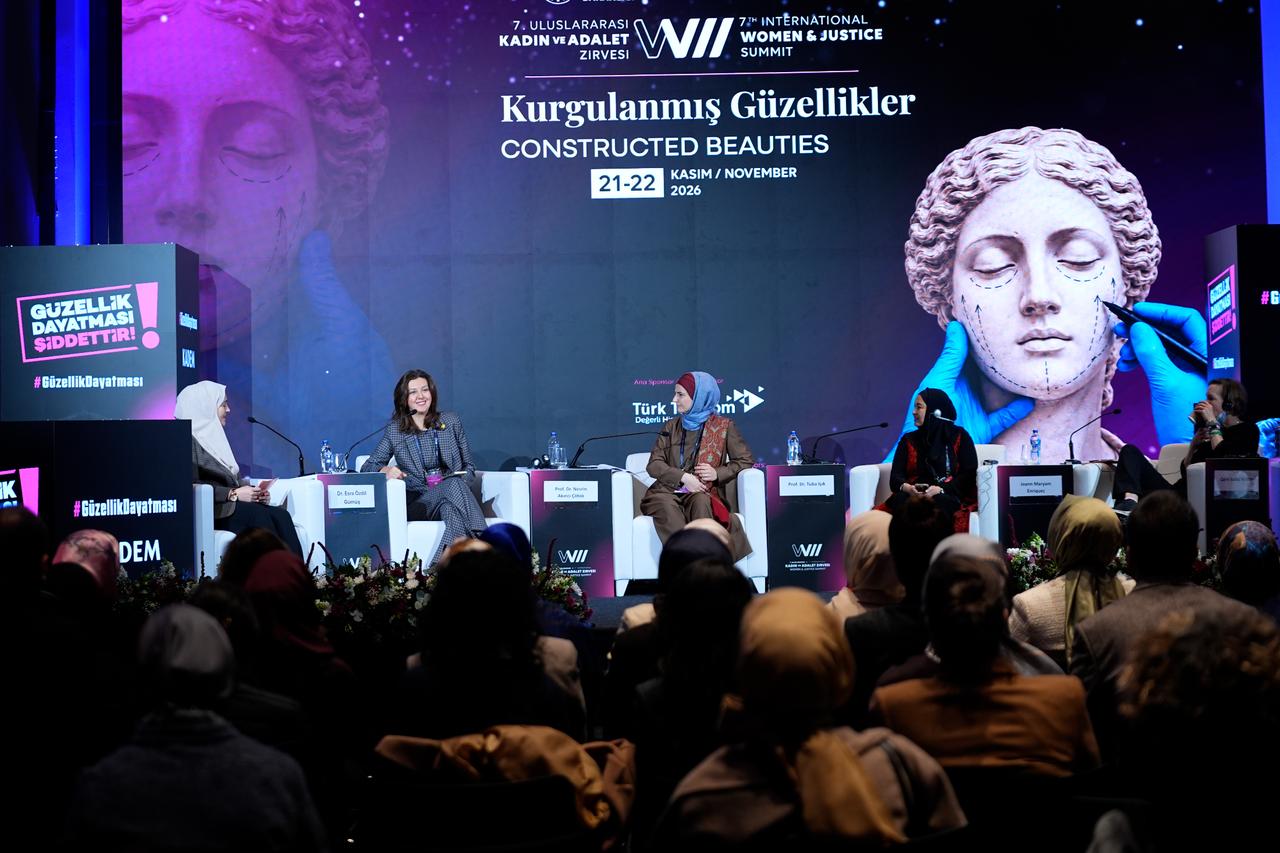


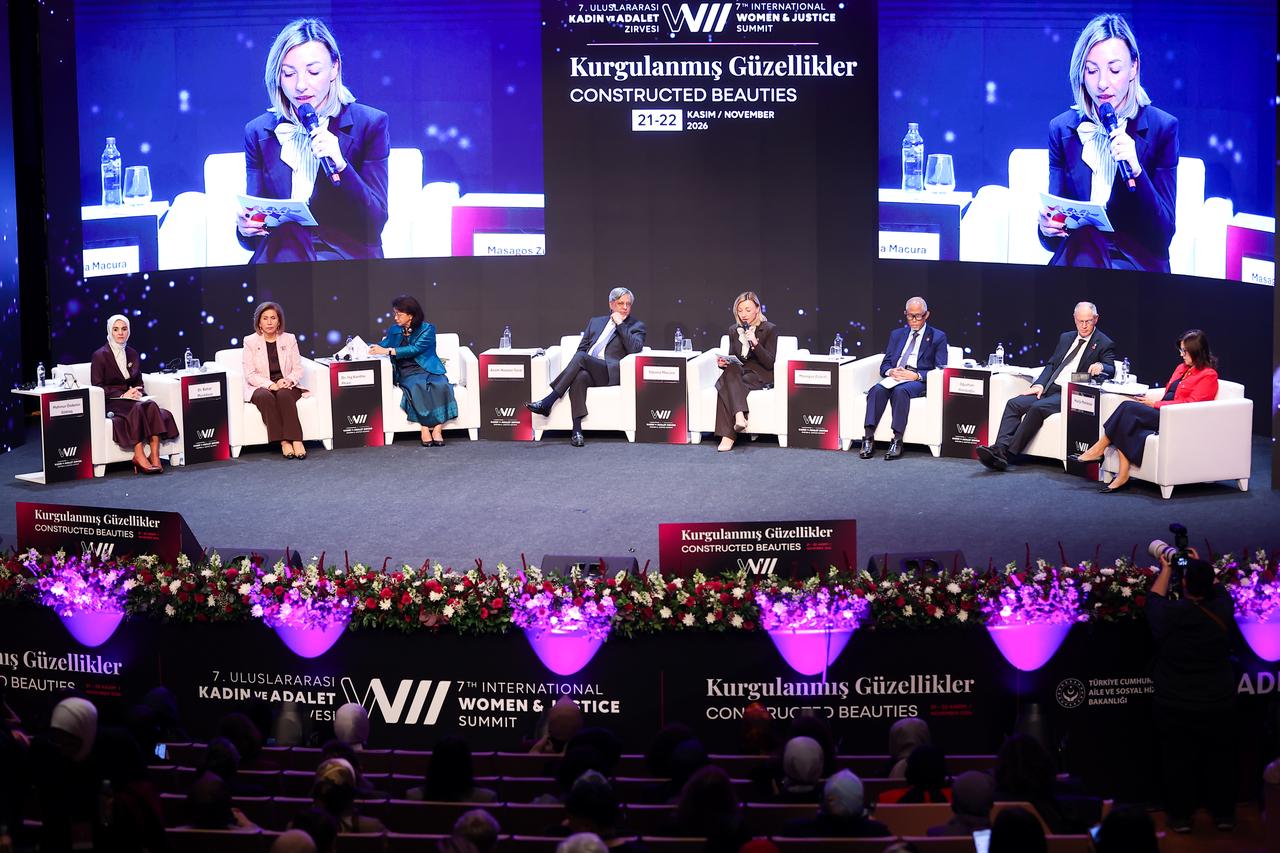
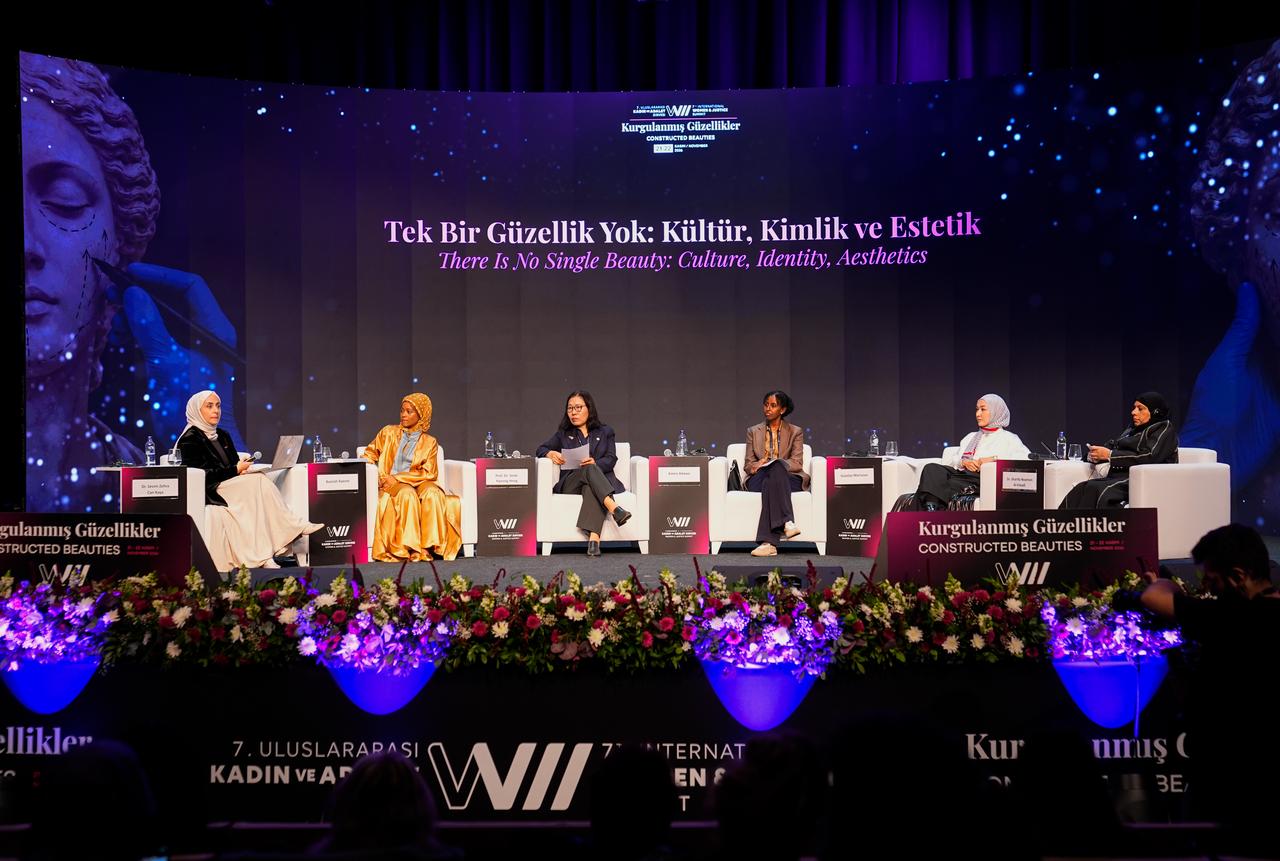
The 7th International Women and Justice Summit in Istanbul ended on Nov. 22 with a closing declaration that treats pressure on women to meet beauty standards as a matter of justice.
The two-day event, titled "Constructed Beauties" (Kurgulanmis Guzellikler), was organized by the Women and Democracy Foundation (KADEM) in cooperation with Türkiye's Ministry of Family and Social Services. It took place at the Ataturk Cultural Center (AKM). Policymakers, academics, experts, media and civil society representatives examined how judging women by their looks affects access to rights and opportunities.
Dr. Betul Ozel Cicek, KADEM's deputy general manager for strategic development, read the declaration. She said the term refers to beauty patterns produced through media, the market, digital platforms and social expectations, and presented as nearly the only valid models even as they change.
Cicek said the foundation does not aim to replace one beauty ideal with another. "Being found beautiful cannot be a precondition for respect, success or access to any right," she said, adding that women's choices about their appearance, including decisions not to change it, should be respected equally.
The declaration describes evaluating women by appearance rather than professional qualifications as discrimination that undermines equal opportunity. It says bias based on age, physical features, clothing and looks in hiring, promotion and public life should not be normalized.
KADEM invited employers to drop appearance requirements unrelated to qualifications and called for procedures to identify and remedy violations.

The declaration says filters, retouching and AI-generated images increasingly shape perceptions of how a face should look. It calls for transparency about misleading uses and for measures to stop algorithms from reproducing bias based on age, skin color and physical features.
It asks advertisers, content creators and digital platforms to clearly disclose digital alterations that promote unrealistic beauty standards and to protect users, particularly children and young people. It also calls for effective legal protection against manipulated images produced or circulated without a woman's knowledge or consent.
The declaration says women pay for beauty expectations with their time, money and labor. It requests research on the effect on women's finances and working lives, and asks that gender-based pricing for similar products and services be assessed under consumer rights and economic justice.
It also calls for attention to employees' health and working conditions in the cosmetics and aesthetic sectors, and says marketing should not exploit feelings of inadequacy.
On education, the declaration backs stronger media literacy, access to psychosocial support and more measures against appearance-based bullying in schools. It says adolescence, menstruation, pregnancy, the postpartum period, menopause and aging are natural parts of women's lives rather than problems to be corrected.
Cicek closed by noting that the summit opened with the question of who decides how women should look. "Every woman is dignified and valuable first because she is human," she said.
KADEM also presented a campaign titled "Beauty imposition is violence" (Guzellik Dayatmasi Siddettir) ahead of Nov. 25, the International Day for the Elimination of Violence against Women. KADEM Board Chair Canan Sari said ridiculing women over weight, making them feel worthless because of age or constantly criticizing their looks should be treated as psychological violence.
The campaign's public service announcement follows a "beauty scan" of women at home, at work and at school. It carries the hashtag #GuzellikDayatmasi.
The summit opened on Nov. 21 with 27 speakers from 14 countries. A leaders' session chaired by Family and Social Services Minister Mahinur Ozdemir Goktas included officials from Azerbaijan, Cambodia, Pakistan, Serbia, Singapore, the Turkish Republic of Northern Cyprus and Croatia.
KADEM has held six previous summits since 2014, bringing together 8,050 participants and 220 speakers from 62 countries.


 Set as preferred source
 Set as preferred source



 2 min read