Sign in
 Newsletters




The plot is 540 square meters (5,813 square feet), a little more than an eighth of an acre, in Silivri on Istanbul’s western edge.
Dogan Akin bought it years ago in installments, back when he worked at a newspaper, through a housing cooperative his colleagues had set up.
He never built on it. The plan was to sell it one day, add a little money and buy a house on Gokceada, an island in the Aegean, where the people who work for him could go to rest.
On Monday, he announced that the plot is for sale. The money will not be going to an island.
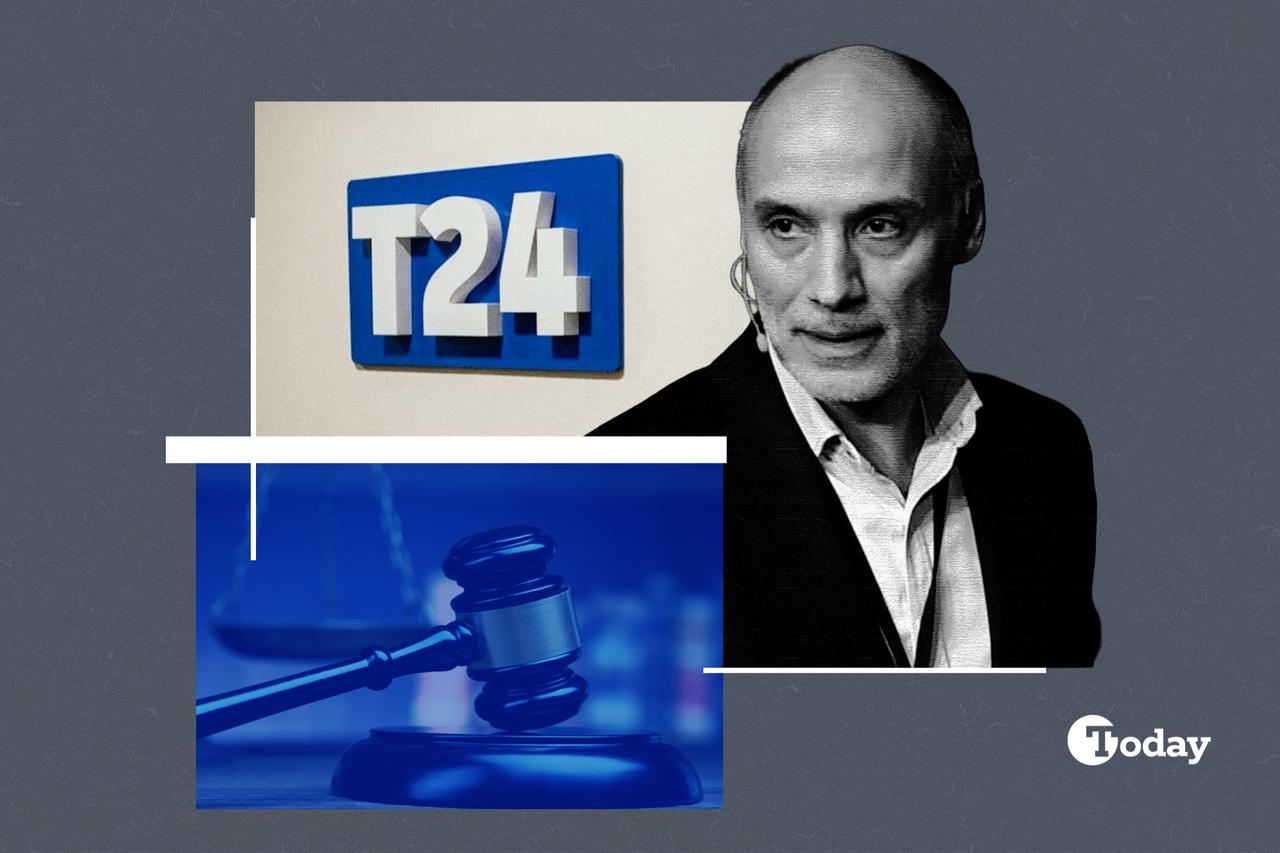
Akin is the editor-in-chief of T24, an independent Turkish news site that has been publishing since 2009. For 48 days, readers in Türkiye have been unable to open it.
The advertising that paid the salaries left with them. He broke the news of the sale in a column whose headline, translated, reads like a classified ad: “For sale by journalist, for journalism: bargain plot.”
Imagine typing in the address of a national news outlet and getting an error page, but only inside the country it covers. The newsroom still works, and the stories are still written, but in other countries. Abroad, the site loads as usual.
A news site’s income, though, is counted in visits. When the domestic audience vanishes, the advertisers follow.
Akin writes that the block has “flattened” the advertising budget, the outlet’s main source of income. Turkish daily Karar reports a second loss: The state’s Press Advertising Agency has also stopped distributing official notices.
The order, announced Sept. 30, came from an Istanbul criminal judgeship of peace, a single-judge court that rules on measures like this, at the request of prosecutors running an investigation called “Ailem Guvende” (My Family is Safe).
According to the Justice Ministry’s note, 118 items T24 published over the past year amounted to “LGBT propaganda.” The block covers the entire site and its social media accounts, not only those items.
T24 rejects the allegation. Akin calls it a “so-called accusation” with no legal basis. The outlet also says it took the flagged content down and notified the authorities, but the block remained in place.
Its objection went to a second judge of the same kind, who turned it down. That left the Constitutional Court, where anyone in Türkiye can file an individual application arguing that their rights have been violated.
It is the last door inside the country. T24 has asked the court to suspend the block first and then rule on the case itself.
It is still waiting.
Akin’s column does not describe a balance sheet. It describes his colleagues asking whether anyone has a coffee grinder at home, because there are beans in the office and nothing to grind them with. Then an ice bucket. Then a toolbox, a toaster. Each request, he writes, leaves him melancholy.
By his account, the same newsroom collected 12 journalism awards this year, a record for the outlet. He also cites a Stanford University study, published in June, which he says found that artificial intelligence platforms turn to T24 first when checking facts in Turkish. And he says that in 17 years T24 has not taken money from any person, company, fund, state body or municipality.
That last point matters to him because of a claim that has followed the outlet online for years: that it runs on foreign funding. His reply is dry. The staff, he writes, has been looking for those funds since 2009 and still cannot find them. The till is empty.
He opens with a Turkish saying: once a debt passes a thousand, it becomes a credit. English speakers know the banker’s version. Owe the bank a little, and it is your problem. Owe it enough, and it becomes the bank’s.
Akin applies the saying to the courts. In his view, so many rulings have gone unimplemented that the debt owed to the Constitution has passed to everyone else, and the public is the one paying it. It is an editor’s argument, made by a man with a direct stake in the outcome. It is also the reason he sells the only thing he has to sell.
He has a precedent in mind. When Twitter was blocked in Türkiye in 2014, applications reached the Constitutional Court on March 24 and 25, and by April 2 it had ruled that shutting off the whole platform violated freedom of expression. Akin counts that as 10 days. He is asking for the same pace.
It is said that justice delayed is justice denied. He says the outlet needs the ruling in order to survive, and wants to see the outcome before it disappears.
He insists the dream behind the land is intact. The plot, he writes, was “only a tool” for it. “We will do it again.”
But the column does not end on the dream. It ends on the calendar. September went, he notes, and October followed. His last line hopes November will not go the same way.
As of Monday, the plot is on the market, the court has not ruled, and November is half over.


 Set as preferred source
 Set as preferred source


 2 min read