Newsletters


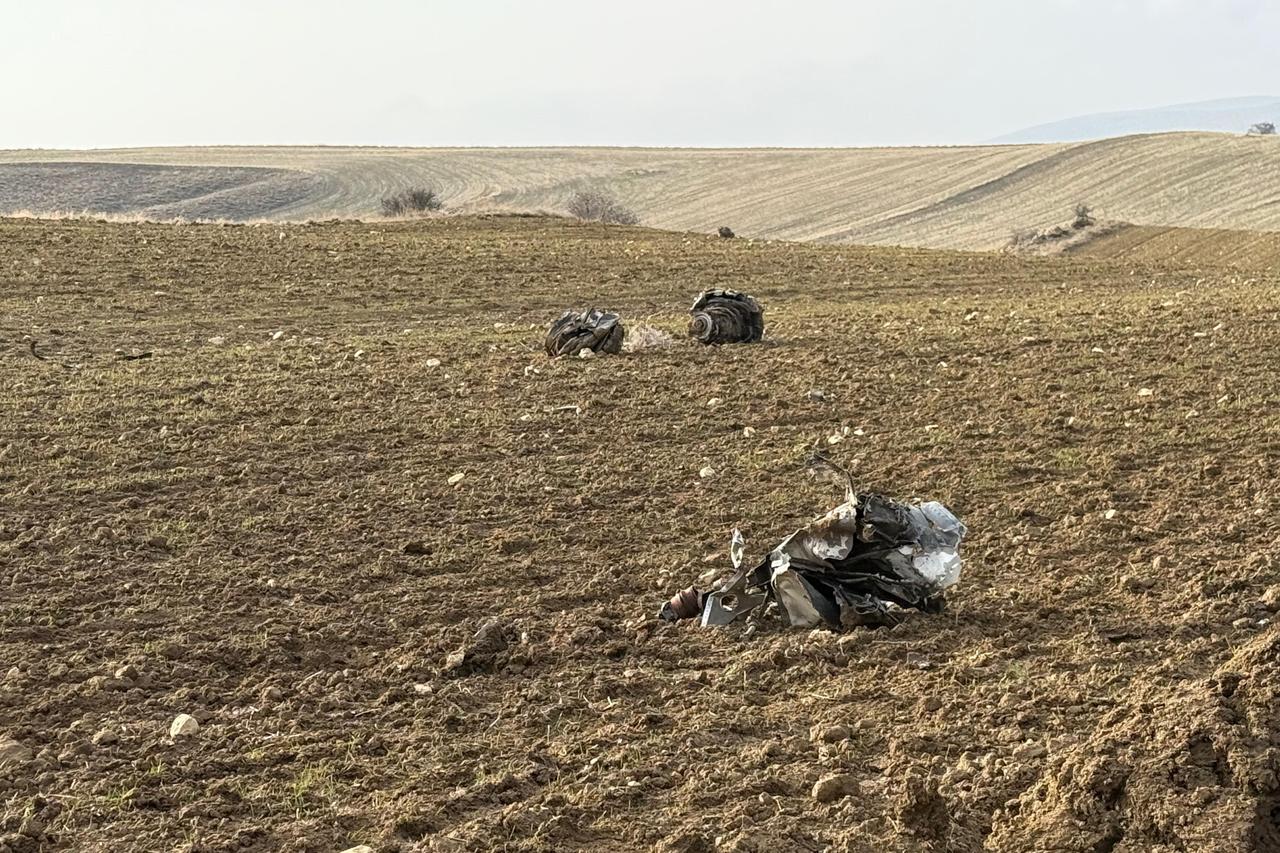


A preliminary accident investigation report found that the private jet carrying Libya's military chief crashed into a hillside near Ankara with both engines operational and the aircraft structurally intact, contradicting earlier speculation of an in-flight explosion.
The Dassault Falcon 50 aircraft, tail number 9H-DFS, struck a hilltop at 1,252 meters altitude on Dec. 23 near Haymana district, killing all eight people on board, according to the report filed with Ankara's chief public prosecutor.
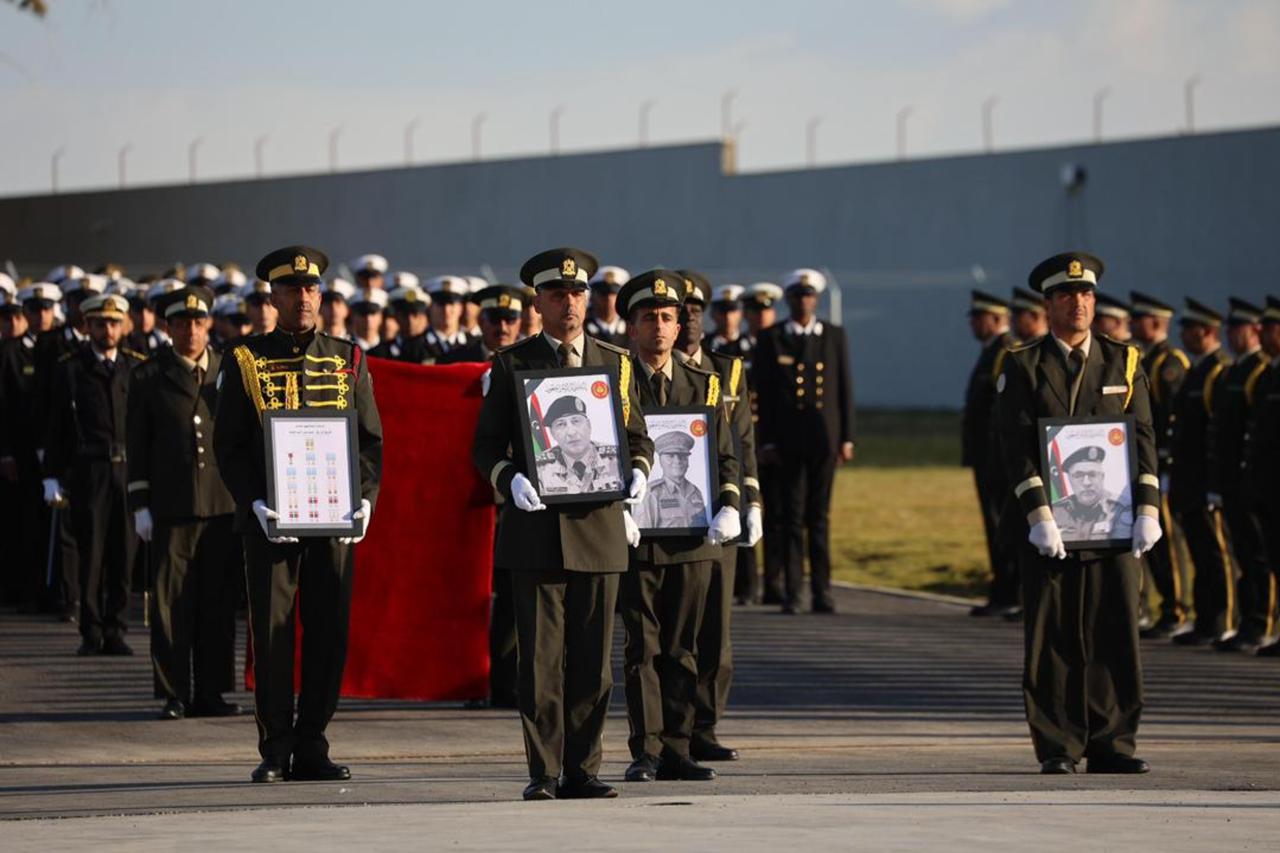
On board was Lieutenant General Mohammed al-Haddad, head of Libya's armed forces, along with four military aides and three crew members.
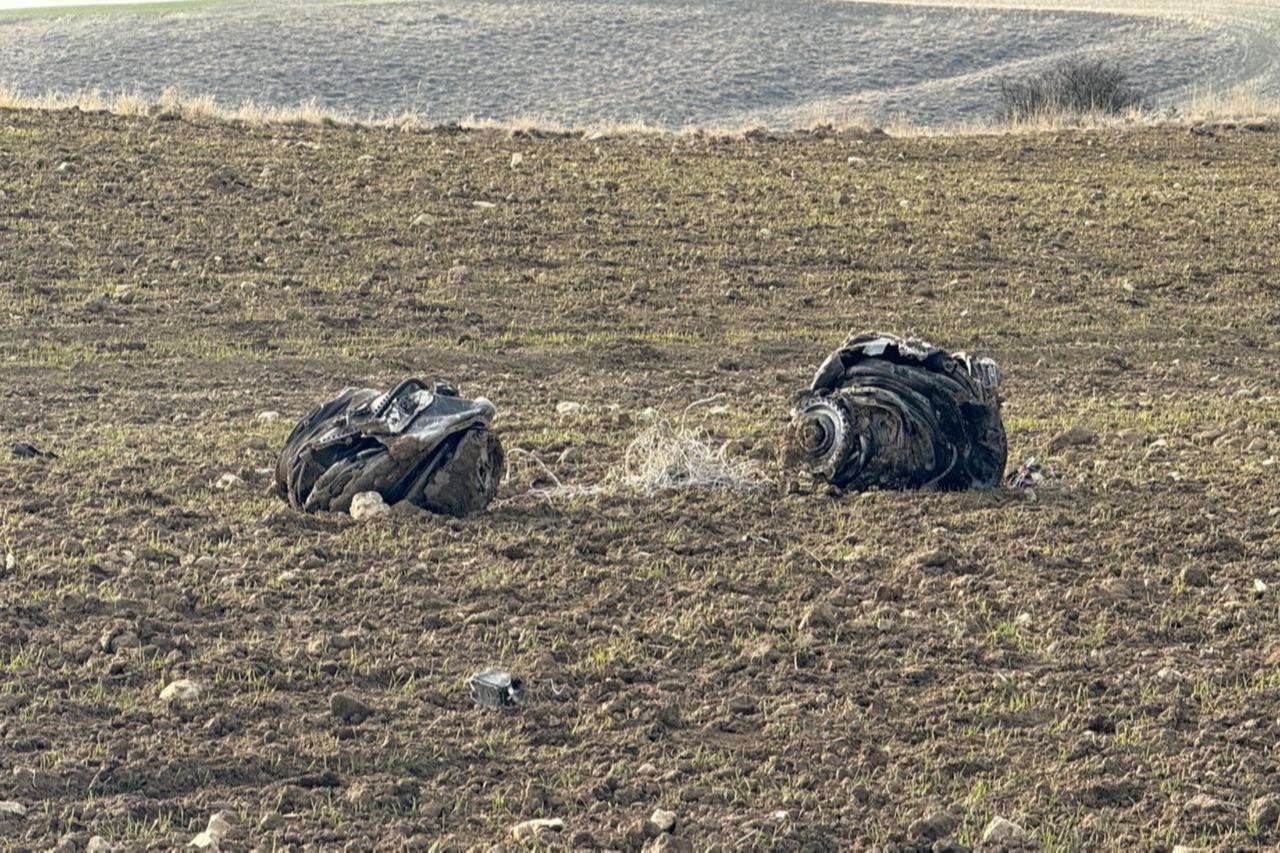

The report stated that the aircraft "crashed into a hilltop at an altitude of 1,252 meters, with its engines running at high speed, while maintaining its integrity."
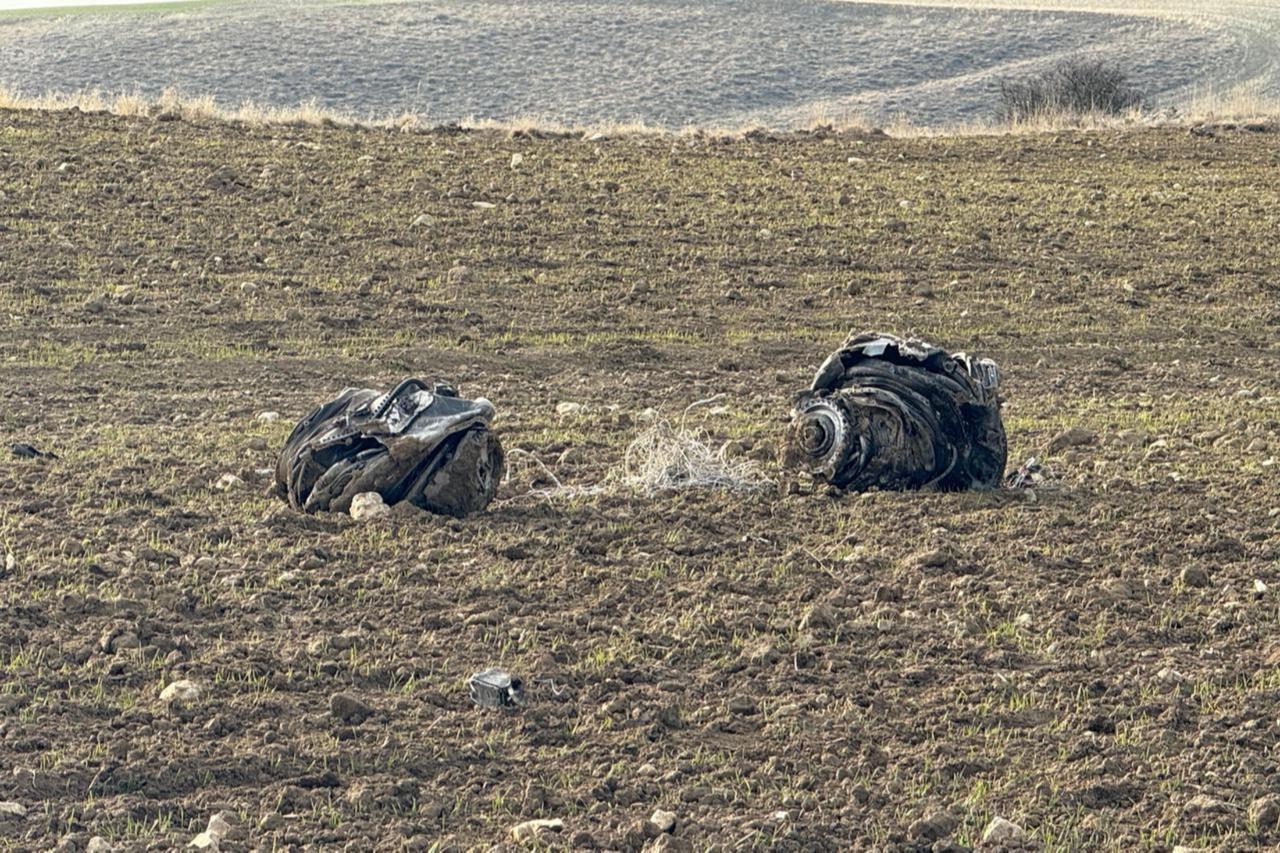
Investigators found the engines "operational at the time of the crash." The impact generated "such high kinetic energy that the rocky terrain could not absorb it," causing the aircraft to disintegrate and scatter wreckage over approximately 150,000 square meters.
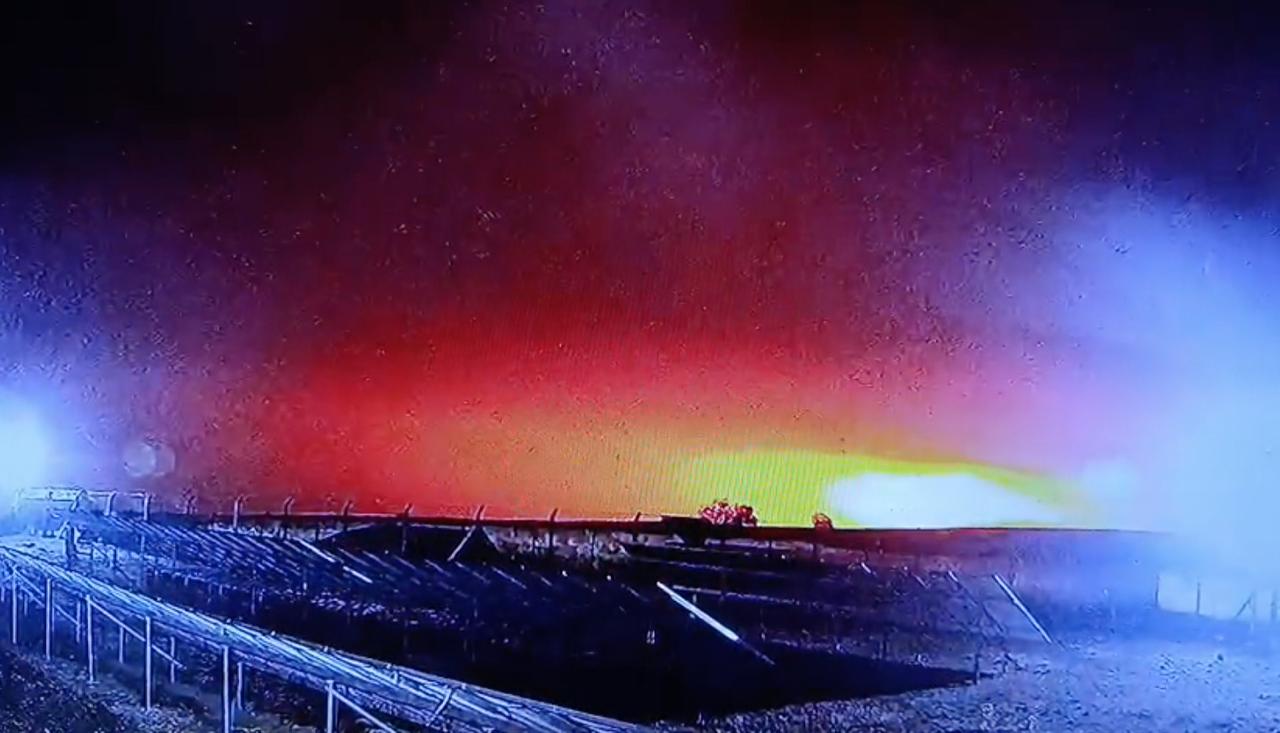
The report noted a brief flash at the moment of impact but found no evidence of fire inside the aircraft, undercutting earlier media reports of an explosion.
Turkish media outlets had broadcast footage showing the sky lit up by an explosion, and locals reported hearing a loud blast "like a bomb."
According to the report, the aircraft departed Esenboga Airport at 8:17 p.m. At 8:33 p.m., the pilot declared an emergency to air traffic control, citing an electrical failure and requesting an emergency landing.
The aircraft began descending for an emergency landing at 8:33 p.m. At 8:36 p.m., the plane disappeared from radar screens and all contact was lost.
The Falcon 50 had undergone maintenance from Dec. 1 to 9, with the operator issuing a maintenance release certificate before the flight.
The preliminary report provides initial technical data on the crash but does not draw a definitive conclusion on the cause. A comprehensive final accident investigation report is expected after further technical examinations and analysis of the flight recorder data.
Turkish officials have said they believe an electrical failure caused the plane to crash shortly after takeoff.
The aircraft's black box was recovered a day after the crash and sent to London for analysis of flight data and voice recordings.
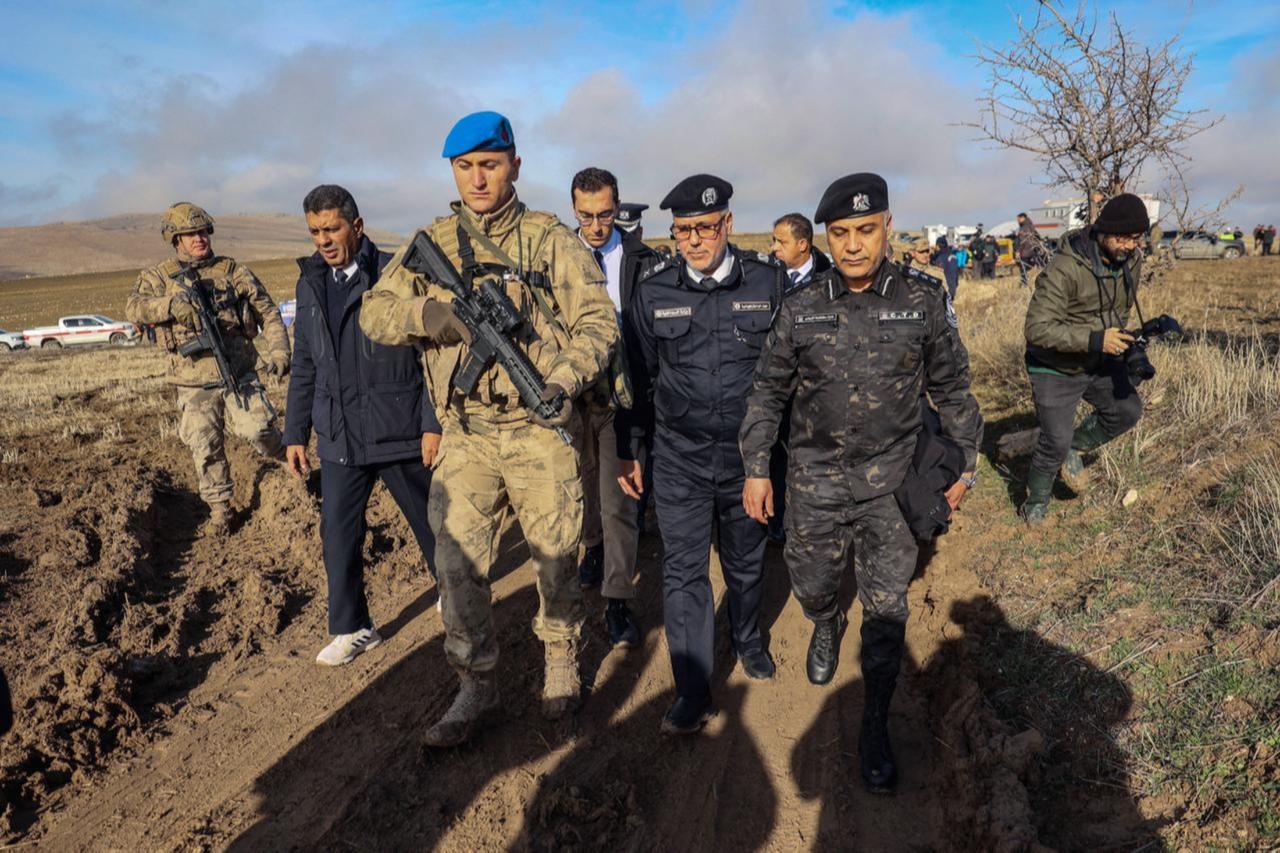
The Ankara chief public prosecutor's office assigned four prosecutors under the coordination of a deputy prosecutor to investigate the crash. A security perimeter was established at the crash site, with aircraft wreckage and the flight data recorder secured as evidence.


 Set as preferred source
 Set as preferred source


 1 min read
 1 min read