Newsletters





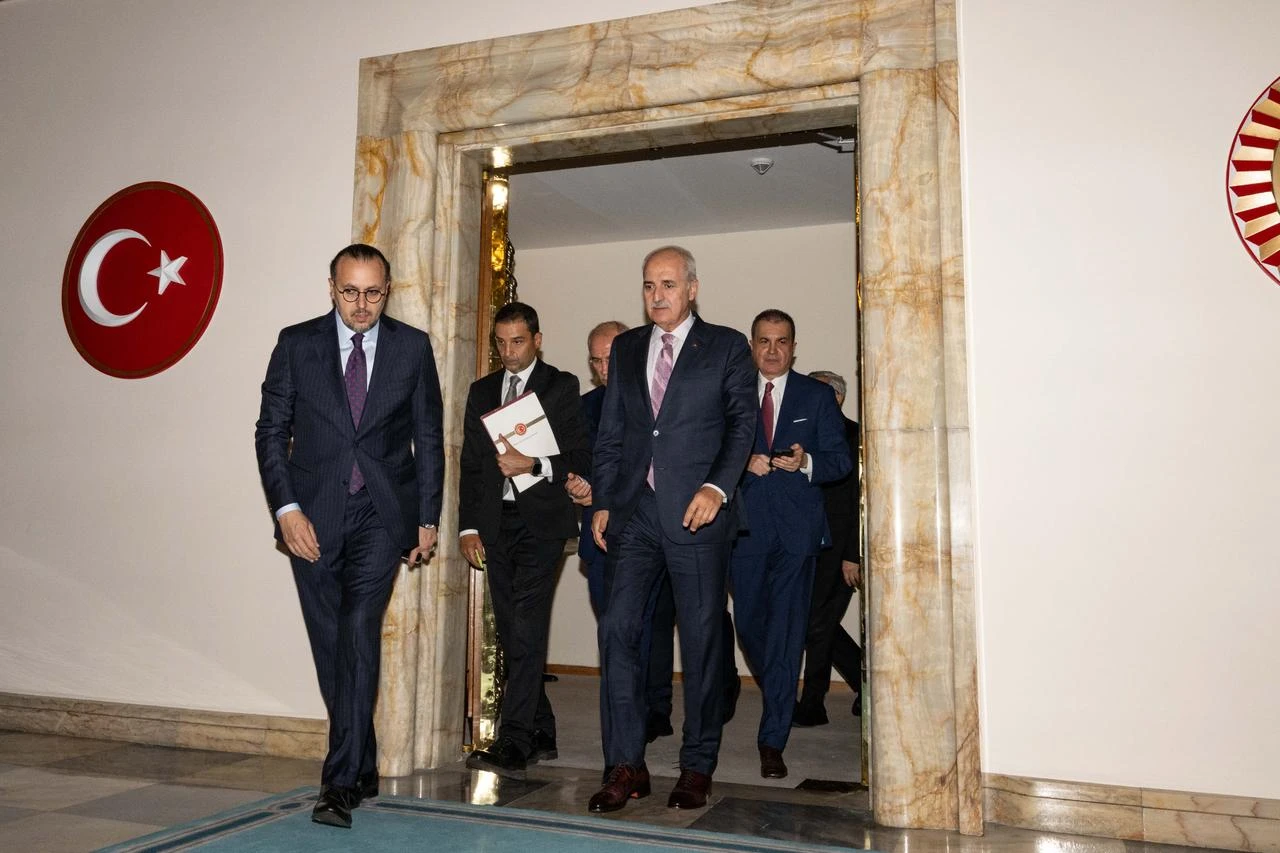
Haberturk TV’s editor-in-chief, Mehmet Akif Ersoy, was arrested this week in Istanbul as part of a drug investigation that now includes allegations of coercion, abuse of power and sexual harassment inside one of Türkiye’s major broadcasters.
Haberturk TV is one of Türkiye’s largest private news channels with a national audience across television and digital platforms.
The case widened after former Haberturk anchor Nur Kosker came forward with detailed accusations about her traumatizing experience at the channel.
He joined the channel in 2017 and became editor-in-chief in 2024. Ersoy had led Haberturk’s newsroom and presented its main evening bulletin.
His detention follows a broader operation that targeted Can Holding and several media, finance and education companies in September 2025.


Istanbul prosecutors issued detention orders for eight suspects in a drug investigation.
The charges include buying, accepting, or possessing drugs for personal use and enabling drug use at private residences.
Gendarmerie officers detained four suspects, including Ersoy. Authorities stated that the remaining four individuals would undergo continued procedures.
The group was taken to the Forensic Medicine Institute for blood and toxicology tests. Prosecutors then requested the arrest of Ersoy and three others.
A court later ordered the detention of Ersoy, Ufuk Tetik, Mustafa Manaz, and Ebru Gulan. The other four suspects, identified as Dilara Yildiz, Elif Kilinc, Gizem Aybakti and Buse Oztay, were released under judicial control with travel bans.
Following the operation, Haberturk, which has been under the administration of the Savings Deposit Insurance Fund (TMSF), removed Ersoy from his position.
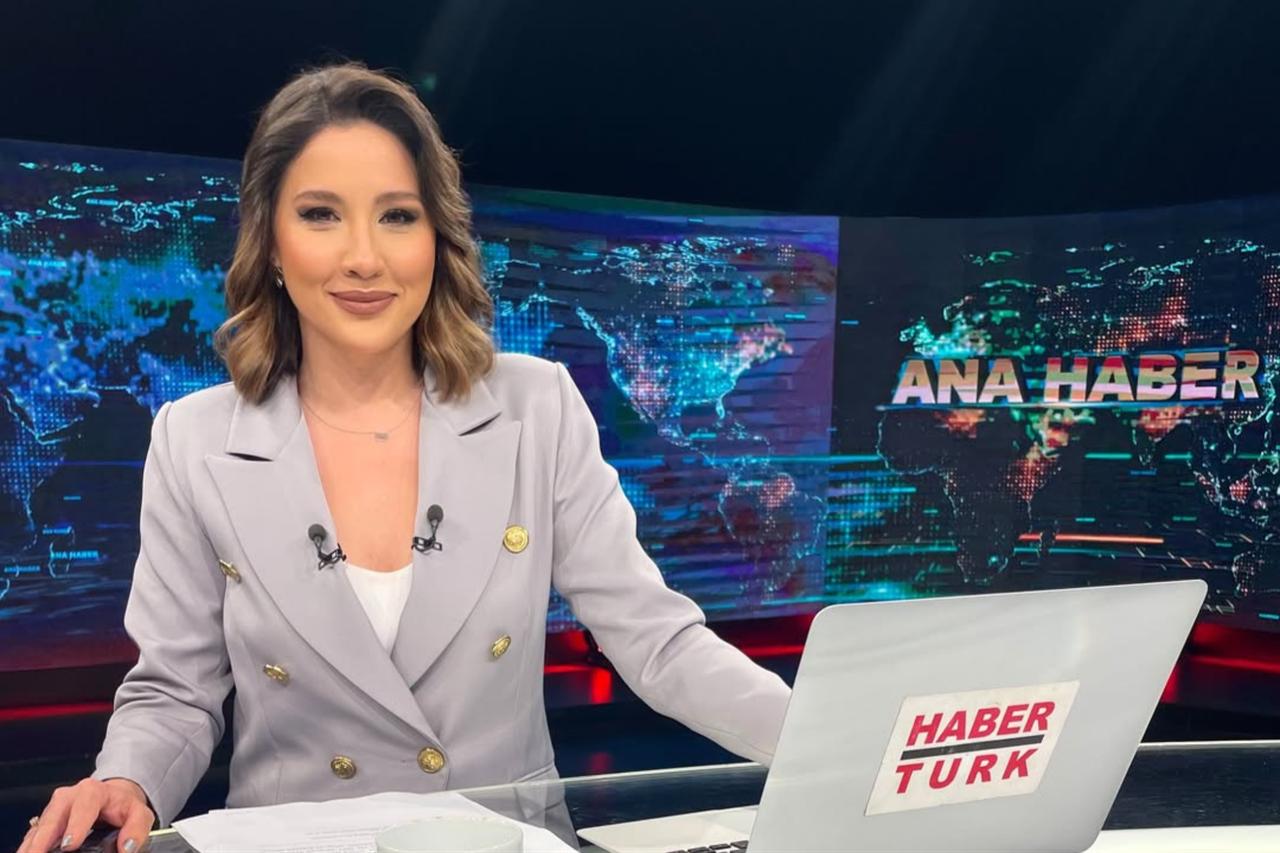
Former Haberturk anchor Nur Kosker accused Ersoy of harassment and abuse of power in a detailed statement she shared on social media.
She said she had stayed silent because she did not feel safe and wanted to protect her family and described Ersoy as “a dark and deep man who never faced consequences, no matter what he did.”
Nur Kosker also said she told colleagues she left the channel because she refused an editorial position, but the real reason only became known after the investigation became public. She also shared an early morning message she said came from Ersoy.
According to her, it read, “They hid your figure behind the desk. Tell the director to move you in front of the LED screen.” She said she felt shame writing about it even though, in her words, “he was not ashamed.”
Kosker said the pressure she described was not limited to one newsroom. She said that she and other female colleagues faced demands that affected their work and described a separate incident at another channel where a sponsor requested that she be replaced because she refused to join him for dinner.
Kosker said she became unemployed because she refused to be part of what she described as “an equation of drugs and perversion.”
With a career in broadcasting that began at 21, fluency in three languages, and two degrees from Bogazici University, she argued that her professional record did not protect her from repeated setbacks.
She linked those experiences to broader pressures inside the sector and said they influenced her decision to leave Türkiye, explaining that she no longer felt able to do her work within what she viewed as an ethical environment.
Documents cited in local coverage list additional allegations against Ersoy and other suspects.
The accusations include providing drugs to women at their residence, enabling sexual encounters involving multiple people, and gaining professional and financial benefits through these arrangements. Prosecutors stated that drug use allegedly took place inside the suspects’ homes.
The court ordered the detention of four suspects while releasing the others under judicial control. The investigation continues.
Kosker said her experience was not isolated and described pressure on women in broadcasting.
She said that she and other presenters faced demands and threats that affected their careers.
She also alleged that similar situations occurred at other channels and described sponsors' influence on on-air assignments.
Her statements have renewed debates about workplace standards, power imbalances, and safety for women in Türkiye’s media industry. The investigation into Ersoy remains ongoing, and more information is expected as prosecutors continue gathering evidence.

Anchor Nur Kosker’s account emerges only months after Türkiye’s arts and cultural world experienced its largest public reckoning with gendered violence.
In late August, more than one hundred women in film, music, photography, theater, and publishing shared testimonies that accused men of harassment, coercion, or assault.
Their statements described patterns that closely mirror what Kosker detailed inside the newsroom: pressure tied to career opportunities, late-night messages, coercive encounters in professional settings, and a long-standing expectation of silence in male-dominated workplaces.
The August wave began with a single disclosure and quickly expanded as others came forward with accounts involving minors, unwanted advances during auditions or meetings, and manipulation disguised as professional mentorship.
The scale of the disclosures pushed major institutions to respond, leading streaming platforms, film festivals, production companies and cultural organizations to cut ties with accused figures.
Survivor networks argued that the movement exposed how power dynamics and informal hierarchies had allowed misconduct to continue for years.
Kosker pointed to similar pressures in broadcast journalism, saying she and other female anchors faced demands and threats that shaped their employment conditions, including a case in which a program sponsor requested her replacement after she rejected a personal invitation.
Her statement aligns with the broader testimony shared in August, in which women said they came forward not only to reveal individual cases but also to expose systemic patterns that affected their safety, careers, and visibility across creative sectors.


 Set as preferred source
 Set as preferred source



 2 min read