Newsletters


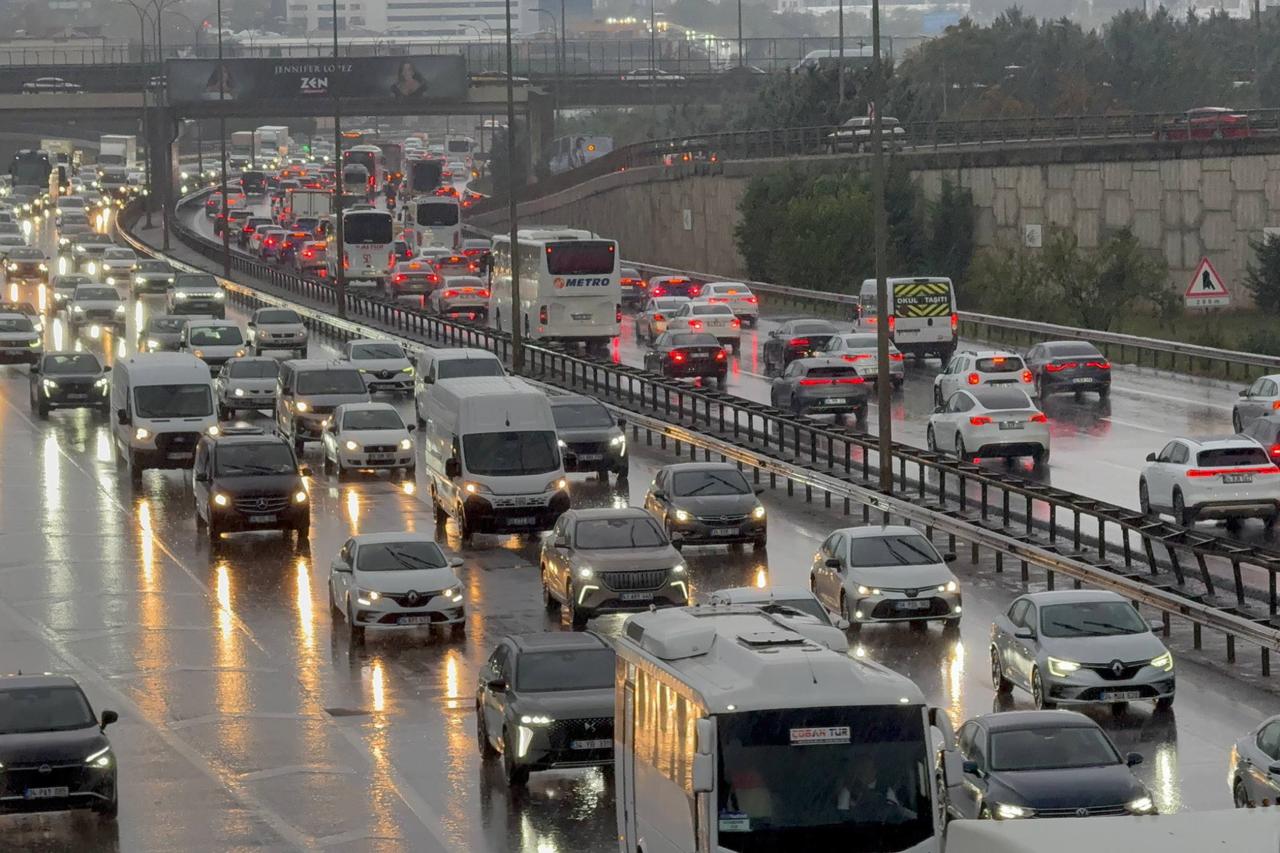


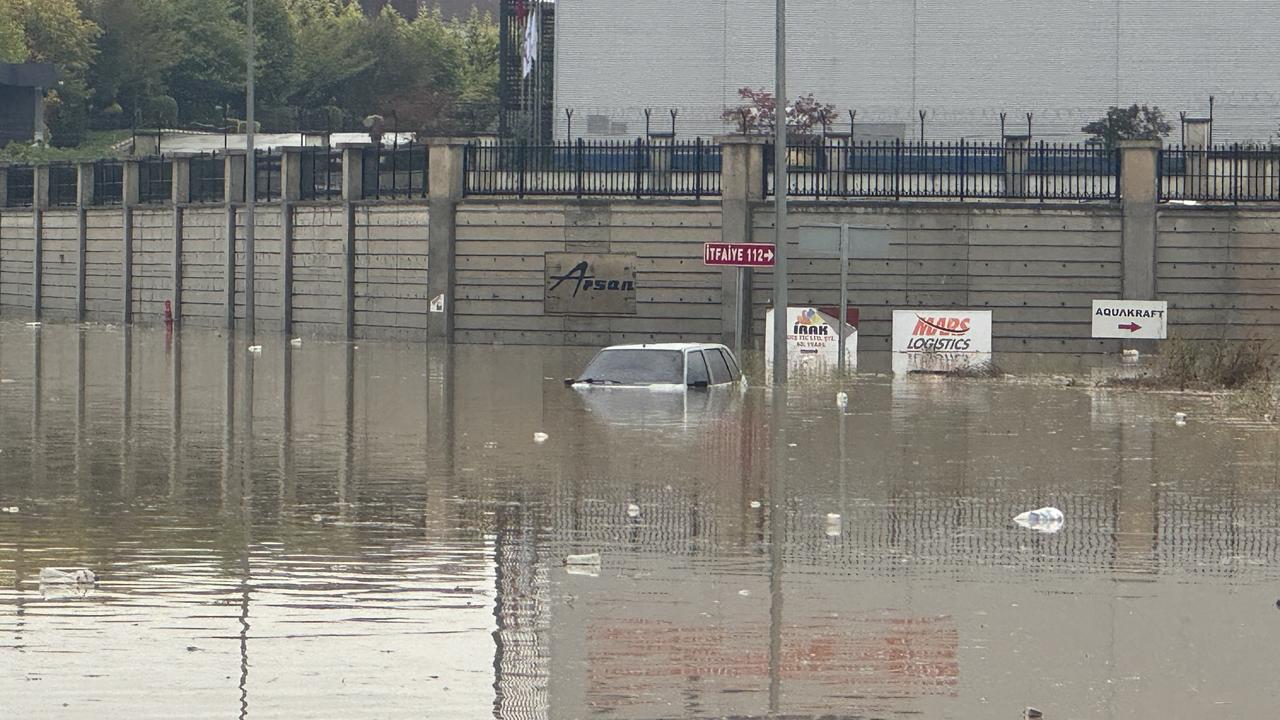
Traffic congestion built up across parts of Istanbul, Türkiye's largest city straddling the Bosphorus strait between Europe and Asia, on Monday morning as rain added to the usual commute.
On the Asian side of the city, congestion on the D-100 highway, a major road running along the Marmara Sea coast, began in Tuzla, a district near the city's eastern edge, and extended to the entrance of the Avrasya Tunnel, an underwater crossing linking the Asian and European sides beneath the Bosphorus.
On the TEM Highway, an inland route crossing the city further north, congestion building in Sultanbeyli continued to the July 15 Martyrs Bridge, one of three suspension bridges spanning the Bosphorus.
Congestion heading toward the Fatih Sultan Mehmet Bridge, a second Bosphorus crossing further north, started in Atasehir and extended to the bridge entrance.
On the Sile Highway, which links the city's northern districts to the Black Sea coast, vehicles moved slowly between Altunizade and Umraniye.
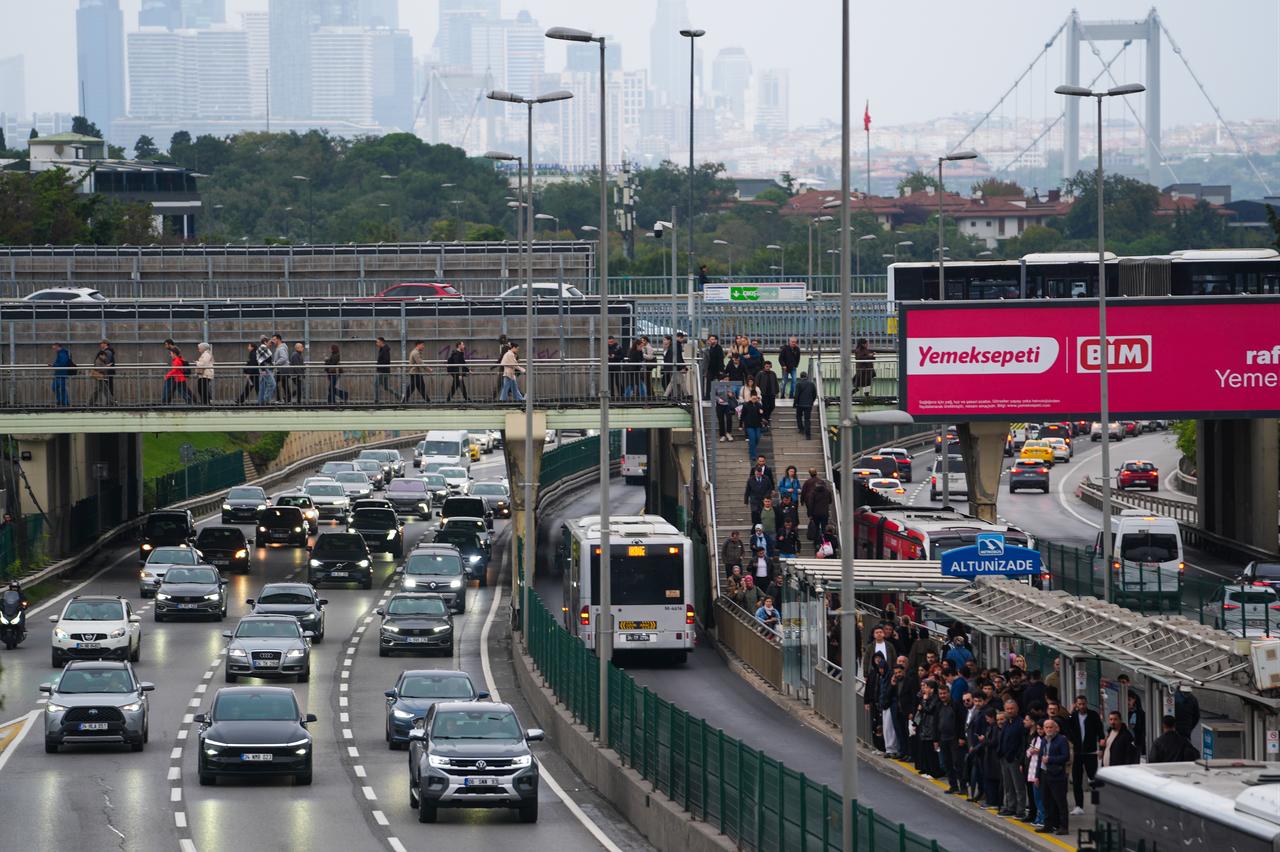

On the European side, congestion on the D-100 highway was reported around Avcilar, Saadetdere, Bakirkoy, Zeytinburnu, Merter, Cevizlibag, the Golden Horn Bridge, Halicioglu and Edirnekapi. Vehicles moved slowly along the highway toward the July 15 Martyrs Bridge.
On the TEM Highway, congestion in Ispartakule, Esenyurt, Bahcesehir, Saadetdere and Beylikduzu also slowed traffic.
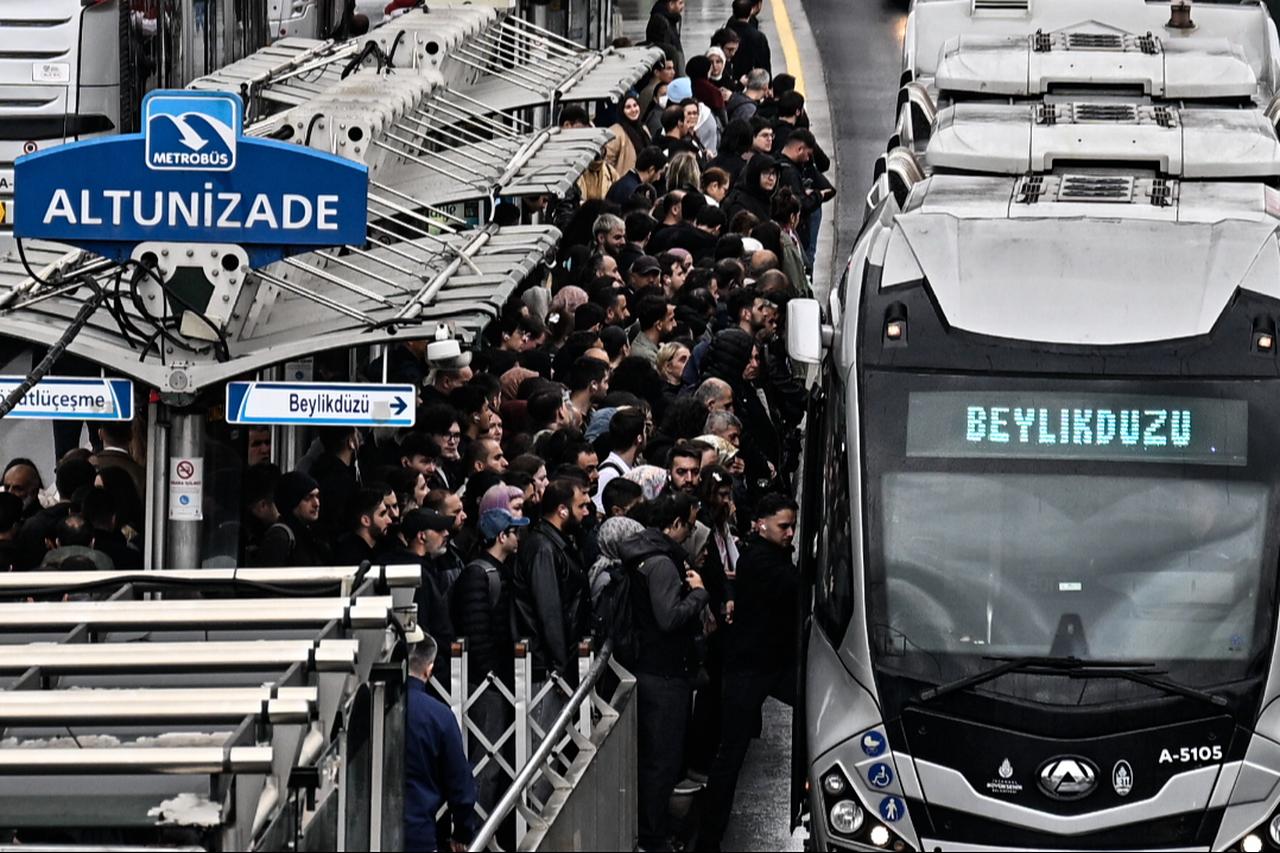
Passenger volume also built up at tram, metro, bus and metrobus stops. At transfer hubs including Zincirlikuyu, Cevizlibag, Uzuncayir and Altunizade, commuters lined up to board vehicles.
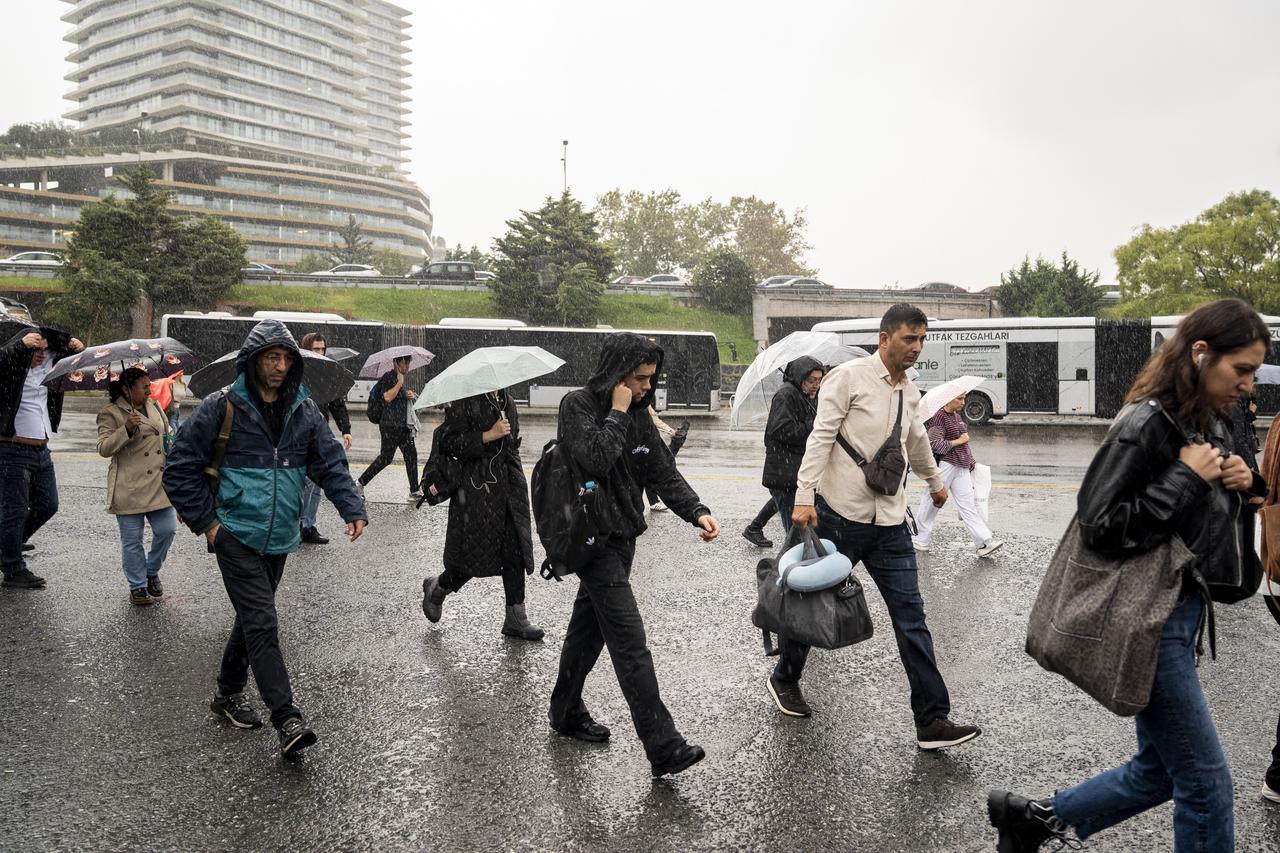
According to data from the Istanbul Metropolitan Municipality's Pocket Traffic Map app, citywide congestion reached 74% during the morning hours. Congestion measured 89% on the Asian side and 63% on the European side.


 Set as preferred source
 Set as preferred source



 6 min read