Newsletters


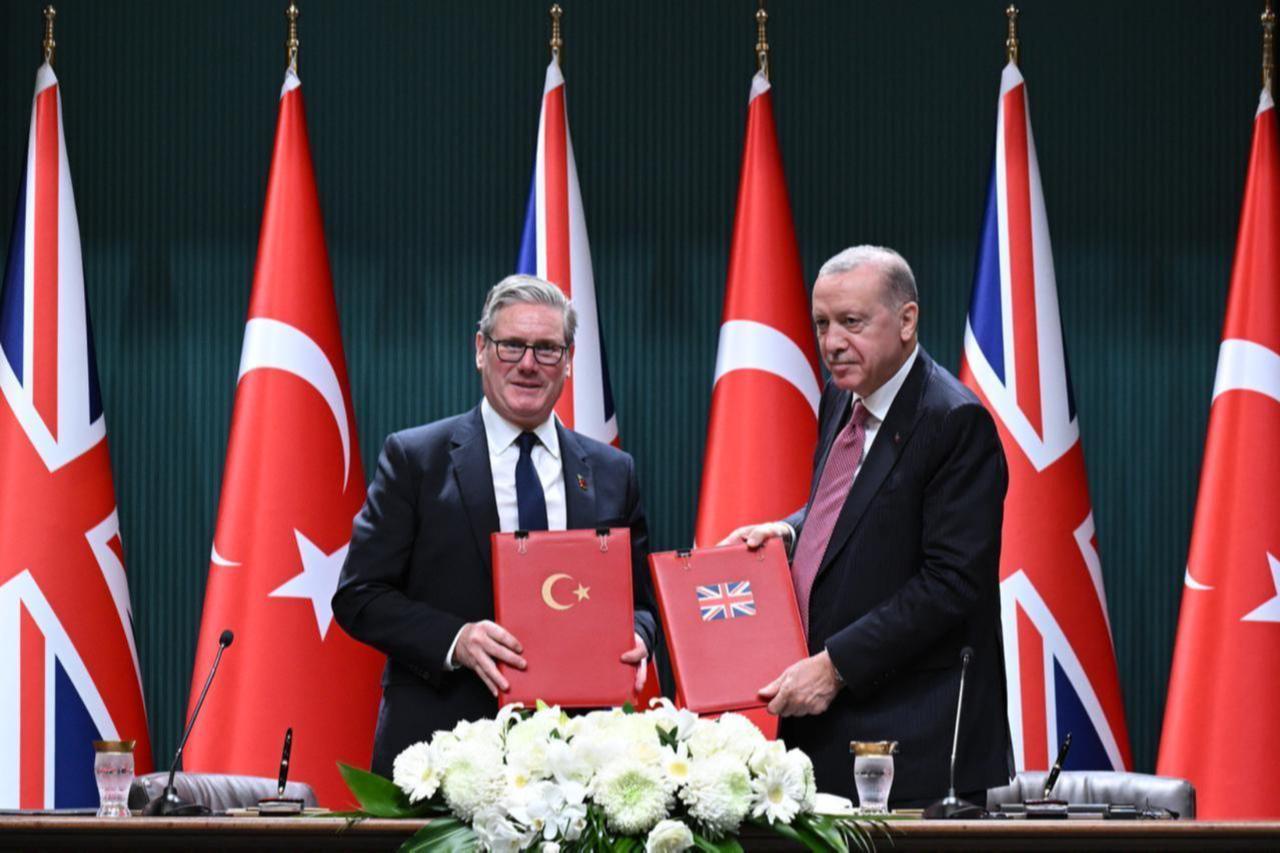


Türkiye and the United Kingdom are expected to sign a broad security and defense partnership deal on Wednesday, marking another step in the expanding relationship between the two NATO allies as leaders gather in Ankara for the alliance's annual summit.
The agreement is set to commit both countries to closer collaboration across a wide range of defense issues, covering defense industry cooperation, counterterrorism, cybersecurity and responses to hybrid threats, while also strengthening overall military coordination, sources familiar with the negotiations told Middle East Eye.
The partnership is expected to be signed during President Recep Tayyip Erdogan's meeting with U.K. Prime Minister Keir Starmer on the sidelines of the NATO summit.
The agreement is said to be similar in spirit to the 2021 bilateral defense pact between France and Greece, though it is unclear whether it includes a mutual defense clause.
Neither Ankara nor Downing Street is expected to publish the text of the agreement, underscoring the sensitivity of its provisions, the report added.
The expected agreement builds on the Strategic Partnership Framework signed by Türkiye and the U.K. in April, which aims to strengthen dialogue and cooperation between the two countries as NATO allies and strategic partners.
The framework expands cooperation on defense, counterterrorism, organized crime, energy security, science and technology, while also supporting efforts to increase bilateral trade and modernize the existing free trade agreement.
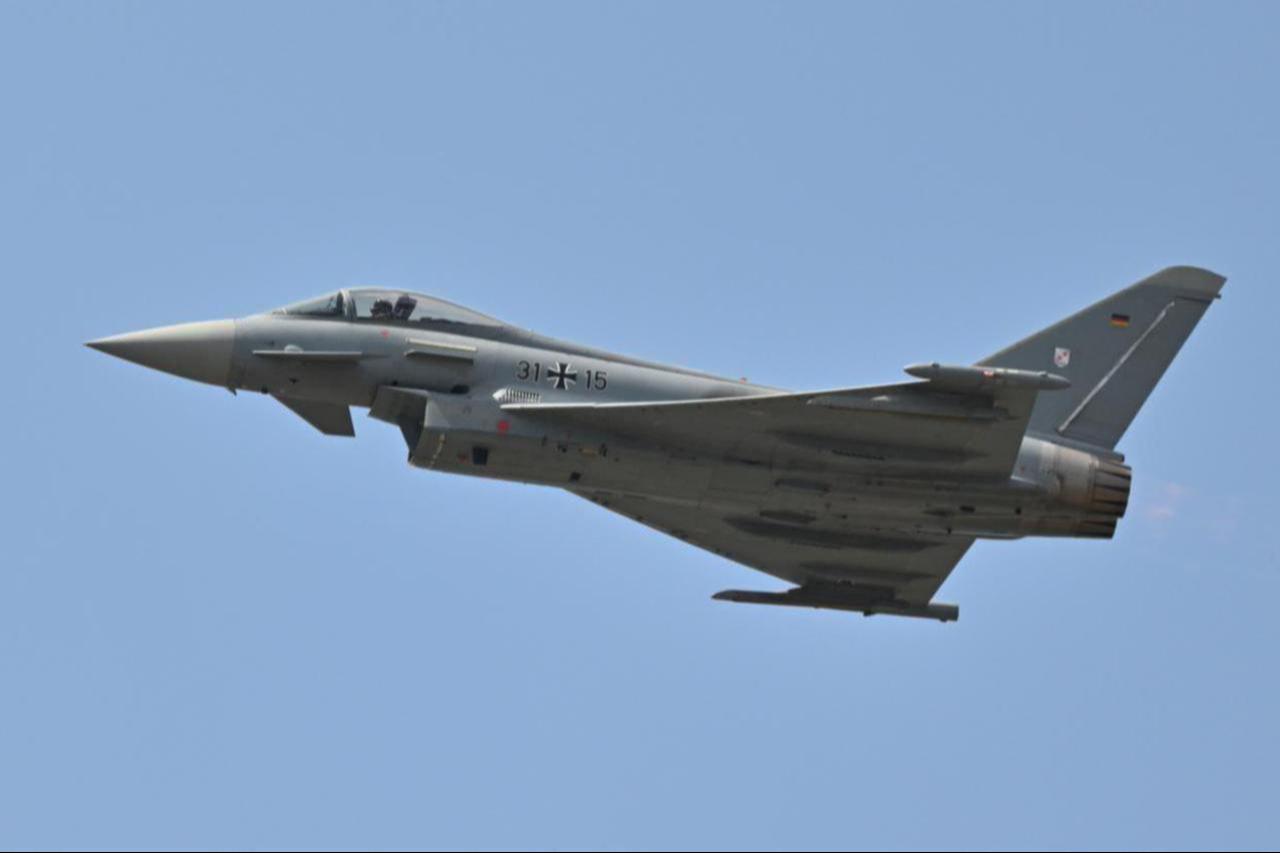

Relations between Ankara and London have gathered pace over the past year, driven largely by defense cooperation and major industrial projects. Last July, the two countries signed a deal paving the way for Türkiye's acquisition of up to 40 Eurofighter Typhoon fighter jets.
That process resulted in an initial order for 20 aircraft worth up to £8 billion ($10.7 billion), the largest British fighter jet export agreement in a generation and one expected to support around 20,000 jobs across the U.K.
The package also includes pilot and ground crew training, logistics, maintenance, and technical support involving companies such as BAE Systems, Rolls-Royce, Leonardo UK, MBDA, and Martin-Baker, with the first aircraft scheduled for delivery in 2030, the British government stated at that time.


 Set as preferred source
 Set as preferred source


 1 min read
 1 min read