Newsletters


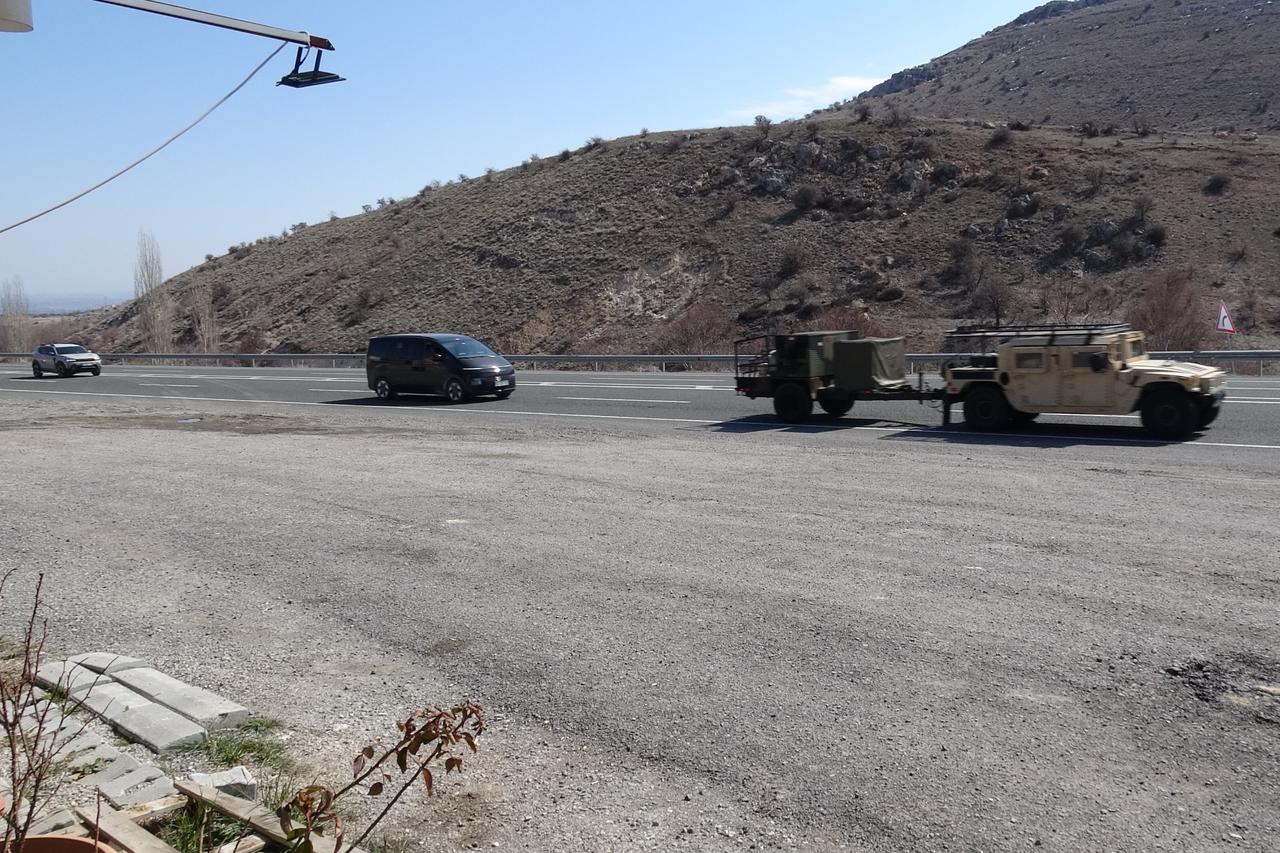


The steady flow of military hardware into southeastern Türkiye showed no signs of slowing on Thursday as NATO continued ferrying components of a Patriot air defense system to the strategic city of Malatya, where the alliance maintains one of its most critical radar installations.
The shipments, arriving by air from Germany's Ramstein base, are being routed through the 7th Main Jet Base in Malatya before onward transport to the Kurecik radar station in the Akcadag district.
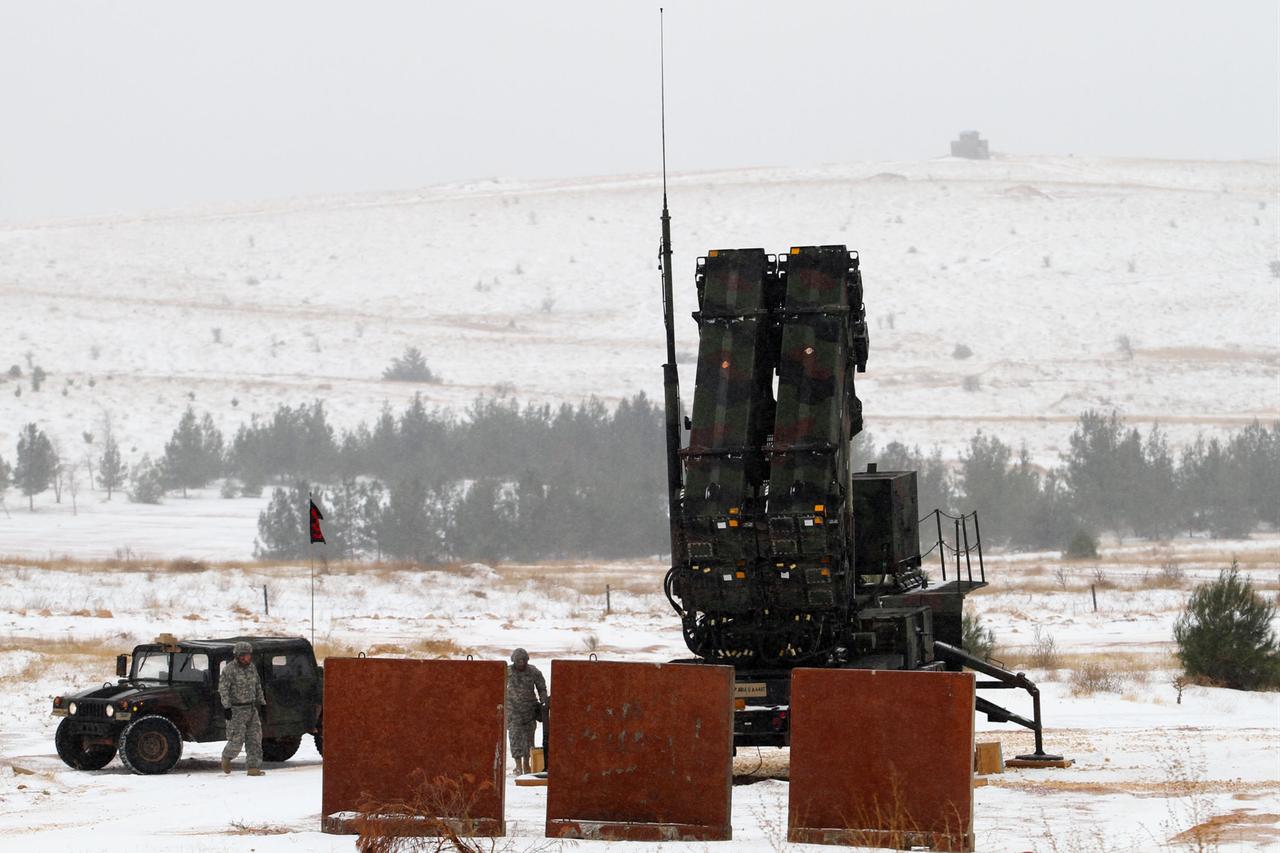
The system is expected to become operational in the coming days, adding a powerful new layer of protection to a facility that underpins NATO's entire ballistic missile defense posture in the region.


The urgency behind the deployment stems from an alarming sequence of events over the past week. On March 4, NATO air and missile defense installations intercepted a ballistic missile bound for Türkiye, with debris from the interceptor falling in Dortyol, Hatay. Five days later, on March 9, another ballistic missile was downed over Gaziantep, a city of two million.
Türkiye's Ministry of National Defense announced the Patriot deployment on March 10, stating that NATO's air and missile defense measures were being strengthened in addition to precautions taken at the national level. The ministry confirmed the Kurecik radar base had played a role in detecting both incoming missiles, providing critical early-warning data that enabled the interceptions.
NATO's spokesperson for Supreme Headquarters Allied Powers Europe, Colonel Martin O'Donnell, said the alliance's missile defense network detected, tracked, intercepted and destroyed the first missile after it crossed Iraqi and Syrian airspace on its way toward Türkiye, completing the entire process in under 10 minutes.
The choice of Malatya as the deployment site is no accident. The Kurecik Radar Station was established in 2012 for use by NATO as an early-warning radar against ballistic missile attacks. The facility hosts an AN/TPY-2 X-band radar, a high-resolution tracking system that feeds data into NATO's broader European Phased Adaptive Approach missile shield, relaying information to interceptor sites in Romania and Poland.
The installation has been described as the keystone of NATO's air defense architecture, and some officials in Ankara believe the Iranian missiles may have been probing the alliance's defenses with the radar base itself as an eventual target. Defense analyst Arda Mevlutoglu told Middle East Eye that Iran had been striking radars in Gulf states, making it plausible that Tehran could target Kurecik as well.
The base sits roughly 700 kilometers from the Iranian border, a distance that places it within range of Tehran's medium- and intermediate-range ballistic missile arsenal.


 Set as preferred source
 Set as preferred source


 1 min read

 1 min read