Newsletters


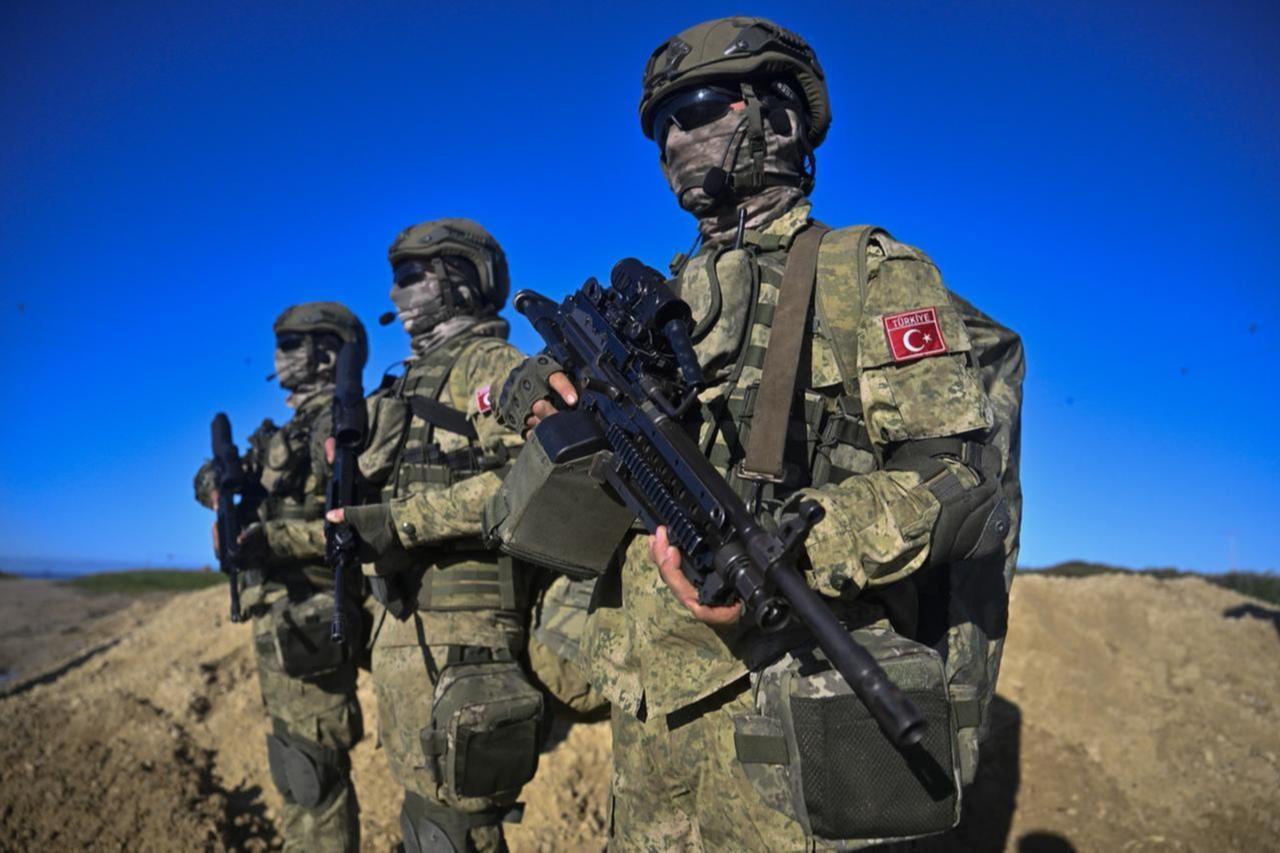


Türkiye has updated its contingency plans for a possible US-led military campaign against Iran, with options that include entering Iranian territory to prevent a mass refugee influx, Bloomberg reported, citing people familiar with the matter.
The preparations come as NATO has redirected its aerial surveillance operations based in Türkiye away from Russia and toward Iran. The alliance's advanced E-3A AWACS radar aircraft, operating from the central Anatolian city of Konya, have long monitored both countries. But the frequency of Iran-focused flights has increased markedly in recent weeks, the people said, requesting anonymity to discuss a sensitive security matter.
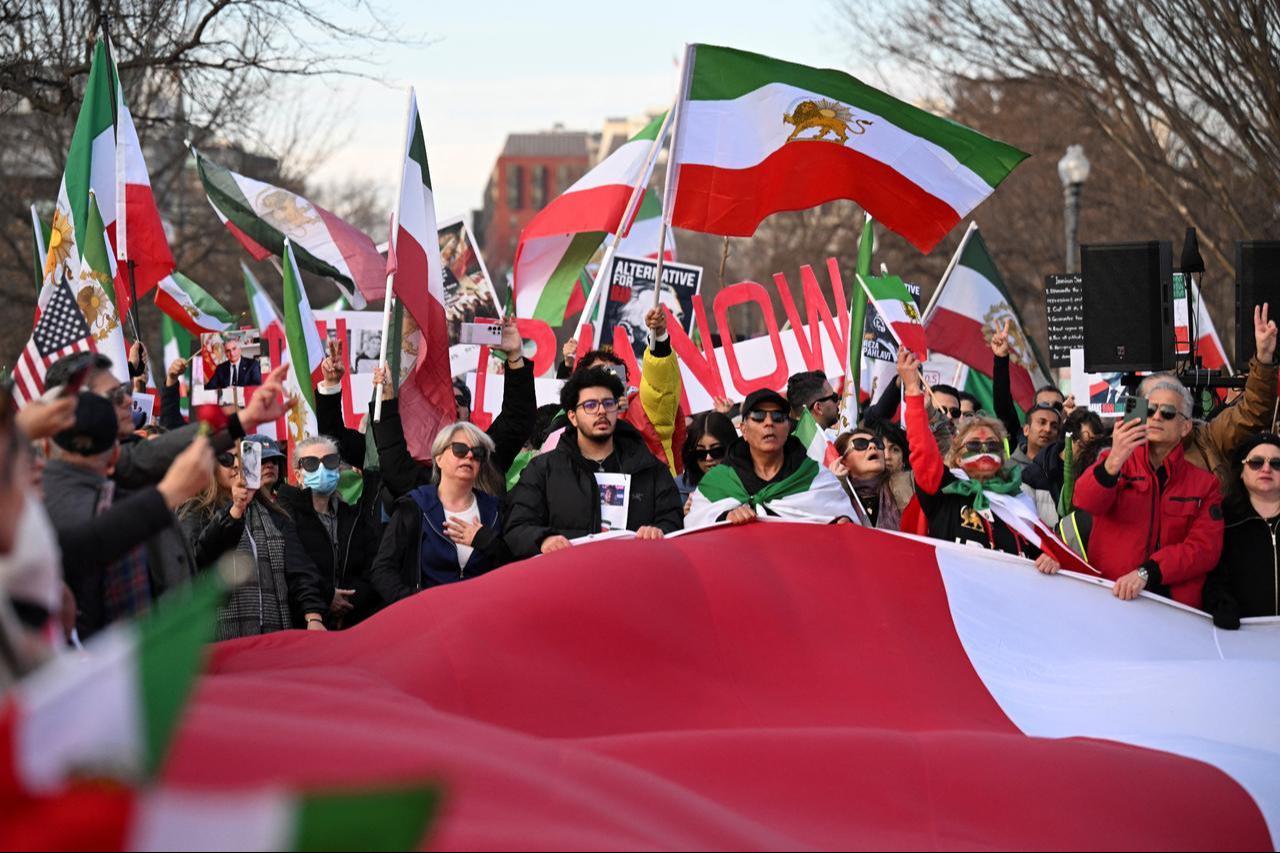

According to Bloomberg, Türkiye is actively preparing for a possible US-led strike against Iran, a move officials believe could be designed to force Tehran into concessions on its nuclear program, with a broader military campaign to follow if diplomacy fails. Ankara has urged both Washington and Tehran not to escalate tensions, the people said.
The preparations come as the United States has amassed significant military assets across the Middle East, including two aircraft carriers and fighter jets. US President Donald Trump has said he is "considering" limited strikes on Iran, even as American and Iranian diplomats attempt to negotiate a new nuclear agreement. Trump has indicated he wants a deal finalized by early March.
Konya's 3rd Main Jet Base has served as a NATO forward operating base for AWACS aircraft since 1983 and is one of three such bases maintained by the alliance's Airborne Early Warning and Control Force. The E-3A aircraft can detect and track aircraft hundreds of kilometers away, making the base a strategically vital asset for monitoring airspace across the broader Middle East without leaving Turkish or international airspace.
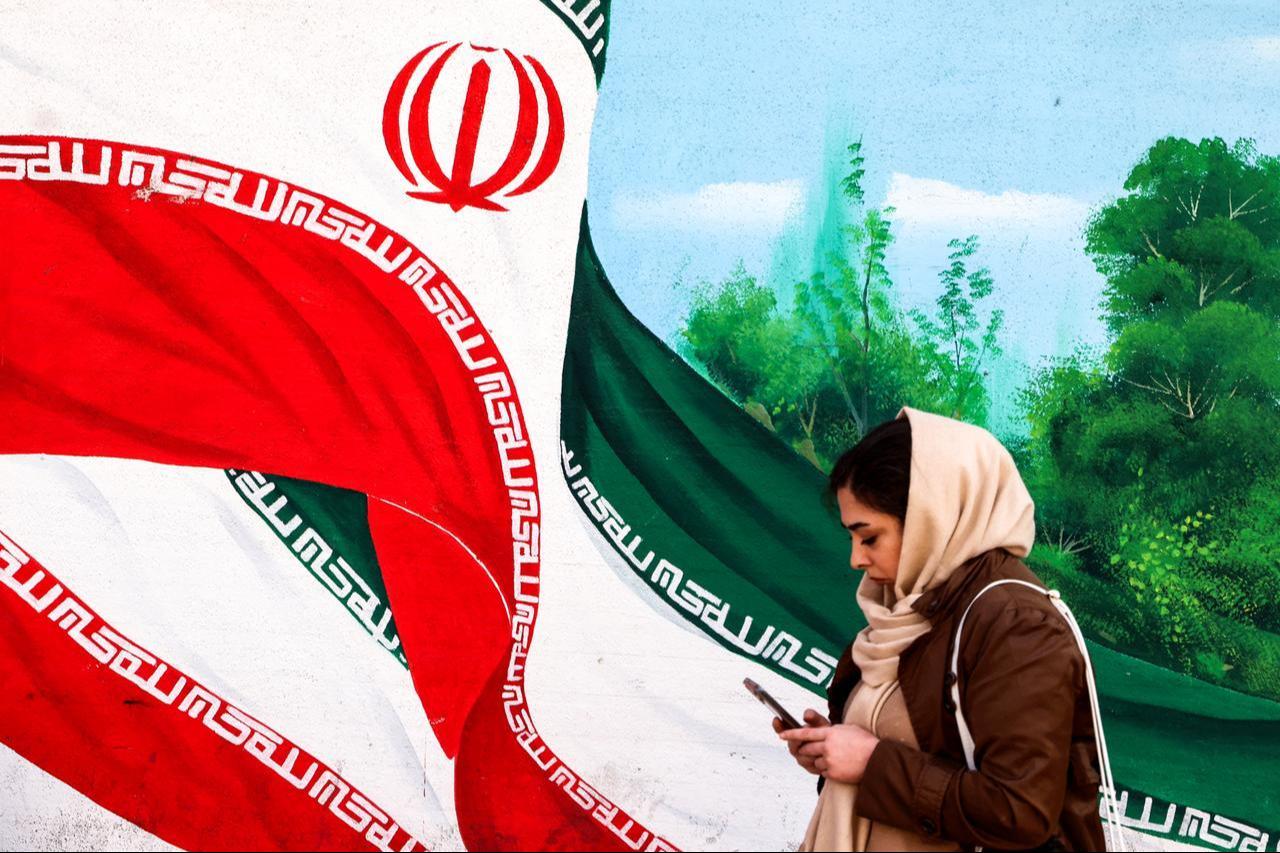
A central driver of Türkiye's anxiety is the prospect of a massive refugee influx, Bloomberg reported. Officials in Ankara fear that a conflict with Iran would push large numbers of displaced people, particularly Afghan and Pakistani nationals currently residing in Iran, toward the Turkish border.
Türkiye already hosts close to three million Syrian refugees, a legacy of that country's civil war that has placed enormous strain on public services and become a lightning rod in domestic politics. Authorities believe that a new wave of arrivals from Iran would compound pressure on an economy already grappling with high inflation and sluggish growth.
The approximately 560-kilometer Türkiye-Iran border has long been one of the region's most active irregular migration corridors, with Afghan, Pakistani, and Iranian nationals routinely attempting crossings. Türkiye has invested heavily in border security infrastructure along the frontier, including a concrete wall, razor wire, surveillance towers, and a multi-layered system of military, gendarmerie, and police patrols.
Türkiye has updated its contingency plans to prepare for large-scale displacement in the event of a major conflict, the people told Bloomberg. The options range from establishing refugee camps near the border to entering Iranian territory to prevent displaced populations from crossing into Türkiye, though the latter would only be considered in the event of a power vacuum in Tehran.
The notion of a buffer zone on the Iranian side of the border has gained traction within the Turkish government. Ankara's Foreign Ministry recently briefed lawmakers in a closed-door parliamentary session on what was described as a set of tiered contingency plans. Officials signaled a willingness to take extraordinary measures to avoid a repeat of the open-door refugee policy that followed the Syrian civil war.
Türkiye's experience with Syrian displacement has fundamentally reshaped its approach to migration crises. In 2012, the government attempted to cap Syrian refugee numbers at 100,000, a target that was quickly overwhelmed as arrivals surpassed three million in subsequent years.


 Set as preferred source
 Set as preferred source


 1 min read
 1 min read