

 Newsletters


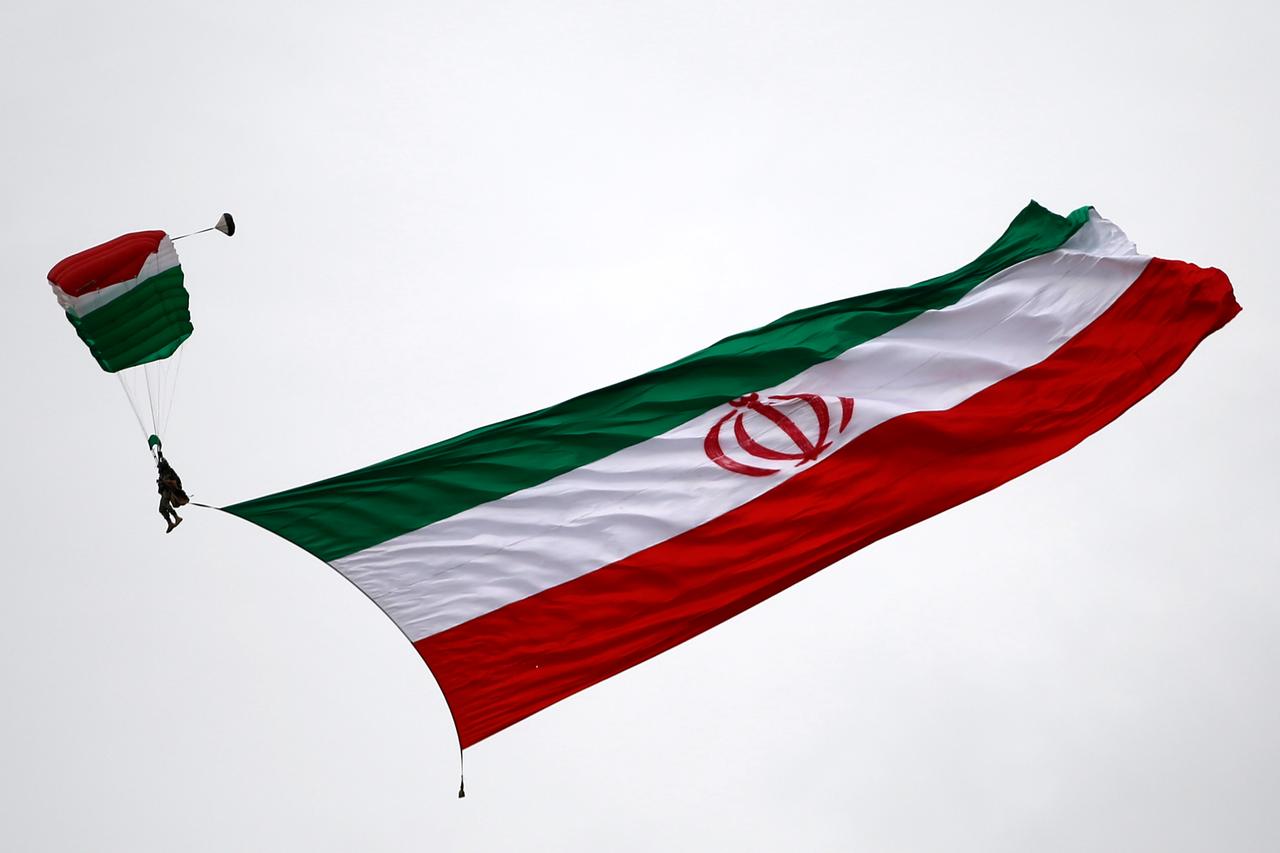


Iran is demonstrating an "almost unbelievable level of flexibility" on the nuclear enrichment issue in ongoing negotiations with the United States aimed at averting a military conflict, Iranian officials told the news outlet Drop Site, as both sides prepare for a third round of talks in Geneva on Thursday, Feb. 26.
An Iranian official said Tehran's negotiators, working in coordination with the Supreme National Security Council and empowered by the country's leadership, "decided to exercise maximum flexibility on the nuclear issue, but only on the strict condition that it would genuinely prevent the outbreak of war."
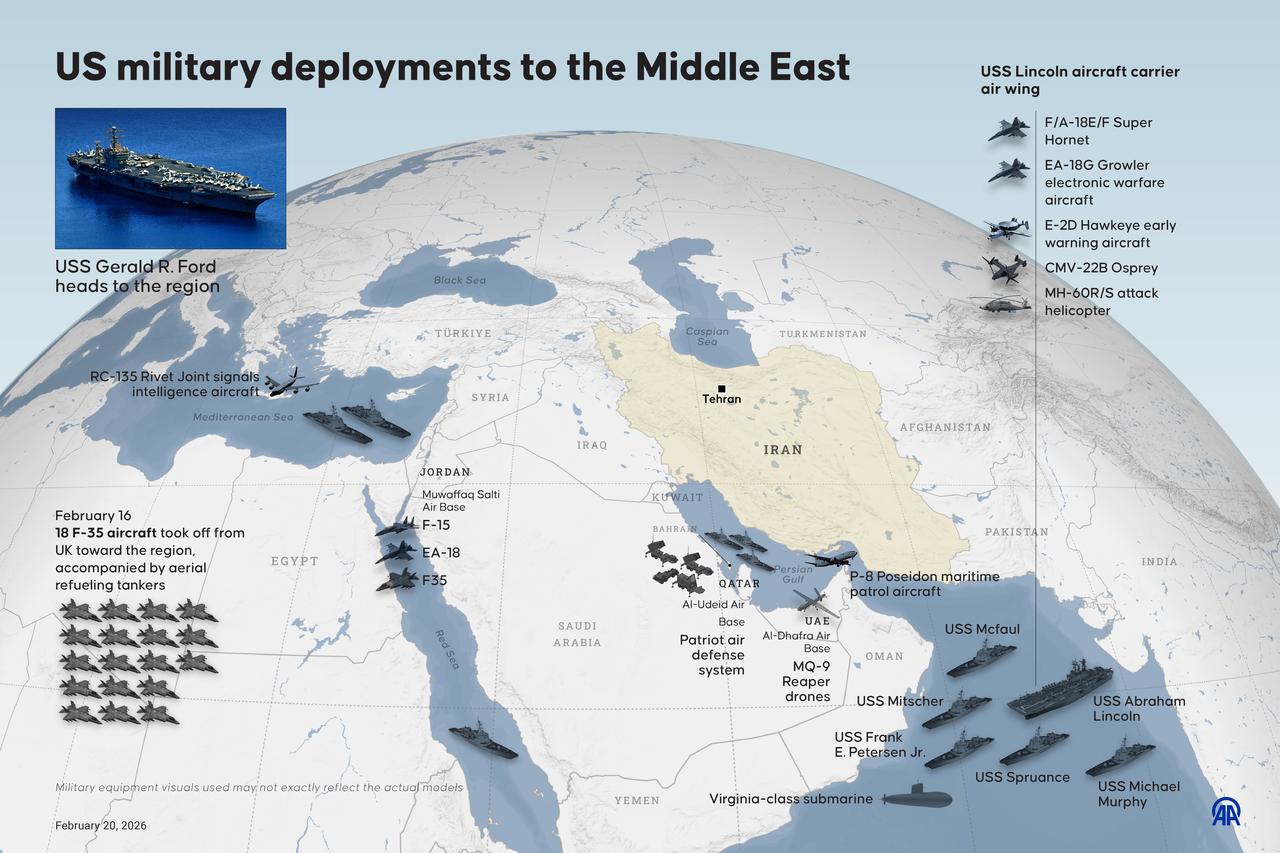

"We have demonstrated an almost unbelievable level of flexibility on the enrichment issue itself," the Iranian official told Drop Site, requesting anonymity because of the sensitivity of the negotiations.
The Supreme National Security Council, Iran's highest authority on national security and defense strategy, is headed by Ali Larijani, a veteran of the Islamic Revolutionary Guard Corps (IRGC), former speaker of parliament, and advisor to Ayatollah Ali Khamenei.
The official said Tehran is directly addressing U.S. concerns on the nuclear issue with concrete proposals and is willing to expand talks to other issues once a deal to avert imminent conflict is concluded.
In order to preempt any "additional pretexts" the U.S. may use to justify launching a war, Iran has indicated in recent negotiations that it is willing to open talks beyond the nuclear issue "through a clearly defined mechanism if a temporary agreement is reached," the official said without elaborating.
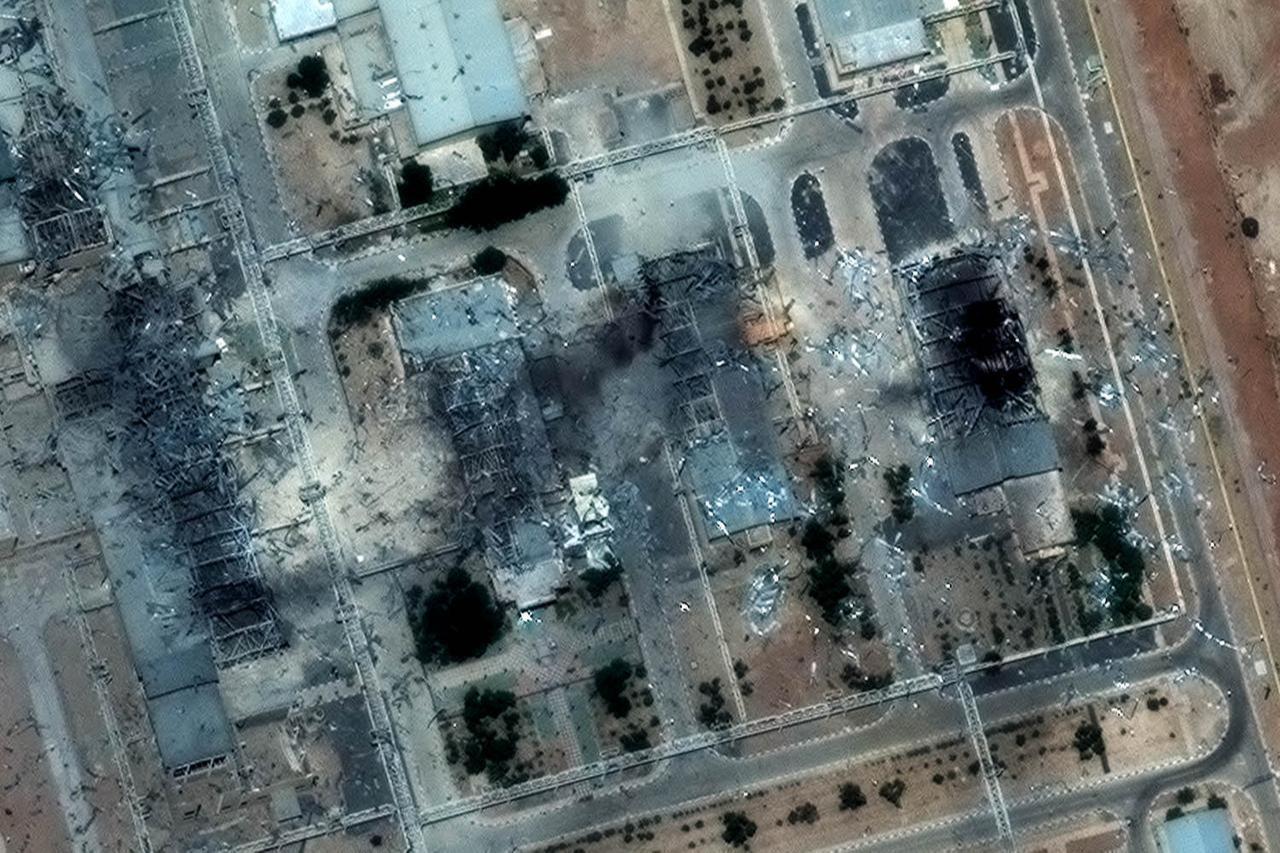
A second Iranian official told Drop Site that the government was serious about reaching a deal with Trump and saw a new agreement as feasible but expressed wariness about U.S. intentions.
"If America's genuine concern is to prevent us from building a nuclear bomb, the Islamic Republic can address those concerns with diplomacy. We think a win-win agreement is possible if the other side wants the same," the senior foreign ministry official said.
"There are signs that America's objective is not to negotiate in earnest about our nuclear program," the official added, referring to overt threats by Trump and other officials to wage regime change war.
"There are signs that their objective is to see our collapse. If that is the case and they start a war, we are ready to defend ourselves. Our response will be beyond anything they've ever seen and will involve the entire region," the official noted.
Iranian negotiators have also reportedly discussed offering economic incentives designed to appeal to Trump, including cooperation on oil and gas development inside Iran and purchases of civilian airliners, according to Drop Site.
A White House official told Drop Site: "As President Trump stated, he would prefer to make a deal with Iran, but if a deal cannot be consummated, 'it's going to be a very bad day for Iran.' Operation Midnight Hammer demonstrated that Iran should make a deal, and the President hopes that 'this time they will be more reasonable and responsible.'"
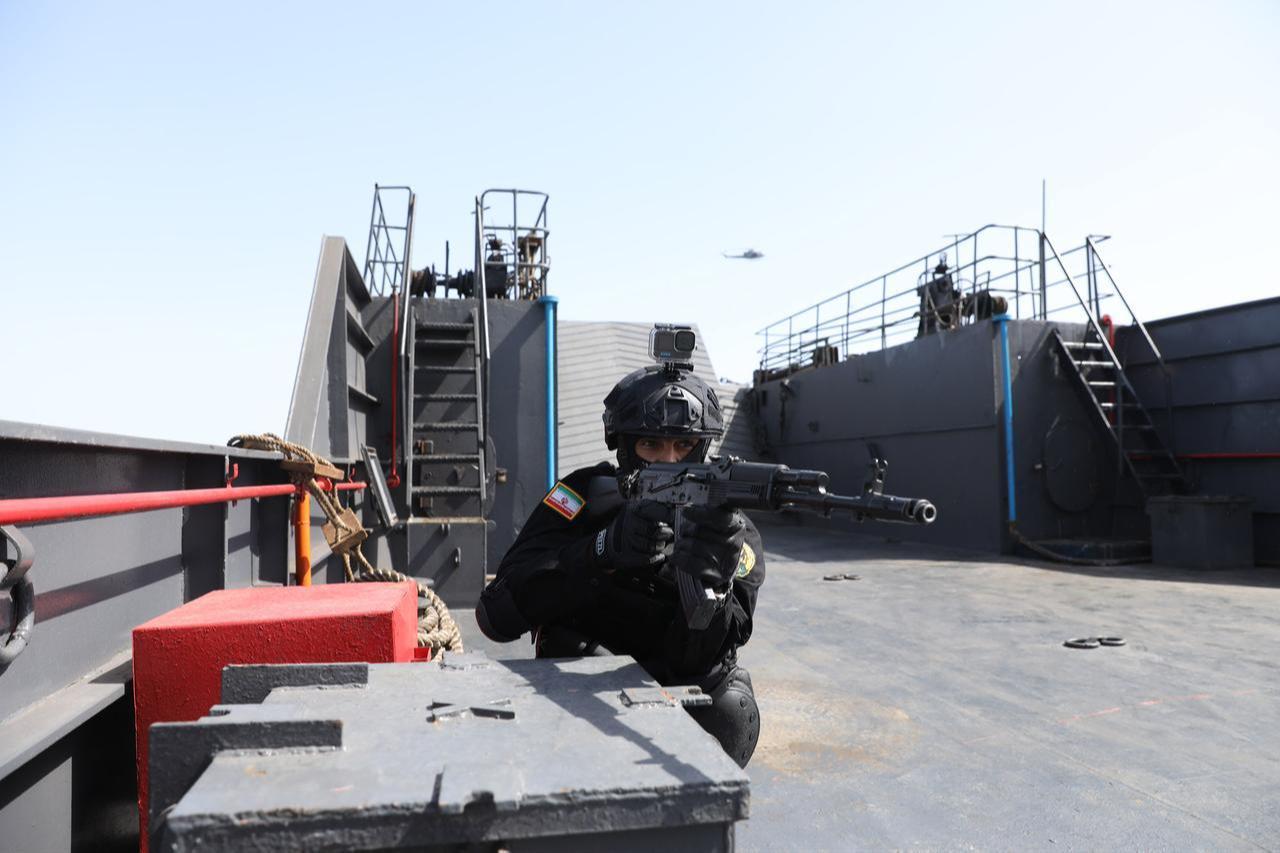
Iranian Deputy Foreign Minister Kazem Gharibabadi, a member of Iran's negotiating team, said at the Geneva Disarmament Forum on Monday, Feb. 23, that Iran's right to peaceful nuclear energy is "inherent, non-negotiable, and internationally guaranteed" and cannot be suspended as a precondition for negotiations.
Gharibabadi insisted that Tehran "neither possesses nuclear weapons, nor has it sought to acquire them, nor does it intend to do so in the future."
He stressed that Israel's nuclear arsenal remains the "main obstacle to achieving a nuclear-weapon-free Middle East" and called for "effective multilateralism, genuine disarmament, and unconditional respect for international law."
 2 min read
Gharibabadi described the ongoing Iran-U.S. talks under Omani mediation as "a new opportunity" to resolve disputes through dialogue, adding that "any sustainable negotiation must be based on mutual respect, equal treatment, and the non-selective implementation of international rules."
He reaffirmed Iran's readiness to defend its sovereignty and exercise its "inherent right of legitimate defense in accordance with the U.N. Charter" if necessary.


 Set as preferred source
 Set as preferred source


 1 min read



