

 Newsletters


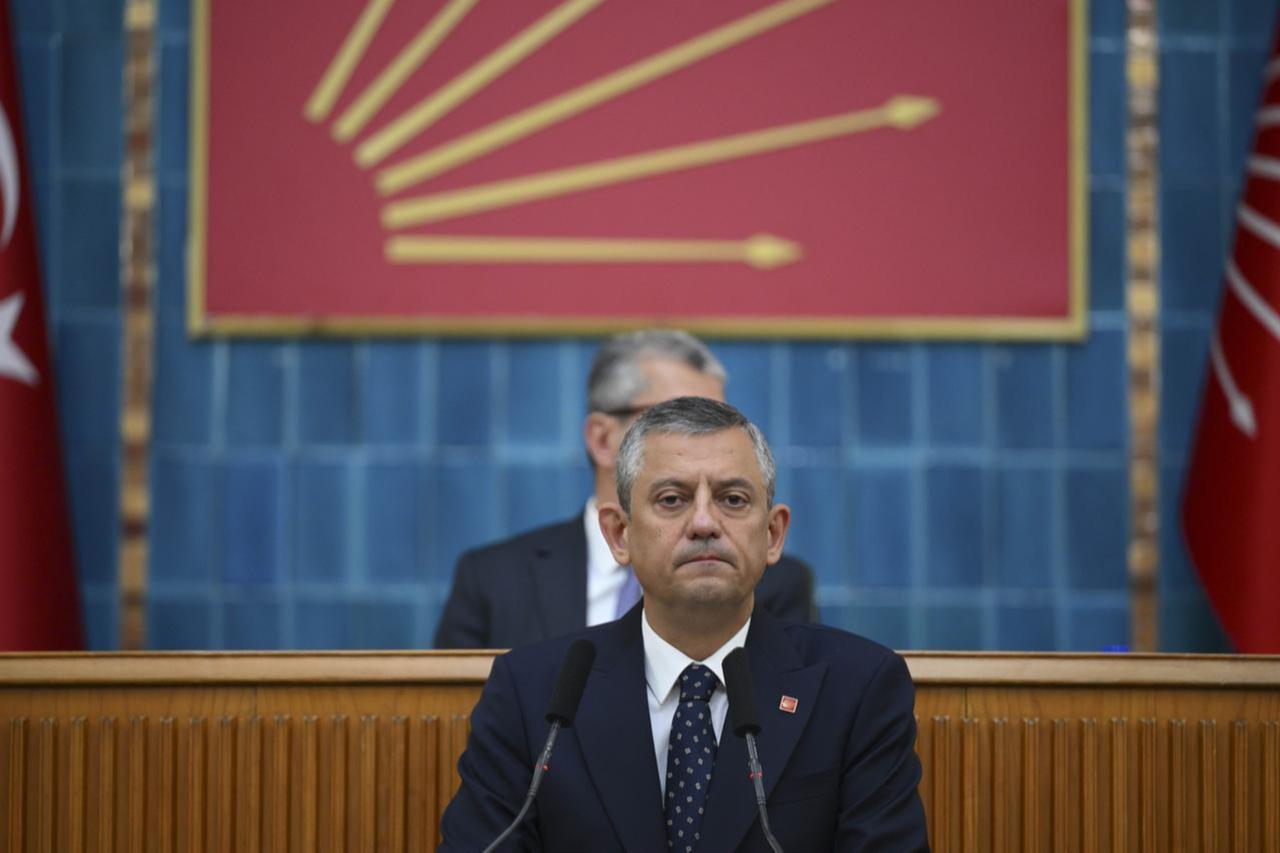


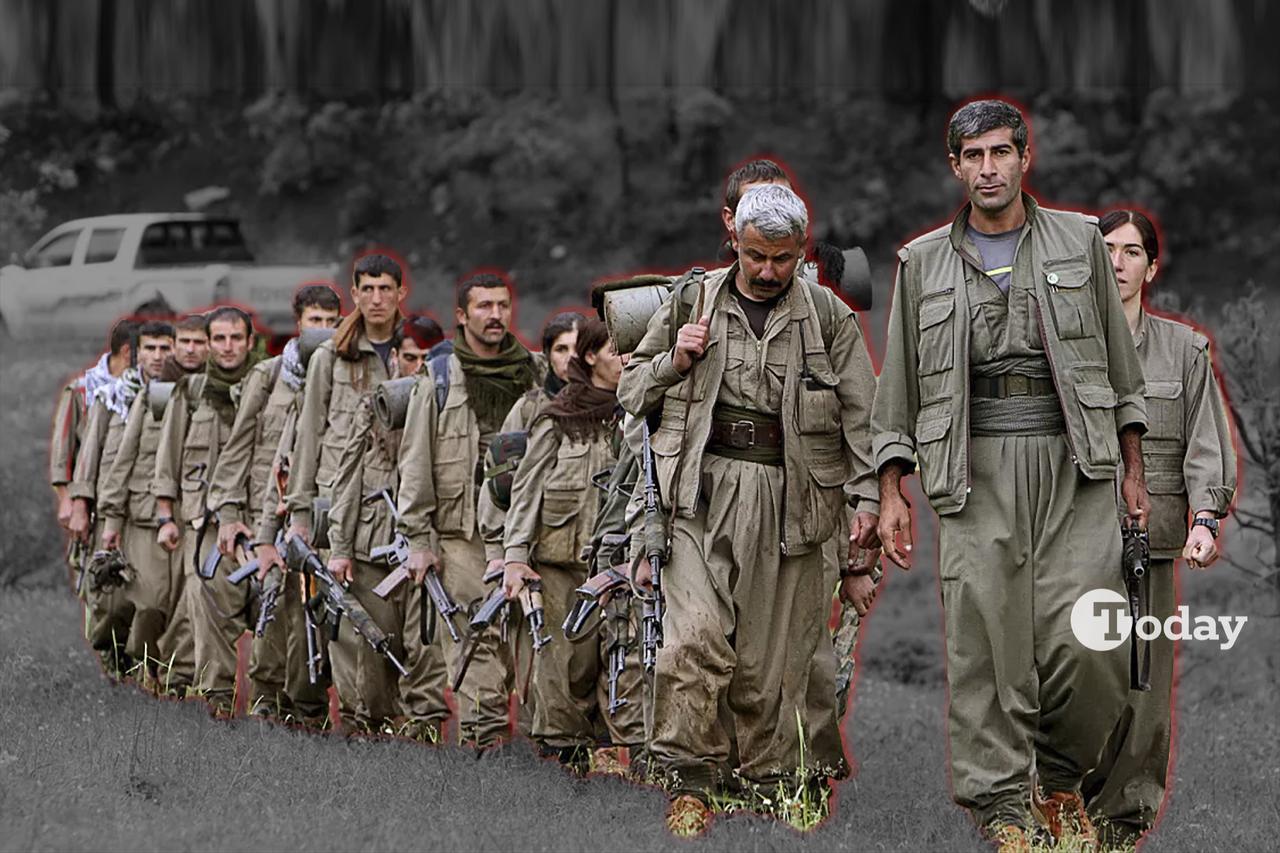
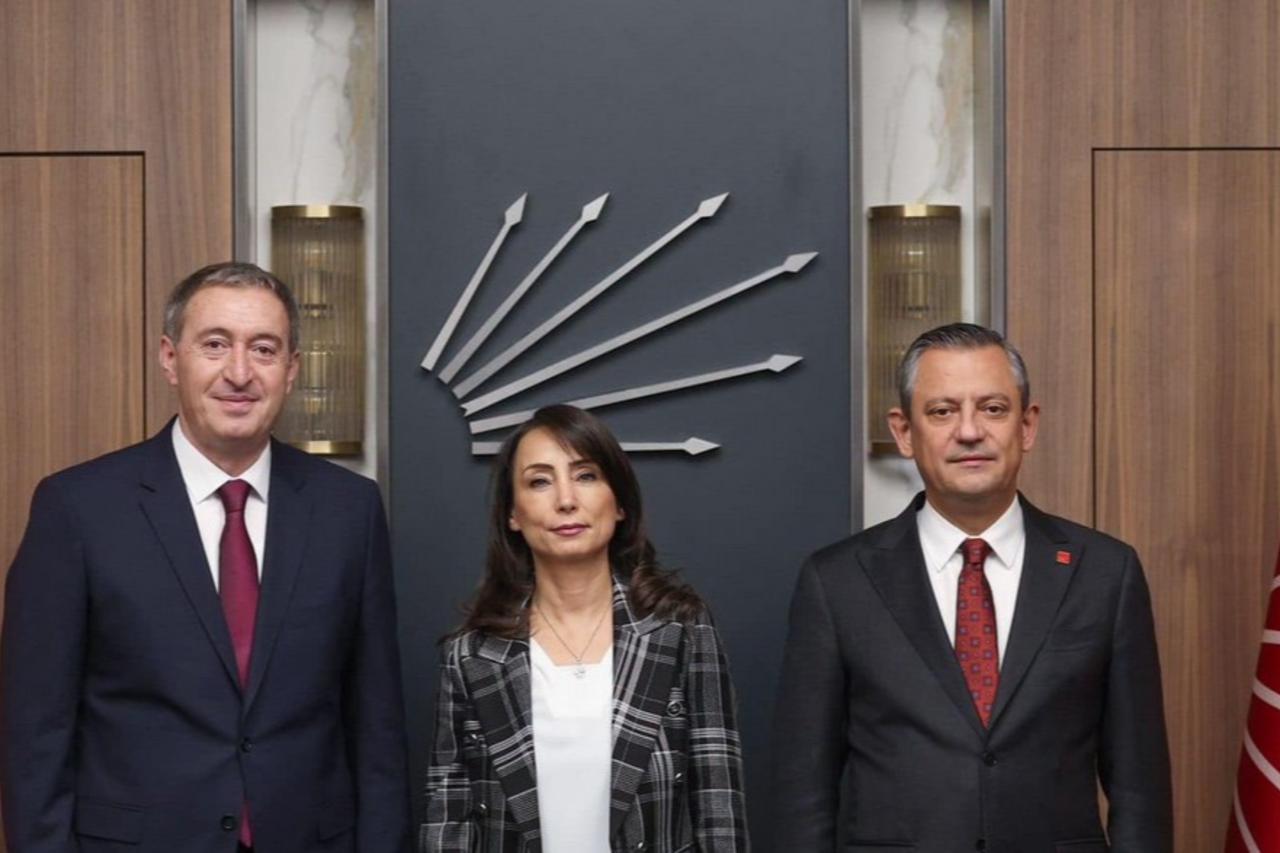
The main opposition party, Republican People's Party (CHP) Chairman Ozgur Ozel, addressed the ongoing "terror-free Türkiye" process aimed at disarming the PKK, defending his party's specific strategy against criticism from both the government and his own base.
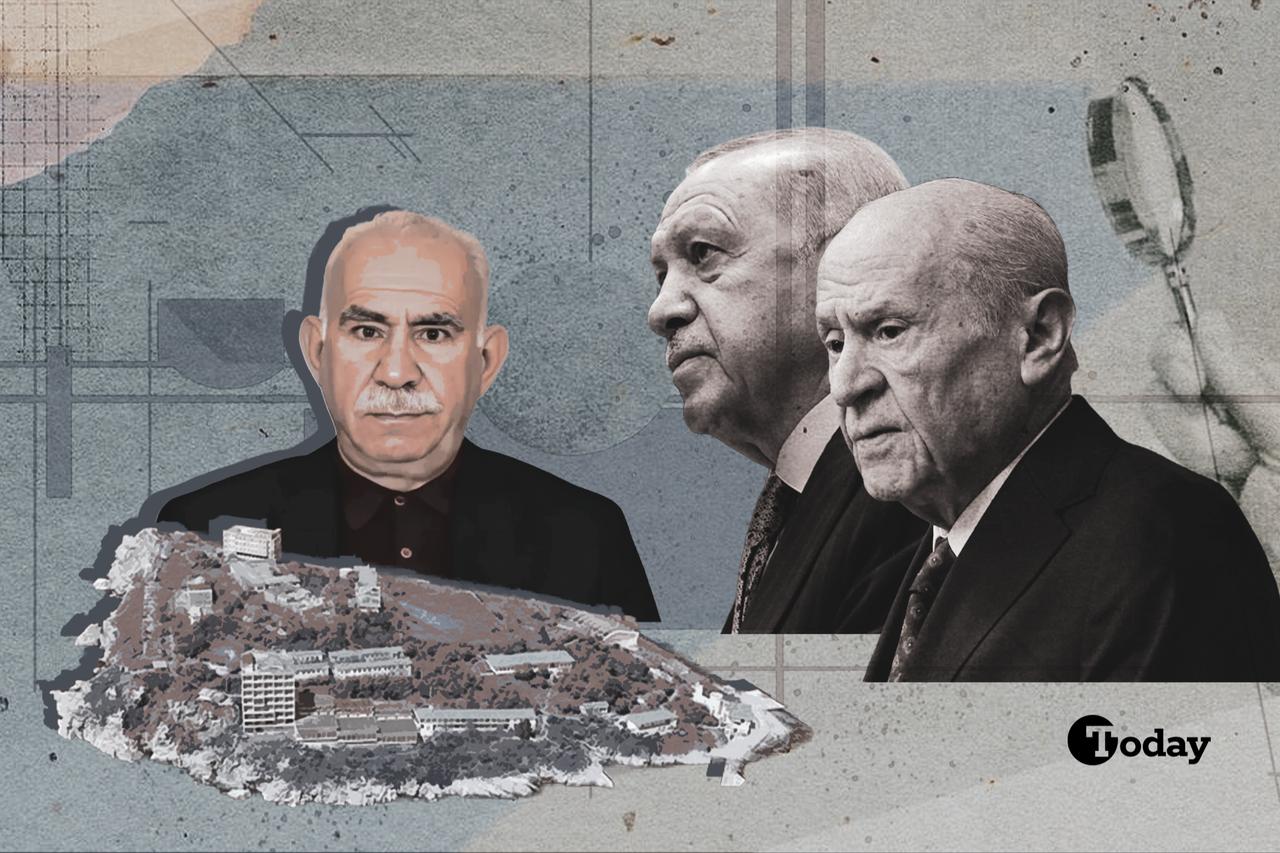
The process began in October 2024 with a call from MHP leader Devlet Bahceli to imprisoned PKK ringleader Abdullah Ocalan.
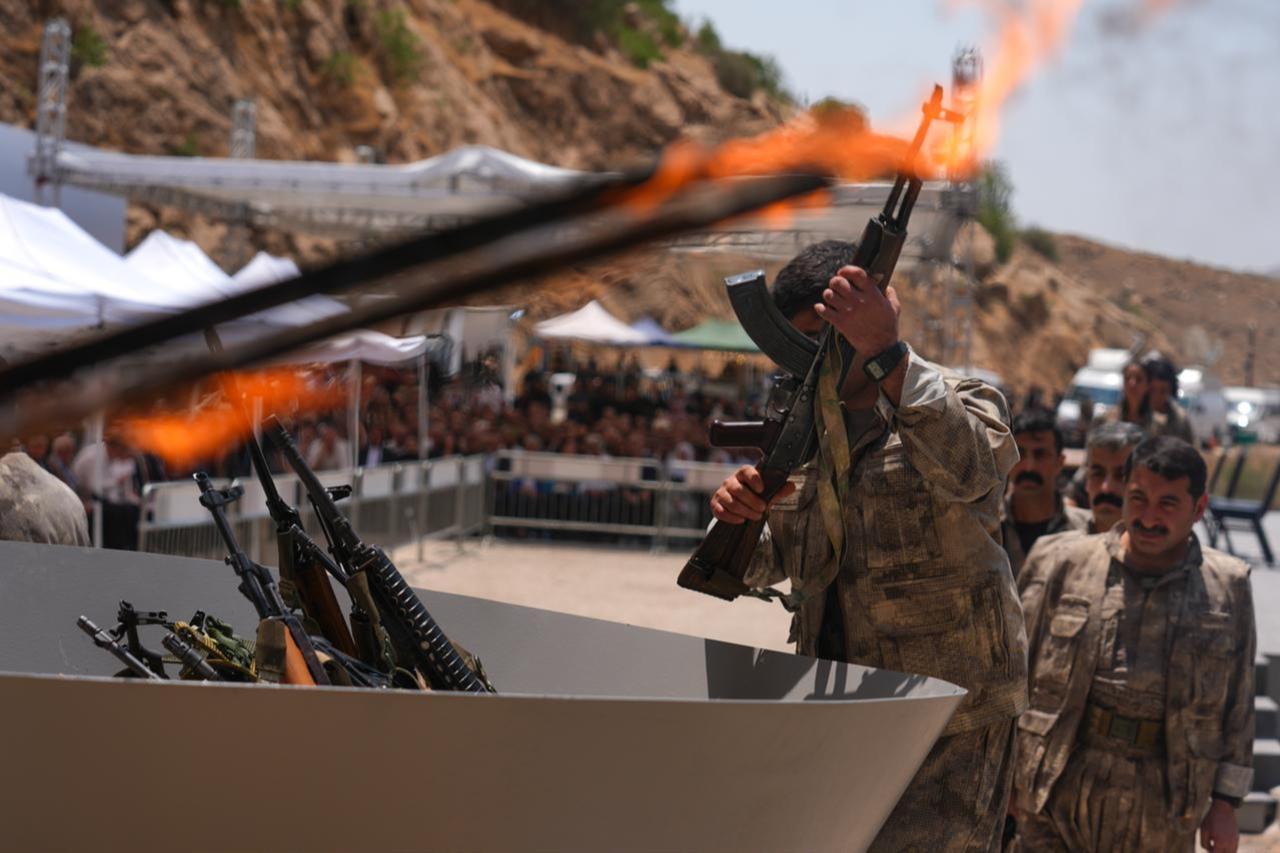
Following this, Ocalan called on the PKK to disarm and dissolve itself in February, leading the group to announce the end of its activities in Türkiye.
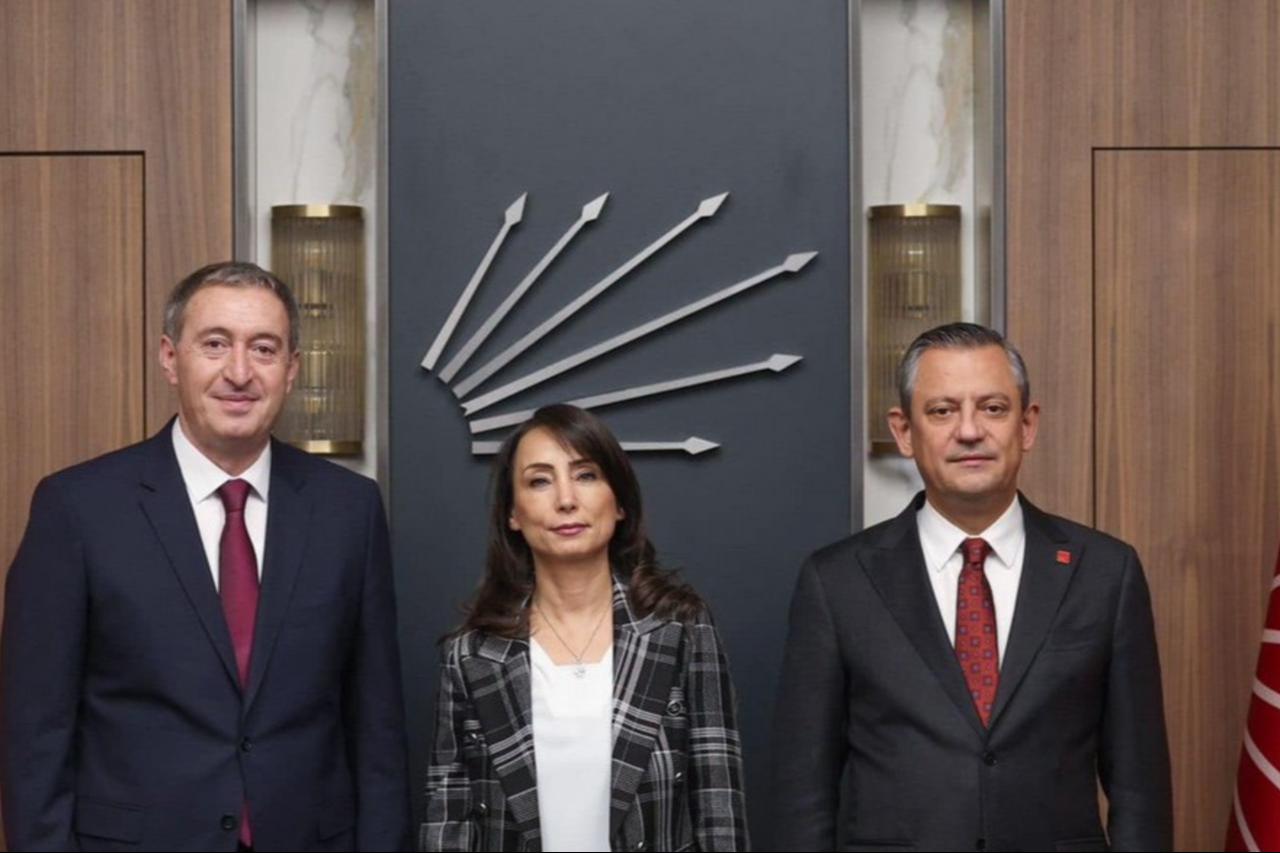

A parliamentary commission was established to manage the process, including discussions on amnesty laws and the integration of the SDF in Syria.
While the CHP joined this commission, it refused to send deputies to visit Ocalan in prison in November, unlike other commission members.
This stance drew criticism from two sides: President Erdogan and the DEM Party accused Ozel of not supporting the process enough, while nationalist wings within the CHP criticized him for joining the commission at all.
According to BBC Turkish, Ozel shared polling data regarding these decisions. He noted that while 75% of DEM Party supporters believed CHP should have visited Ocalan, the general public felt differently.
"85 percent of CHP voters and 65 percent of the society approve of our stance," Ozel said. "Citizens say it is right to enter the commission and stay there, but it is also right not to go to Imrali."
Using a metaphor to explain their refusal to visit the prison, Ozel said the CHP is still committed to a solution.
"CHP did not see the Imrali issue as a junction and leave the road; it saw it as a speed bump, passed by it, and continued on the road," Ozel stated.
"We want a solution. Attempts to portray this differently stem from Erdogan's inability to accept CHP's constructive opposition."


 Set as preferred source
 Set as preferred source


 1 min read
 1 min read


