Newsletters


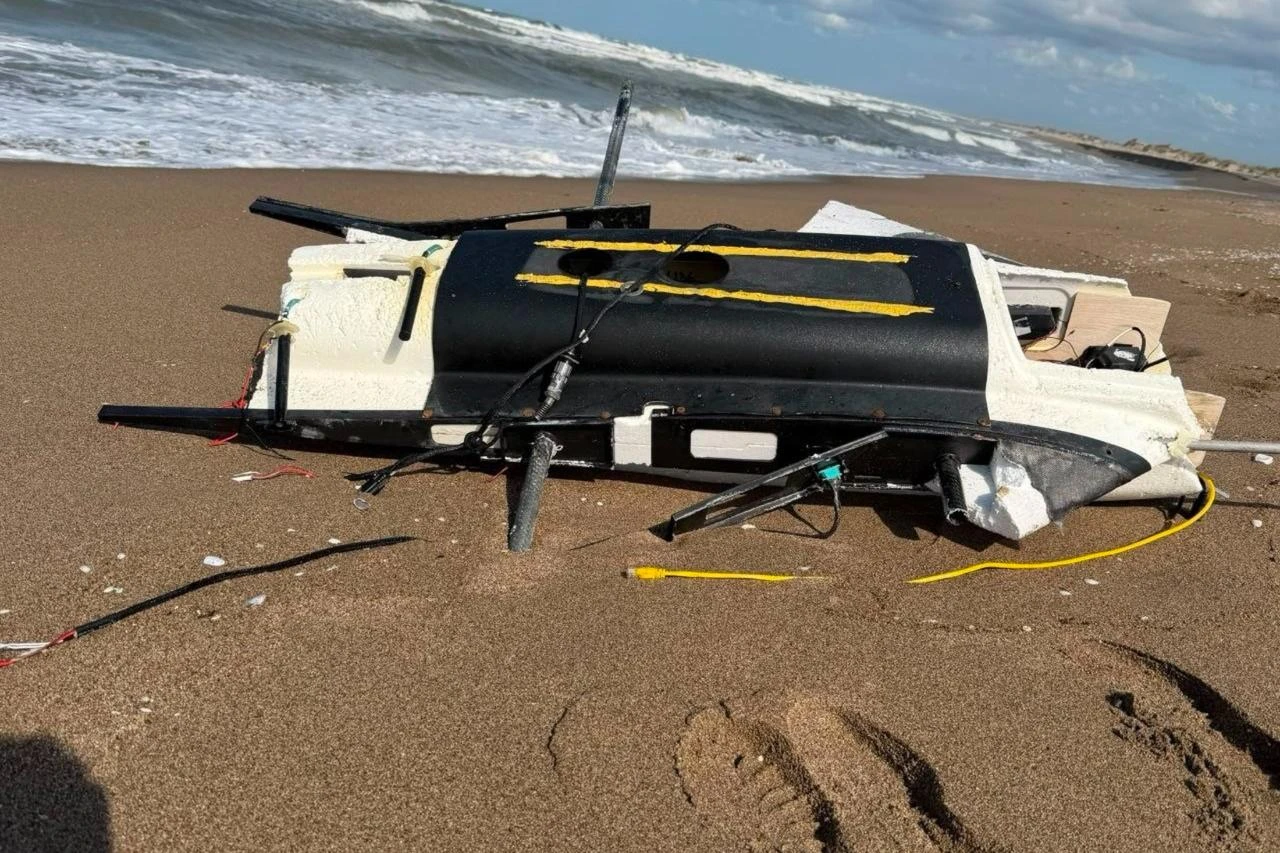


A suspicious object that washed ashore in Sakarya's Kaynarca district prompted a security response Saturday, with authorities determining it was the fuselage of a Gerbera-type unmanned aerial vehicle (UAV) that contained no explosive material.
The object was found on Basoglu Beach after someone reported a suspicious item on the shore to the 112 Emergency Call Center.
Gendarmerie and Coast Guard teams were dispatched to the scene following the report and coordinated with an Underwater Defense Team (SAS), an elite naval specialized unit that functions primarily as an Explosive Ordnance Disposal (EOD) unit, to examine the object once it was located.
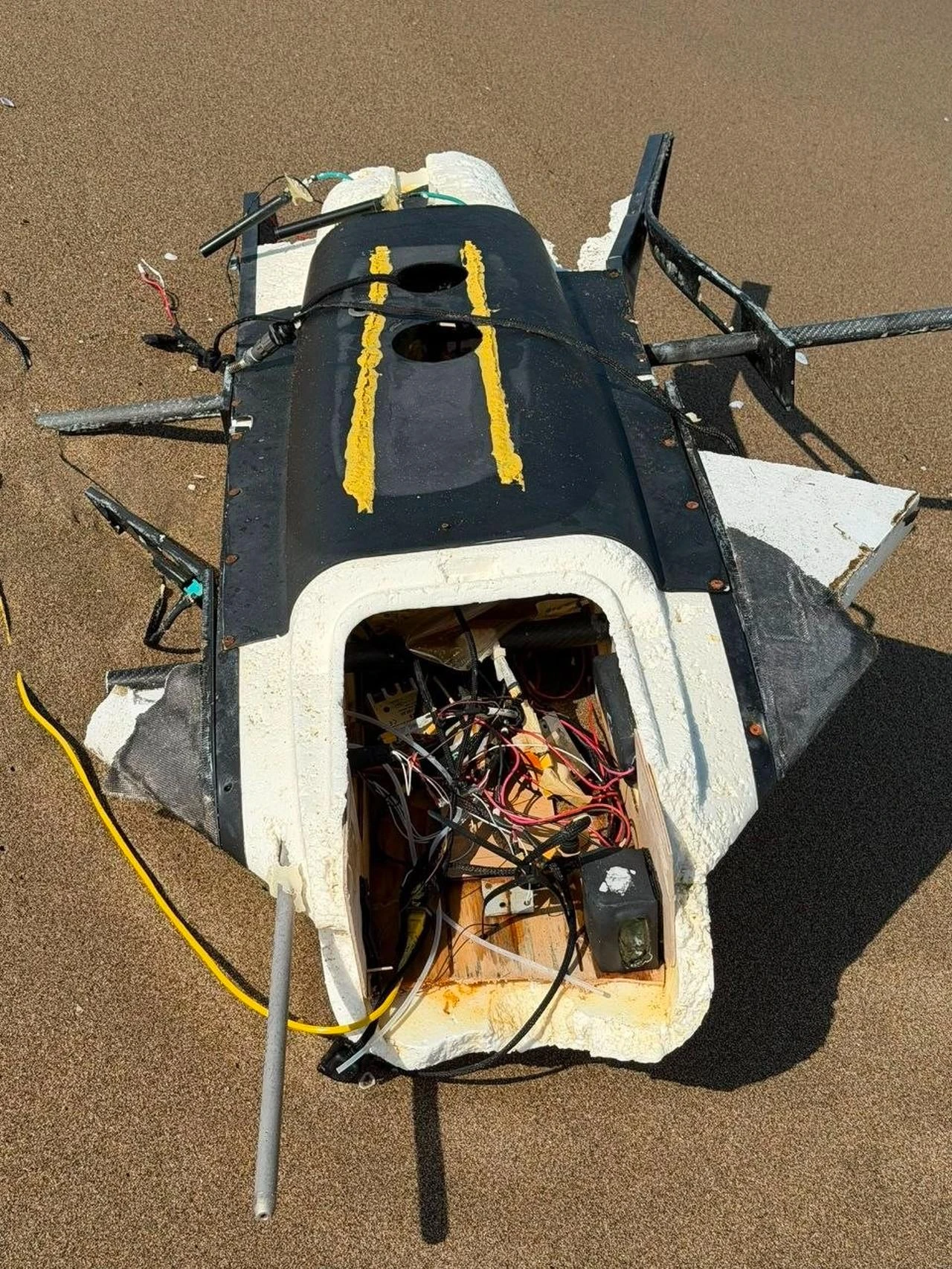
The examination determined the object was the body/fuselage component of a Gerbera-type UAV and contained no explosive material.
Responding teams removed the object from the site.
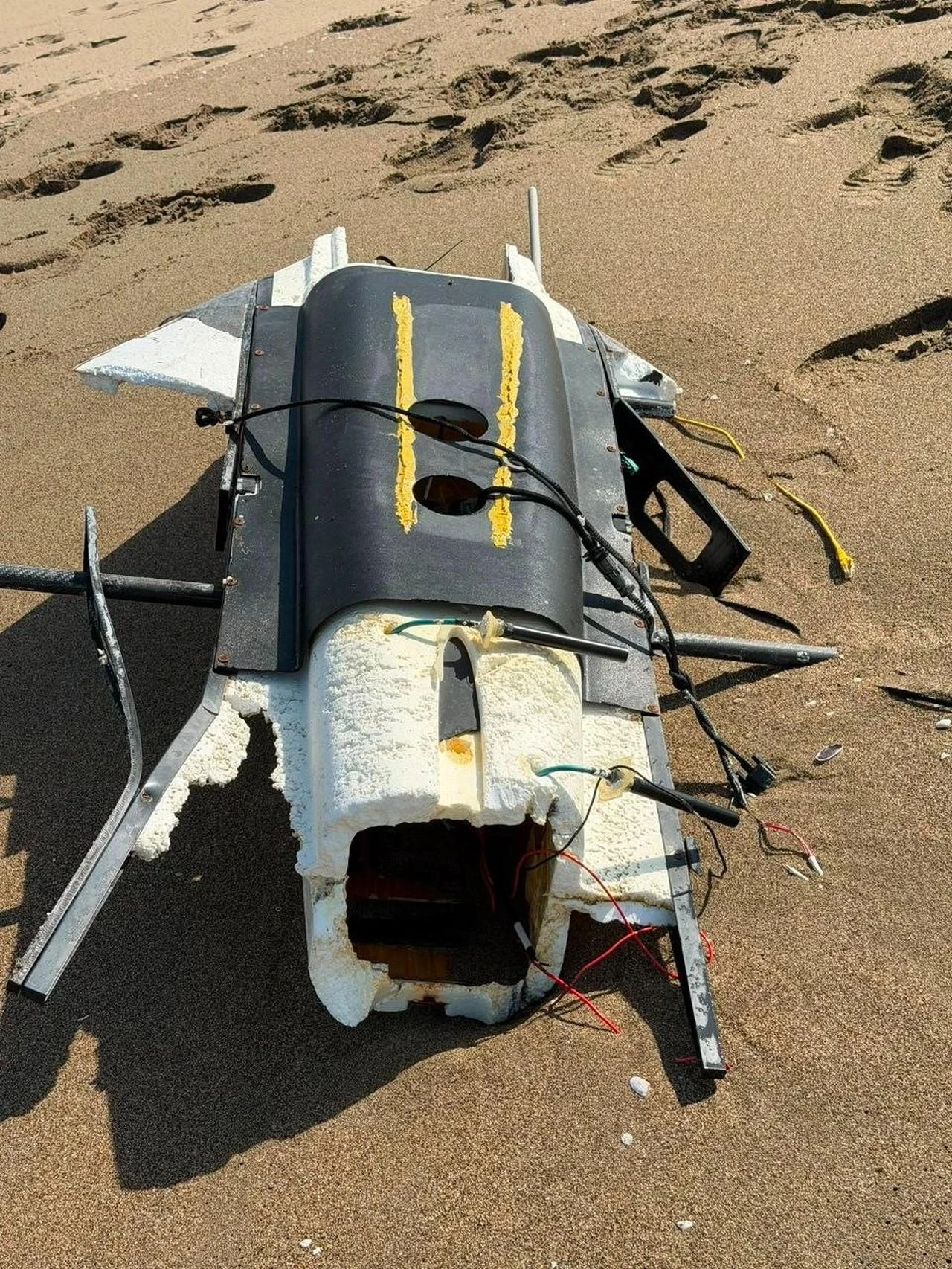

The Gerbera is a Russian-made UAV, cheap and lightweight, primarily used for reconnaissance or as a decoy to saturate air defenses.
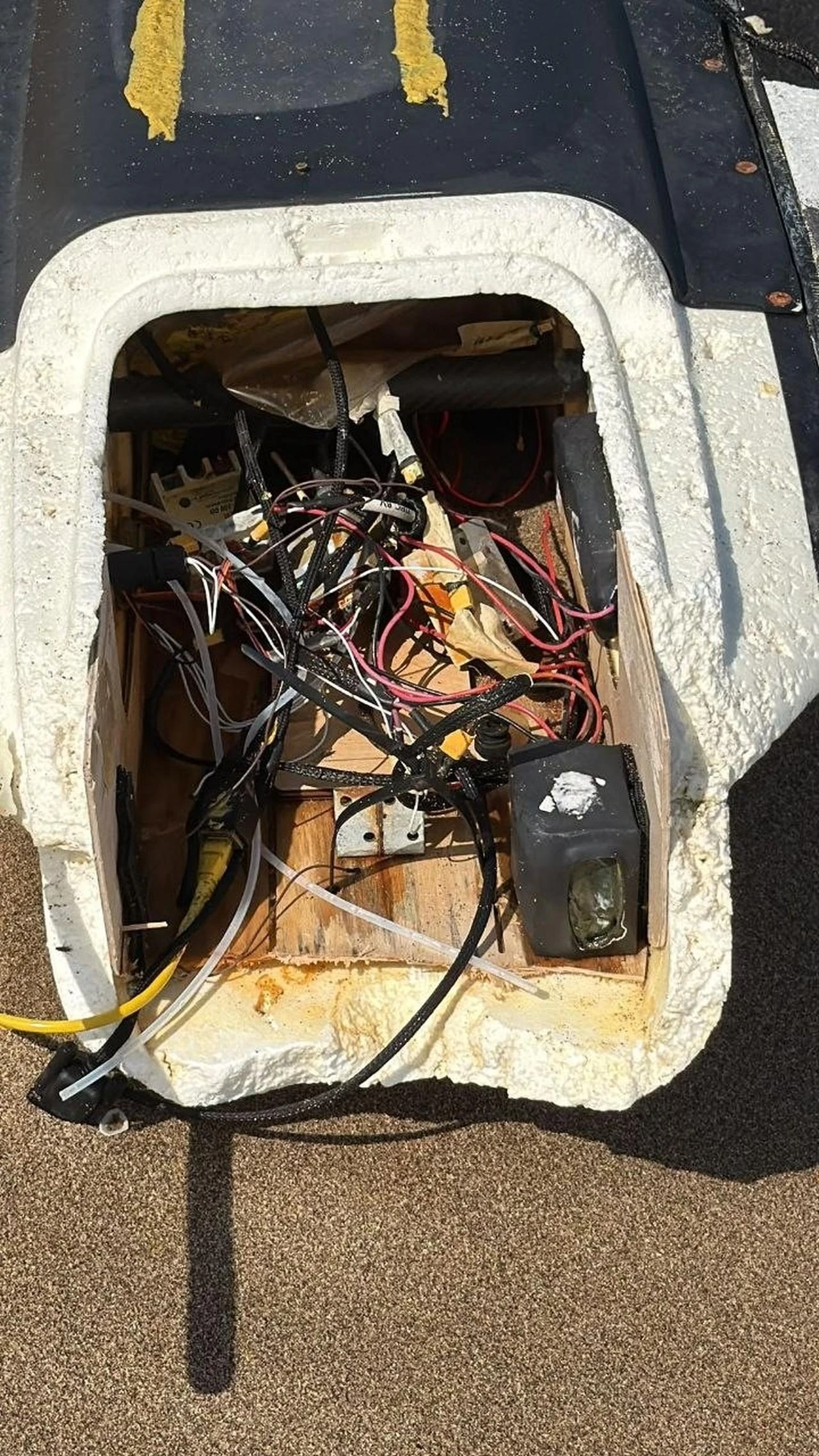
Its airframe is built from styrofoam and plywood to minimize weight and cost, and it is powered by a simple two-stroke gasoline engine, such as the DLE60 model manufactured in China, with a reported maximum effective range of up to 600 kilometers.
A GPS/GNSS module provides guidance. Some variants are used in a one-way attack role, carrying a small warhead weighing a few kilograms, though the drone is not normally equipped with a warhead.
Gerberas have seen extensive use during the Russia-Ukraine war and have also made incursions into Polish airspace. The Gerbera is designed as a decoy one-way attack (OWA) drone, primarily used to increase the survivability of other strike drones by saturating Ukrainian air defenses. It is built from cheaper materials than Russia's Geran-series drones and can carry a payload of up to 10 kilograms in a strike configuration.
Gerbera is frequently used alongside other strike drones and long-range systems to overwhelm air defenses, with its main function being to find gaps in defenses and absorb defensive fire to increase the success probability of other drones. It can also carry command-and-control relay equipment to support larger drone attacks and features direct control and optical reconnaissance capability in addition to its decoy role.
According to open-source data, the Gerbera was first introduced in 2024 and is manufactured by JSC Alabuga Skywalker Technology Co. in Russia. It has a payload capacity of 10 kilograms, an estimated unit cost of about $10,000, and a reported production rate of up to 85 units per day.
The drone measures 2.0 meters in length with a 2.5-meter wingspan and a maximum takeoff weight of 30-40 kilograms. It has a maximum speed of 160 km/h, a cruise speed of 120-140 km/h, and a maximum range of 300-600 kilometers, flying at altitudes between 100 meters and 3,000 meters.
The drone is identifiable by a distinctive loud buzzing sound, often described as resembling an "angry wasp."
The Gerbera's supply chain includes 39 foreign-made components, according to the same data, including 22 of U.S. origin, six from China, five from Switzerland, three from the Netherlands, two from Germany and one from Taiwan.
The Sakarya find is the latest in a long series of drone discoveries along and near Türkiye's Black Sea coastline since the start of Russia-Ukraine war, with devices found or crashing in provinces including Ordu, Zonguldak, Bartin, Samsun, Artvin, Balikesir and Istanbul.
In several previous cases, examined drones were assessed to be of Russian origin, including Geran-2 models based on Iran's Shahed-136 design, while others were identified as Ukrainian-type or unidentified systems.
Some devices recovered in earlier incidents were found to be armed and required controlled destruction by explosive ordnance disposal or naval commando teams, including an armed drone loaded with munitions that crashed on Kapisuyu Beach in Bartin's Kurucasile district in June, and a U.S.-made AEGIR-W unmanned surface vessel (USV) carrying an active warhead that washed ashore in Ordu's Unye district in March and was towed offshore and destroyed by Turkish Navy explosive ordnance disposal units.
Others, including a Russian-assessed Geran-2 drone found on the Ordu coast in February, were confirmed to contain no explosives before being handed to police for technical examination, consistent with Saturday's finding in Sakarya.
Turkish officials have previously said they are closely monitoring the risk drone incursions pose to the country and maintain contact with relevant parties to prevent further escalation.


 Set as preferred source
 Set as preferred source



 2 min read