Newsletters


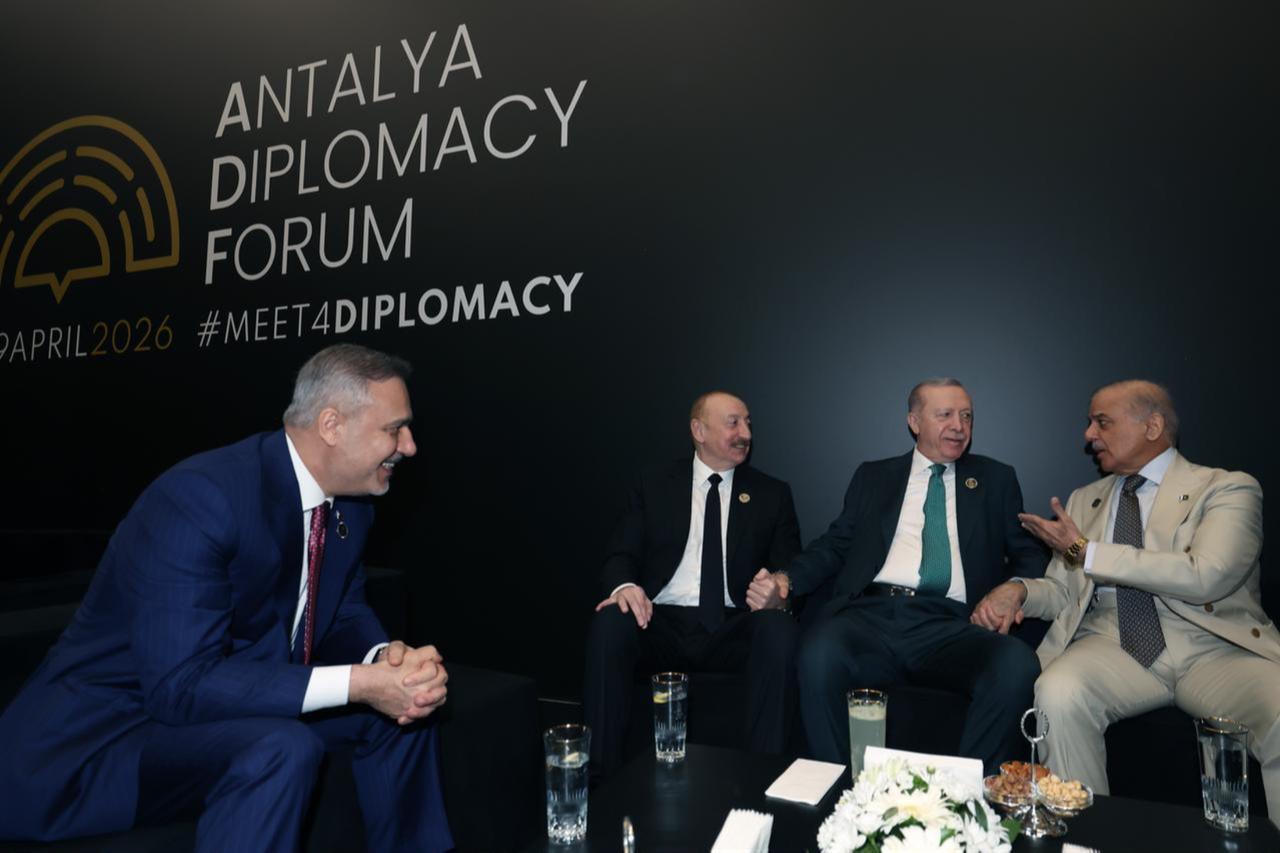


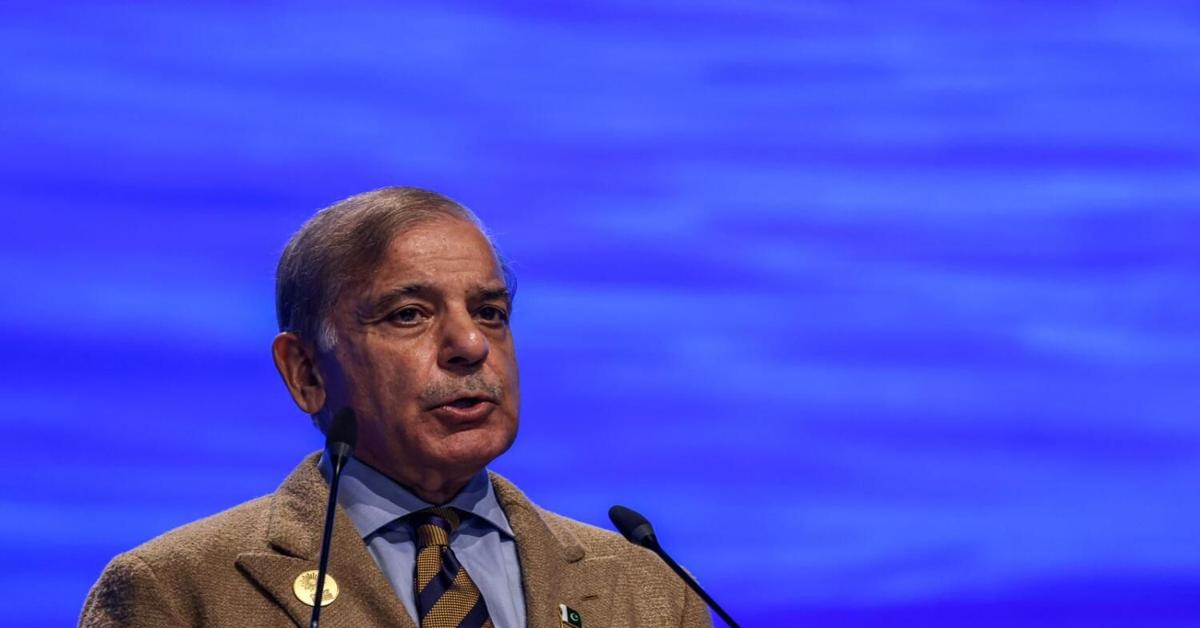
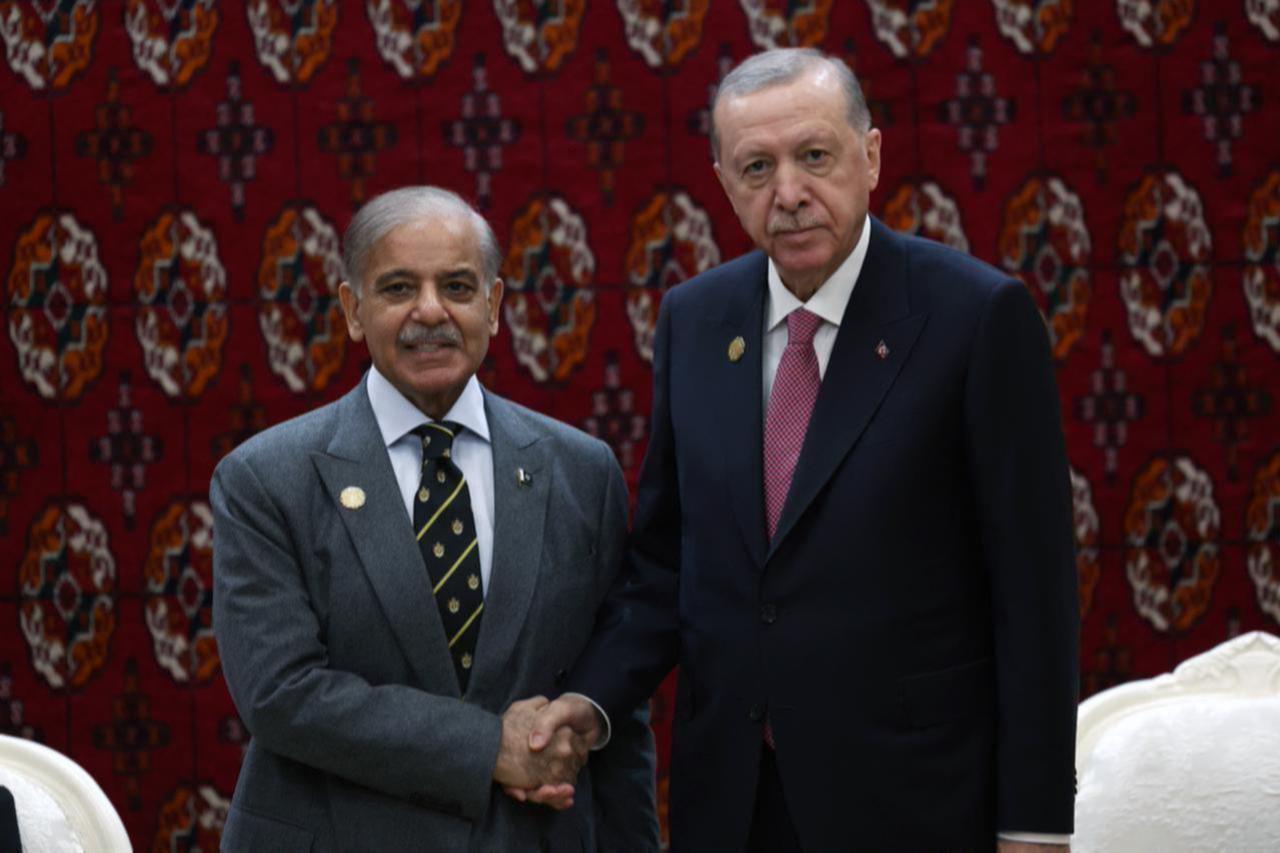
Pakistan, Pakistani Prime Minister Shehbaz Sharif said Sunday that his recent engagements with the leadership of Saudi Arabia, Qatar and Türkiye had been "most helpful" in building consensus around a sustained process of dialogue and diplomacy, as Islamabad prepares to host a second round of US-Iran nuclear talks expected as early as Tuesday.
Sharif made the remarks during a 45-minute phone call with Iranian President Masoud Pezeshkian, in which he briefed the Iranian leader on his three-nation tour and reaffirmed Pakistan's commitment to advancing a negotiated settlement to the Middle East conflict.
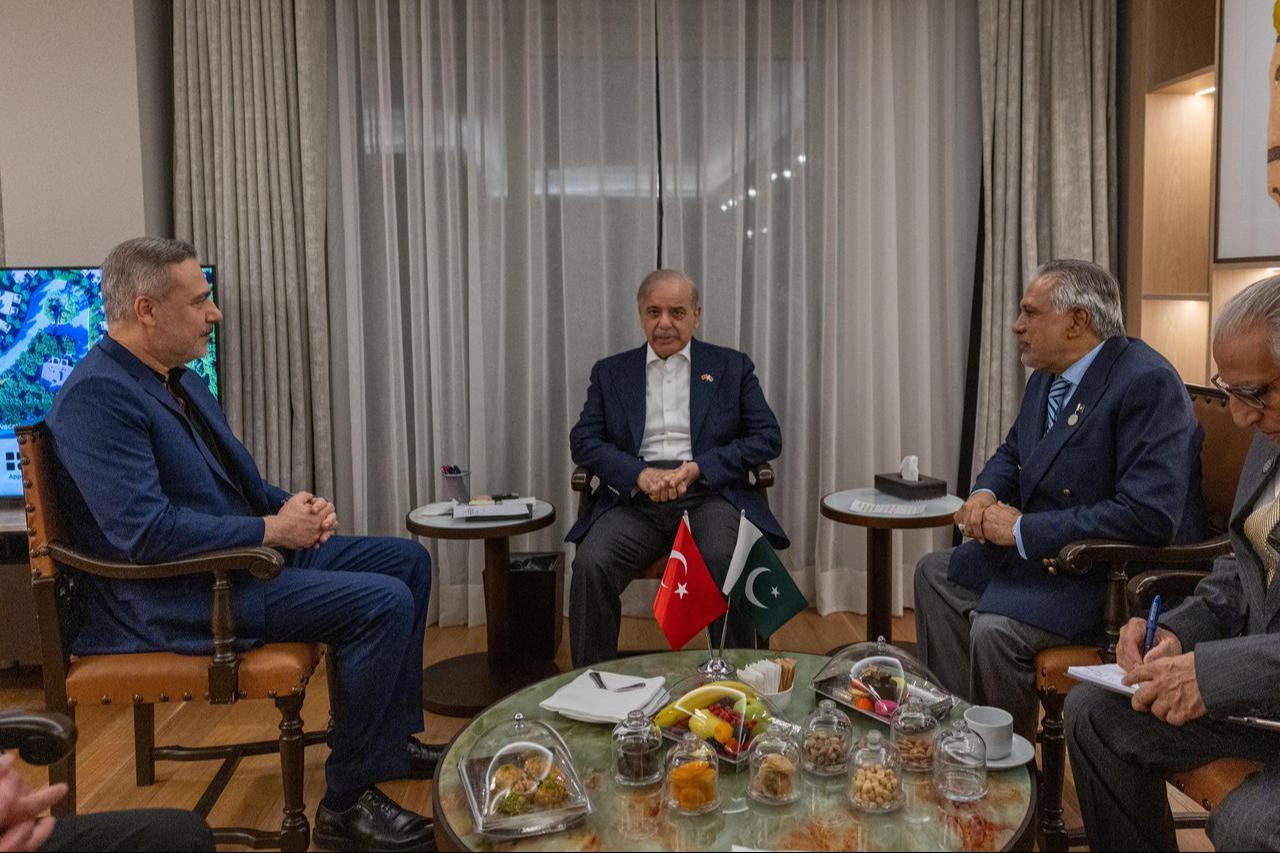

Pakistan's Prime Minister's Office said Sharif told Pezeshkian that his meetings with Gulf and Turkish leadership were central to Islamabad's ongoing efforts to build the kind of broad regional backing needed to sustain a credible peace process. Sharif framed the conversations not as a side effort but as an integral part of Pakistan's wider push for lasting peace in what he called a "war-ravaged region."
He also thanked the Iranian leadership for what he described as "constructive" conversations with Pakistan's army chief, Gen. Asim Munir, who completed a three-day visit to Tehran earlier in the week, and conveyed his regards for Iranian Supreme Leader Ayatollah Mojtaba Khamenei. Reaffirming Islamabad's role, Sharif said Pakistan, with the support of "friends and partners," would remain fully committed to its "honest and sincere efforts to advance regional peace and security."
Pezeshkian, in turn, thanked both Sharif and Munir for Pakistan's "strong commitment to the success of the peace efforts," and said bilateral relations between Iran and Pakistan would continue to grow stronger in the period ahead.
The diplomatic push comes ahead of what is shaping up to be a significant moment in US-Iran relations. The first round of direct talks, hosted by Pakistan on April 11-12, was itself a rare instance of engagement between the two longtime adversaries, who have not maintained formal diplomatic relations since the 1979 Islamic Revolution.
A second round is now expected in Islamabad on Tuesday, possibly extending into Wednesday. US President Donald Trump confirmed the schedule in remarks to Fox News, while a White House official told Anadolu Agency that Vice President JD Vance and special envoys Steve Witkoff and Jared Kushner are expected to make the trip, signaling a high-level American commitment to the process.
Despite the diplomatic activity, the atmosphere heading into Tuesday's session is fraught. Iran said Sunday that progress has been hampered by what it described as excessive US demands, shifting positions, a continued naval blockade, and threatening rhetoric from Washington.
State news agency IRNA said American demands were "excessive, unreasonable, and unrealistic," and accused Washington of maintaining "contradictory positions" throughout negotiations.
Both sides have also accused each other of violating a fragile two-week ceasefire set to expire on April 22, adding urgency, and tension, to the upcoming round of talks.


 Set as preferred source
 Set as preferred source


 1 min read
 1 min read