Newsletters


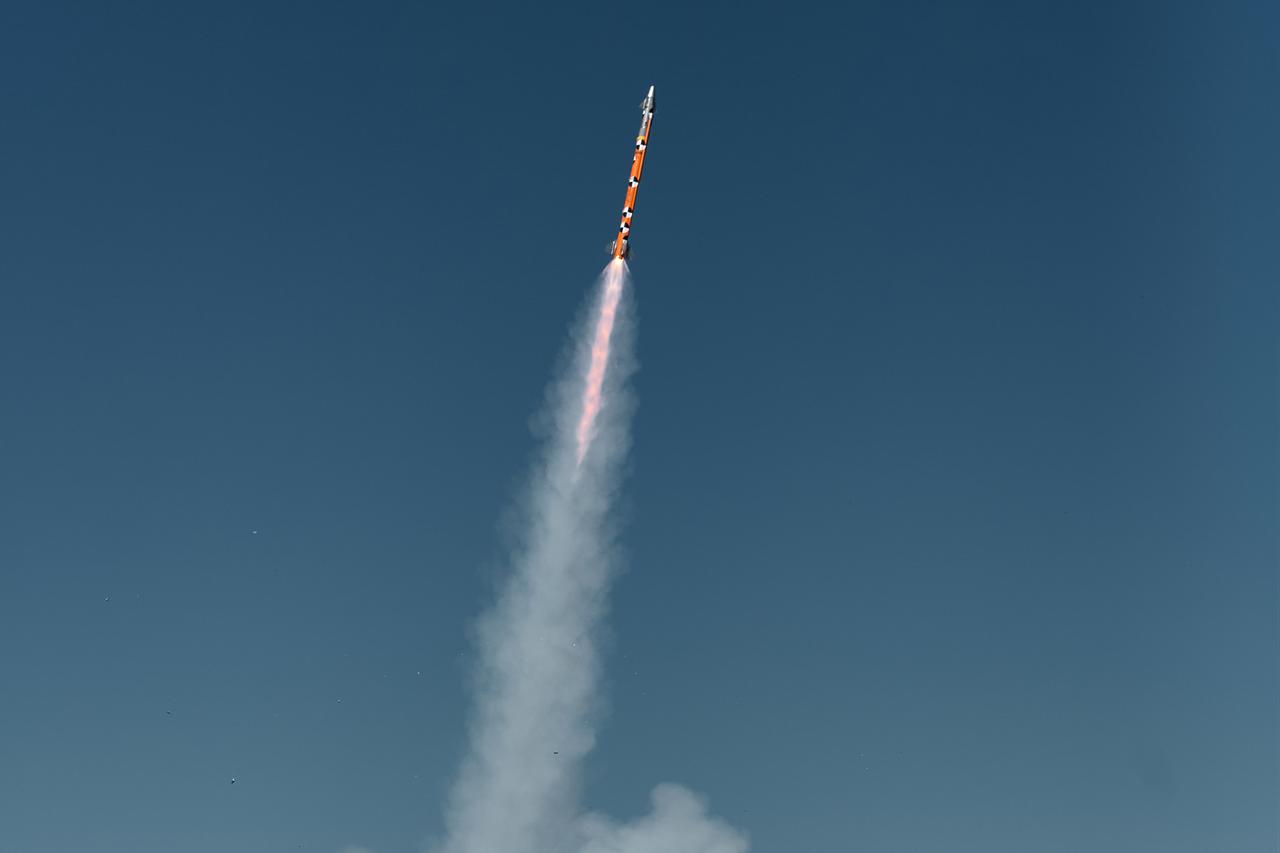
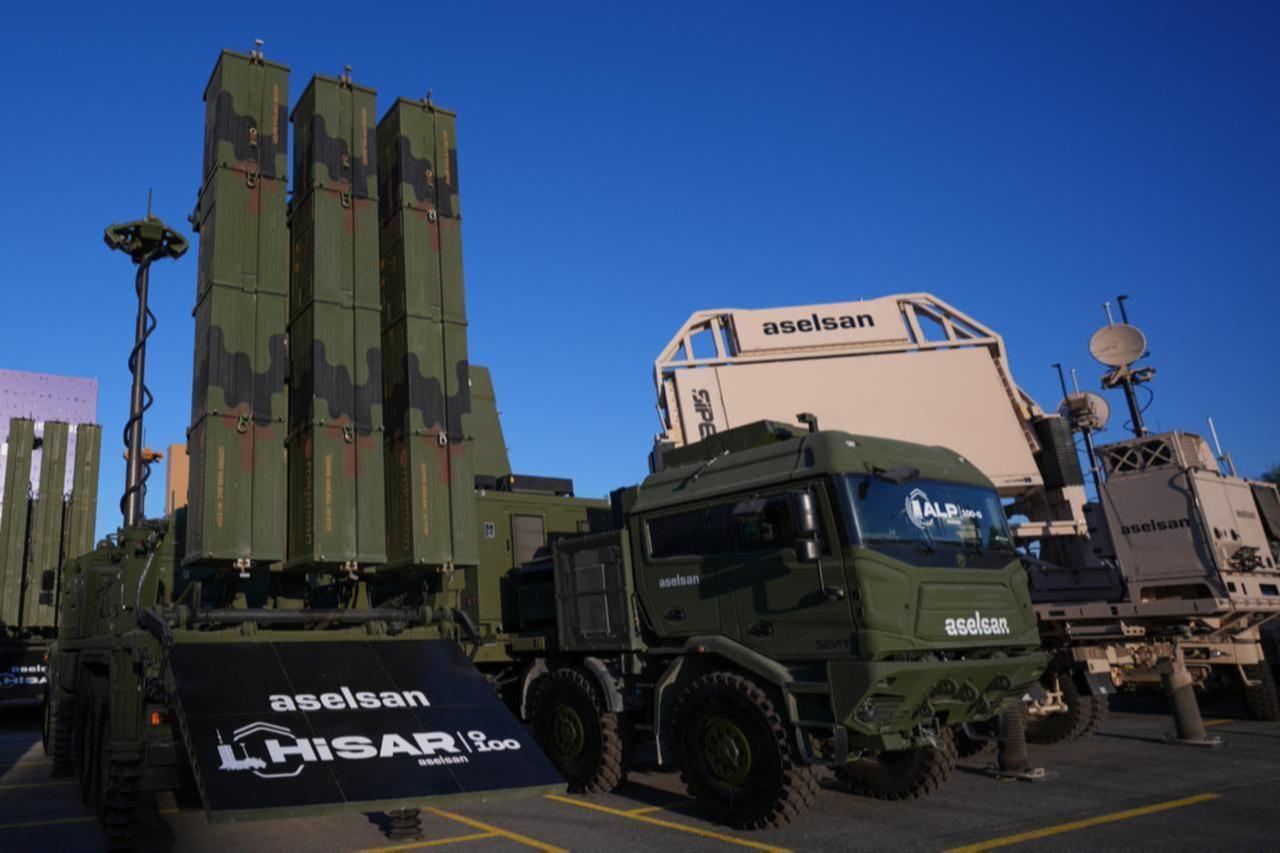
Türkiye's Siper-2 long-range air and missile defense system destroyed a new target that was assigned after the missile had already been fired, demonstrating mid-flight retargeting for the first time.
The October test, conducted against sea-skimming targets, strengthens the long-range layer of Türkiye’s Steel Dome air defense architecture, Defense Industry Agency (SSB) head Haluk Gorgun said.
"In defending the ‘Sky Homeland,’ we are strengthening the long-range layer of Steel Dome and increasing our reaction capacity against changing threats," Gorgun said on social media.
Roketsan said Siper Product-2 demonstrated its in-flight target-change capability for the first time and shared a video of the test.
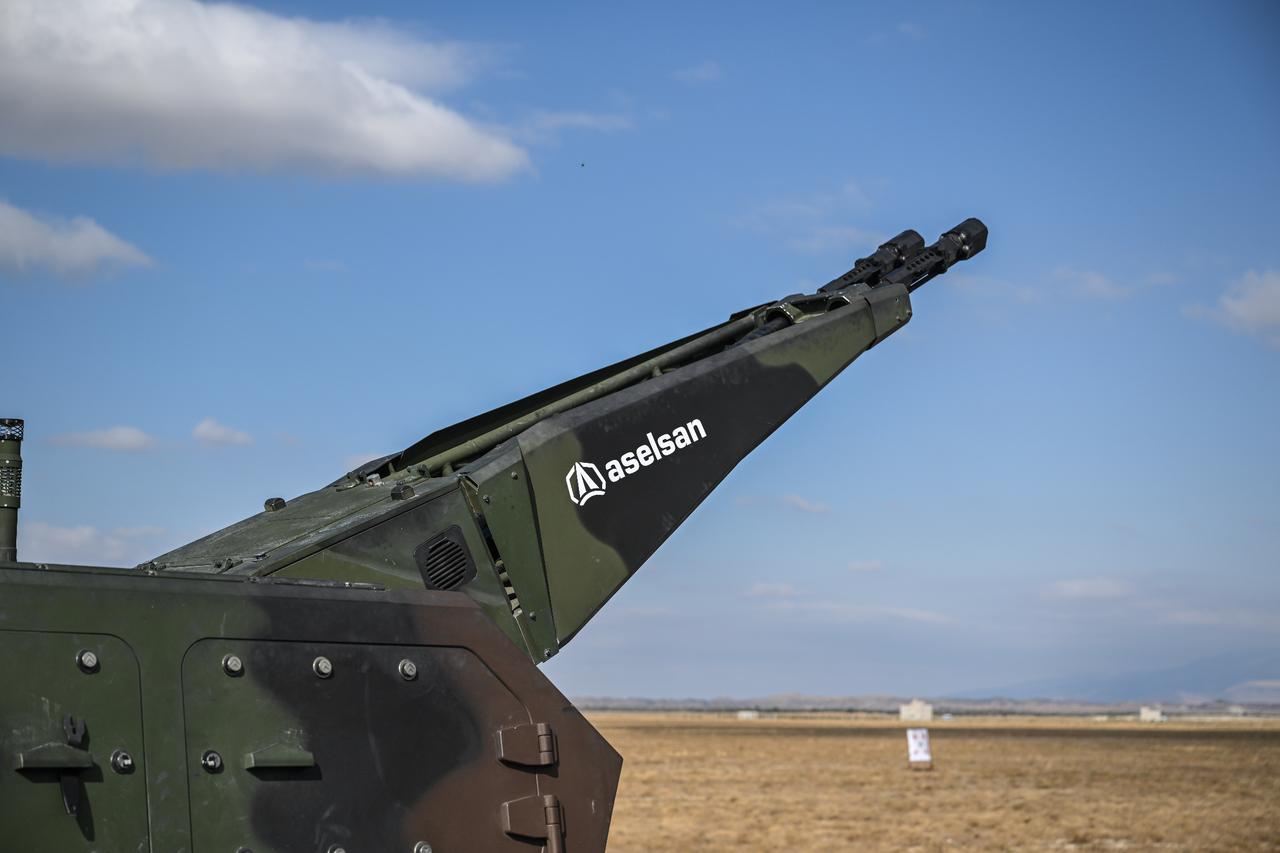
"Siper 2 successfully carried out its engagement capabilities against targets cruising close to the sea," Aselsan said. "Engagement on the first target and, after firing, switching the missile’s engagement to a second target, as well as midcourse guidance and terminal guidance capabilities, were tested."
In the midcourse phase, Siper is guided by updates from the fire-control radar, while its active radar seeker takes over in the terminal phase.
Aselsan CEO Ahmet Akyol said the use of a sea-skimming target also made the test important for naval use under the Siper-2D variant.
"With the advanced capabilities we have developed against changing threat scenarios, we are strengthening the effectiveness of our Steel Dome and increasing operational flexibility in our air defense," Roketsan said.
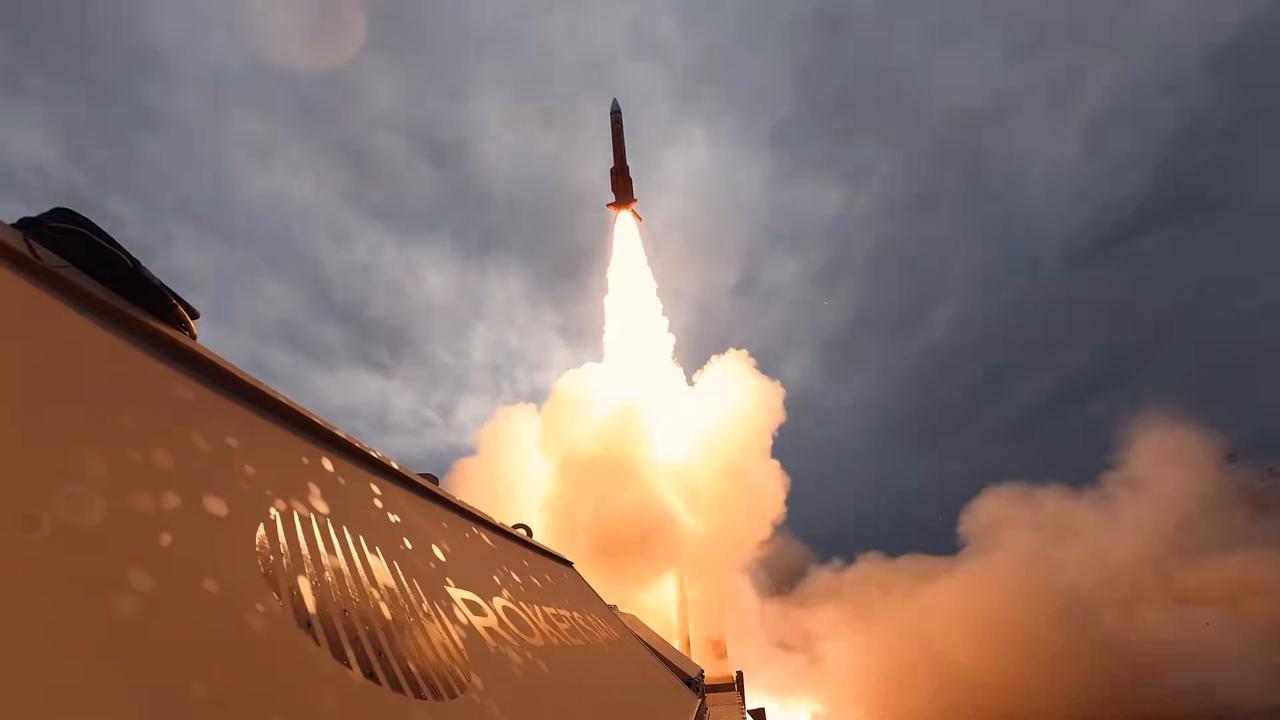

Redirecting a missile already in flight gives an air defense battery flexibility in combat, allowing it to turn to a priority threat without firing a new interceptor and making more efficient use of missile stocks.
The capability can also help avoid wasting missiles on decoys or false radar targets, especially against adversaries likely to use electronic attacks.
Sea-skimming targets are among the hardest for radars to detect and track, as anti-ship cruise missiles typically fly that profile.
Developed by Aselsan, Roketsan and TUBITAK SAGE under SSB coordination, Siper Block-2 has an intercept range of more than 150 kilometers and an intercept altitude of about 30 kilometers. It uses the AGRAS 400/SA active RF seeker and a new single-stage airframe.
On June 16, 2026, Siper Block-2 hit a maneuvering target beyond 150 kilometers. Its first test firing took place in Sinop in August 2023.
The Block-1 version entered the inventory in October 2024 and reached full operational capability in June 2026.
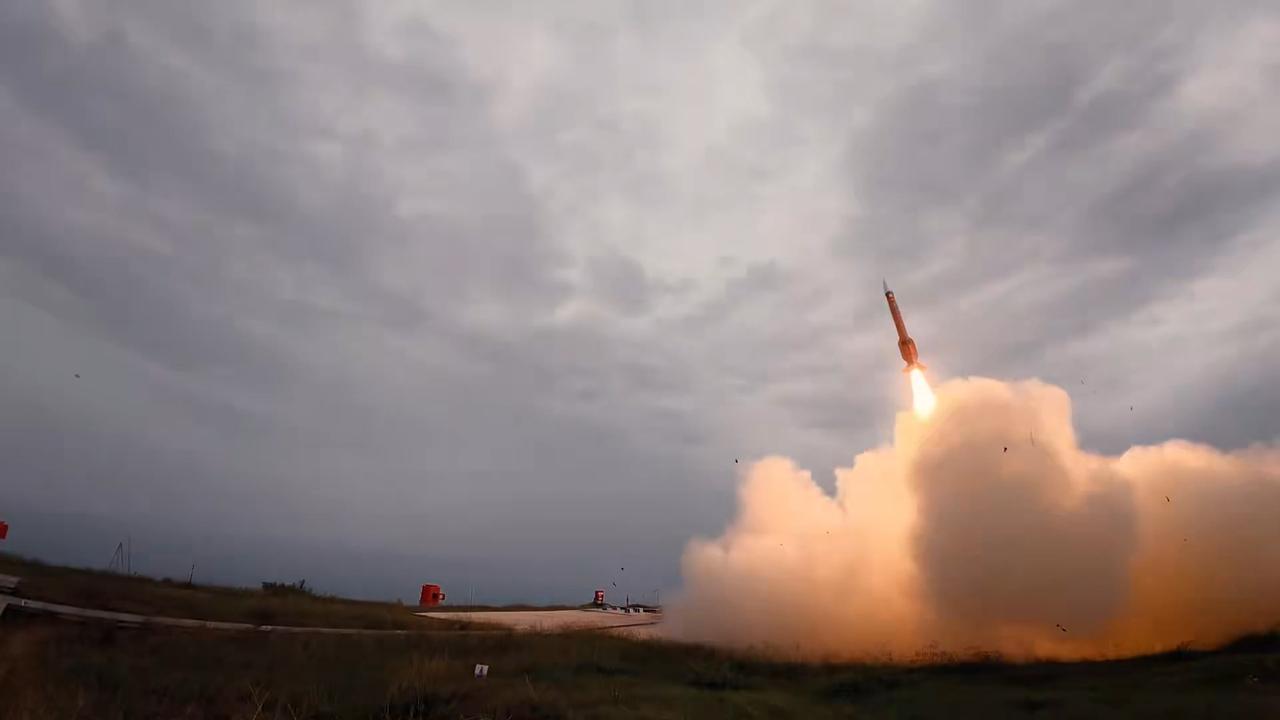
"About 1,000 subcontractor firms involved in the Siper project are developing their own competencies within our ecosystem," Gorgun said, adding, "Under the leadership of our President Mr. Recep Erdogan, we are building our fully independent defense industry step by step."
Industry and Technology Minister Mehmet Fatih Kacir called the missile "the Long-Range Shield of Steel Dome."
“As our layered air defense architecture grows stronger with domestic and national systems, Siper-2’s successful firing test has once again demonstrated the development of our technological capabilities in long-range air defense and the strong cooperation between TUBITAK SAGE, Aselsan and Roketsan," Kacir said on X.
"I wholeheartedly congratulate all our stakeholders working day and night with the goal of full independence in the defense industry," he added.
With the test, Siper-2 moved a step closer to entering the inventory.


 Set as preferred source
 Set as preferred source


 1 min read

 1 min read