Newsletters


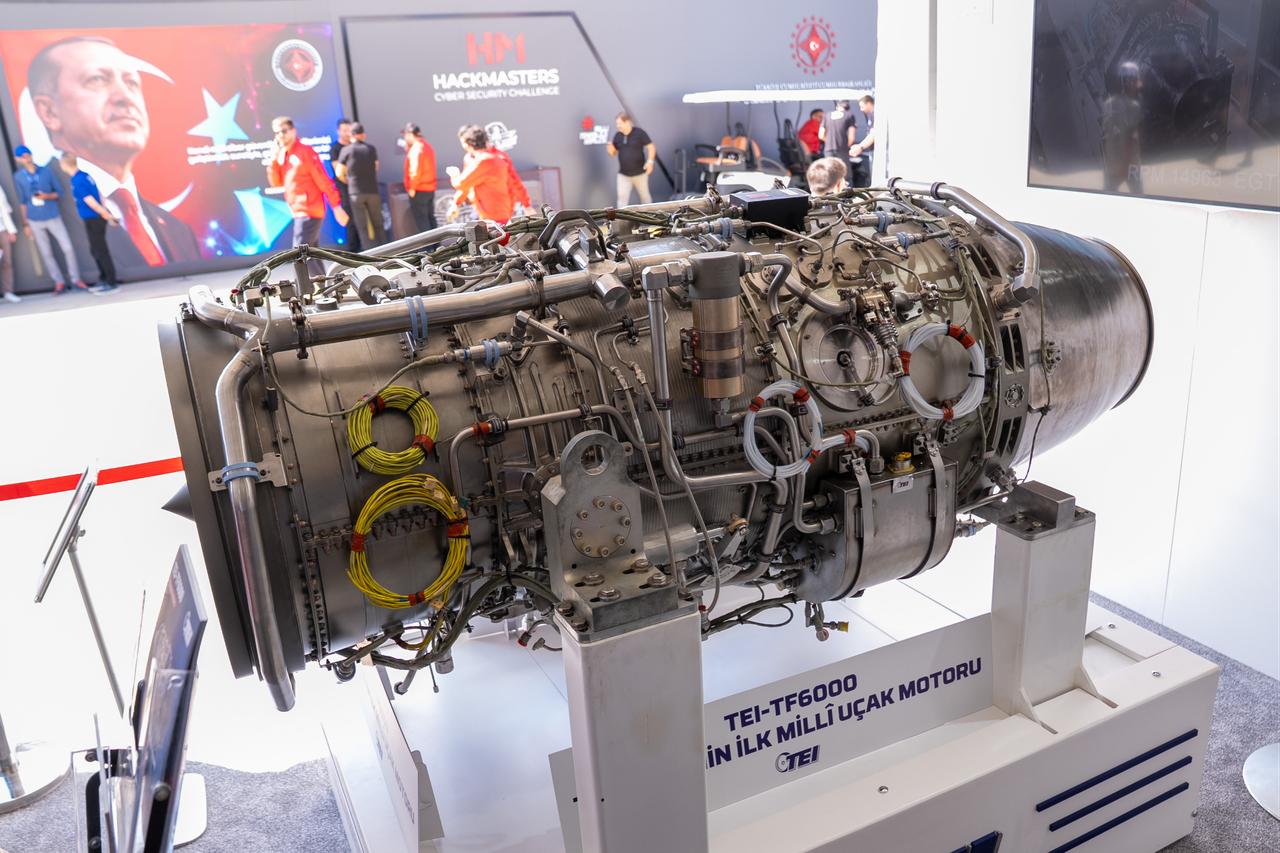


Turkish engine maker TUSAS Engine Industries (TEI) plans to deliver its TF6000 turbofan to Baykar around the end of this year or early next year, General Manager Mahmut Faruk Aksit said, as the company prepares engines for the Kizilelma unmanned fighter aircraft (UFA) and the Gokbey helicopter.
"If nothing goes wrong, we plan to deliver our TEI-TF6000 engine to the Baykar team first around the end of the year or the beginning of next year," Aksit told Türkiye's state-run Anadolu Agency (AA) at the Teknofest festival in Sanliurfa.
Domestic engines are among the last major foreign-dependent components of Türkiye's flagship air platforms.
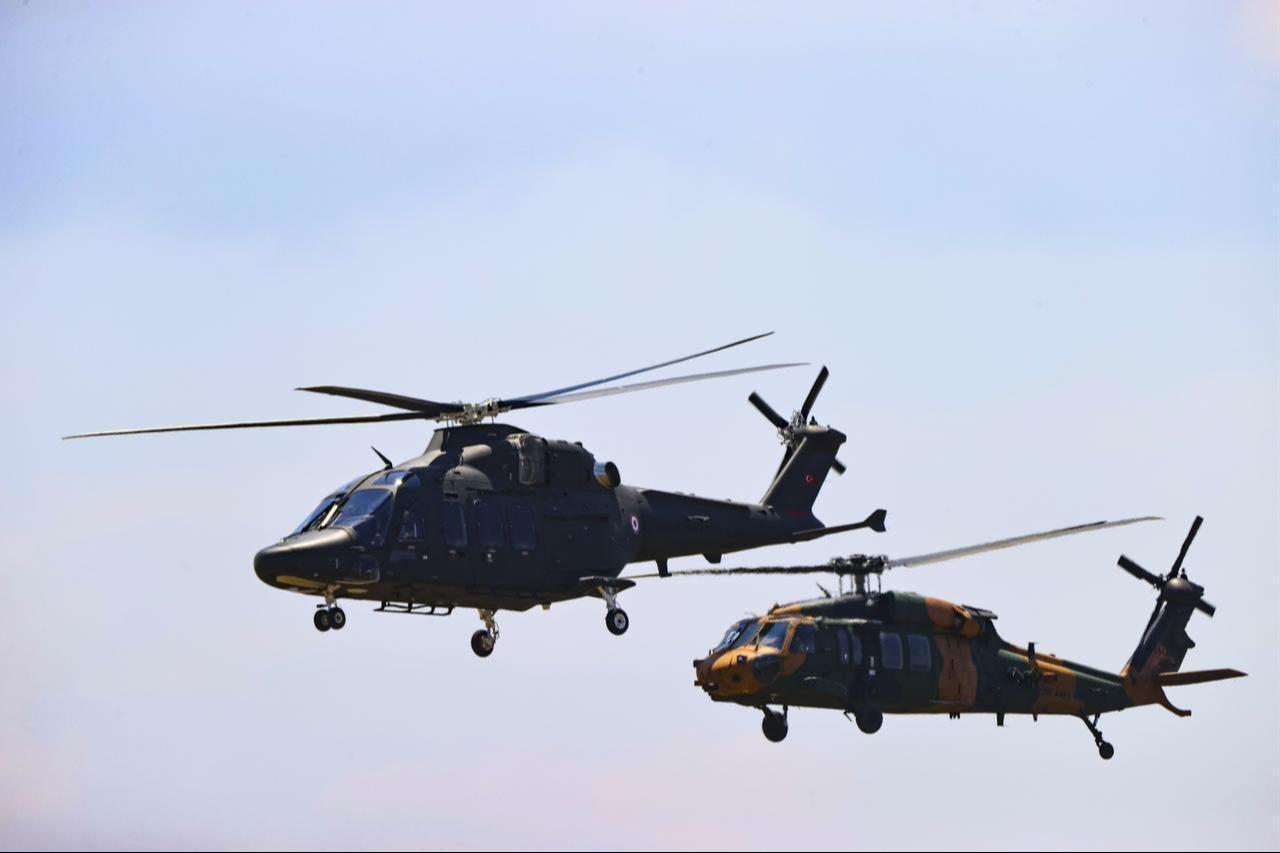
TEI's TF6000 is intended for Baykar's Kizilelma, while its TS1400 turboshaft is set to power the Gokbey general-purpose helicopter.
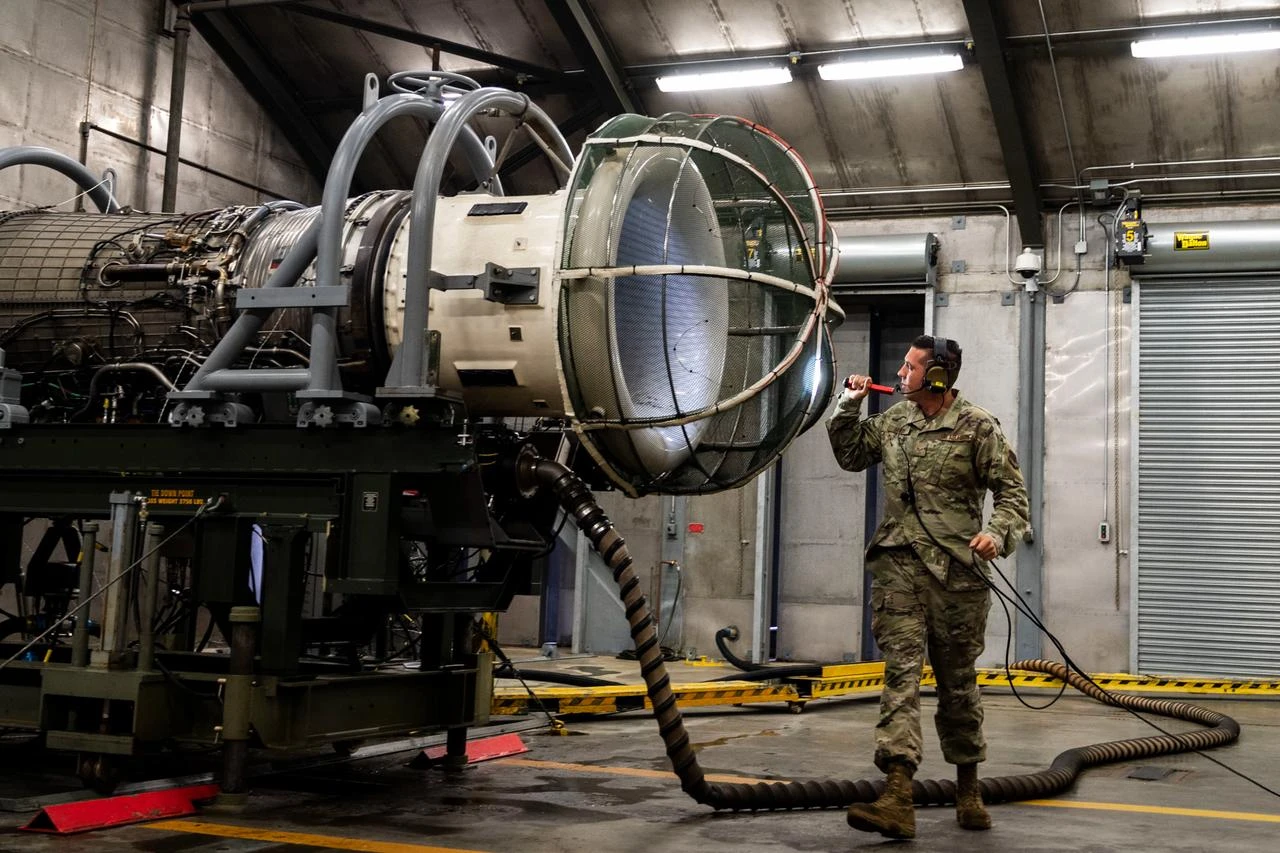
Aksit said TEI has carried out numerous tests since the TF6000 was first run and that the team believes the engine has reached flight maturity.
After the TF6000 comes the larger TF10000, which TEI aims to run before the end of next year, Aksit said.
Kizilelma, which is powered by a turbofan engine, has a maximum speed of 0.9 Mach and a maximum takeoff weight of 8.5 tons.
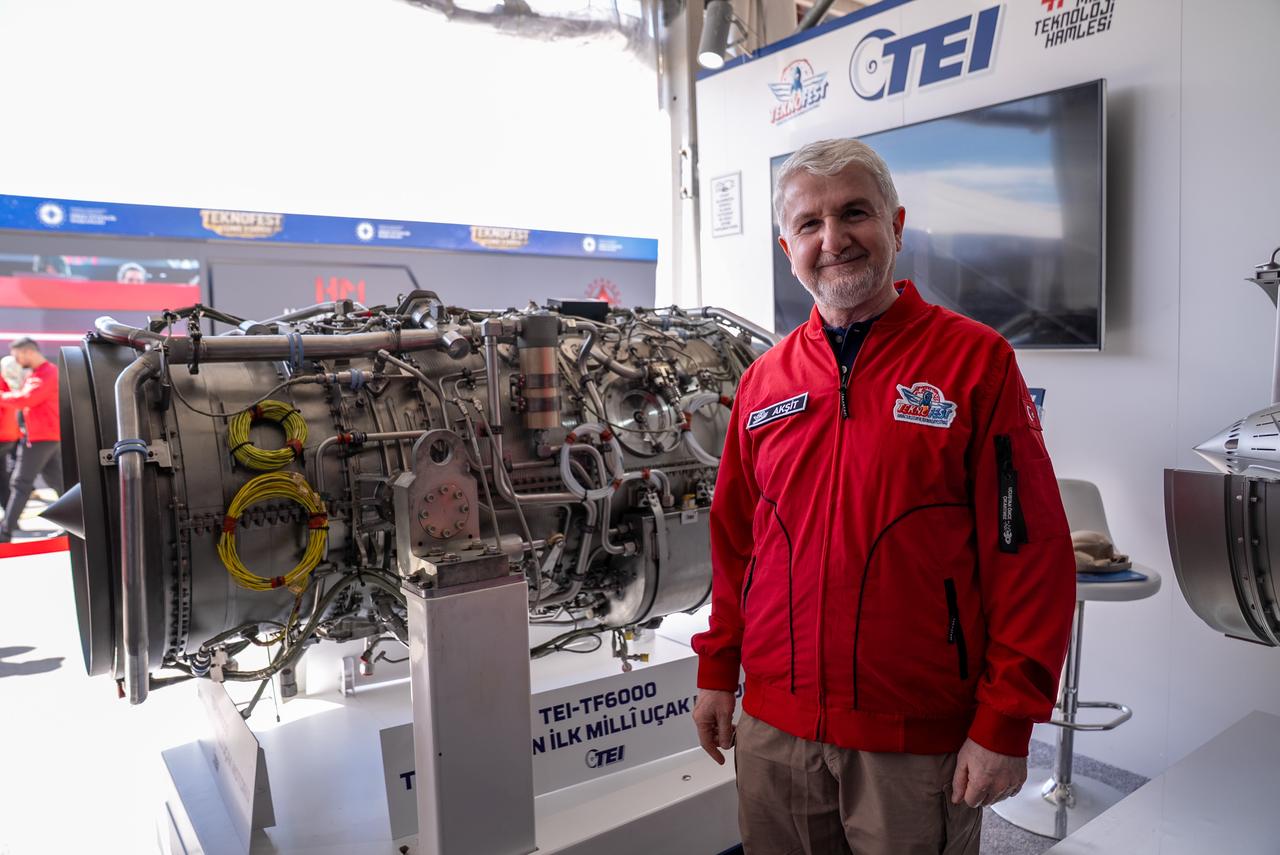

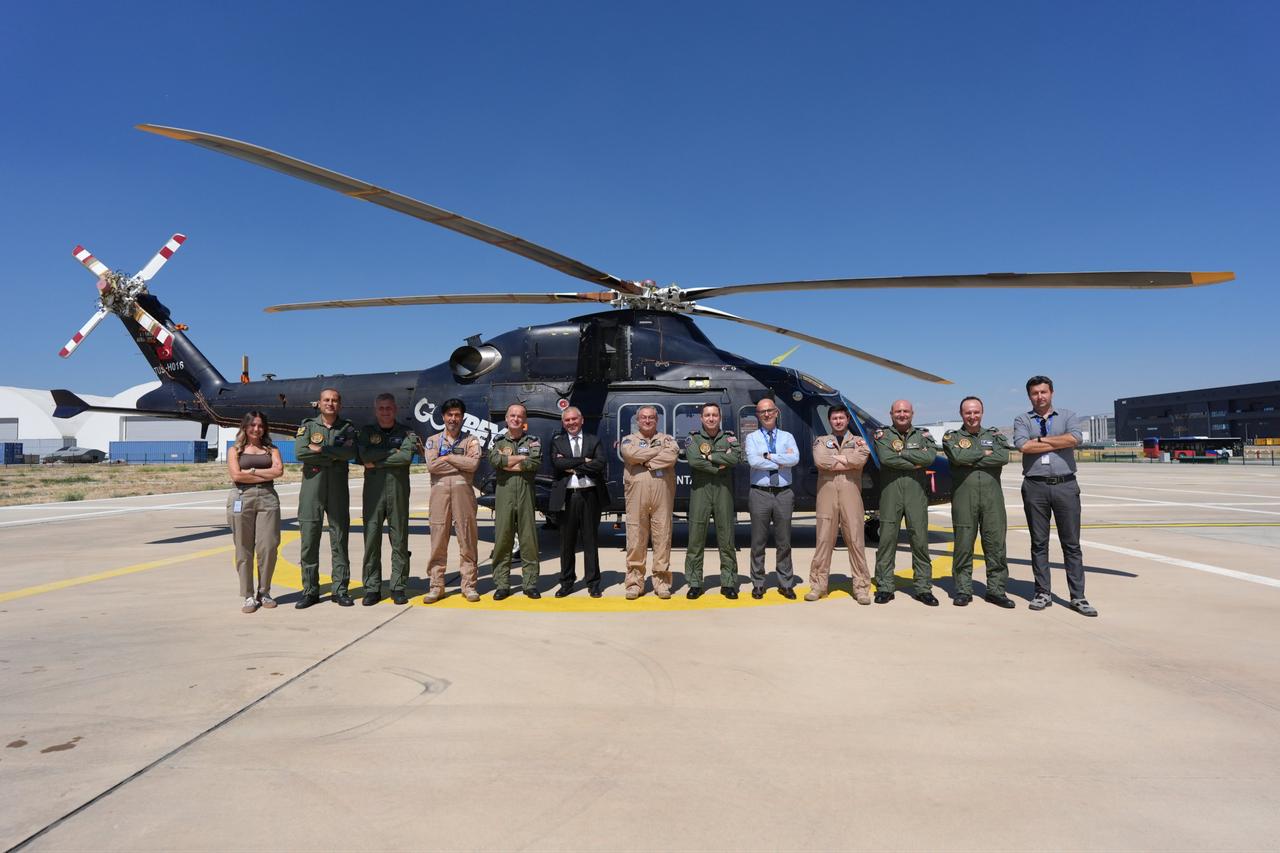
Aksit said the TS1400 turboshaft engine, which first powered a Gokbey prototype in April 2023, is ready for flight.
"We can definitely say that it is now at flight maturity. In fact, as of now, our serial production engines are also ready," he said.
"What we are waiting for GOKBEY to meet the national engine and reach the customer and the inventory serially is the type certificate, the completion of the final certification stage," he added.
"This is a bureaucratic process, as you know. It takes time, and we need to do a lot of testing in front of the supervisory institution. For this, we are currently putting 8 different engines into parallel testing," Aksit said.
Aksit said part of TEI's engineering team was split off into a new company, TEITECH, to develop military and strategic engines under full state ownership.
"It was decided that military and some strategic engines would be carried out 100% state-owned, and in this way we split into two as TEI and TEITECH," he said.
TEITECH will work on the National Combat Aircraft engine and a new heavy-class helicopter engine.
TEI's R&D team has grown from about 80-90 people to 1,200-1,300 over the past decade, Aksit said, with total engine engineering staff nearing 2,000.
TEI continues exporting to a technologically advanced country that has asked to remain anonymous, and began talks with another new customer in recent months, Aksit said.
Export decisions are subject to state approval.
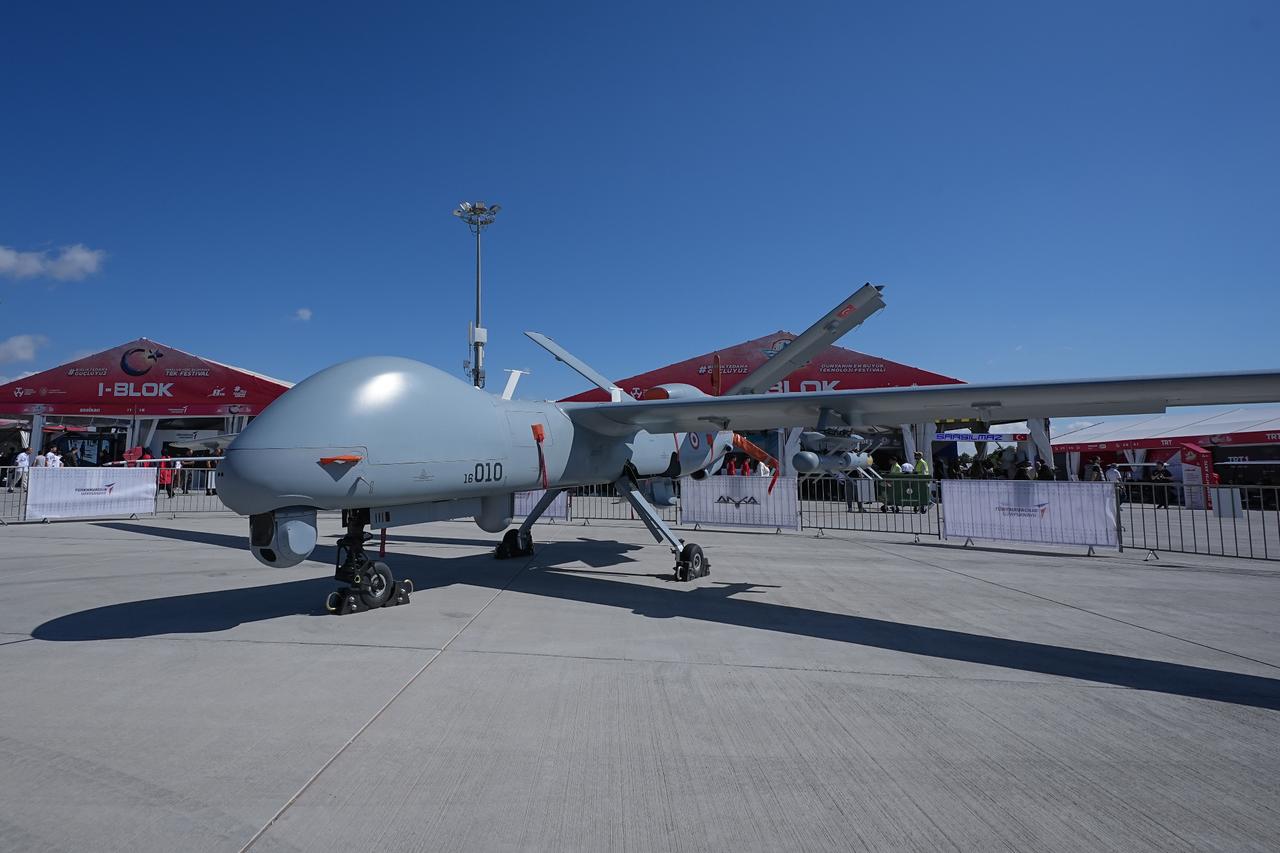
TEI's UAV engines, flying on the Bayraktar TB3, Aksungur and Anka, have logged 20,000 flight hours.
"We passed 100 engines this year. Perhaps we will soon see figures in the 200s," Aksit said.


 Set as preferred source
 Set as preferred source


 1 min read
 1 min read