Newsletters


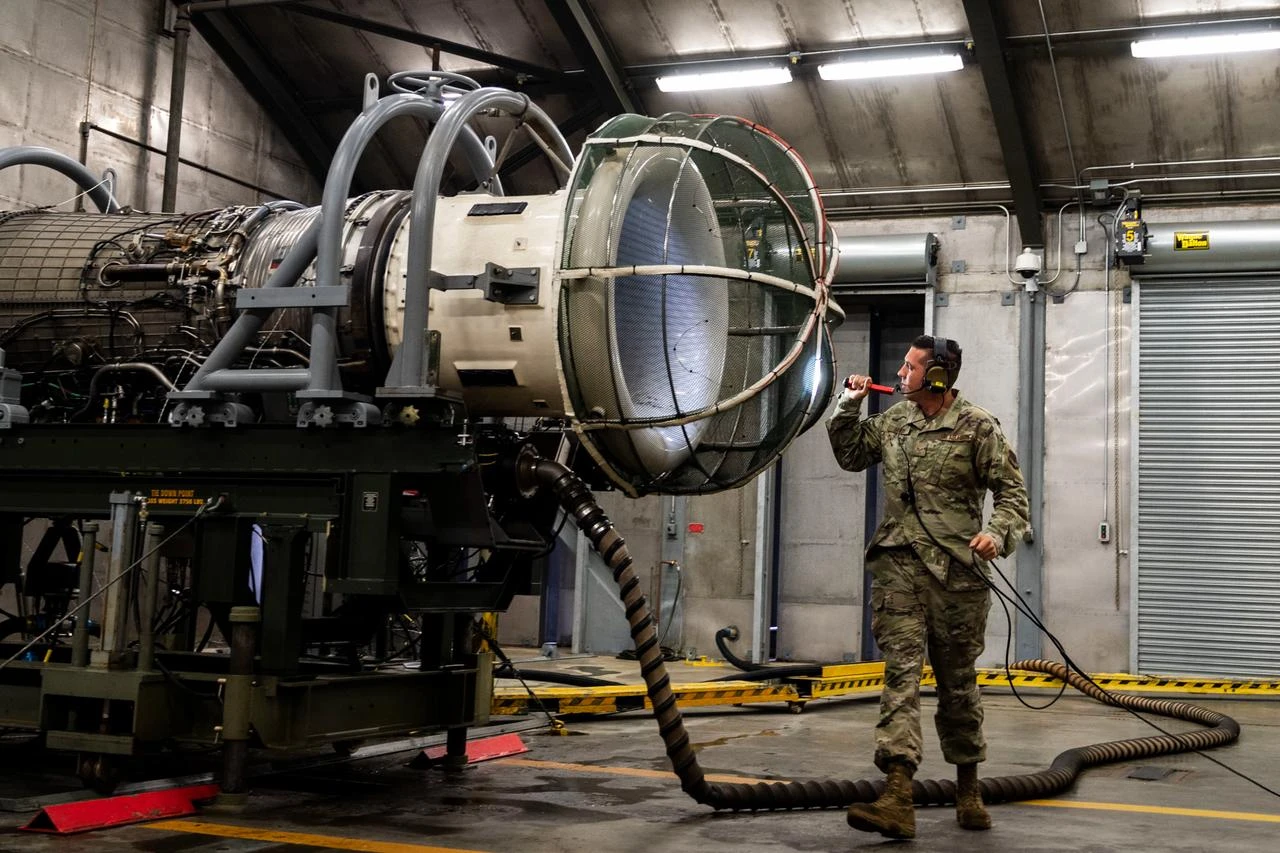


Türkiye has revised its industrial strategy for the GE Aerospace F110 engines intended for the KAAN combat aircraft, shifting its priority from securing licensed local production toward using the associated offset package to obtain new technologies, rights, and higher-value work packages, defense outlet TurDef reported.
Türkiye's publicly stated objective had previously been to obtain a license allowing TUSAS Engine Industries (TEI) to manufacture the engines in Eskisehir, according to TurDef.
That priority has now reportedly shifted toward using the industrial participation and offset package to secure technologies, rights and higher-value work packages not currently available to the Turkish propulsion industry.
The shift does not necessarily exclude TEI from the F110 program or mean local production has been formally abandoned, according to TurDef. However, renewed licensed production is no longer regarded as the principal industrial objective of the procurement, TurDef reported.
The U.S. State Department formally notified Congress on June 24 of a package worth more than $700 million covering F110 engines and related support for KAAN, according to TurDef. The 15-day congressional review period expired July 9 without legislation blocking the transaction.
The notified package covers defense articles, services and technical data required for the integration, installation, external modification, qualification, certification, assembly and testing of engines identified in the notification as the F110-GE-129E/F.
TurDef reported that Türkiye plans to procure approximately 80 engines for KAAN's flight-test and initial production phases, with the F110 serving as an interim powerplant until the indigenous TF35000 turbofan becomes available for later production blocks.
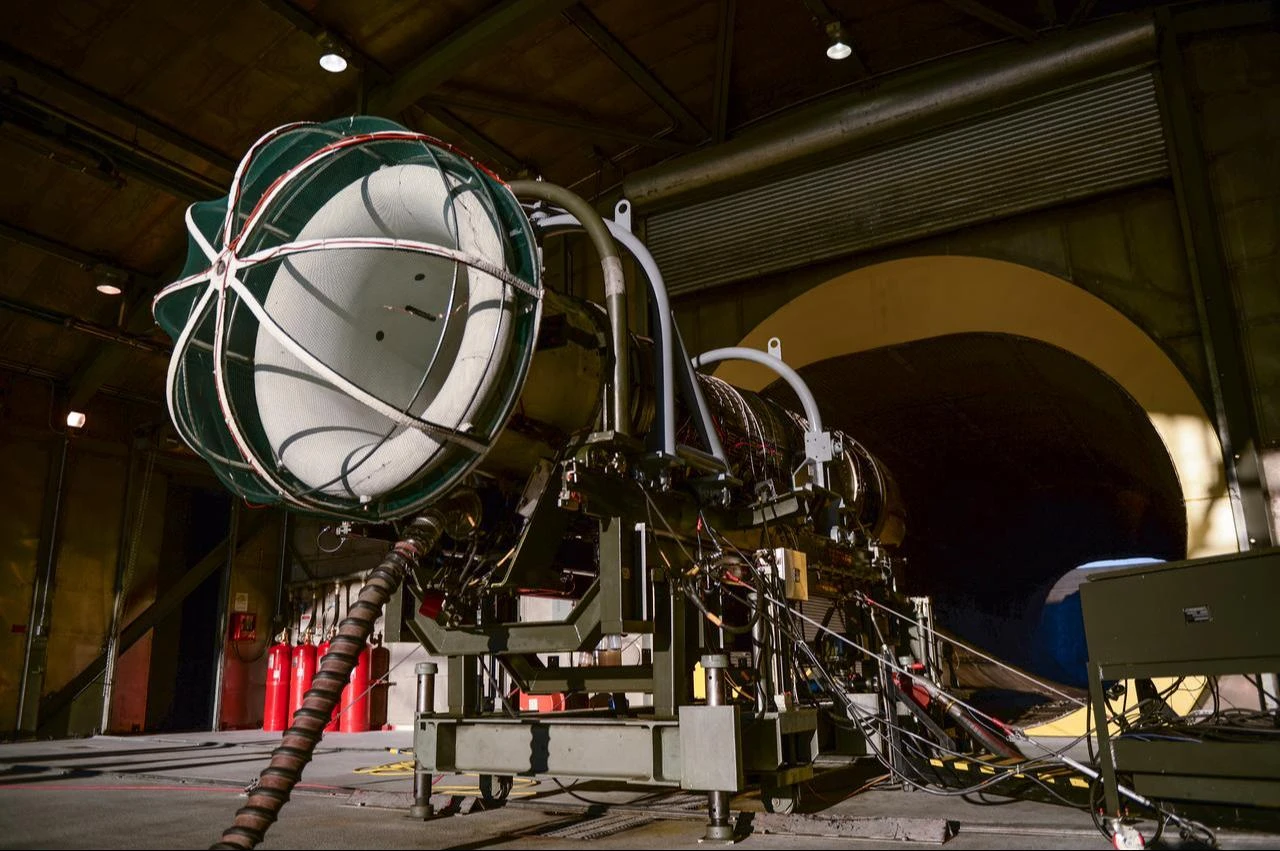

In May 2023, then-TEI General Manager Mahmut Faruk Aksit said negotiations were continuing to manufacture KAAN's initial engines in Türkiye. Aksit said Türkiye wanted the first production aircraft to fly with engines manufactured in Eskisehir, even though the engine design itself was not Turkish, TurDef reported. TurDef separately reported at the time that Türkiye was seeking U.S. approval for licensed F110 production at TEI.
Türkiye already has extensive assembly, testing, and maintenance experience with the F110 family.
The Turkish Air Force (TurAF) ordered F110-GE-129B engines for its additional F-16s and became the first international customer of the F110 Service Life Extension Program, according to GE Aerospace.
TEI states it assembled and tested 271 F110 engines under the Oncel-I and Oncel-II programs and another 42 under Oncel-IV, and also assembled and tested 10 engines for the Royal Air Force of Oman.
TEI later extended this capability beyond the 129B configuration, completing maintenance, repair and technology-upgrade work in 2024 on an Omani engine and delivering it in the F110-GE-129D configuration.
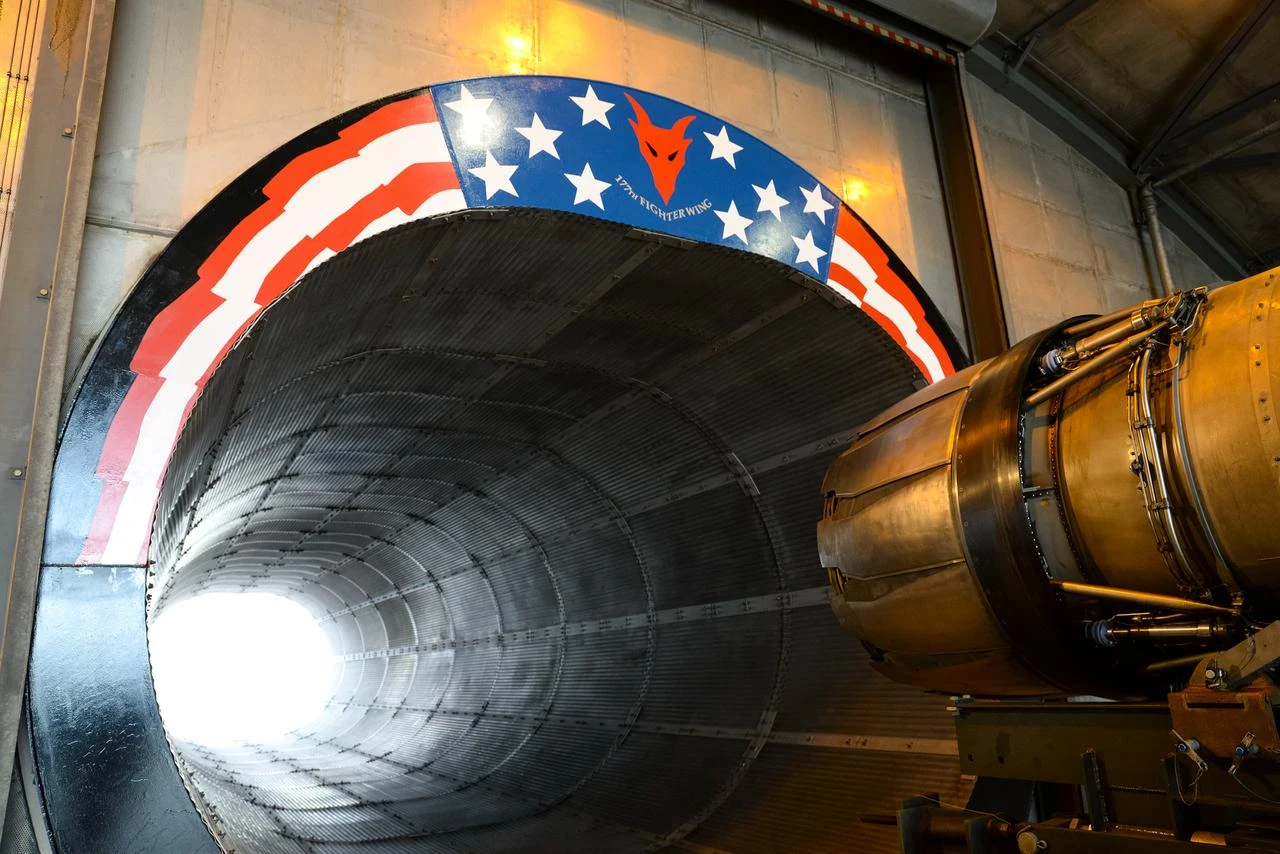
GE Aerospace identifies the F110-GE-129D and F110-GE-129E as 6,000 Total Accumulated Cycles (TAC) configurations for single-engine F-16 and twin-engine F-15 applications, respectively.
TAC is not a direct measure of flight hours or sorties but a weighted measure of the thermal and mechanical fatigue caused by engine starts and changes between power settings.
The D and E configurations extend the interval between scheduled engine visits from 4,300 to 6,000 TAC, according to GE Aerospace. Their Service Life Extension Program hardware includes three-dimensional aerodynamic technology and upgrades to the combustor and high-pressure turbine. Integration of the engines into KAAN's twin-engine architecture will also involve aircraft-specific control-system and interface requirements.
TurDef noted these are operationally important improvements that build on an engine family with which Türkiye already has substantial assembly, testing and maintenance experience.
GE Aerospace says 92% of F110 components have undergone some form of design change during the engine's evolution, including new materials, coatings and improved manufacturing and inspection processes. Advanced cooling technology and longer-life rotating components have also increased time on wing and reduced life-cycle costs.
Against this background, Türkiye is assessing whether updating its existing F110 capability would provide the best long-term industrial return, or whether the procurement could instead open access to technologies, rights and work packages not currently available in the country, according to TurDef.
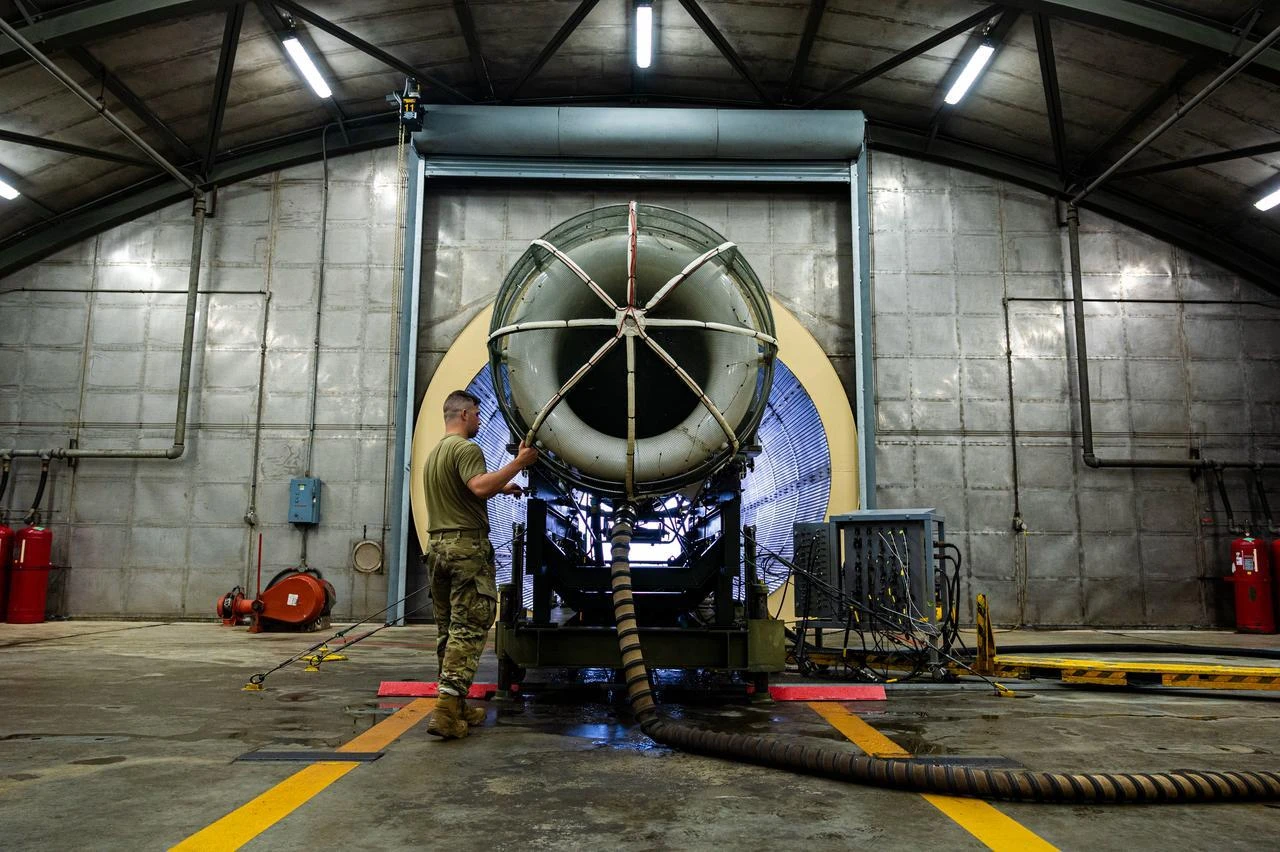
GE Aerospace owns 46.2% of TEI, making it the company's second-largest shareholder after Turkish Aerospace, which holds 50.5%. This ownership structure does not automatically provide TEI access to GE Aerospace technologies, production licenses or international work packages, TurDef reported; any additional access would depend on separate agreements and applicable U.S. export controls.
Türkiye's revised approach therefore distinguishes between licensed local production and longer-term technological advancement, according to TurDef.
Re-establishing an F110 production line could contribute to domestic manufacturing, while obtaining new rights, capabilities or international work packages could provide a broader and more durable industrial return, TurDef reported.
Under the Presidency of Defense Industries' (SSB) industrial participation and offset directive, eligible projects should carry an offset commitment of at least 50% of the procurement contract value, according to TurDef.
The directive also allows the applicable threshold and offset rate to be changed through project-specific tender documentation.
The more than $700 million value notified to the U.S. Congress covers engines together with integration, certification, testing, technical data and other services, and is not necessarily identical to the procurement contract value on which the offset obligation would be calculated, according to TurDef.
As a result, the size of the industrial participation package cannot be established simply by dividing the publicly announced figure in half.
The offset package's precise value and content have not been disclosed, according to TurDef.


 Set as preferred source
 Set as preferred source


 2 min read