Newsletters


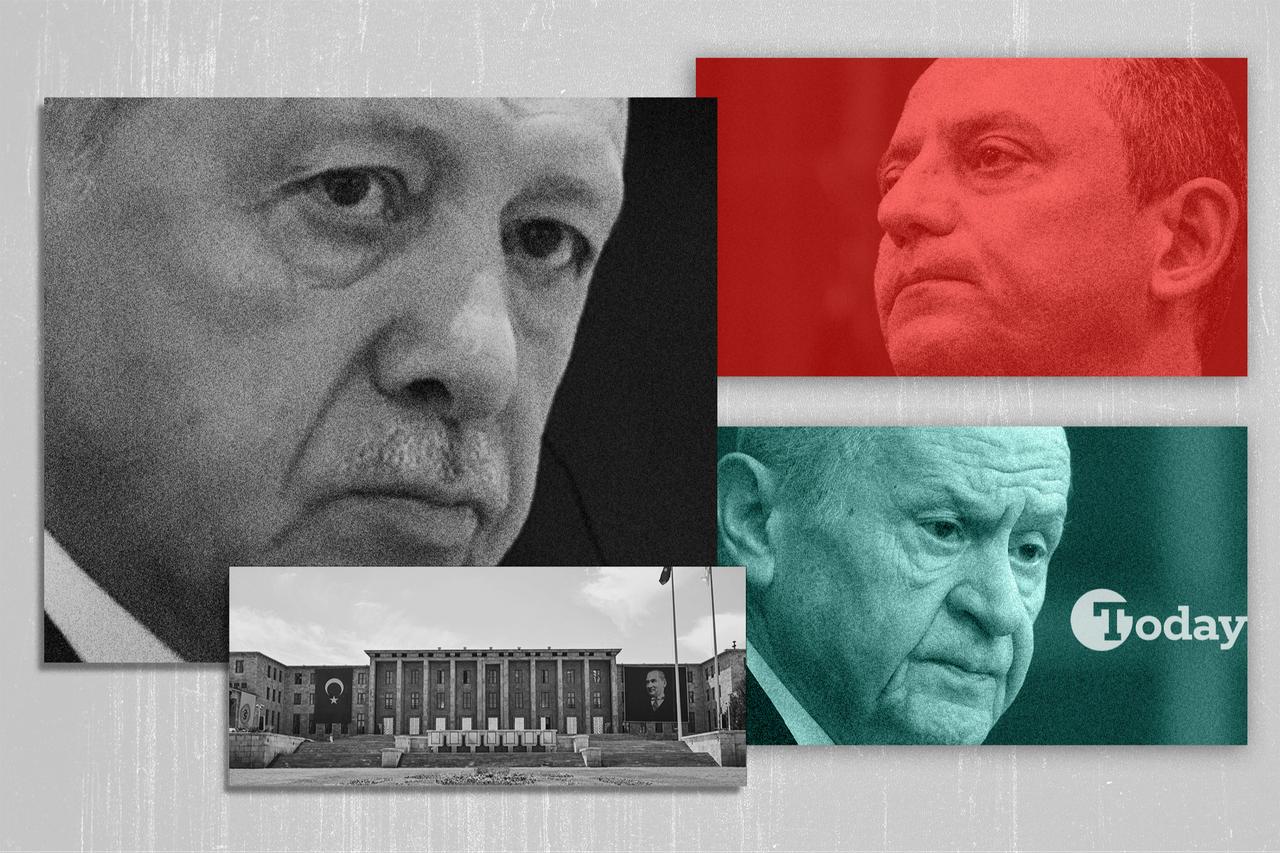


From the working-class tea houses of Istanbul to the bustling squares of Diyarbakir, public reaction to Türkiye's renewed Kurdish peace drive is caught in a tense tug-of-war between hope and suspicion.
While surveys show broad public support for ending decades of bloodshed, many Turks have struggled to keep pace with a rapid, top-down process driven primarily by political elites, aimed at disarming the terrorist group PKK.
On Aug. 12, two days after Parliament passed a framework law for the “Terror-Free Türkiye” process, Speaker Numan Kurtulmus described the 467-vote majority as “the reflection in politics of the overwhelming majority of the nation’s support.” His remark captures an assumption now carrying the process: an unusually broad parliamentary coalition is being treated as evidence of a similarly broad social mandate. The surveys available so far suggest a looser relationship between the two. Support rises when voters think about disarmament and the end of violence, then becomes less stable when the question moves to the legal formula, the interlocutors or what may follow.
AREA’s survey conducted between Aug. 17-20 found 42.7% supporting the framework law and 45.5% opposing it. The reasons respondents gave are more useful than the narrow topline difference. Among those who backed the law, 30.2% cited ending terrorism and disarmament, while 16.1% referred to peace and security.
Only 1.6% explicitly named the resolution of the Kurdish question. Among opponents, 21.4% rejected negotiation with terrorism, and 12.2% expressed distrust. Another 8.2% referred to the rights of fallen soldiers, while a separate 8.2% objected to the prospect of the PKK founder Abdullah Ocalan’s release. The political space for ending armed conflict therefore appears wider than support for every element of the arrangement being built around it.
GENAR’s August report offers another indication of how differently the process is being received across political constituencies. It reported overall support at 61.6%, rising to 90.5% among DEM Party voters, 85.5% among AK Party voters and 80.7% among MHP voters. Support fell to 47.4% among CHP voters, 40.9% among New Party voters, and 15% among IYI Party voters.
The process currently draws its strongest support from constituencies that otherwise sit at opposite ends of Türkiye’s Kurdish debate, while much of the resistance is concentrated in parts of the opposition electorate.
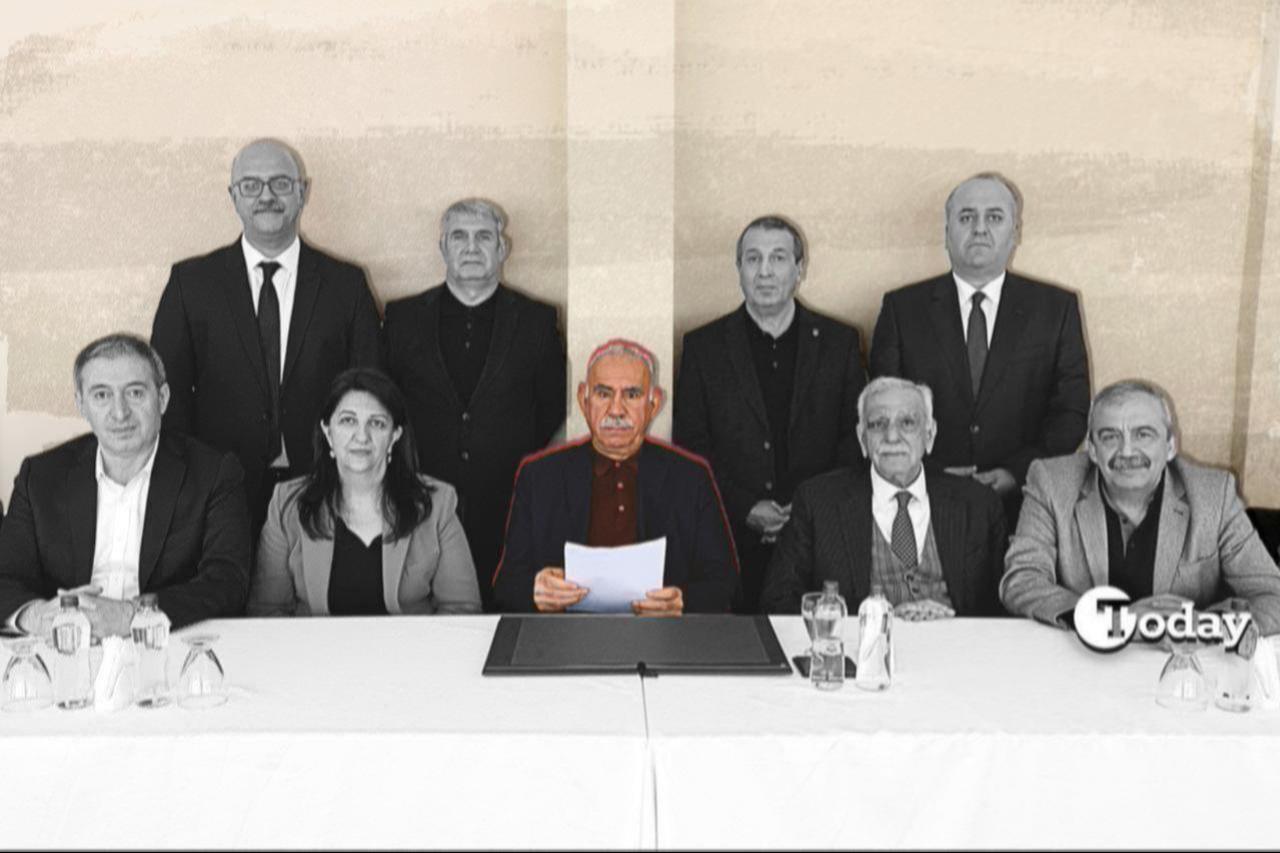

The institutional design makes more sense against that divergence. The 2013-15 effort remained heavily executive-led despite taking place under a parliamentary system. The current initiative has moved through a multi-party parliamentary commission and then a law backed by 467 deputies, although the presidency is institutionally much stronger today. Wider parliamentary ownership spreads the cost of a possible failure and gives the policy a stronger claim to continuity beyond one election or one leader.
The first process tried to build public consent through the Wise Persons Committee, whose members traveled across Türkiye to explain the initiative. The current process has lacked a comparable public campaign. That restraint may have reduced risk during its more fragile phase, but legislation now forces parties to explain where the process is going and where they intend to draw their limits.
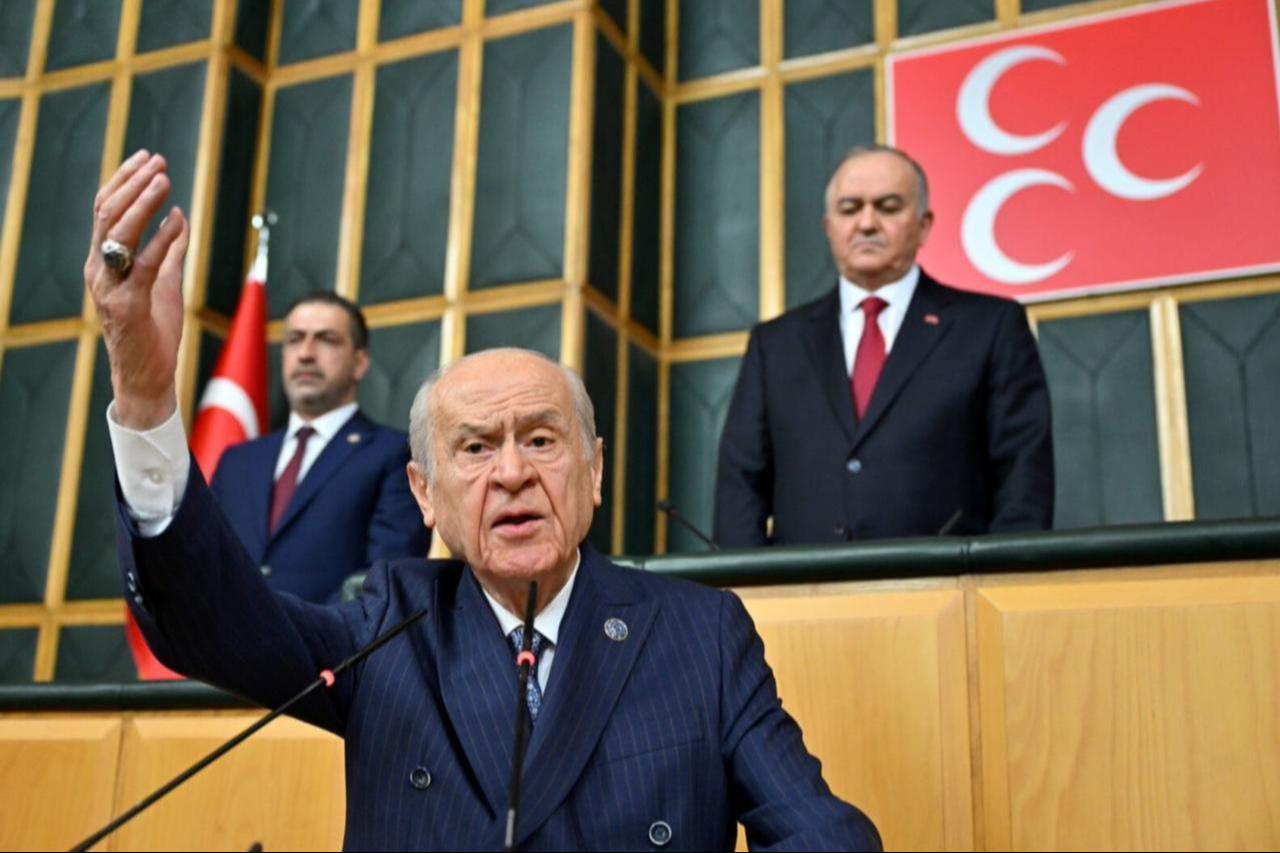
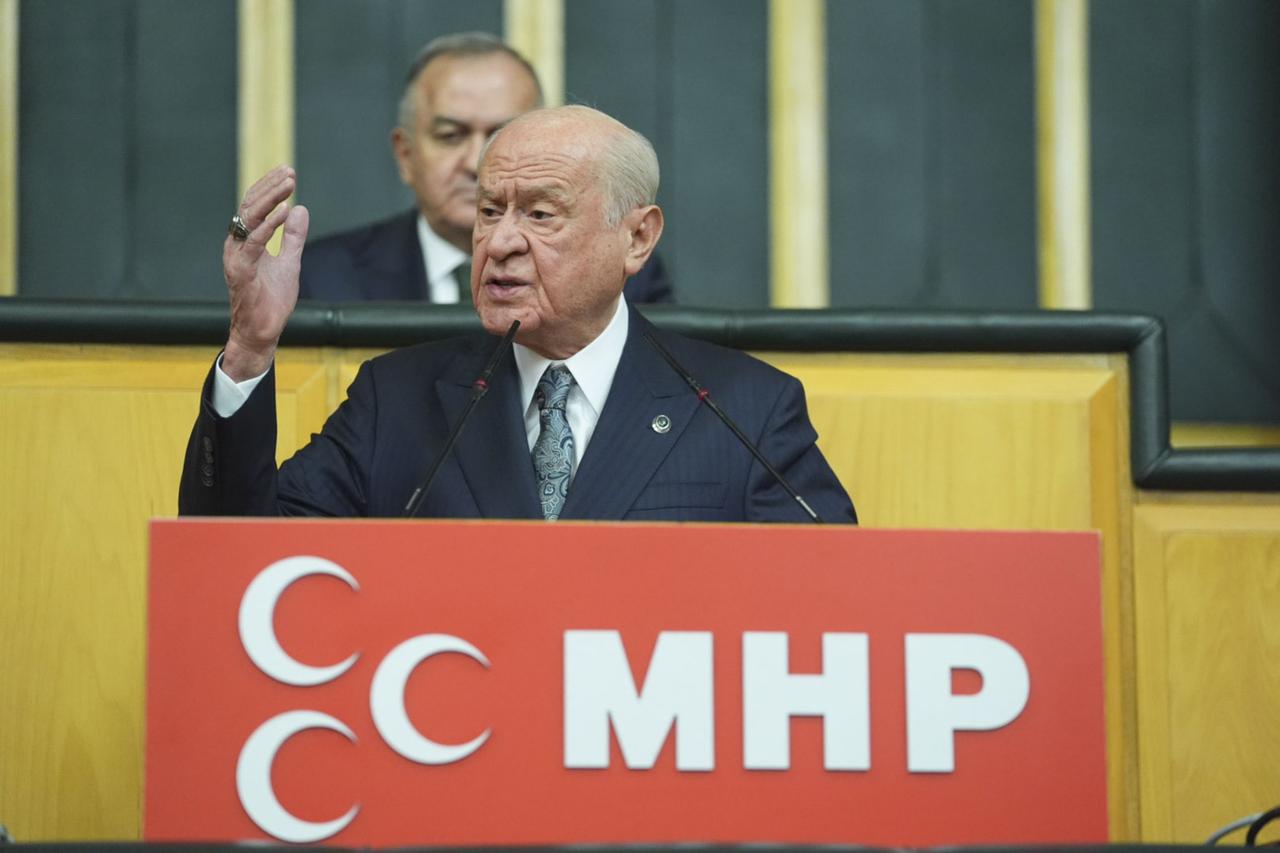
Nationalist Movement Party leader Devlet Bahceli, who has been a strong opponent of the process, gives the governing bloc an advantage in that conversation. A leader identified for decades with an uncompromising nationalist line can move an old boundary at lower political cost because part of his electorate grants him a reserve of trust on questions involving the state and national security.
The belief that senior state figures may know more than the public allows governing voters to reinterpret reversal as adaptation to changed circumstances. Opposition nationalists have a harder time overcoming that reflex when their case relies heavily on Recep Tayyip Erdogan and Bahceli contradicting positions they held in previous years.
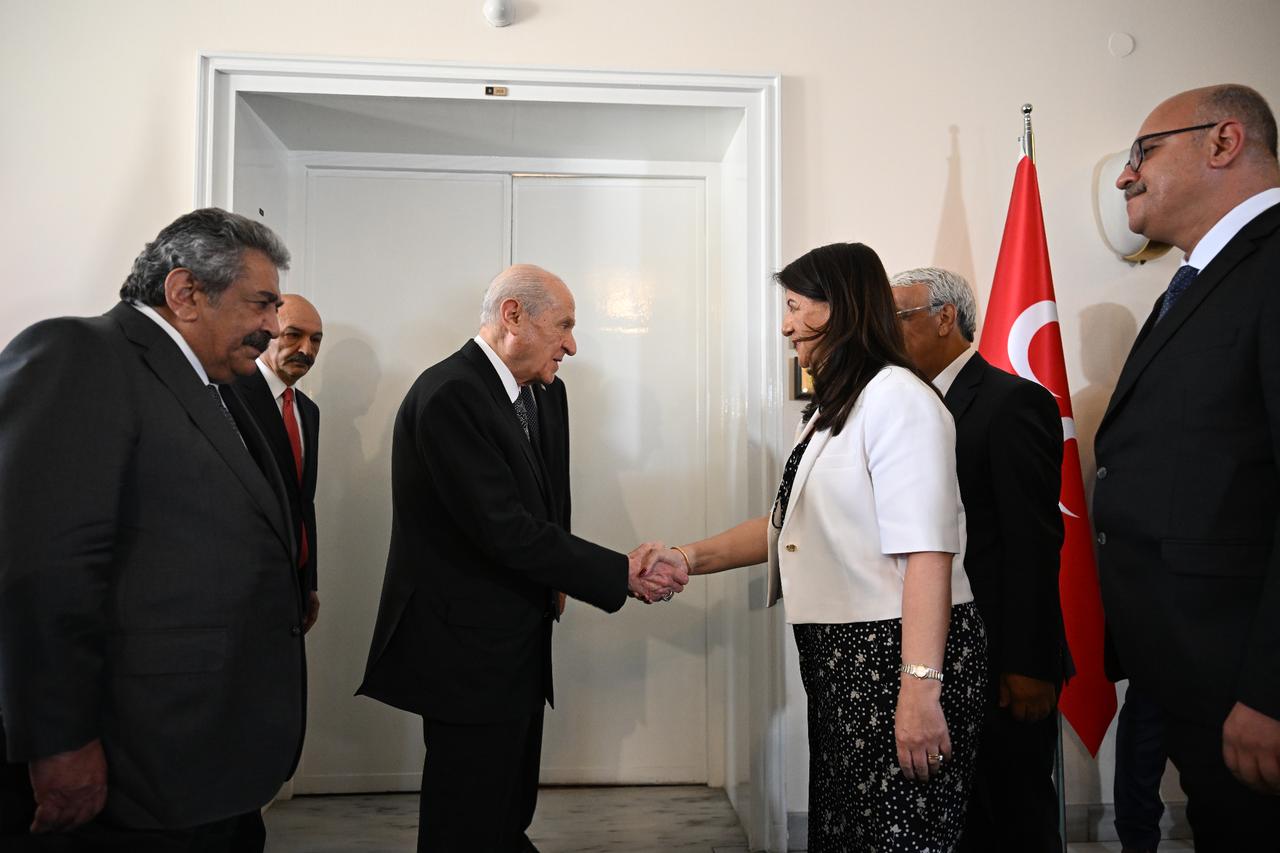
The wider opposition faces another difficulty. Kurdish cooperation remains electorally valuable, while nationalist and secular voters skeptical of the process also matter to any opposition coalition. Those interests become harder to reconcile when discussion moves from general language about peace to concrete votes and legal changes. The pro-Kurdish political movement also has a practical reason to stay engaged with a government able to deliver legal and administrative outcomes now. The process therefore cuts across the coalition logic that structured the 2023 election.
Developments in Syria can reshape voter perceptions much faster than domestic messaging because this initiative is unfolding in tandem with shifting regional dynamics.
IstanPol’s survey conducted between June 22 and 29, before the framework law, showed how sharply one relevant security question divided party electorates. Overall, 42.4% supported maintaining a Turkish military presence in post-Assad Syria and 38.2% opposed it; support rose to 73.4% among Nationalist Movement Party (MHP) voters and fell to 14.1% among voters of the pro-Kurdish DEM Party. The same regional development can carry very different meanings across constituencies.
Mazloum Abdi’s Aug. 25 announcement of the dissolution of the Syrian Democratic Forces (SDF) as an independent military force and its integration into the Syrian army may change one part of that calculation. If the arrangement proves durable, it weakens a central nationalist objection: disarmament in Türkiye would no longer appear to coexist with an autonomous Kurdish armed force immediately across the border. Voters primarily concerned with security could then reinterpret earlier moves by Erdogan and Bahceli as part of a regional strategy whose logic became clearer with time.
That possibility creates a weakness in opposition messaging built almost entirely around Ocalan. Public discomfort with Ocalan is real, yet the survey results also suggest that the strongest positive motive behind support is disarmament. If developments in Syria visibly reduce the armed threat perceived by Turkish voters, some of the political force of an exclusively anti-Ocalan argument may fade. A breakdown of the Syrian integration arrangement, or later demands seen as exceeding the public’s red lines, could move opinion in the opposite direction.
Kurtulmus is on firmer ground when he speaks of a broad parliamentary mandate than when that mandate is read as a settled description of public opinion. The evidence points to conditional acceptance shaped by different expectations.
This may be enough for a process driven largely by security and realpolitik, because its immediate task is to make disarmament and reintegration politically sustainable. Parliamentary breadth can spread responsibility, while public trust will still depend on whether violence recedes, the Syrian settlement holds, and the next political demands remain within boundaries that enough of society can accept.


 Set as preferred source
 Set as preferred source


 1 min read
 1 min read