Newsletters


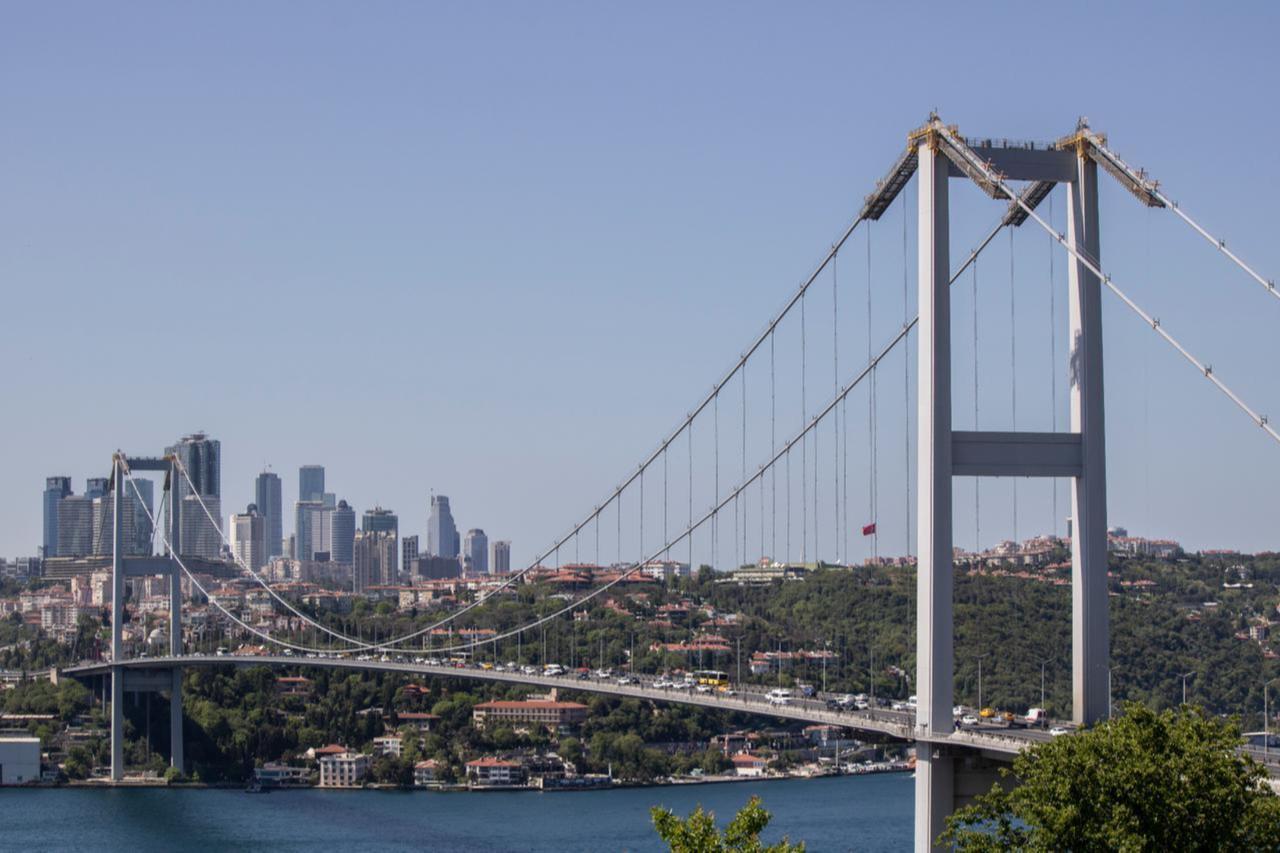


In September 2025, an international report by Bloomberg stated that Türkiye was considering the sale of operating rights for several highways and two of Istanbul’s Bosphorus bridges. In early February 2026, a follow-up report claimed that the government had authorized Ernst & Young LLP to advise on the transaction.
The headlines triggered a predictable reaction. “Are we selling the bridges?” became the dominant public question. Given the symbolic weight of the Bosphorus crossings, the political sensitivity is understandable.
Yet, the history of “selling the bridges” traces back to how the bridges of Istanbul and various other infrastructure projects were financed. Starting with the eighth president of the Republic, Turgut Ozal, the government introduced techniques that allowed the state to fund bridges and long highways more efficiently. Since then, different models have been employed to continue developing infrastructure across the country.
The build-operate-transfer (BOT) model, which gained significant prominence during President Erdogan's era, is just one of these techniques.
The government has neither made an official statement nor denied that the usage rights of the bridges will be sold. Then, how can the right to use bridges, whose costs have already been covered by the public, be sold to someone else, why now, and what exactly will be sold?
Türkiye has a history of revenue generation models from highways and bridges, and these models are comparable to each other.
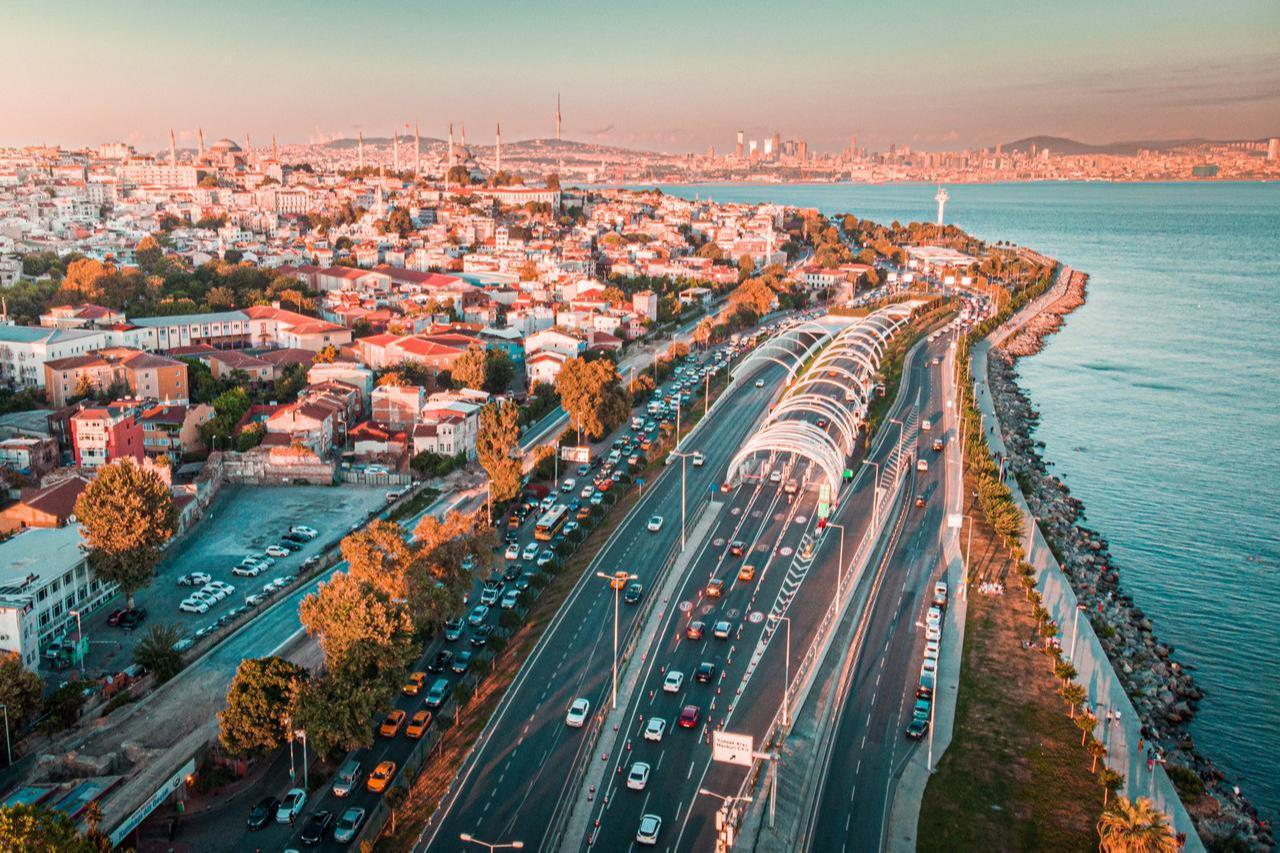

The first misconception to clear up is legal. Türkiye cannot sell the physical ownership of its Bosphorus bridges outright. These are public assets. What can be transferred is the right to operate them and collect toll revenues for a defined period.
This distinction is crucial: selling operating rights means granting a private entity the right to manage toll collection and maintenance in exchange for an upfront payment, while ownership remains with the state.
Public ambiguity has fueled suspicion. A parliamentary inquiry by opposition lawmaker Ulas Karasu sought clarification. Finance Minister Mehmet Simsek did not explicitly confirm a sale but also did not categorically deny the broader privatization framework.
On Sept. 7, 2025, the government released its Medium-Term Program for 2026–2028. One day later, the first international report surfaced.
The Medium-Term Program projects privatization revenues of ₺21 billion ($477.27 million) in 2025 and ₺181 billion in 2026. That ₺160 billion jump begs an explanation, as it is too high to calculate only by inflation alone.
At the current exchange rate assumptions embedded in the program, ₺160 billion translates to roughly $3.6 billion. Such a figure implies a major asset transaction.
The finance ministry maintains that the projected increase reflects installment payments from prior deals and down payments for new projects. Even so, the magnitude of the increase strongly suggests that substantial asset transfers are being contemplated.
According to reporting, the potential package would include the two symbolic bridges of Istanbul, along with at least nine toll highways.
Türkiye’s 2024 General Directorate of Highways report lists 20 operational highways and bridges currently. However, several are already run under BOT arrangements by private firms.
These include the Osmangazi and the Yavuz Sultan Selim, and the 1915 Canakkale bridges, among others.
Once BOT-operated assets are excluded, roughly 14 state-run highways and bridges remain. Among them is the Edirne–Istanbul–Ankara corridor, one of the country’s most strategic transportation arteries linking Europe to Türkiye’s two largest cities.
In other words, the debate is not limited to two iconic bridges. It potentially concerns the backbone of Türkiye’s highway infrastructure.
This is not the first attempt to privatize these assets. In 2012, the government tendered a 25-year operating concession covering the two Bosphorus bridges and multiple highways.
A consortium including Koc Holding offered $5.7 billion. The deal was later canceled by then–Prime Minister Recep Tayyip Erdogan, who publicly stated that the real value should be no less than $7 billion.
At the time, alternative figures as high as $8 billion–$11 billion were cited. The cancellation was framed as a defense of national interest.
Fast forward to 2026. If the projected ₺160 billion corresponds to approximately $3.6 billion, the implied valuation would fall well below the threshold cited in 2012, though concession length, payment structure and macroeconomic conditions differ.
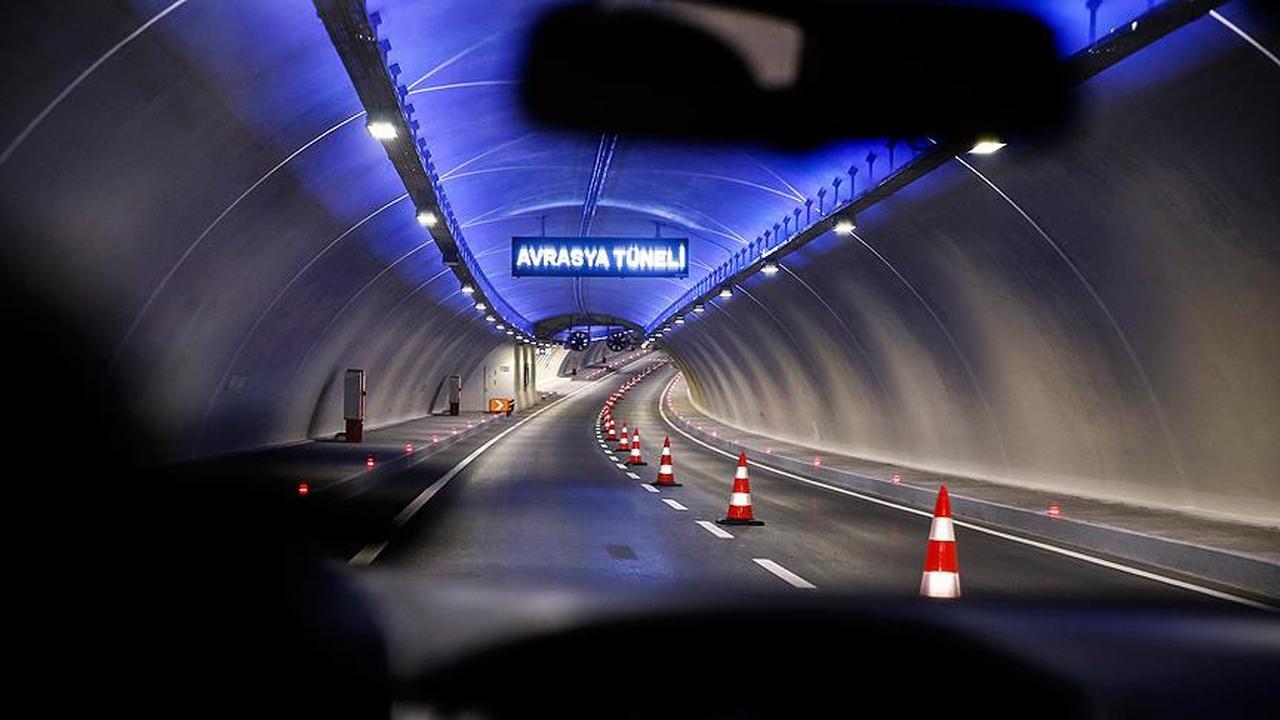
The Bosphorus bridges were built decades ago. Their construction costs have long been amortized through tax revenues and tolls. Today, they generate consistent cash flow.
According to official 2024 data, nearly 147 million vehicles crossed the two bridges in one year—an average of about 400,000 vehicles daily. With 2026 tolls set at ₺59 ($1.35) for passenger cars, gross annual revenue approaches ₺8.6 billion ($195.45 million).
Using the government’s own exchange rate projection of ₺47.8 per dollar, that amounts to roughly $180 million in annual revenue. Even assuming operating costs of 25%, net income would be approximately $135 million per year.
Over a 25-year concession, that suggests cumulative net earnings of around $3.3 billion from the bridges alone, excluding highways. The financial logic of accepting a lump-sum payment today hinges on urgent fiscal needs.
In practical terms, the state would be trading future income for immediate liquidity. Public concern, however, centers on toll hikes as if it is privatized, the prices would go higher.
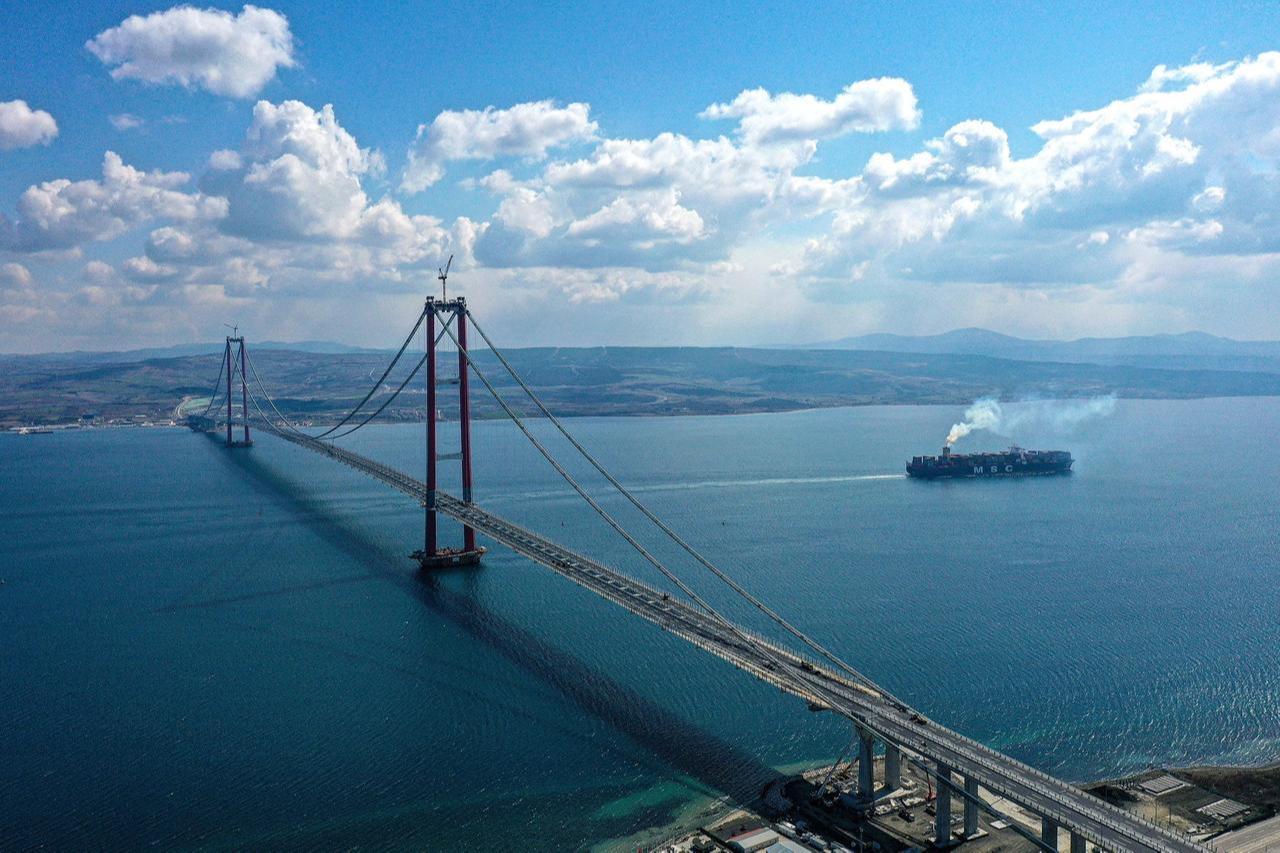
In 2012, president Erdogan floated the idea of public offering rather than tenders. The concept has historical precedent.
In 1984, Prime Minister Turgut Ozal introduced a revenue-sharing model tied to the Bosphorus Bridge and Keban Dam. Citizens purchased certificates entitling them to a share of revenues for a fixed period.
The model allowed the government to realize future income upfront while keeping funds within the domestic economy. After the certificates matured, full revenue control reverted to the state.
A modern version could take two forms. One option would be revenue-sharing bonds tied to toll income, possibly dollar-indexed and with minimum return guarantees.
Another option would involve creating a state-controlled joint-stock company holding the bridges and highways, then listing minority shares on the stock exchange. In that case, dividend policy would be critical as the investor citizens would have a net loss in exchange of their investment.
In international practice, infrastructure companies often commit to distributing a high percentage of net distributable income annually. Such provisions protect investors from governance risk.
At its core, this debate reflects fiscal timing rather than ideology. When states face liquidity constraints, they monetize future revenue streams.
The question is not whether privatization is inherently good or bad. It is whether the valuation, contract terms, and long-term fiscal implications serve the public interest.
The Bosphorus bridges and major highways were financed through public funds. They now represent stable, revenue-generating assets.
Any transfer of operating rights—whether to foreign investors, domestic firms, or Turkish citizens—must be evaluated against the opportunity cost of relinquishing predictable future income.


 Set as preferred source
 Set as preferred source


 1 min read
 1 min read