Newsletters


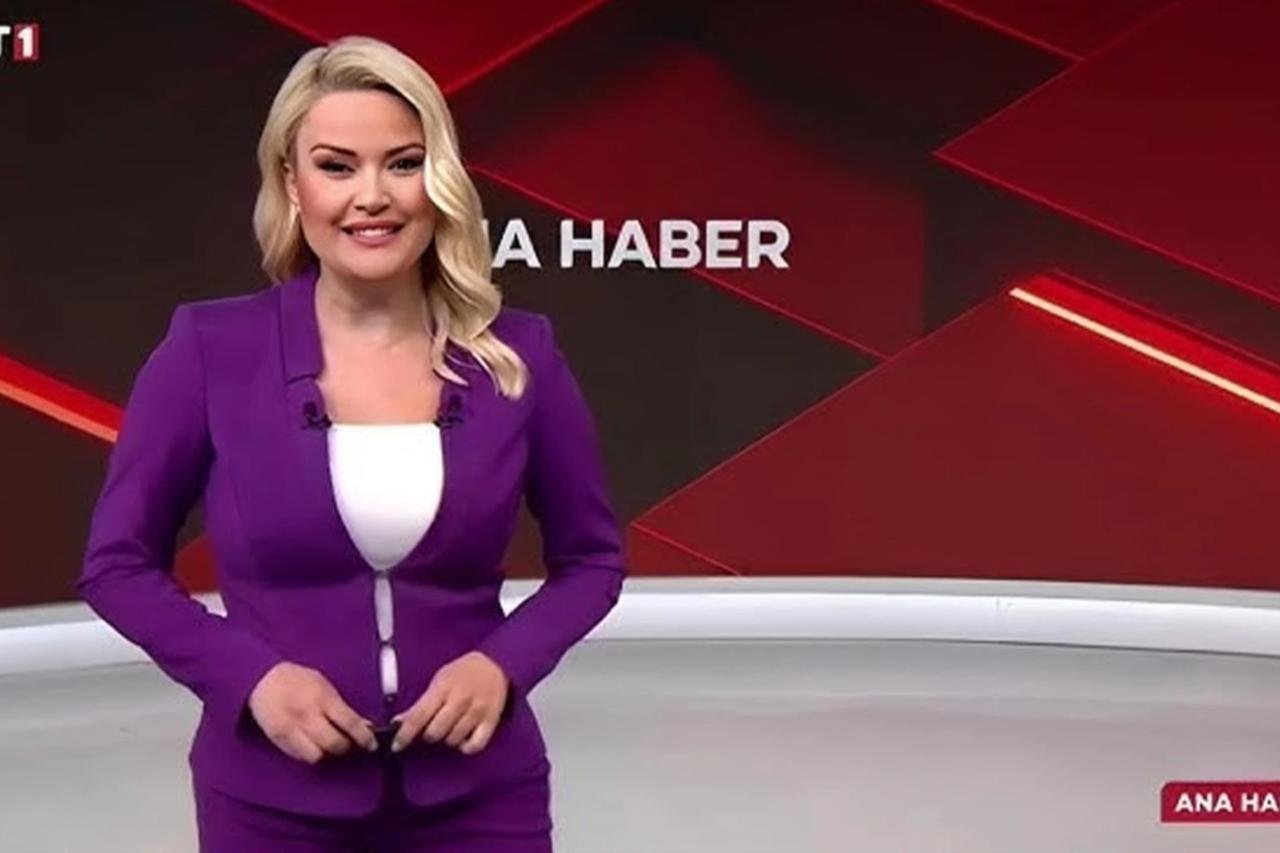


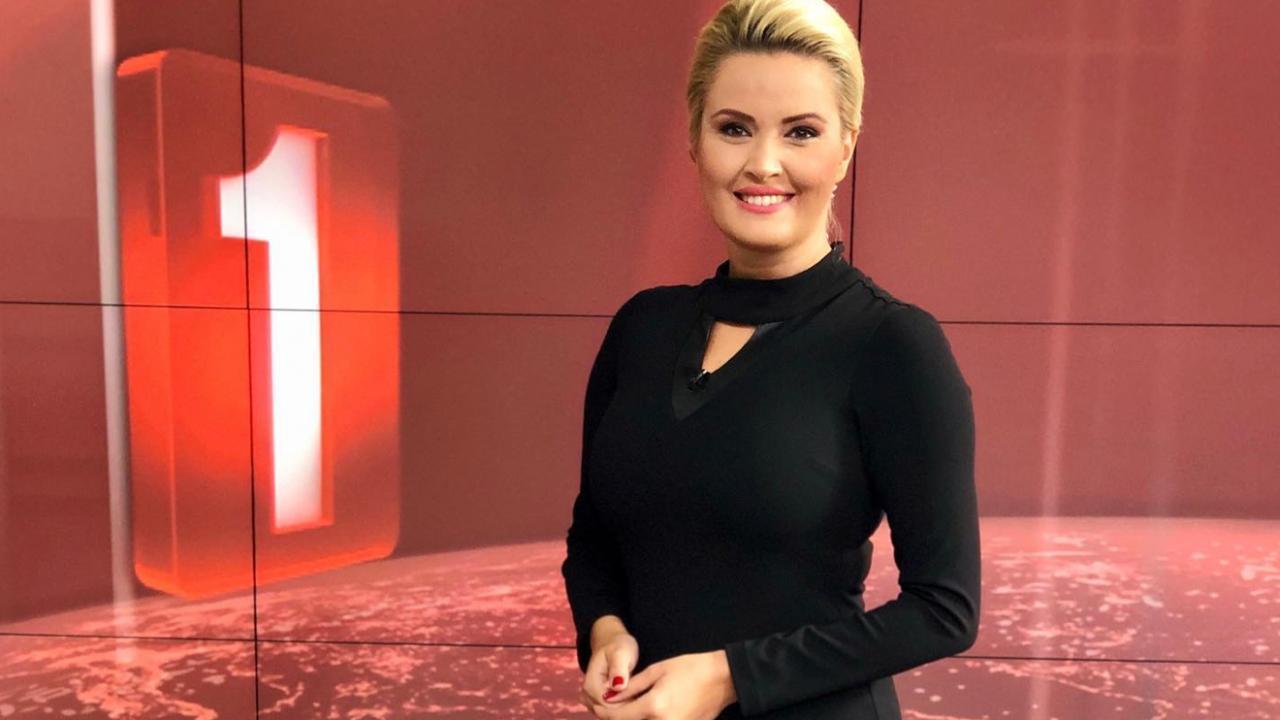
A TRT news anchor who called herself a "fur mom" during a live broadcast has reportedly lost her job at the state broadcaster, local media reported on Monday.
This incident occurs amid ongoing debate about the language used to describe motherhood. The conversation around motherhood and family roles is closely linked to concerns about Türkiye's declining birth rate.
Authorities and conservative groups in Türkiye have expressed concern about the declining population, arguing that women choosing pet ownership over marriage and motherhood contributes to demographic decline.
Isil Acikkar presented the main evening bulletin on TRT 1 on May 10, which coincides with Mother's Day in Türkiye. At the end of the program, she made a personal statement to viewers.
She said God had not yet granted her a human child, but that she had found purpose in caring for animals. "I am also a fur mother," she told the camera.
Her remark quickly spread on social media, attracting criticism from users who objected to her choice of words.
Local media later reported that TRT management removed Acikkar from the bulletin and launched an internal administrative inquiry.
TRT has made no official statement. Acikkar has also not responded publicly.
The timing placed Acikkar's words inside a controversy that had already been running for several days.
The week before, German home-appliance manufacturer Bosch had aired a Mother's Day advertisement in Türkiye that was built around deliberate misdirection.
Two women meet in a store and fall into conversation about the daily demands of caring for someone at home. Nothing in the exchange specifies what kind of relationship they are describing. The advertisement ends when one of the women arrives home, and a dog greets her at the door.
Bosch pulled the campaign after a backlash that reached government level. The Family and Social Services Ministry said motherhood was not a means of communication.
The Radio and Television Supreme Council (RTUK) opened a formal investigation and issued a statement that set out the official position in explicit terms:
"The fundamental elements of the family structure are defined in Article 41 of our Constitution: mother, father and child. Any positioning outside the family's founding elements is a narrative contrary to the normal flow of life. This approach neither correctly represents love for animals nor gives motherhood the value it deserves."
That statement was still in circulation when Acikkar spoke. Her words landed on ground that had already been cleared and contested.

What gives these incidents their charge is not only cultural sensitivity but the fact that they arrive alongside a set of demographic shifts that have become a persistent source of political concern.
TurkStat figures show that the number of women getting married for the first time has been falling, and that when they do, they are older. The average age at first marriage for women reached 26 in the most recent data, with men averaging 28.5.
The fertility rate stood at 1.48 children per woman in 2024, against the 2.10 generally considered necessary for a population to sustain itself without migration. Between 2024 and 2025, recorded marriages dropped from roughly 570,000 to 552,000, while divorces climbed from around 189,000 to 194,000.
The shift has drawn sustained attention from Türkiye's political leadership, which has framed family formation as a matter of national concern rather than individual circumstance.
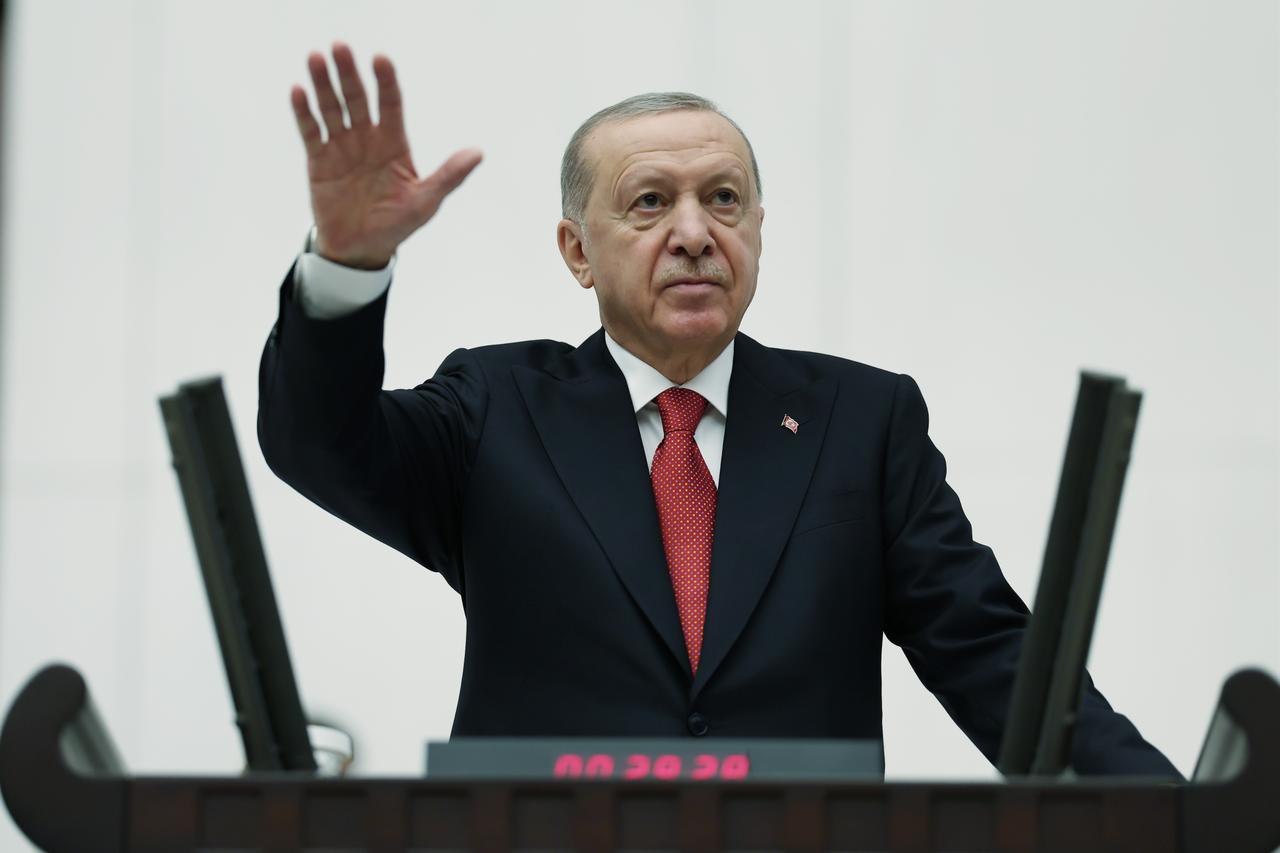
President Recep Tayyip Erdogan's declaration of a "Population and Family Decade" set that tone, and the RTUK's statement on the Bosch advertisement reflected it directly.
Beneath the values debate sits a more concrete set of pressures.
Türkiye's net minimum wage in 2026 is around 28,000 lira, approximately $620 per month.
Research published in April 2026 by the Confederation of Turkish Trade Unions set the monthly food poverty threshold for a family of four at nearly 35,000 lira, which is already above a full minimum wage before rent, utilities, or childcare are factored in.
Average monthly rents across Türkiye reached roughly 26,000 lira in the same period, with Istanbul averaging around 40,000 lira.
For a significant portion of working people, the question of whether to have children is therefore not separable from questions of housing, income and basic costs.
When public figures and regulatory bodies frame delayed or foregone parenthood as a cultural failing, they are often describing choices made under material constraint.
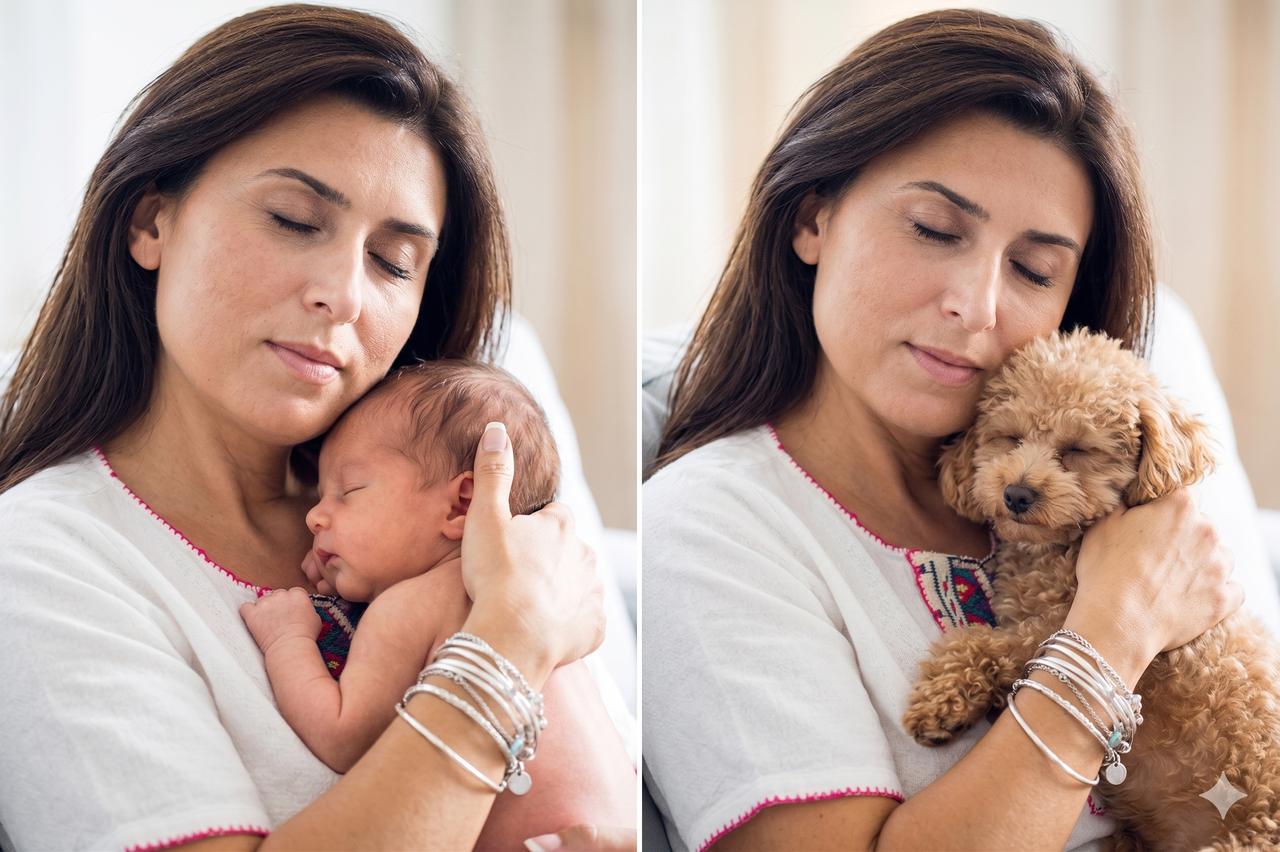
The specific bond that Acikkar named—and that the Bosch advertisement placed on screen—is not without scientific grounding.
Neuroscience research has shown that caring for animals and caring for children share overlapping brain activity, though the attachment is different in degree but not entirely in kind.
Images of children produced stronger responses in regions tied to language and social cognition, a difference researchers attributed to the demands of raising a human being. But the responses to dogs were not absent.
This result does not adjudicate the political dispute. It does suggest that the attachment Acikkar described and that Bosch chose to advertise reflects something that a significant portion of its audience already experiences.
Acikkar's alleged removal has not been confirmed by TRT, and no official explanation has been offered for any change in her duties.
That silence has allowed the episode to function as an extension of the same argument the Bosch advertisement started: not simply about animals, but about which relationships are permitted to borrow the vocabulary of family, and who holds the authority to answer that question.


 Set as preferred source
 Set as preferred source


 6 min read