Newsletters


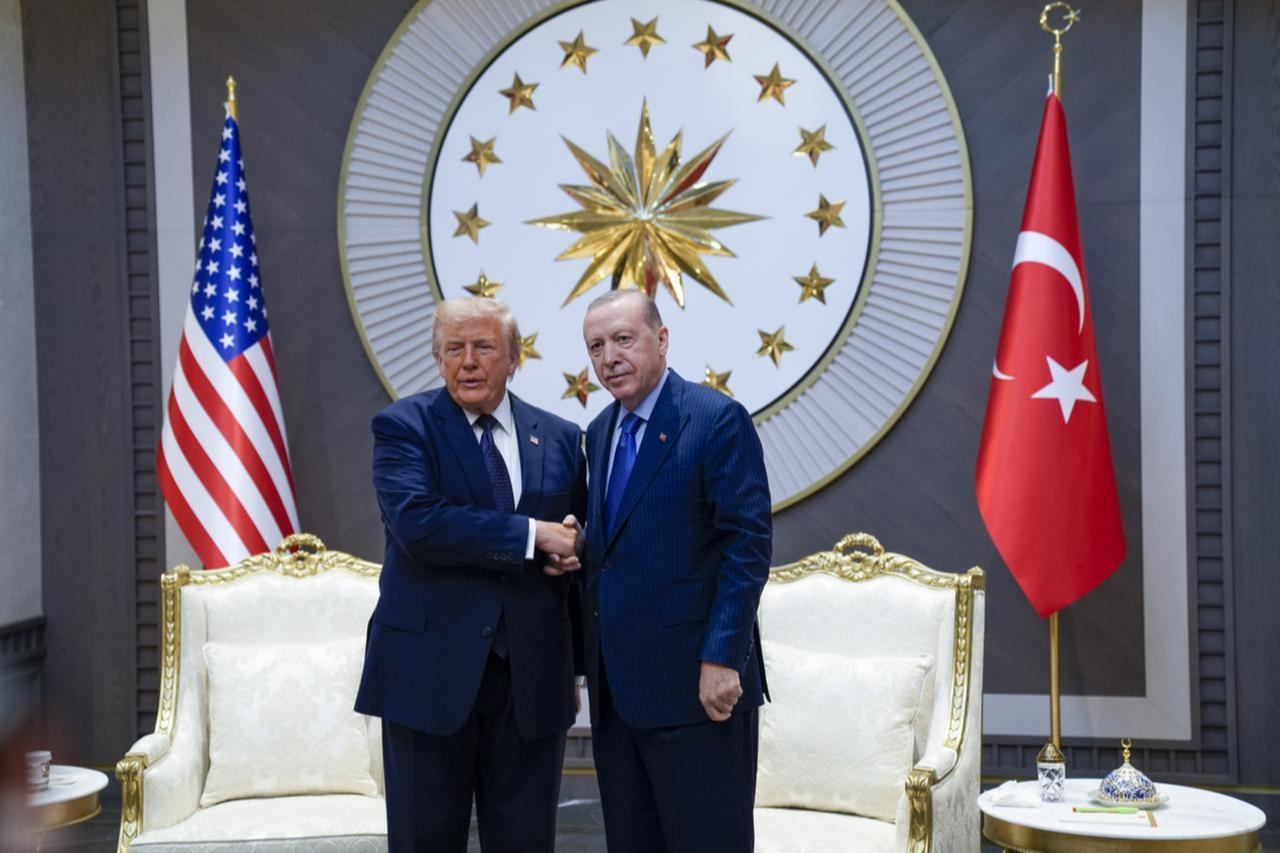


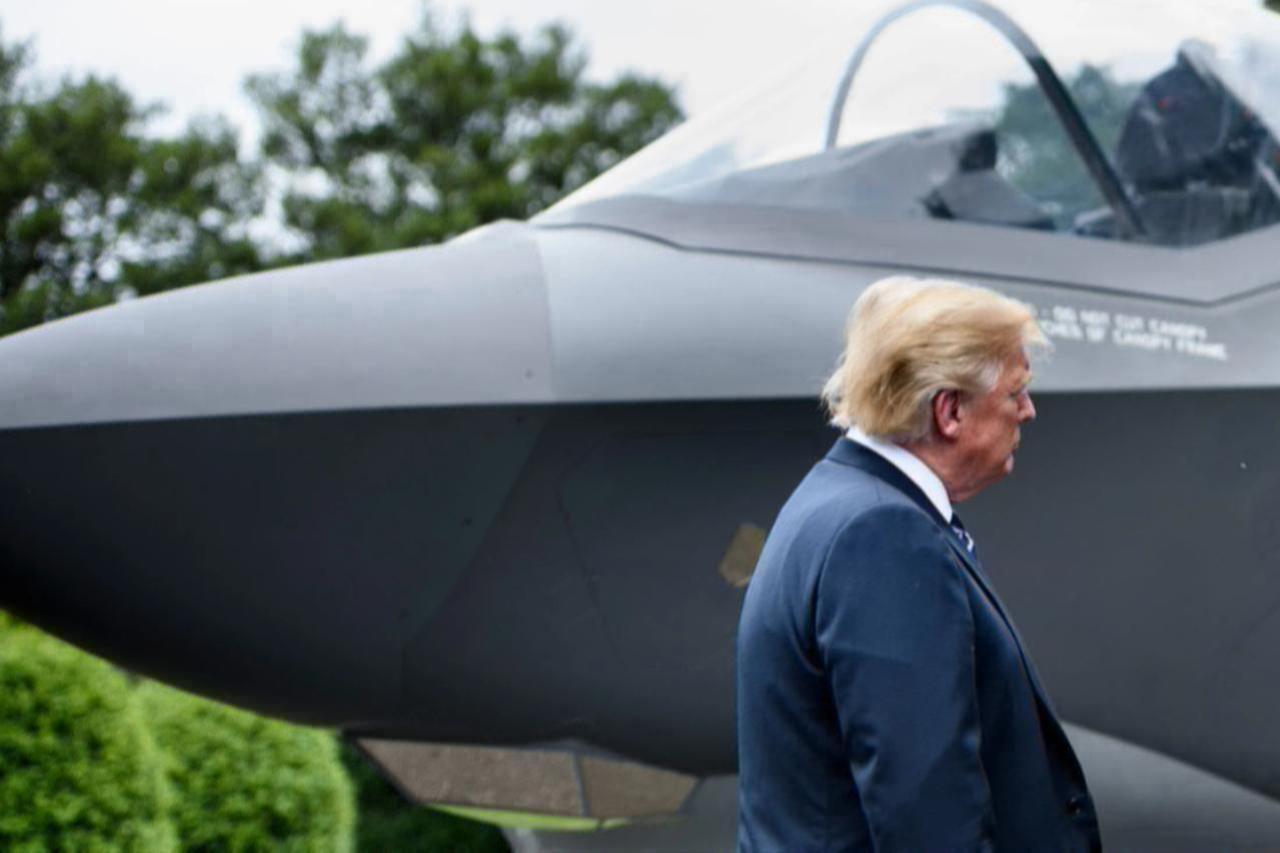
US President Donald Trump said Friday he would "always make" President Recep Tayyip Erdogan happy when asked why Washington had yet to lift sanctions against Türkiye under the Countering America’s Adversaries Through Sanctions Act (CAATSA).
"I’ll always speak to President Erdogan. He is a friend of mine, as you know. And I’ll always make him happy," Trump responded when asked what was holding up the removal of the sanctions.
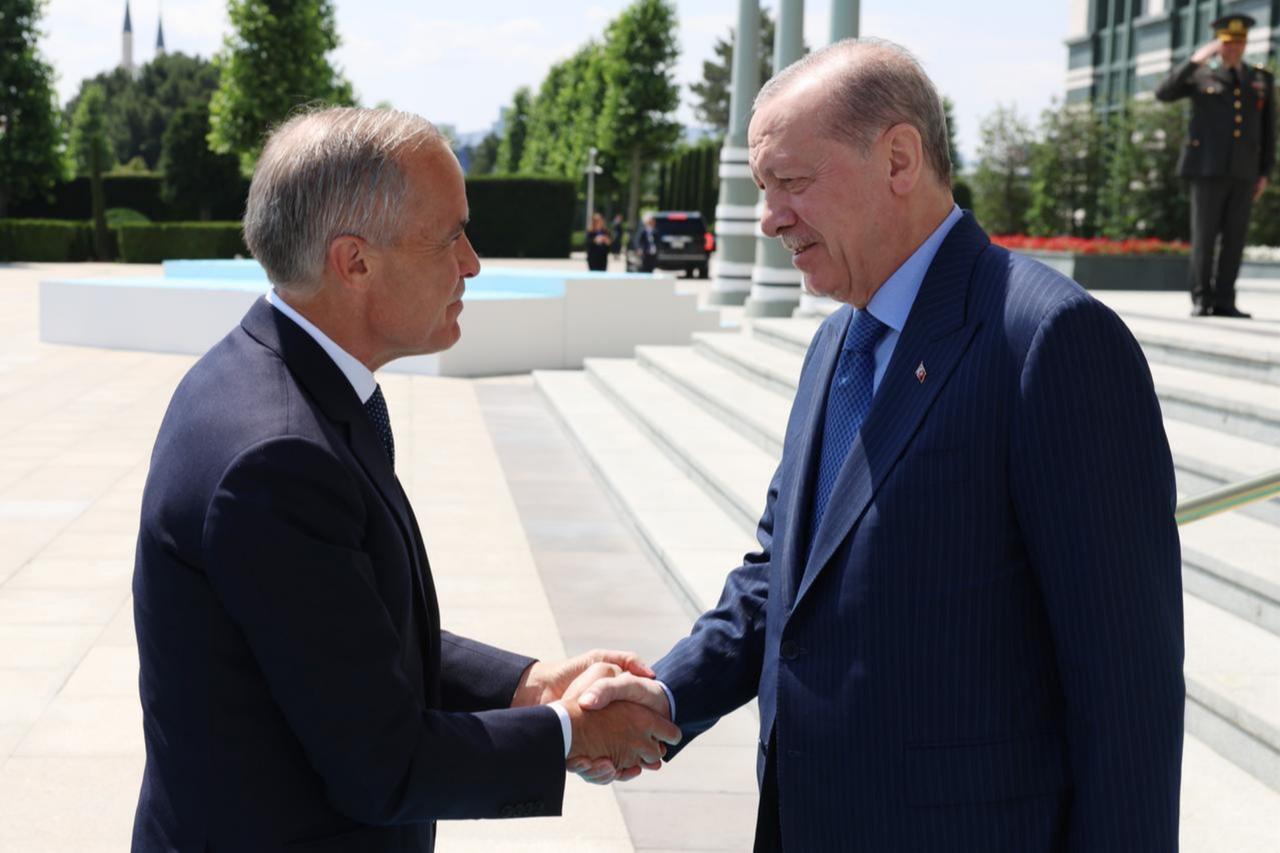
Trump’s latest remarks come nearly three months after he publicly backed removing the sanctions during his meeting with Erdogan on the sidelines of the NATO summit in Ankara.
During the July 7 meeting in Ankara, Trump said Washington would take the CAATSA sanctions off, adding that the U.S. did not want to sanction its allies.
"We’re going to be taking the sanctions off; it’s time," Trump told reporters before closed-door talks with Erdogan. He also said the administration was working with Secretary of State Marco Rubio and Defense Secretary Pete Hegseth on the issue.
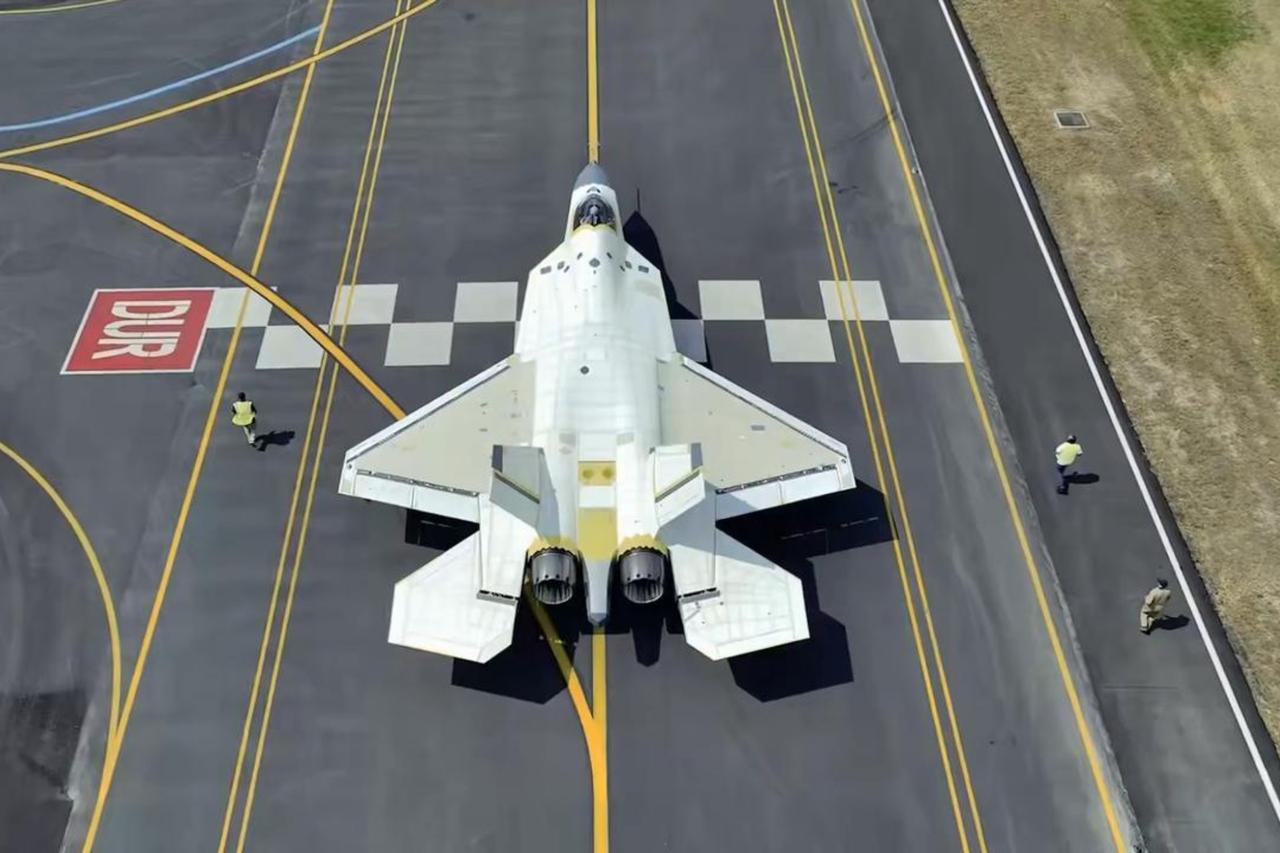
Trump also opened the door to a potential F-35 sale, saying the U.S. would "certainly" consider allowing Türkiye to acquire the fifth-generation fighter. Asked about the legal restrictions surrounding a sale, he described it as a decision the two sides would make.
The F-35 question, however, remains separate from the CAATSA sanctions issue and faces additional legal restrictions tied directly to the S-400.
Türkiye bought the Russian S-400 system in 2019 after failing to secure a U.S-made Patriot system for its air defense requirements. Ankara has maintained that the purchase was driven by an urgent need to strengthen its air defense and has repeatedly rejected Washington’s objections to the system.
Washington, however, has argued that the Russian system cannot be operated alongside the F-35 without creating security risks.
The dispute led the U.S. to remove Türkiye from the F-35 program in 2019. Washington subsequently imposed CAATSA sanctions in December 2020 on Türkiye’s Presidency of Defense Industries (SSB) and several senior officials.
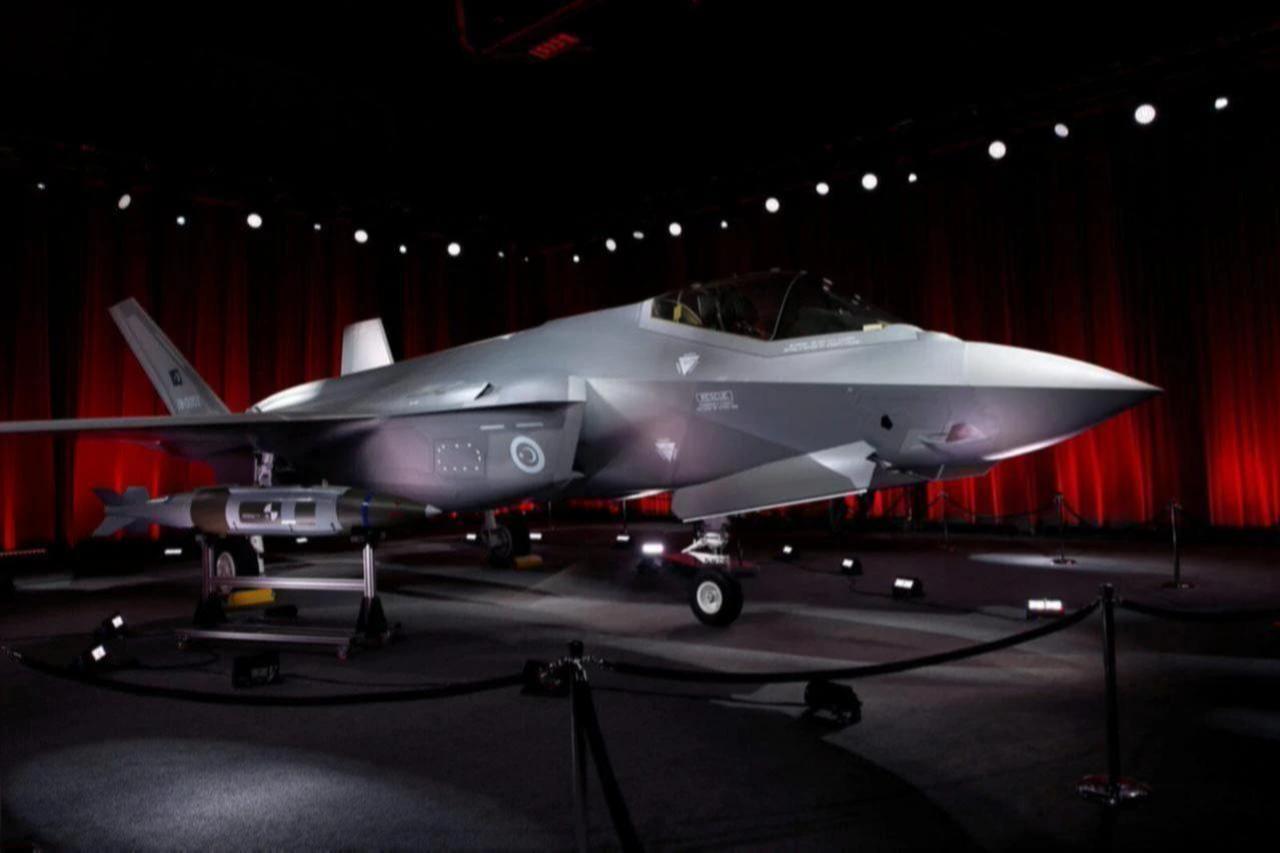

On Sept. 24, President Recep Tayyip Erdogan said Washington needed to act on U.S. President Donald Trump’s support for Türkiye’s return to the F-35 program. "We expect this will now turn into concrete steps," Erdogan told reporters on his return to Türkiye from the U.S, where he attended the United Nations General Assembly.
He added that Ankara and Washington were continuing contacts on the issue and stressed that Türkiye’s domestic defense industry remained a priority, including efforts to develop its own fighter aircraft and air defense capabilities.
U.S. Ambassador to Türkiye Tom Barrack said last week that Washington and Ankara were working through requirements set by Congress and that the process would take time.
"The ball is on many courts," Barrack remarked when asked whether the issue was now in Türkiye’s hands. He stressed that the dispute involved questions over the S-400’s operational status, ownership and possible disposal, while indicating that the issue would ultimately be resolved.
One potential path forward involves the future of Türkiye’s Russian-made S-400 systems.
Reports that Ankara could transfer the systems to a third country first emerged in July, with Turkish media identifying a Gulf country as a possible destination. The Kremlin confirmed at the time that Moscow was in contact with Ankara, but described the issue as "extremely sensitive."
The possibility gained further attention in September when Russian Foreign Minister Sergey Lavrov indicated that Moscow could approve a transfer of the S-400 systems to another country under certain conditions.


 Set as preferred source
 Set as preferred source


 1 min read
 1 min read