

 Newsletters


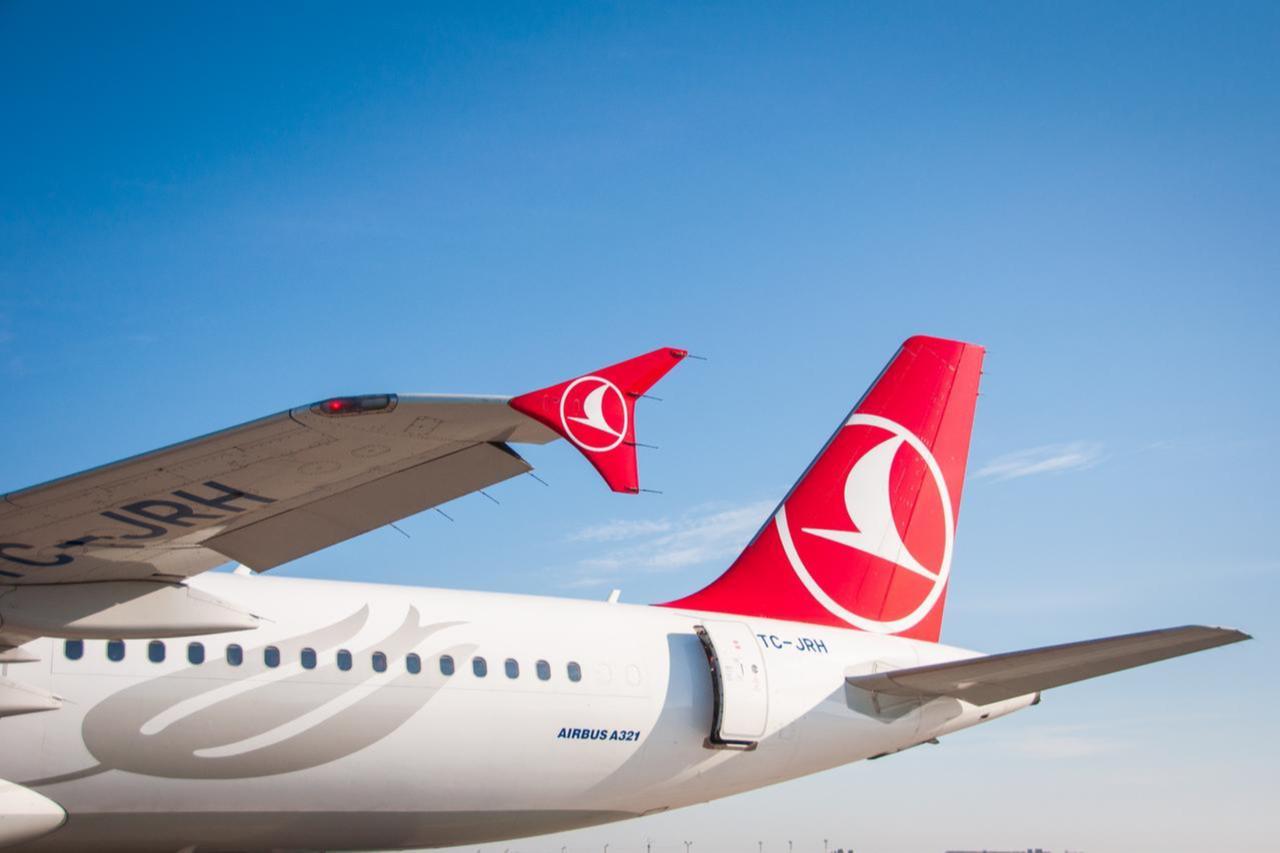


Turkish Airlines is filling nearly 92% of the seats on its flights to Vietnam, a key manufacturing, trade and tourism hub in Southeast Asia, a company official said. The figure is known as the load factor, the share of available seats occupied by passengers.
Speaking to reporters in Hanoi, Turkish Airlines Hanoi Manager Dincer Sayici said Vietnam is among the strategic markets of the flag carrier in Southeast Asia.
Sayici said the airline increased its total passenger numbers on Vietnam routes by 30% year-on-year in 2025 and projects around 11% growth by the end of 2026. “With the strong connections we offer via Istanbul Airport and our increasing flight frequencies, we expect to maintain this growth sustainably,” he stated.
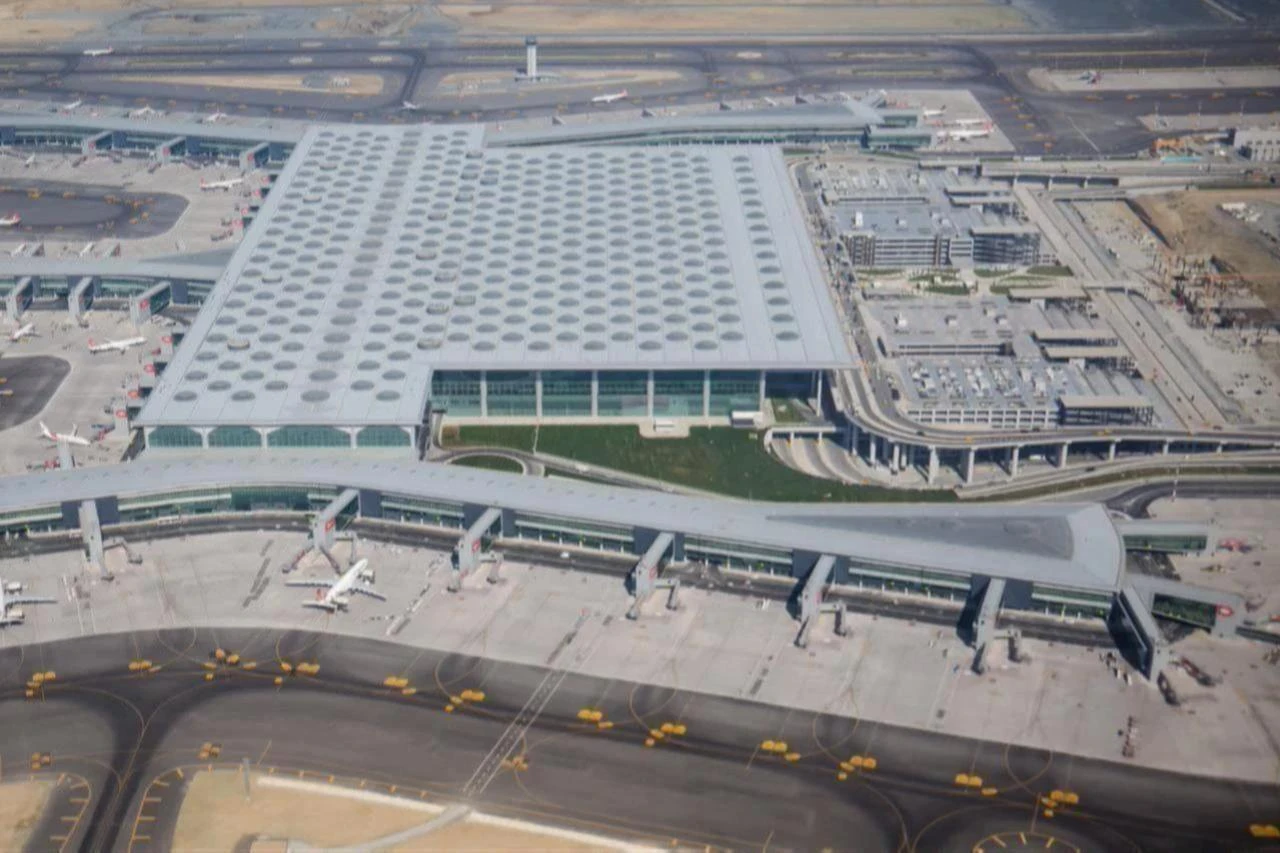
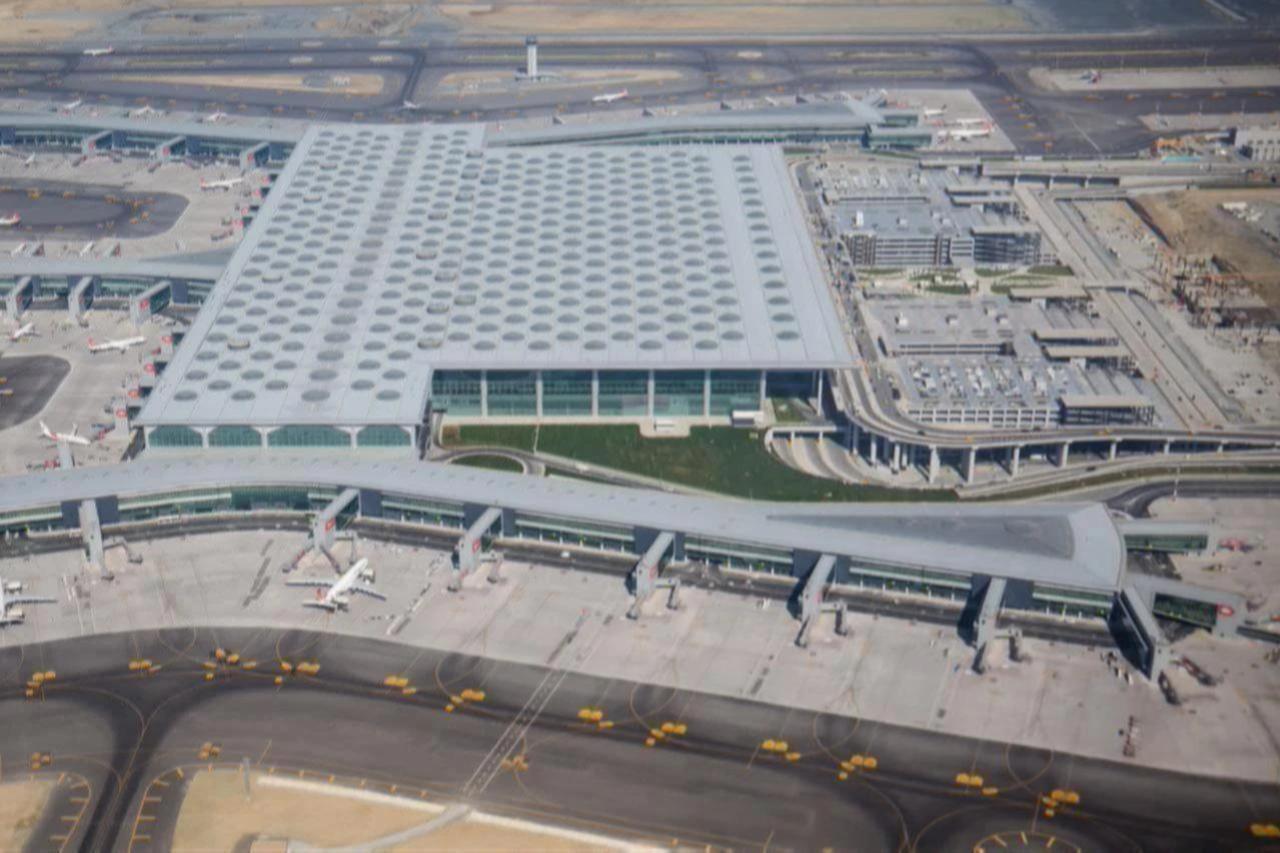
“Our average load factor on our Vietnam routes stands at around 92%, and 92% of our passengers are transit passengers connecting through Istanbul Airport,” he added.

Highlighting that connections to Europe and North America bolster the carrier’s position in the market, Sayici noted that Turkish Airlines currently operates 20 weekly flights to Vietnam, split equally between Hanoi and Ho Chi Minh City.
The carrier plans to raise weekly frequencies to 11 on the Hanoi route on Jan. 5, 2027, and to 11 on the Ho Chi Minh City route on Feb. 7, 2027, bringing total weekly flights to 22.
Under a memorandum signed between the two countries’ civil aviation authorities on Aug. 6, 2026, capacity was approved for up to 42 weekly passenger frequencies on the Istanbul-Hanoi and Istanbul-Ho Chi Minh City routes.
Turkish Airlines, which flies to more countries than any other airline, launched scheduled flights to Ho Chi Minh City via Bangkok on Dec. 29, 2010, and added Hanoi to its network on June 27, 2016.
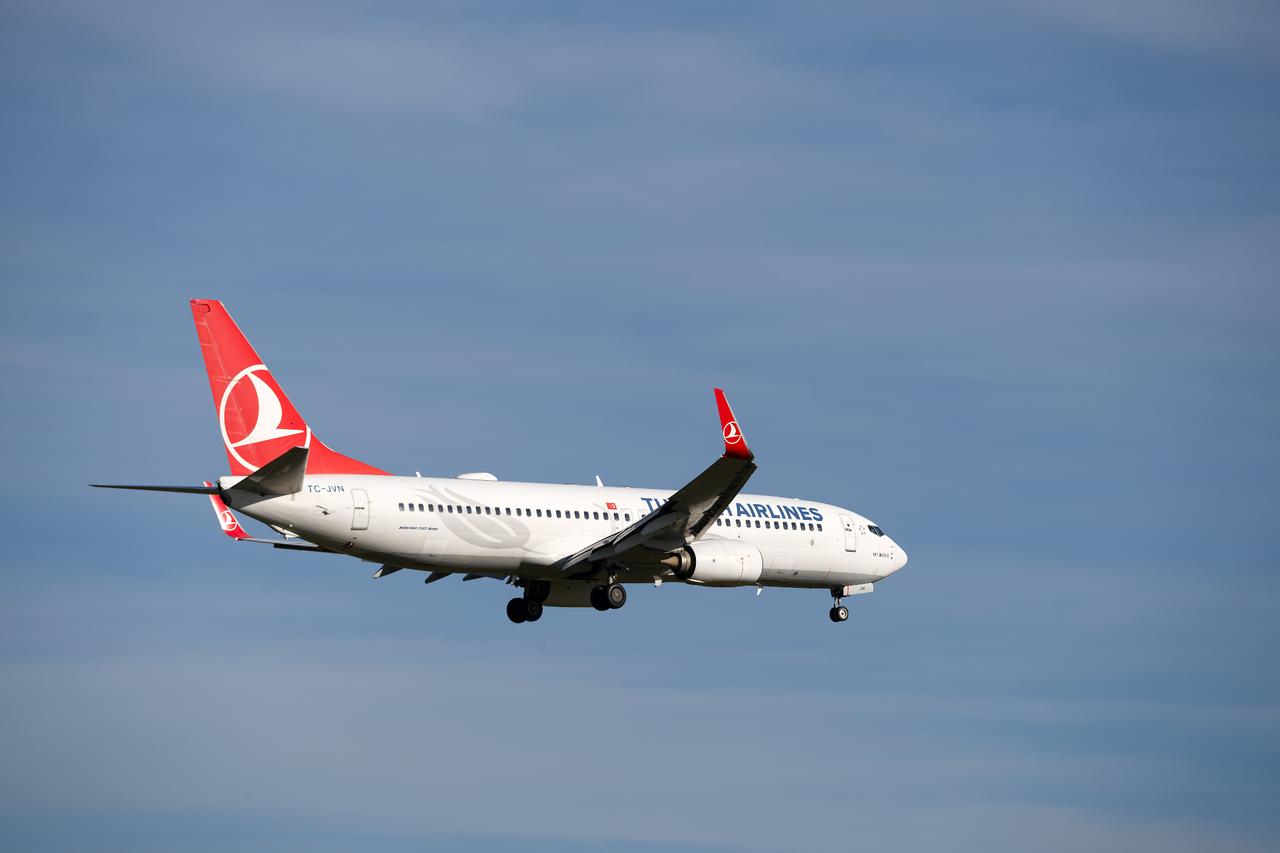
The carrier operates nonstop flights from Istanbul Airport to both cities primarily using wide-body Airbus A350-900 and Boeing 787-9 Dreamliner aircraft.

Sayici also pointed to growing interest among Turkish tourists in Vietnamese destinations such as Hanoi, Ha Long Bay and Ninh Binh, noting that passenger demand from Türkiye jumped 56% in the first nine months of 2026.
To attract more Vietnamese travelers to Türkiye, the airline works closely with travel agencies and tourism stakeholders to promote destinations including Istanbul, Cappadocia and Pamukkale.
He added that granting electronic visa eligibility to Vietnamese citizens as of Sept. 1, 2025, has positively impacted tourism figures and will continue to boost travel.
On air freight operations, Sayici said Turkish Cargo transported approximately 53,000 tons of cargo between Istanbul and Vietnam in 2025 and aims to reach 60,000 tons by the end of 2026.
Electronics, high value-added industrial goods, machinery, spare parts and textiles make up the primary cargo shipments supporting bilateral trade, he said.
“In the coming period, our goal is to meet rising passenger demand and contribute to the development of commercial and cultural ties between Türkiye and Vietnam,” Sayici added.
Home to more than 100 million people, Vietnam has expanded its industrial production, foreign trade and foreign investment since launching its Doi Moi economic reforms, a 1986 shift toward a market-oriented economy, in 1986, emerging as a global supply chain hub for electronics, textiles, apparel and footwear as well as rice, coffee and seafood exports.


 Set as preferred source
 Set as preferred source


 1 min read
 1 min read


