Sign in
 Newsletters


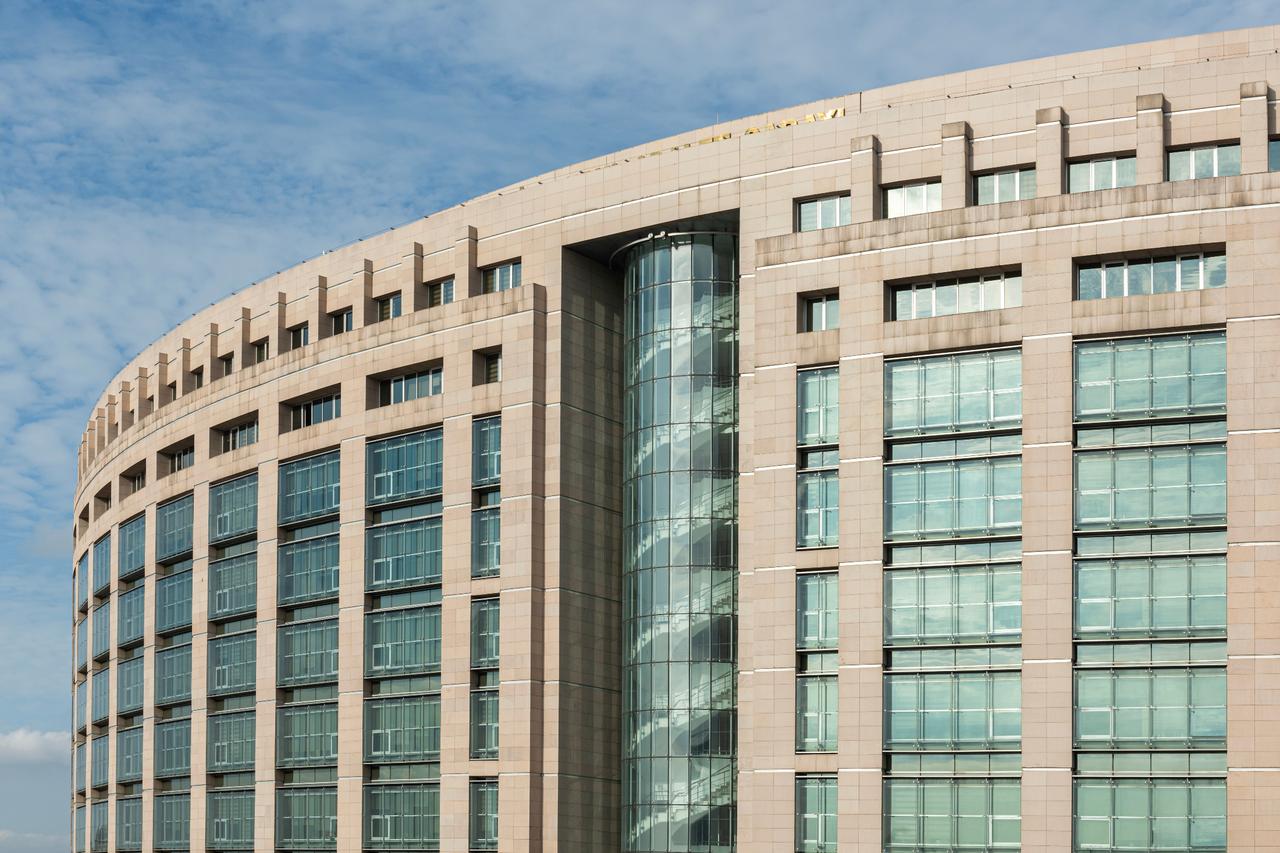


Seven more suspects have been arrested in an investigation into September's fund scandal in Türkiye, while authorities have seized control of 21 companies over alleged market manipulation, money laundering, and financial irregularities.
The other 19 of the 26 suspects were released under judicial control, as the investigation also resulted in the seizure of assets belonging to two individuals.
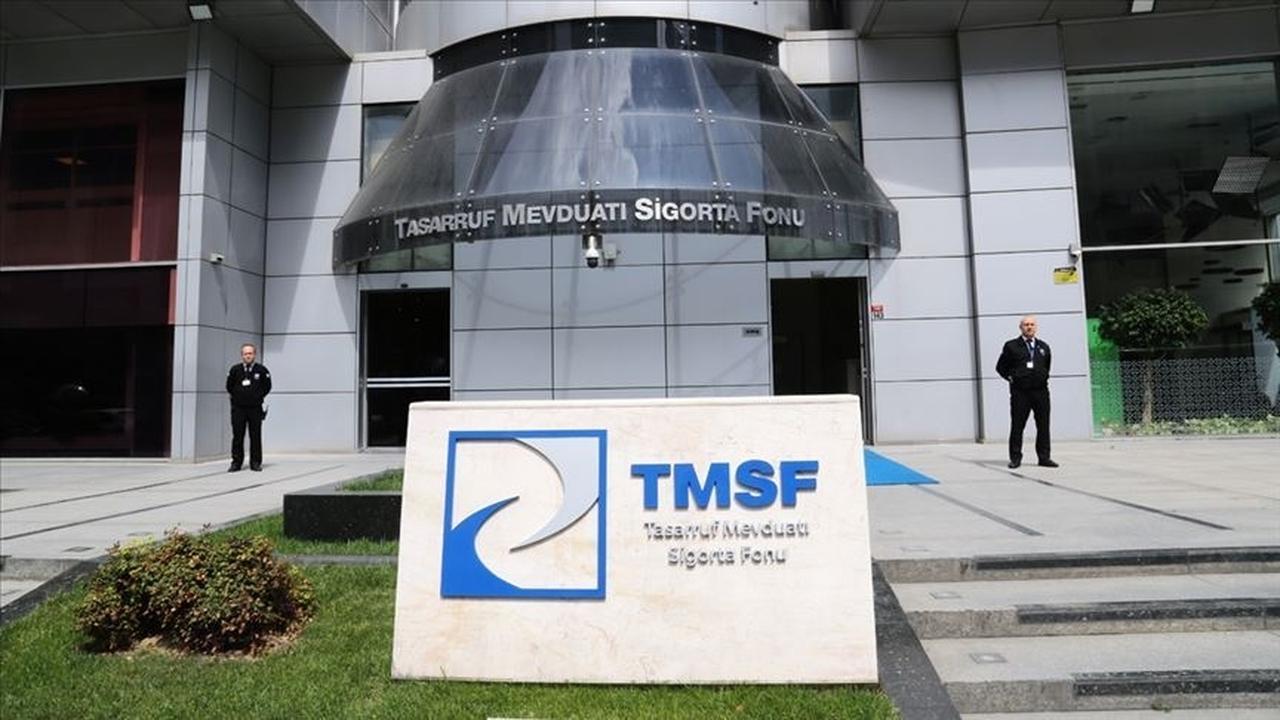
The Istanbul Chief Public Prosecutor's Office appointed the Savings Deposit Insurance Fund (TMSF) as trustee to 21 companies, transferring their management powers to the state.
The asset seizure orders cover property, bank accounts, electronic money holdings, safe-deposit boxes and company shares.
The measures followed reports from Turkiye's Financial Crimes Investigation Board (MASAK), expert analyses and statements gathered during the investigation.
Prosecutors allege that companies were drained through improperly obtained loans, while reverse repo transactions widened their risk exposure. They also identified the laundering of proceeds from alleged criminal activity through various financial transactions.
Six of the companies are already undergoing liquidation, while 15 remain active. Prominent businesses placed under trusteeship include Online Teknoloji ve Danismanlik, Online Filo Arac Kiralama, Fair Finansman and Mulksa Gayrimenkul Danismanlik Hizmetleri.

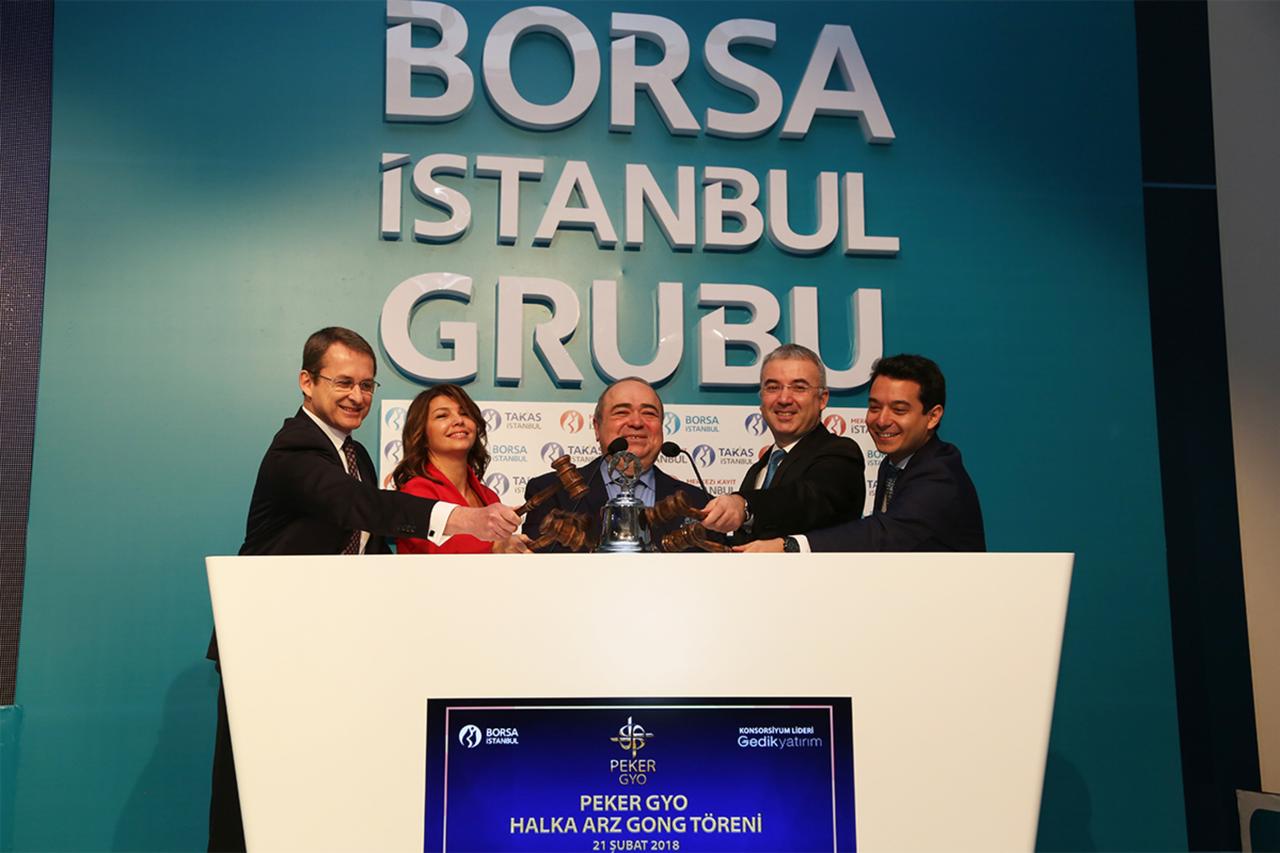
The investigation began in mid-September after several investment funds managed by Tera Portfoy and Pusula Portfoy failed to meet investor redemption requests, triggering widespread selling across Turkish financial markets.
The Capital Markets Board (SPK) subsequently ordered the liquidation of 131 distressed funds managed by seven portfolio management companies over six months.
The decision affected 455,000 investors, with the funds holding an estimated ₺936.3 billion ($19.1 billion) in combined assets at the time.
Authorities have identified over 400 suspects and detained more than 120 people over alleged market manipulation, insider trading and irregular financial transactions.
Justice Minister Akin Gurlek has described the case as an organized financial crime network allegedly involving market manipulators, stock exchange officials and media figures, alongside bribery intended to weaken regulatory oversight.


 Set as preferred source
 Set as preferred source


 1 min read
 1 min read