Newsletters


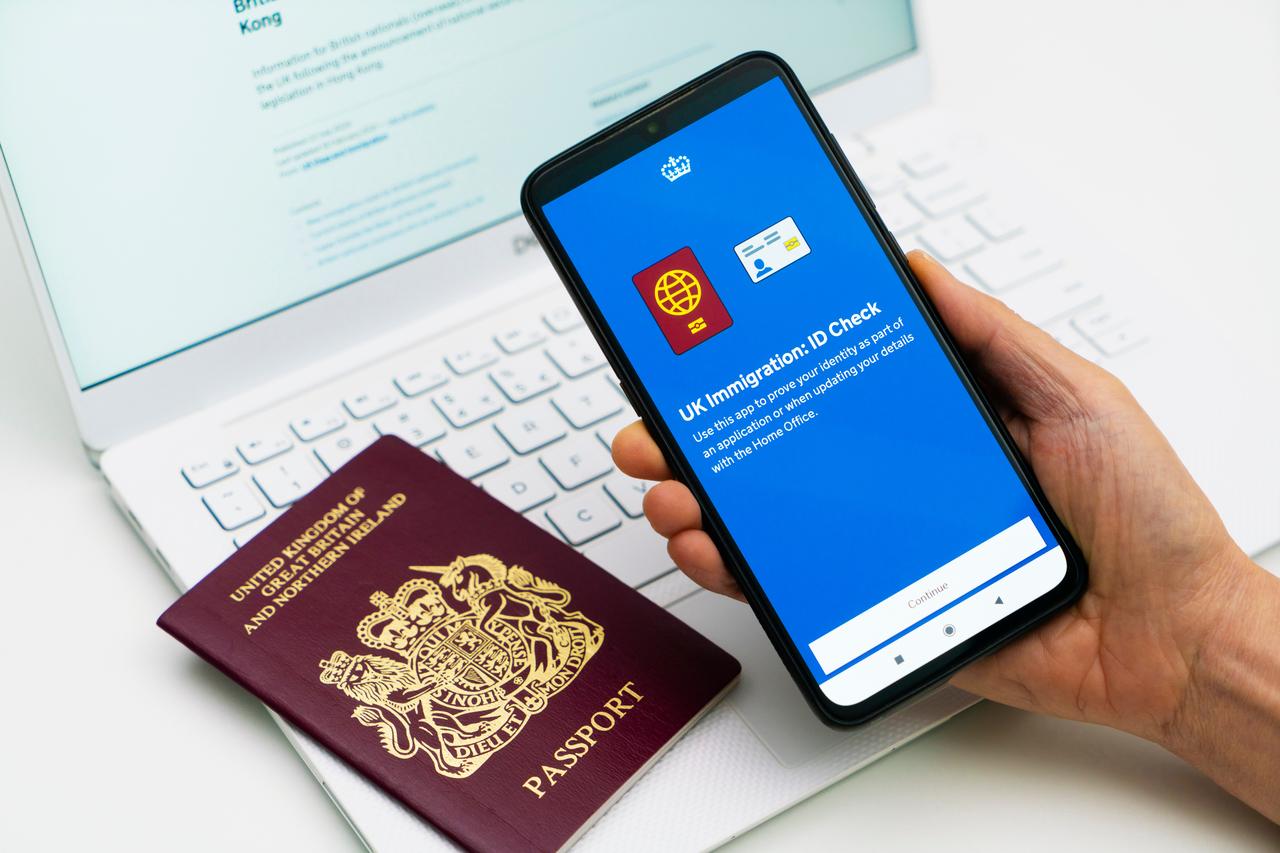


Turkish citizens who obtained residence rights in the United Kingdom by setting up companies are facing a rising number of refusals on permanent settlement applications.
Hundreds of Turkish nationals living in the country under the European Community Association Agreement (ECAA), also known as the Ankara Agreement, have had their indefinite leave to remain applications rejected this year, while approvals have also dropped markedly.
According to a report by The Guardian, the rise in refusals became most visible in applications submitted from September 2025.
The newspaper reported allegations that some applications were refused on criteria not in the rules, that assessments contained calculation errors, and that applicants’ personal circumstances, such as health problems, were not sufficiently considered.
The refusals began appearing in applications filed shortly before Home Secretary Shabana Mahmood outlined proposals to tighten permanent settlement requirements at the Labour Party conference in September 2025. The Home Office says it has made no changes to its assessment rules.

Home Office figures show the number of Turkish citizens granted settlement under ECAA fell from 3,378 in January-June 2025 to 745 in the same period of 2026, a 78% decline.
The drop reflects the change in approved applications, while the rise in refusals has also heightened concern among Turkish entrepreneurs about their future in the country.
Data obtained through a freedom of information request shows that applications for administrative review of refusals also increased rapidly.
The number rose from 145 in all of 2025 to 395 between January and mid-August 2026. Lawyers who handle ECAA applications said assessments of applications filed after September 2025 have exceeded the normal six-month period, with long delays.

Files reviewed by The Guardian showed that some refusals cited conditions not found in the rules.
A Turkish entrepreneur who runs a window-cleaning business in the U.K. had an application refused because the business had no social media account. Holding a social media account is not an official requirement for settlement under ECAA.
In another case, the Home Office said it could not locate the business’s website or social media account and that the applicant had not submitted complete bank statements. That refusal was later withdrawn.
In another case, the number of days an applicant spent outside the U.K. was miscalculated. The application was refused on the grounds that the person had exceeded the 180-day limit in a 12-month period, although the limit had not been exceeded.

Some refusals involve applicants who had to spend time outside the U.K. because of health issues.
A woman diagnosed with cancer during a visit to Türkiye amid the COVID-19 pandemic had her settlement application refused on the grounds that she preferred to continue treatment in Türkiye.
Her medical team said moving treatment to another country could pose serious clinical risks, but the Home Office did not change its decision. In October, the woman and her three young children were told they must leave the U.K.
Another applicant’s request was refused over time spent abroad supporting a father who lives in Türkiye and is living with advanced-stage Alzheimer’s disease.
The Home Office noted that the illness had been known for several years and did not treat the trips as urgent and unforeseen.
David Lammy, former foreign secretary and member of Parliament for Tottenham, a north London area with a large Turkish-speaking population, said the refusals recalled the Windrush scandal.
He said people who had built businesses, raised families and followed immigration rules had seen their lives upended by a sudden change in practice.
“I can’t help remembering the Windrush scandal,” Lammy told The Guardian. He urged the Home Office to reconsider the earlier independent review's recommendations.
The Windrush scandal emerged when some long-term U.K. residents, particularly from Caribbean countries, were unable to prove their legal status and lost their rights, were detained or were deported.
The independent review that followed recommended defining the evidence required from applicants more clearly, increasing direct communication with them and improving how sensitive cases are assessed.

A Home Office spokesperson told The Guardian, “There has been no change to how ECAA settlement applications are considered.”
The spokesperson added that each application continues to be assessed in line with published rules and official guidance, with the applicant’s individual circumstances taken into account.


 Set as preferred source
 Set as preferred source


 6 min read