Newsletters


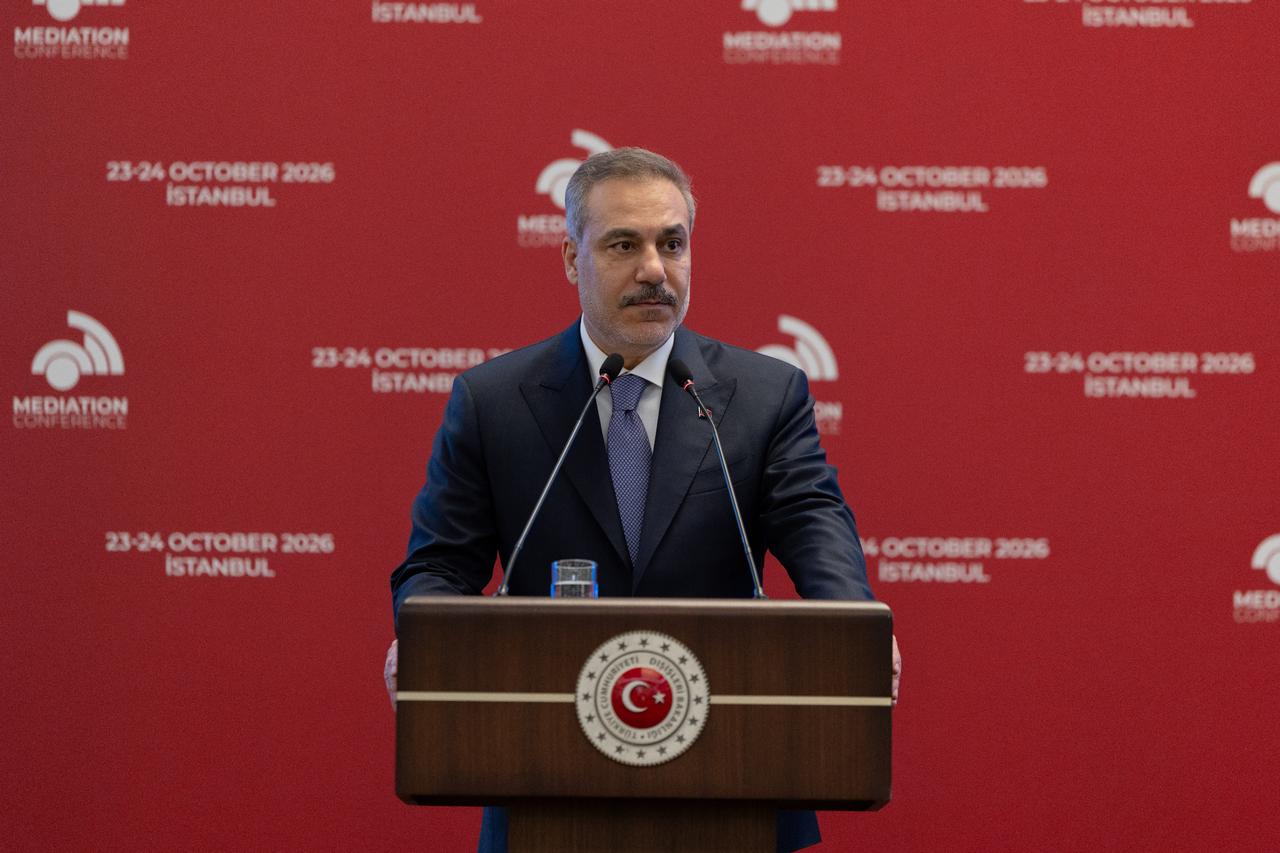


A lasting solution in Libya is within reach, Turkish Foreign Minister Hakan Fidan stated Friday, as Türkiye pursues an inclusive process with parties in the country’s east and west.
Türkiye's top diplomat spoke at the opening of the 9th Istanbul Mediation Conference, where he also said Israel's daily ceasefire violations are eroding trust in the international system.
"We have launched a process with Libya that includes all parties. We are close to a lasting solution in Libya," he said, adding that Türkiye maintains results-oriented dialogue with parties in Libya’s east and west, as well as with international partners.
"We believe a process owned by Libyans and based on sincere dialogue is the only way to a lasting solution," the Turkish FM said.
"This approach will bring not only the preservation of calm here but also the achievement of a lasting solution in Libya, and we hope this will happen in a much nearer future. In this framework, as long as positions persist, disputes can turn into violence," Fidan added.
He described Türkiye’s Libya efforts as an important example of how consent, mutual trust and inclusiveness can build confidence.
"Our mediation efforts in this framework depend on the consent of the parties, on mutual trust and, of course, on inclusiveness. To play a meaningful role in this framework, of course you need to know how it will affect the outcome," he said.
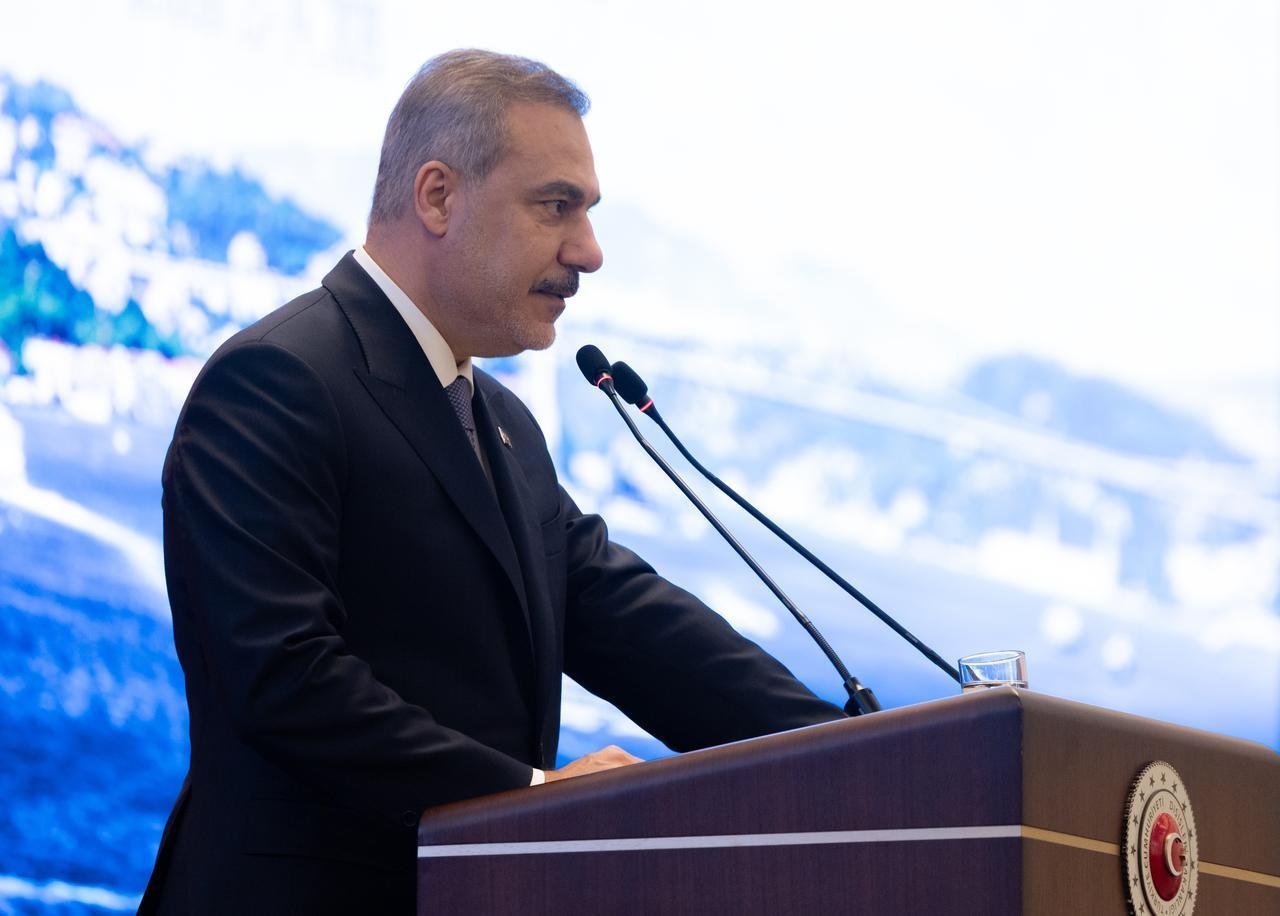

The Turkish FM said the human toll of conflicts is most visible in Palestine.
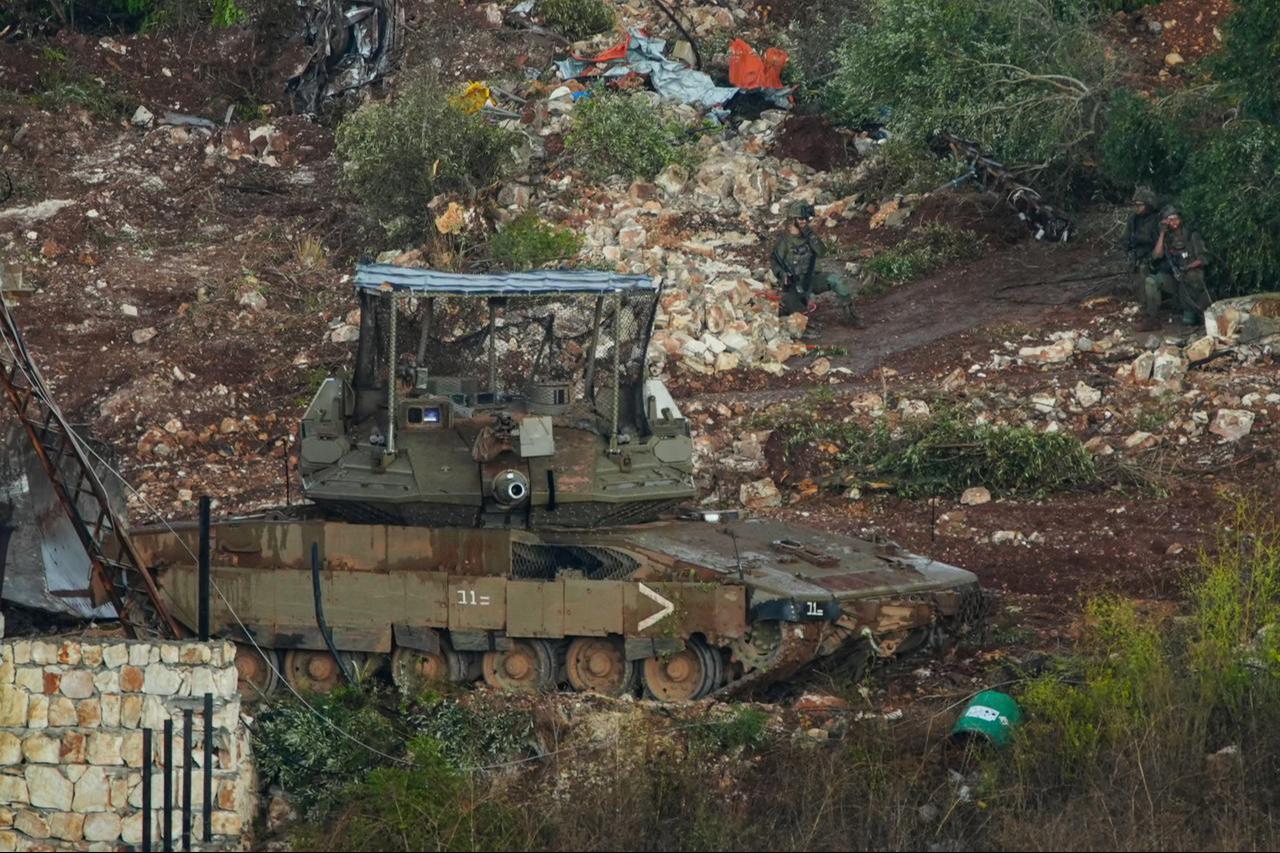
"The invasion in Gaza and the West Bank also continues here and is met with impunity. Israeli forces’ daily violations of the ceasefire diminish trust in the international system and create insecurity in this regard," he stated.
"In this regard, humanitarian aid access and especially the protection of children must be our priority. In this framework, I want to state once again that this dispute can be resolved through a just political solution," FM Fidan said.
Citing U.N. data, the top Turkish diplomat noted that conflicts are taking a growing human toll.
"The United Nations estimates in this sense that about a quarter of the world’s population lives in conflict zones. Every 12 minutes, a civilian loses their life as a result of these conflicts. More than 100 million people are forcibly displaced, and unfortunately about 40% of them are children," he said.
"Even if peace in the region had in fact been accepted for many years, the peoples of the region are now being tested by armed conflicts. In the last few years, multiple conflicts continued to take place in different regions of the world. Truly, extremely critical trade routes, sea routes were affected by this, and ceasefire violations became routine," Fidan stated.
Fidan said three principles should guide efforts for peace and prosperity: sincere dialogue, sustainable mediation and regional ownership.
"The speed and scope of conflicts are testing the international system’s capacity to respond, and these transformations are transforming the international order. But what will emerge as a result is not yet clear. The choices we make today will in fact determine this method and this path," he said.
"Today’s crises in fact reveal a much deeper problem, which is the loss of legitimacy of the international system. As President (Recep Tayyip) Erdogan and U.N. Secretary-General (Antonio) Guterres have also stated, if rules are not properly applied in this framework, institutions lose their credibility and the parties lose trust," Fidan added.
"If you cannot talk with the parties concerned in a dispute, you cannot solve it," he said, stressing channels must stay open even if progress is slow and fragile.
"This approach is reflected in many of Türkiye’s steps, particularly the talks between Russia and Ukraine, the Black Sea Grain Initiative and the Ankara process between Somalia and Ethiopia. These show that sustainable mediation is important to keep negotiations alive, and even if a comprehensive solution is out of reach, however distant, it brings along what we can gain together. These practical gains form the foundations of a broader agreement," Türkiye's top diplomat noted.
 1 min read
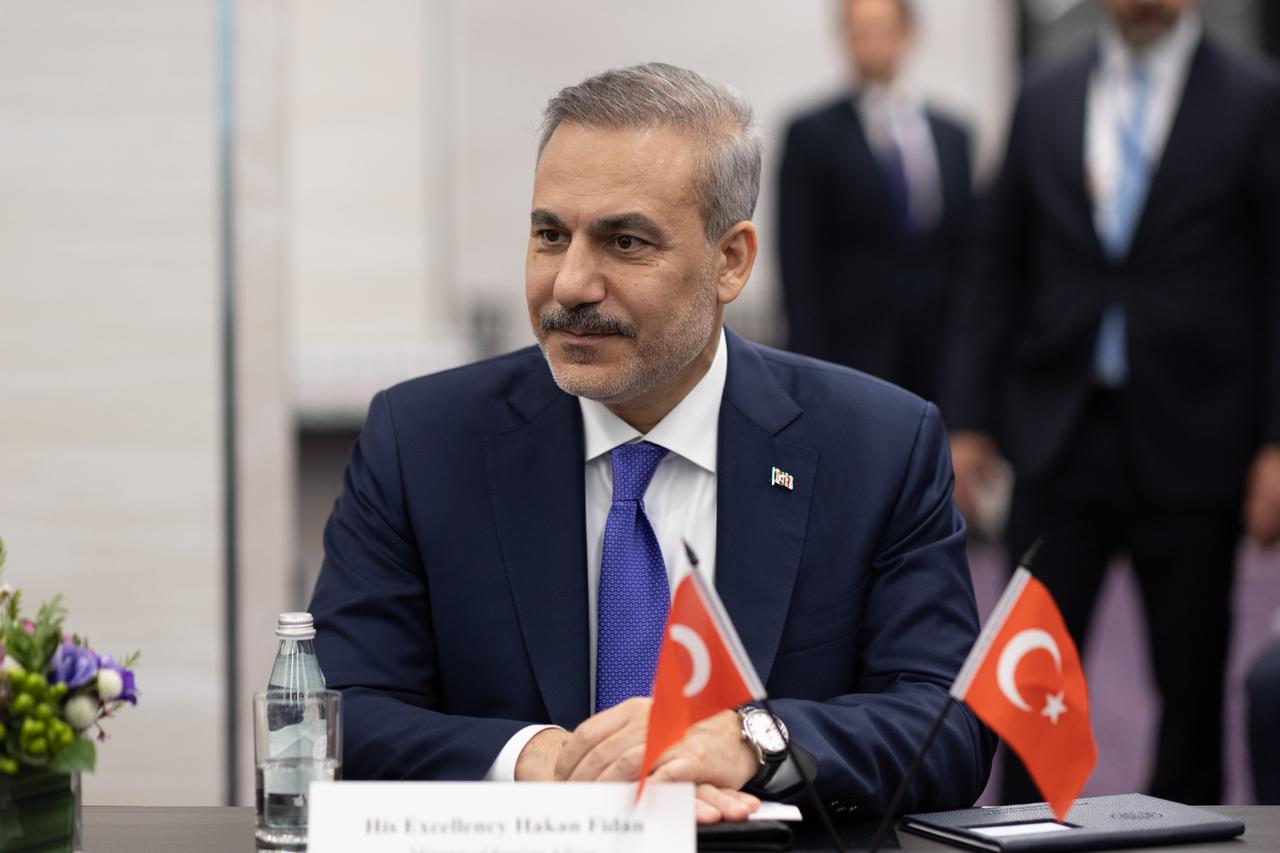
The Turkish foreign minister said stability cannot be imported and lasting solutions cannot be imposed from outside.
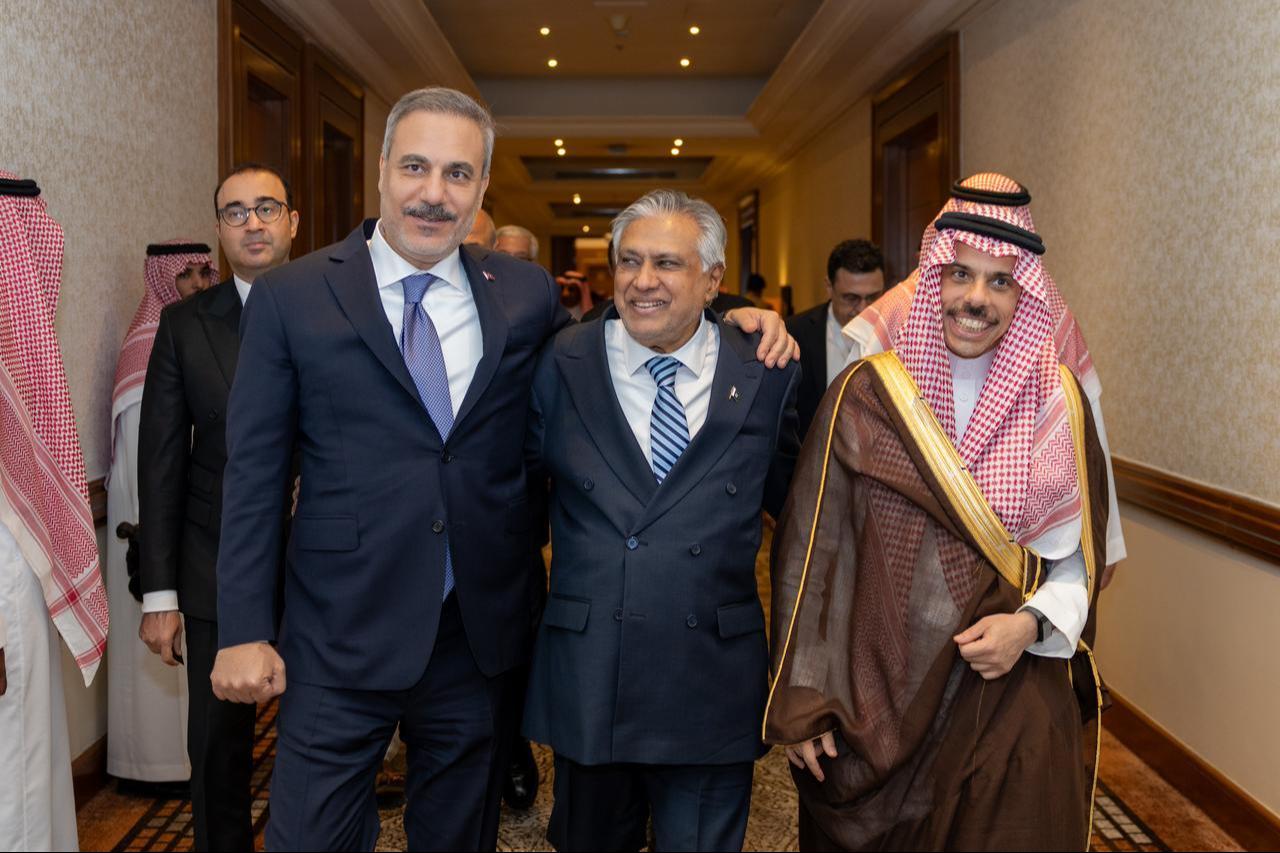
"The Mecca defense alliance and the Balkan Peace Platform show how this principle can work in practice. The Mecca alliance was established to protect regional security, peace and prosperity, and its founding took place with a sense of regional ownership," he said.
"The Balkan Peace Platform can also bring practical solutions among Balkan countries. Therefore, regional ownership forms an extremely important cornerstone of all these points. With these countries, an effective mediator also requires partnership and new perspectives. In this framework, the expertise of international organizations and civil society can be brought together," FM Fidan added.
"We must place mediation at the center of our political strategy. Türkiye, in this sense, is working to transform mediation from a diplomatic tool into a very different, strategic discipline," he said, adding that Türkiye has set up the institutional structure for this.
"Türkiye’s approach in this regard, based on sincere dialogue, sustainable engagement and regional ownership, shows how this approach can contribute to regional and global security," Fidan stated.
In a video message to the conference, President Recep Tayyip Erdogan said Türkiye continues striving to pave the way for peace across a vast region.
"We are going through a period in which conflicts are increasing on a global scale, tensions are escalating, and trust in international law and institutions has been shaken," President Erdogan said.
"As Türkiye, in such a period, we have made it our principle never to give up on diplomacy, even when the parties are not talking to each other and hopes are diminishing. With the gains we have achieved across a wide geography, from prisoner exchanges between Russia and Ukraine to our mediation efforts on the African continent, we are striving to open the road to peace today as well," he added.
The Turkish president also criticized the structure of the international system, particularly the U.N. Security Council.
"Today, millions of people in Palestine, Lebanon, Sudan and other crisis regions who had pinned their hopes on the United Nations are in deep disappointment," he said, noting, "A structure in which the will of more than 190 countries depends on the discretion of five countries is neither fair nor capable of fully restoring trust."
"There is always a door open to diplomacy, even in the most difficult disputes," Erdogan said, adding the key is demonstrating "the will, courage and sincerity to keep that door open."
"At this point, we will continue to bring parties together for peace, mediate for just solutions and assume responsibility," he concluded.


 Set as preferred source
 Set as preferred source


 1 min read