Newsletters




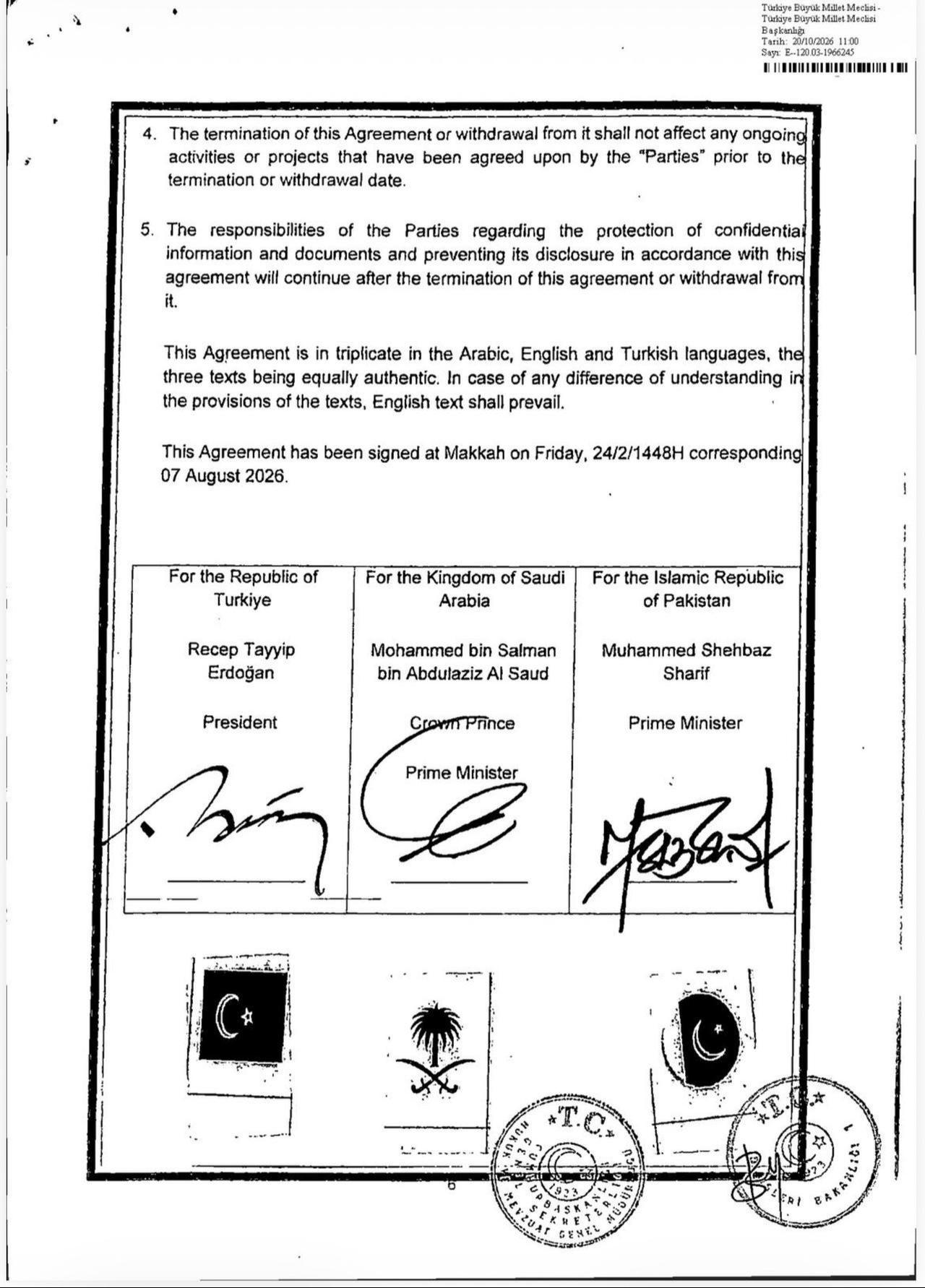
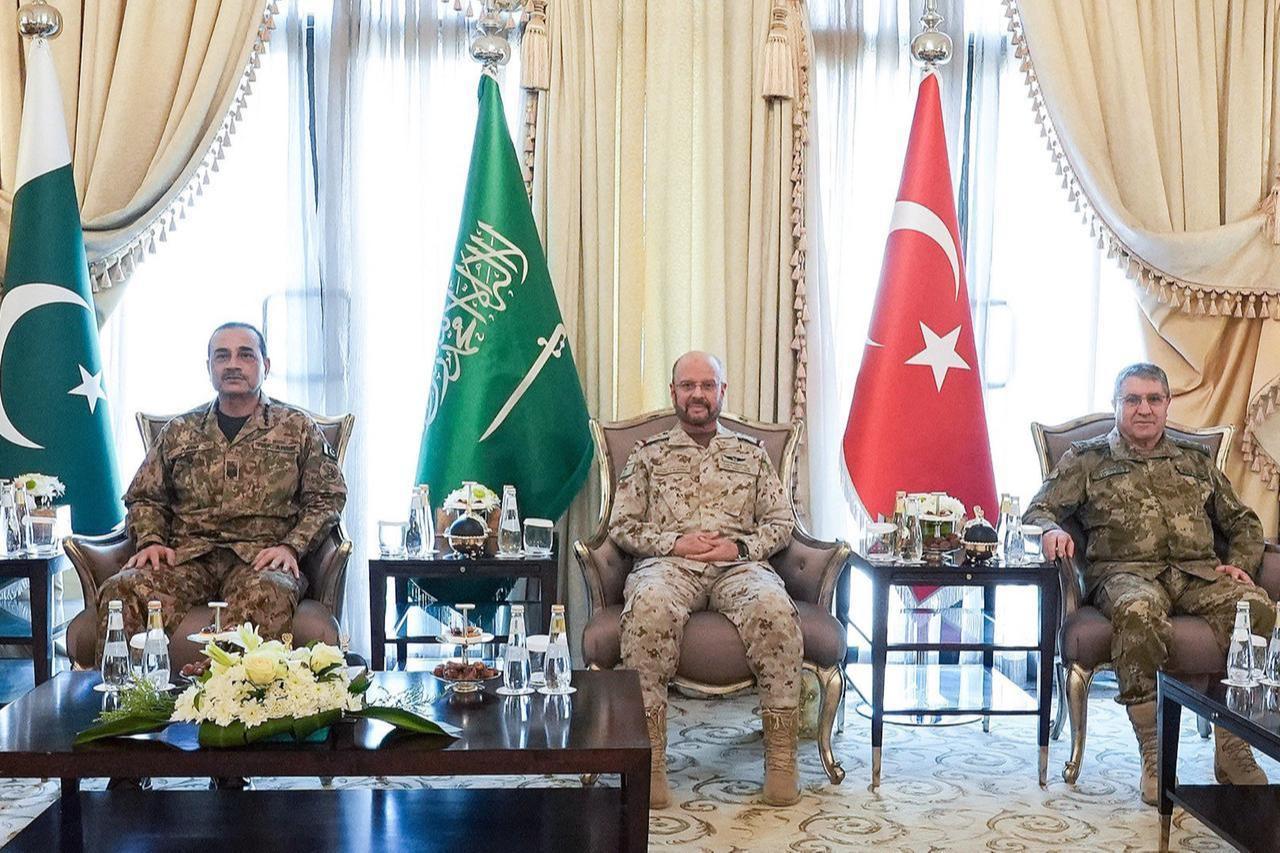
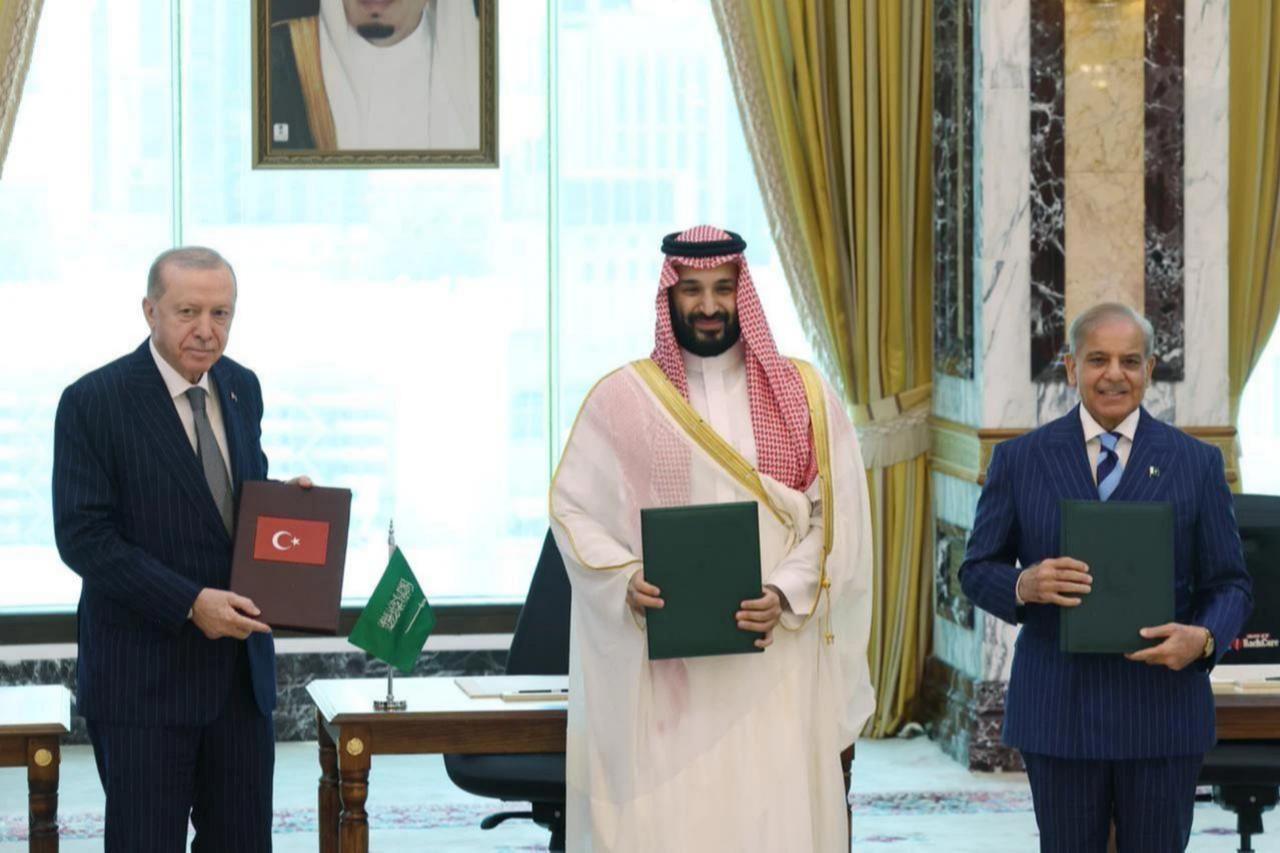
The joint defense pact signed between Türkiye, Pakistan and Saudi Arabia in Mecca in August is now on Türkiye's parliamentary agenda. The text before parliament is, in technical terms, simply a ratification matter. But the political choice behind it tells us more than it appears to.
The treaty's opening article commits the parties to use whatever means are necessary to remove any threat to one another's territorial integrity, sovereignty, or internationally recognized borders, and the article that follows goes further, stipulating that any external attack on any one party is to be considered an attack on all.
This second provision stands out most. It resembles NATO's collective defense logic and builds a framework of military, intelligence, and industrial cooperation among the three countries. Still, given the hesitations even an institutionalized alliance like NATO shows in invoking such a clause, the significance of this article in the Mecca pact shouldn't be overstated.
Reading this agreement merely as a response to Saudi Arabia's security concerns—a reading that Article 2 of the pact and the situation on the ground tend to invite—means missing the larger point. This is a mistake many people make.

Riyadh's security need is certainly urgent and real. Years of proxy wars in the region, the expansion of Iran-centered networks, the Iran-U.S./Israel war, and attacks on energy infrastructure have fundamentally reshaped the Gulf's sense of security.
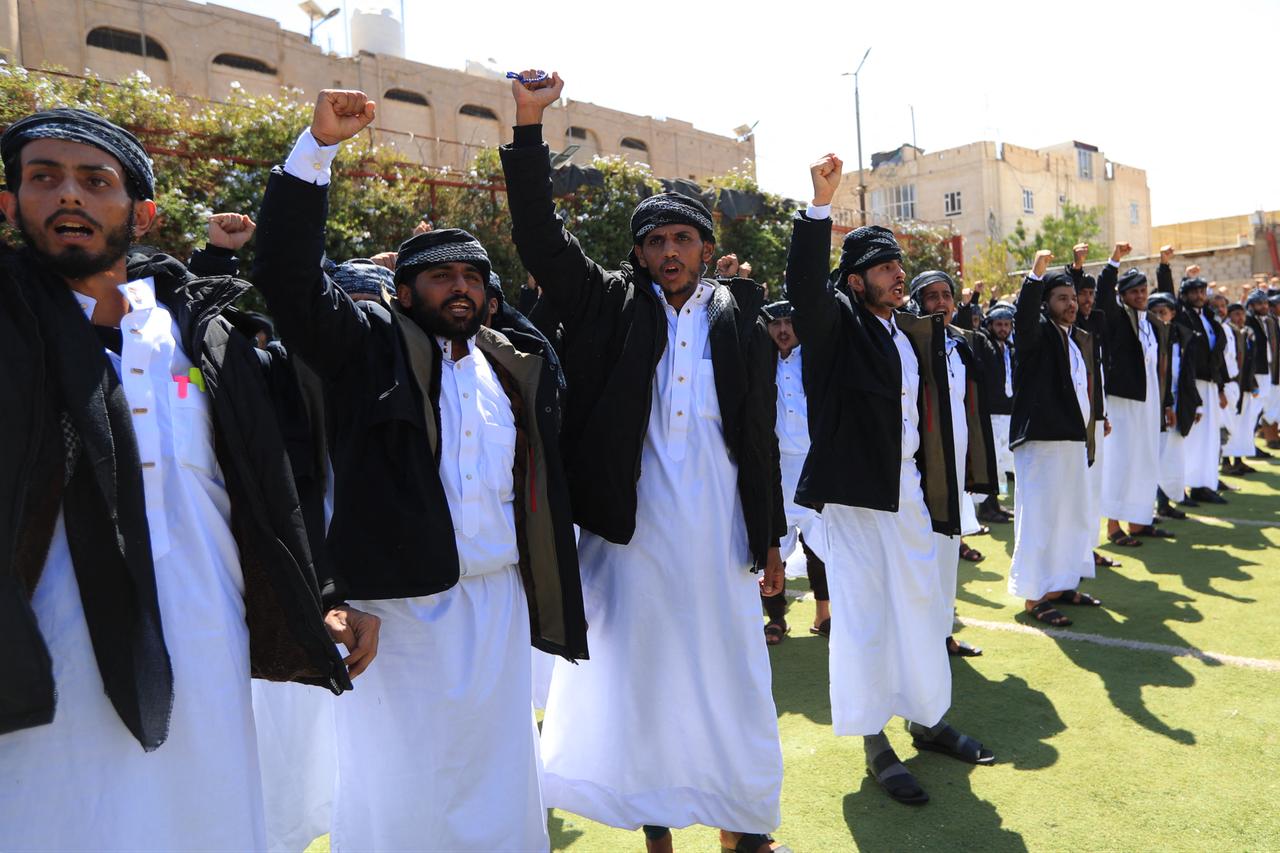
But Türkiye's involvement in this process carries a meaning that goes beyond simply backing an ally. With this agreement, Ankara is working to close a chapter in which non-state actors have been the decisive force in the region, and to build in its place an inter-state, institutionalized security architecture. The clearest proof of this will come once Saudi Arabia resolves its conflict with the Iran-backed Houthis in Yemen.
Most of the conflicts in the Middle East over the past 15 years have not stemmed from direct wars between states but from militia structures, armed groups, and the proxy networks feeding them.
The arc running from Lebanon to Iraq, and from Yemen to northern Syria, shows how state authority fractured and armed groups took its place. This picture both narrowed the sovereign space of regional states and opened the door to outside intervention. The Mecca agreement is as much a response to the final act of that picture as it is insurance against what comes after.
The three states define their mutual security not against each other but against third-party actors, a definition aimed at rebuilding a state-centered order. The treaty backs this up with a separate article committing the parties to close cooperation on defense, the defense industry, and security more broadly, and to deepening ties between their armed forces. This makes clear that the aim is an ongoing relationship, not a one-off security pledge.
From Türkiye's perspective, this step is not a new line of foreign policy but the natural extension of a course it has already been following in recent years.
In Syria, in Libya, and now in Iraq, Ankara is no longer working through direct military presence. It is building regional influence through institutional partnerships, training cooperation and defense industry exports, and in the process is pushing various multinational non-state actors toward integration.
What ties this approach together is a role that is complementary rather than interventionist. The Mecca agreement follows the same logic: a framework that doesn't replace existing alliance structures but complements them, one that foregrounds regional ownership.
A second dimension comes into play here: Israel's position in the region. The wave of strikes that followed the devastation in Gaza and extended to Lebanon, Syria and Iran showed that Israel's security policy now rests on aggression rather than dialogue.
This approach has created a shared concern among regional states: a sense that borders, international law and diplomatic channels fall short in the face of unilateral military operations. The Mecca agreement's collective defense clause, while not targeting Israel directly, offers a security net meant to answer that concern.
Official statements on the agreement specifically note that no country is being targeted; this is the expected diplomatic phrasing. But in practice, making an attack on any one of the three countries an attack on all raises the cost of unilateral military ventures. That, in turn, creates an indirect element of deterrence.
The treaty reinforces this with a standing commitment to regular consultation on international security matters, so that the three states can develop joint and individual measures against threats to their national security on an ongoing basis, not only once an attack has already happened. It also binds them to deepen their existing cooperation against terrorism in all its forms, including at the operational level.
Türkiye's position in this equation is political as much as military. Ankara has recently tried to position itself as a mediator or guarantor in the Gaza ceasefire process, in Syria's reconstruction, and in normalization efforts in the Caucasus.
The Mecca agreement is a tool that reinforces this role, and one that tightens ties with the Gulf further south as well. When the three countries come together under a shared security framework, Türkiye's weight in the Gulf increases and its position as an actor that produces solutions in regional crises rather than taking sides is cemented.
This is a different strategy from building a direct alliance against Israel's aggressive policies; the aim is to build trust among states in the region, creating shared resilience against outside intervention.
Part of that trust-building runs through intelligence: the agreement commits the parties to deepening intelligence sharing over secure, mutually agreed channels, under rules of information security and confidentiality, which is a quieter but no less significant form of integration than the headline defense clause.
The agreement's institutional structure supports this reading as well. Regular meetings of a committee made up of foreign and defense ministers, the establishment of a joint secretariat, and the goal of joint production in the defense industry all point to a lasting institutionalization effort rather than a temporary security pact.
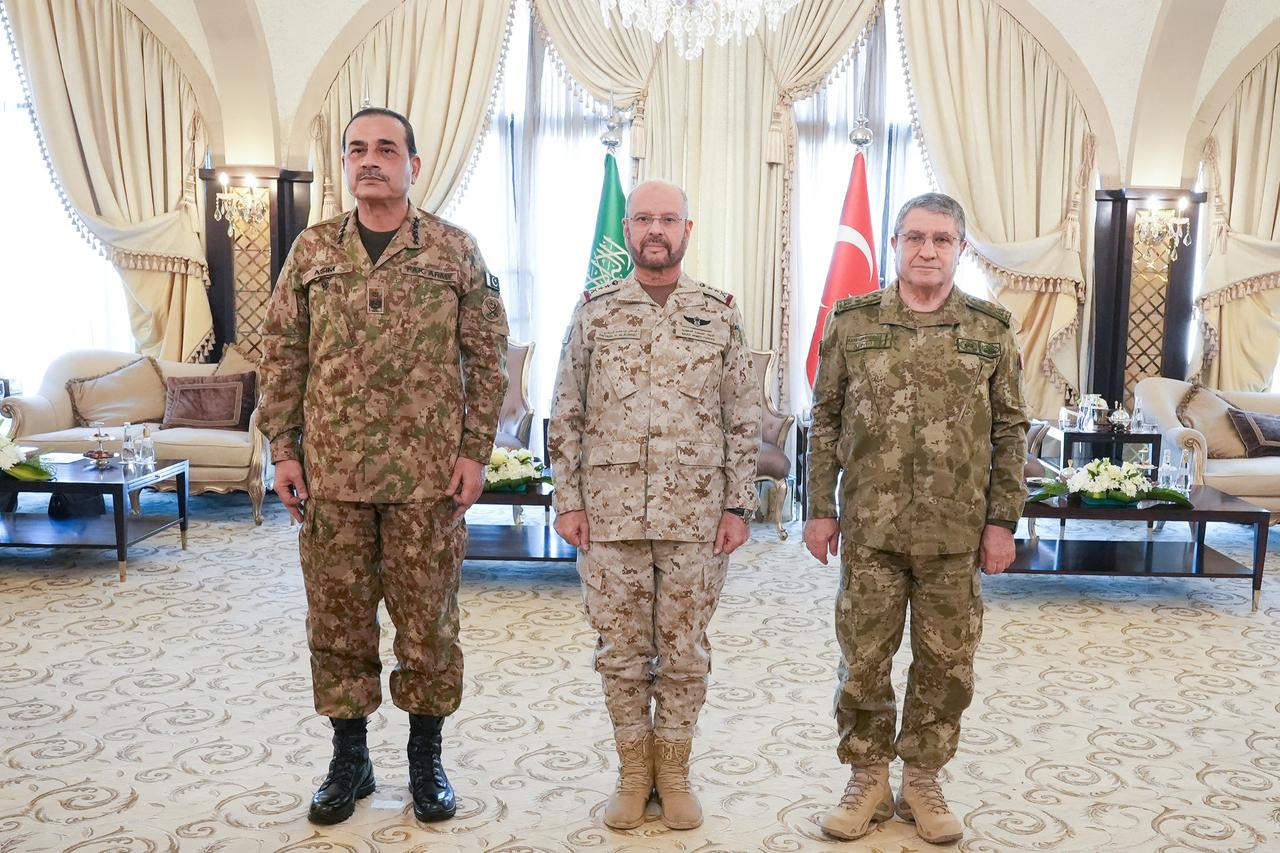
The same committee is also tasked with organizing personnel exchanges, joint training programs and military exercises meant to build interoperability between the three armed forces, and arranging logistical support, from weapons and ammunition to fuel and spare parts, in peacetime, wartime and other emergencies alike.
These arrangements transform Türkiye's role in the region from a partner offering one-off support into a founding element of a long-term security architecture.
This is precisely why parliament's ratification of the agreement will signal that Türkiye has folded this role into its official foreign policy line. Beyond the day-to-day political debate, this is a wider choice about how Türkiye positions itself.
Ankara sees a regional order built among states rather than around non-state actors as a balance that suits its own interests, one that both deepens ties with Saudi Arabia and Pakistan and narrows the space for Israel's unilateral action.
Another dimension of the agreement is Pakistan's participation. Pakistan's military capacity and nuclear deterrent lift this three-country structure beyond a merely bilateral matter between Türkiye and Saudi Arabia, tying it instead to a broader security line stretching from South Asia to the Eastern Mediterranean.
This also keeps the agreement's regional impact from being confined to a single crisis. The fact that the three countries hold varying threat perceptions across different geographies moves the agreement away from being a narrow alliance against a specific enemy and toward a broader framework for stability.
The defense industry dimension can be read along similar lines. Joint production, technology sharing and R&D cooperation build a long-term relationship of interdependence and partnership rather than merely meeting a short-term security need.
When Türkiye's accumulated experience in defense manufacturing combines with Saudi Arabia's investment capacity, the result is a production ecosystem that could open up to third countries as well. This fits with Ankara's goal of building economic, not just political, weight in the region.
In the end, reading the Mecca agreement only as a security guarantee falls short. The agreement also reflects a choice about what kind of order Türkiye wants in the region: one in which states secure themselves through institutional cooperation rather than through militias and proxy wars.
That choice also works as an indirect but effective counterweight to the region's power imbalances, particularly against Israel's recent pattern of aggressive policy.
Parliament's approval may look like a technical step, but it will in fact mark Türkiye's formal adoption of this choice.
The agreement is meant to stay in force indefinitely, with any party free to withdraw only after 10 years and on three months' written notice. This underlines that it is designed as a durable fixture of the region's security landscape rather than a short-term arrangement.


 Set as preferred source
 Set as preferred source


 2 min read
 1 min read