Newsletters


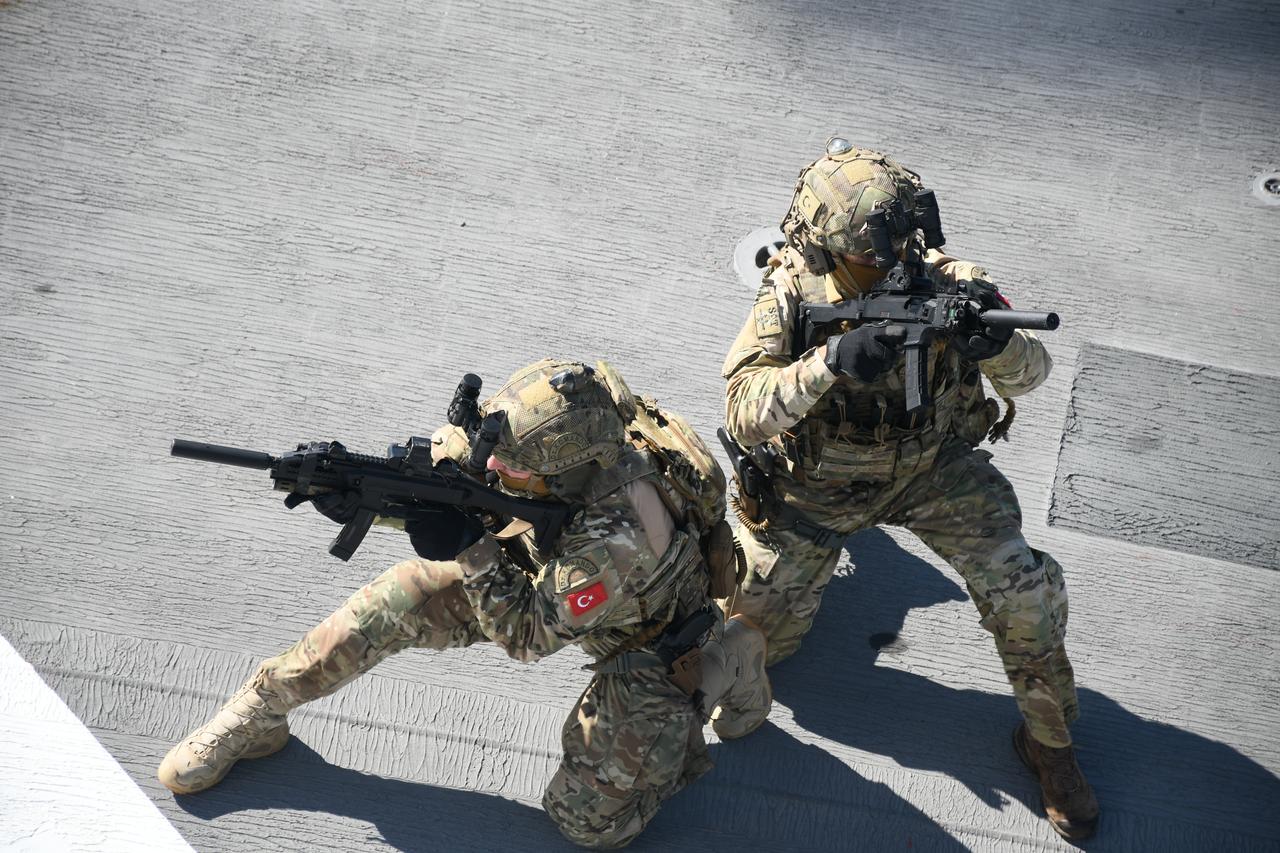


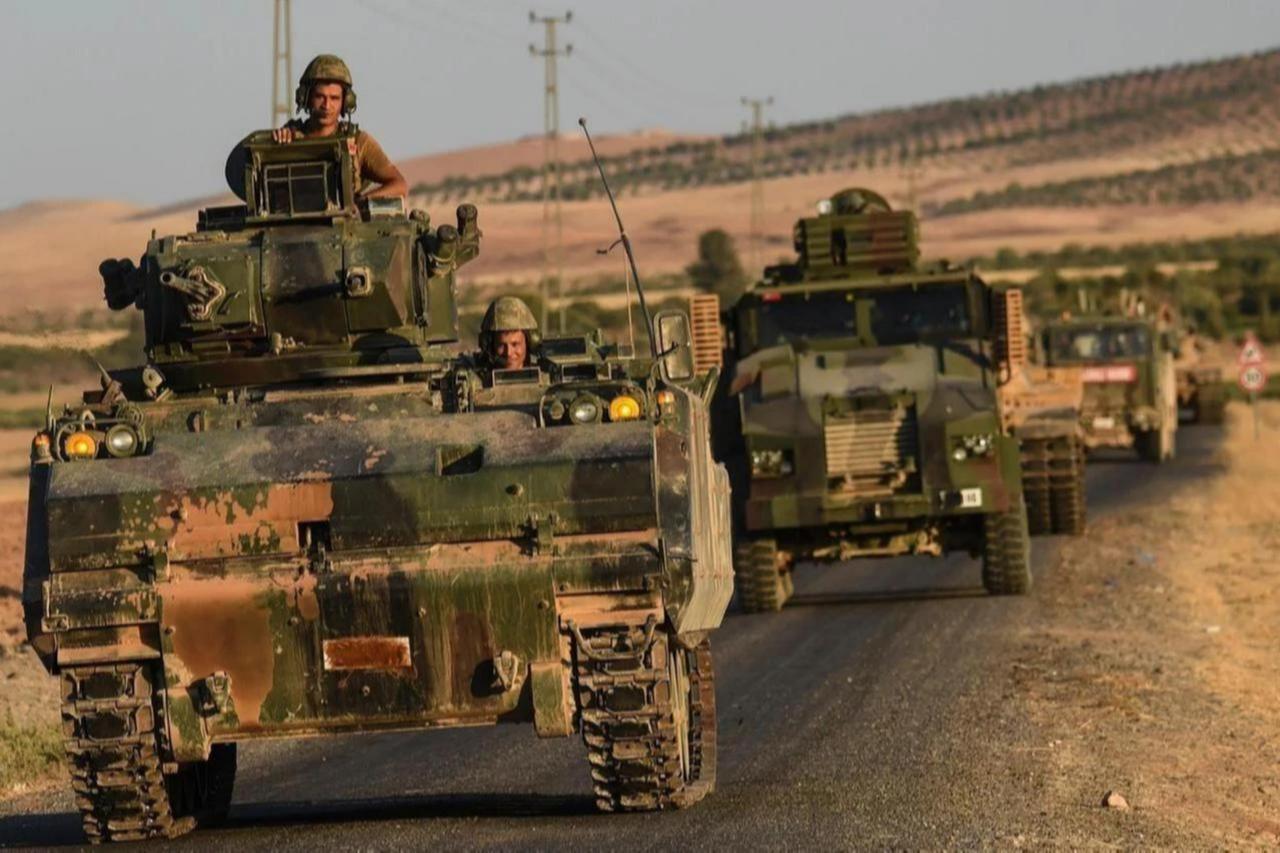
Türkiye will keep its troops in Syria and Iraq until border security is fully ensured and the terrorist threat is eliminated, Defense Minister Yasar Guler told Agence France-Presse (AFP), refusing to be drawn on future deployment plans as the PKK terrorist group's disarmament advances.
"We are maintaining our military presence in Iraq and Syria," Guler said in written answers to AFP.
"When we assess that the necessary conditions have been met in terms of regional and border security, the status of our base areas and our presence in the region will be reconsidered," he noted.
The comments signal that Ankara's planned handover of its Bashiqa base in Iraq does not mean a broader pullout, as the PKK continues to withdraw from northern Iraq and Syria's new government consolidates control.
"Once the terrorist threat in the region has been completely eliminated, border security has been ensured, and state authority has been fully and uniformly established throughout Syria without exception, the status of our forces will be reassessed," the Turkish defense minister stated.
He said Türkiye had established "close coordination in the field of security" with the Syrian government since Bashar Assad’s fall, with Turkish troops working to "strengthen the capacity" of the Syrian military.
"At this stage it would not be appropriate to make a prior assessment regarding deployment or base plans that have not been made public," Guler said, adding the future posture would take into account "Syria’s sovereignty and territorial integrity, the mutual understanding of the two countries, the security conditions on the ground and the evolution of the terrorist threat."
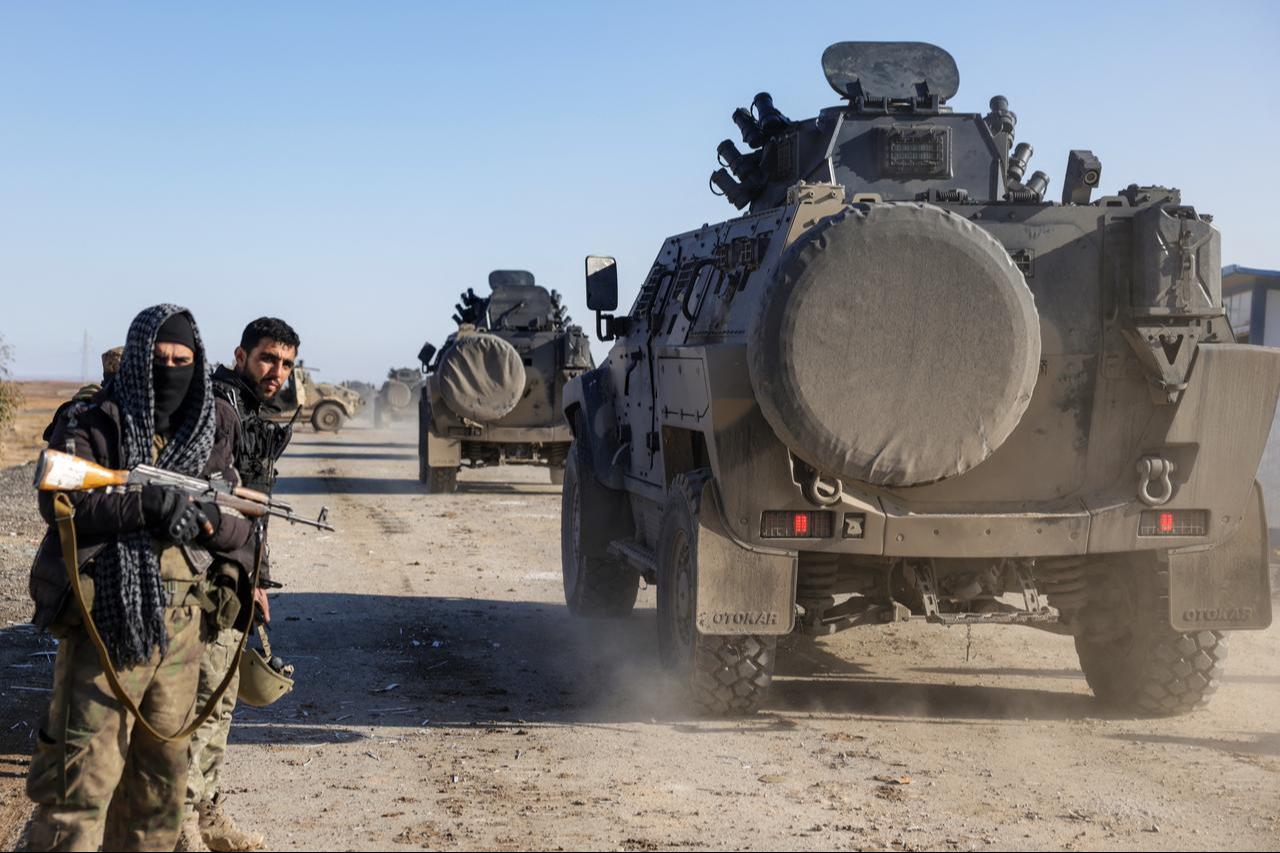
Türkiye had between 16,000 and 18,000 troops in northern Syria when Assad fell, a Turkish official told AFP.
An Iraqi security source put the number of Turkish troops in Iraq at 800 to 1,000.
These numbers cannot be independently verified.
"It would not be accurate to assess our military presence in Iraq and Syria solely on the basis of personnel numbers. Our force structure and posture on the ground are shaped according to needs," he stated.

The defense minister stated that the PKK must "fully implement their decision to dissolve," with Türkiye "meticulously monitoring the next phases of the process."
"The progress of the process doesn’t mean security measures have been relaxed," he added.
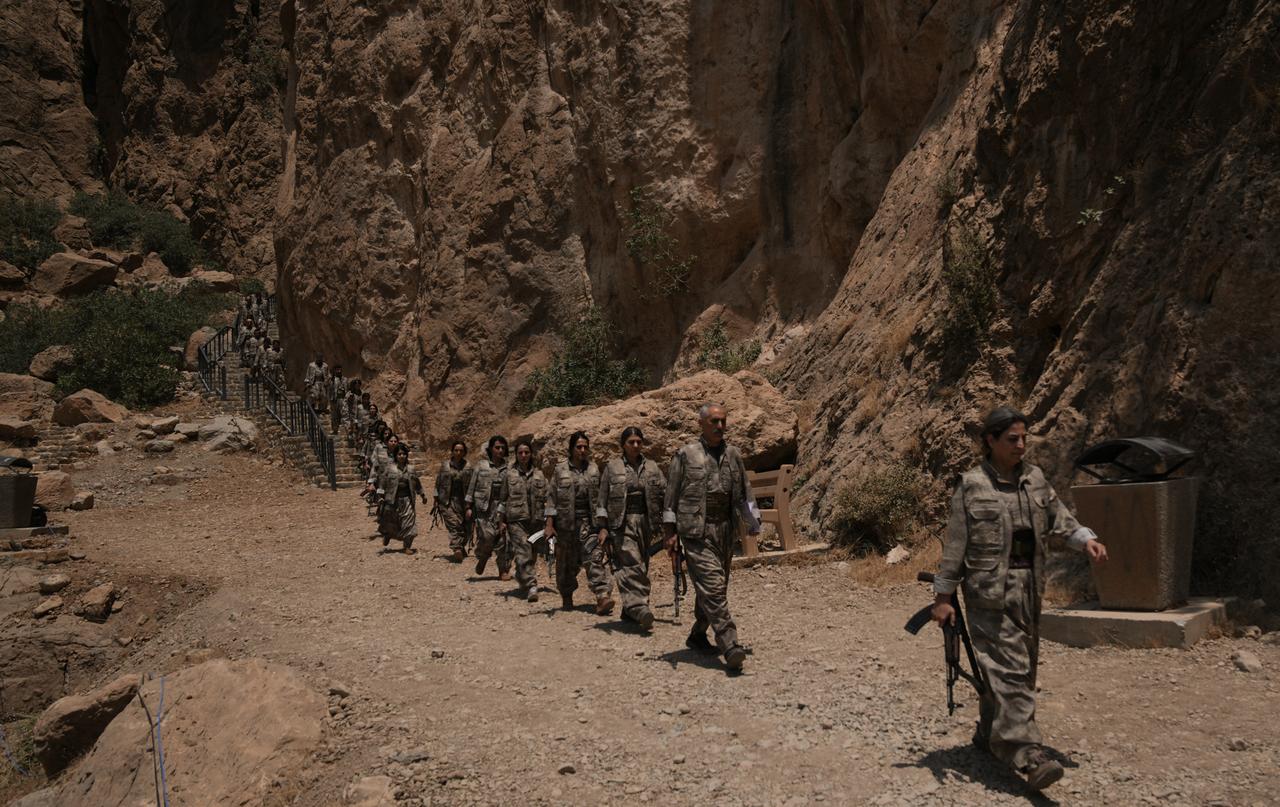
The PKK recently evacuated four shelters in northern Iraq’s Metina region on Oct. 8, Turkish security sources said.
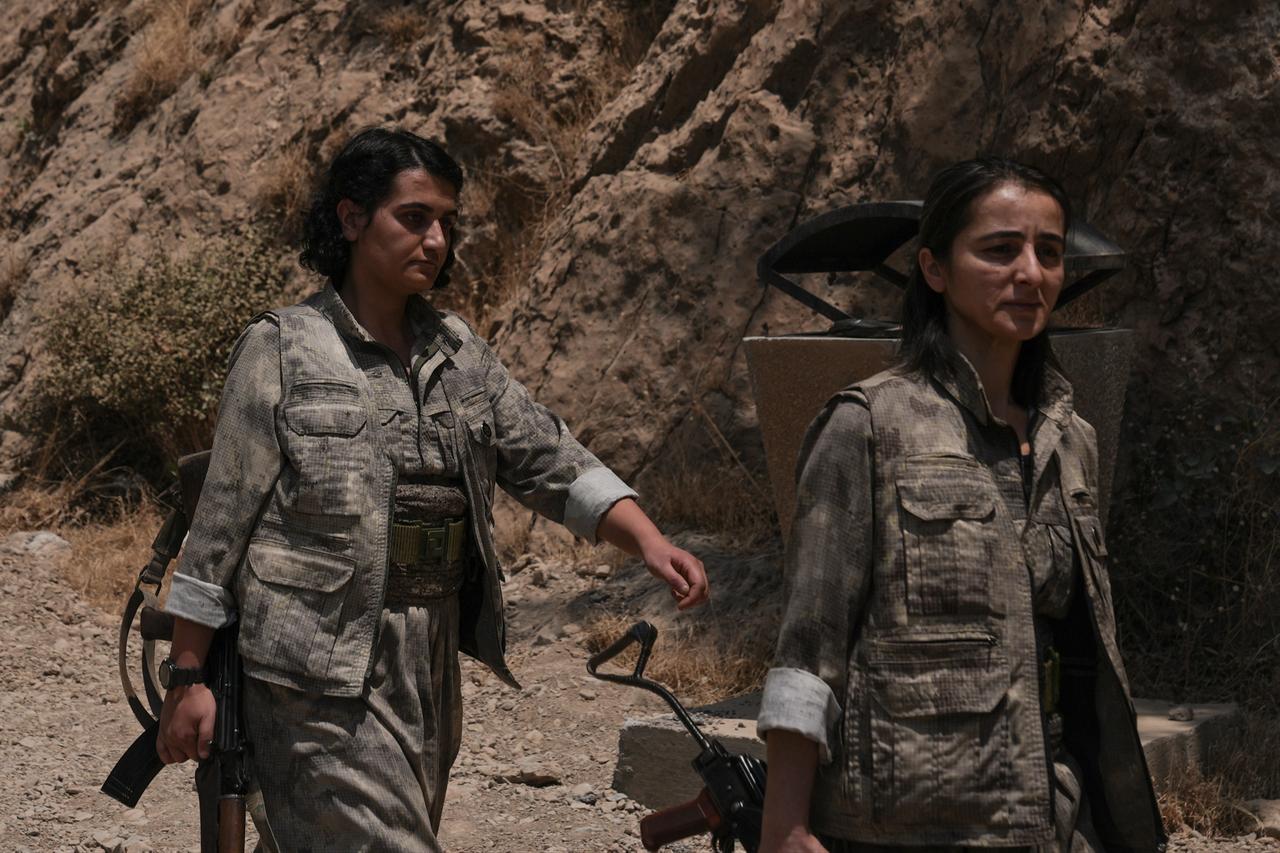
The terrorist group announced its dissolution in May 2025 and burned weapons in a ceremony near Sulaymaniyah in July 2025.
Guler hailed Iraq’s efforts in Sinjar and said Türkiye plans "to elevate military and security cooperation between the two countries to a higher level."
Under a Sept. 23 joint statement issued after talks between President Recep Tayyip Erdogan and Iraqi Prime Minister Ali al-Zaidi, "Turkish forces will gradually transfer the Bashiqa-Zilkan compound to the Iraqi Federal Government" in line with Iraq's progress on security and an agreed mechanism and timeline.
Türkiye has kept troops at the base near Mosul since 2015.
Turkish Vice President Cevdet Yilmaz also noted on Oct. 12 that Iraq's Sinjar region is under the Iraqi government's control and that Türkiye's Bashiqa camp completed its mission.
"There is positive progress on the ground, but these are difficult processes. After all, these are processes shaped by many years. We need to follow the process patiently and move toward the goal step by step," he said.
Iraq's National Security Adviser Qasim Aboudi recently said the goal is to end the "armed presence" on Mount Sinjar within approximately one month, noting significant progress has been made towards resolving the situation in Sinjar, and that the armed individuals are expected to descend from the mountains and surrender their weapons to the state.
Separately, Iran's ambassador to Iraq, Mohammad Kazem Al-Sadegh, said Baghdad had agreed to expel or hand over members of Iranian Kurdish armed groups based in Iraq's northern region.
"The two parties agreed to expel the members of the Iranian separatist terrorist groups from the Iraqi Kurdistan region or hand them over to Iran," he wrote on X.
Senior Iraqi security officials had repeatedly told AFP that Baghdad refused to do so, fearing for the exiles' lives. Iraq and Iran signed a 2023 border security agreement under which the groups were disarmed and moved to camps.


 Set as preferred source
 Set as preferred source


 1 min read

 1 min read