Newsletters


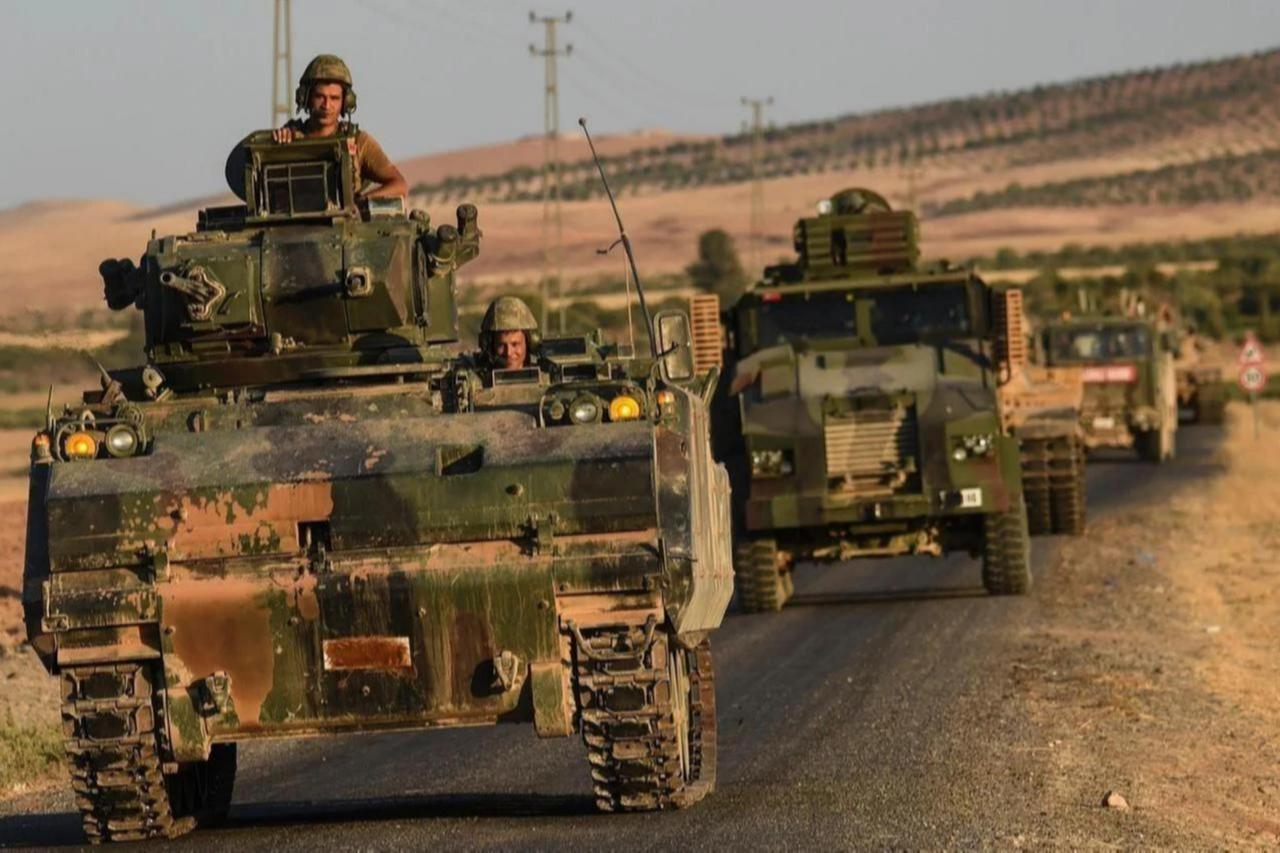


Türkiye and Iraq have agreed on the gradual transfer of the Bashiqa-Zilkan base, which hosts Turkish troops, to the Iraqi Army. A few days earlier, the Iraqi prime minister told The New York Times that talks on the issue were ongoing.
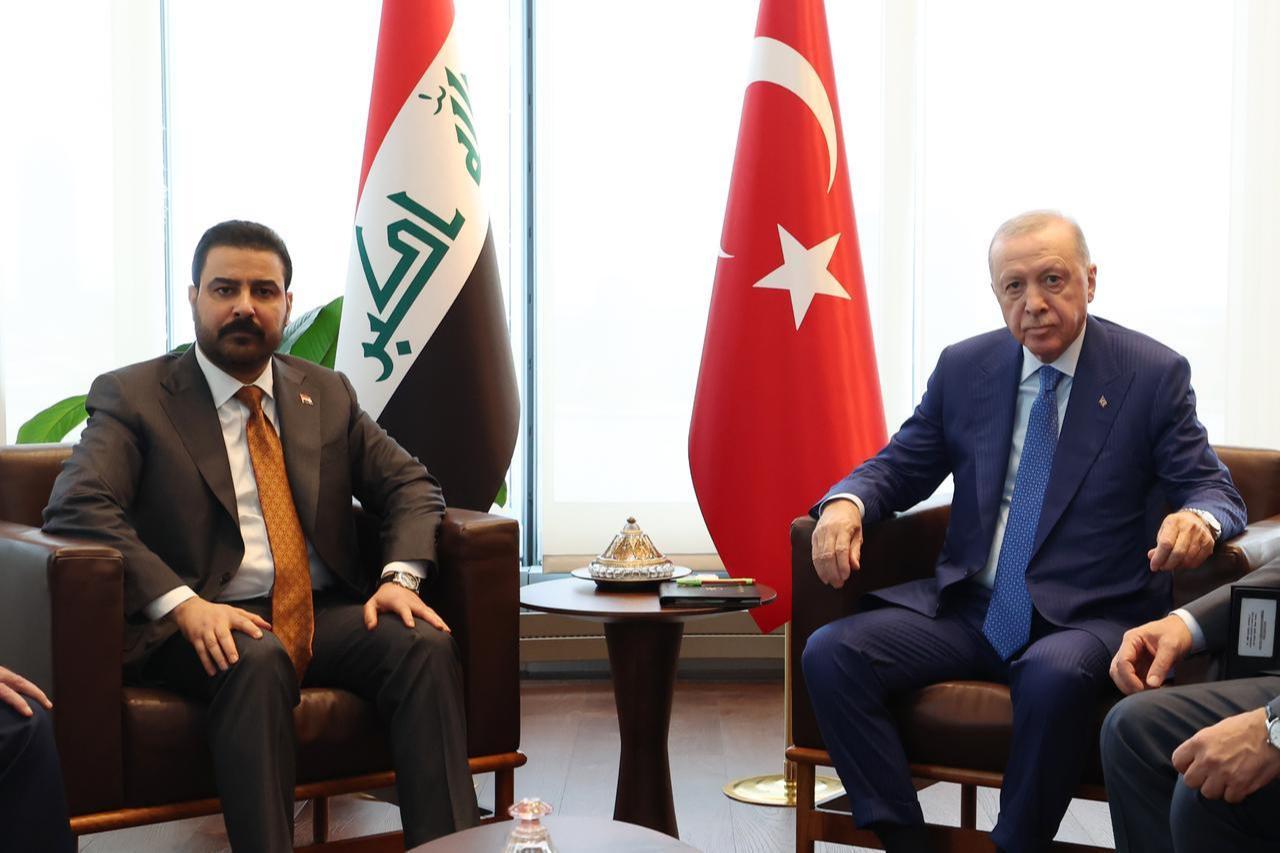
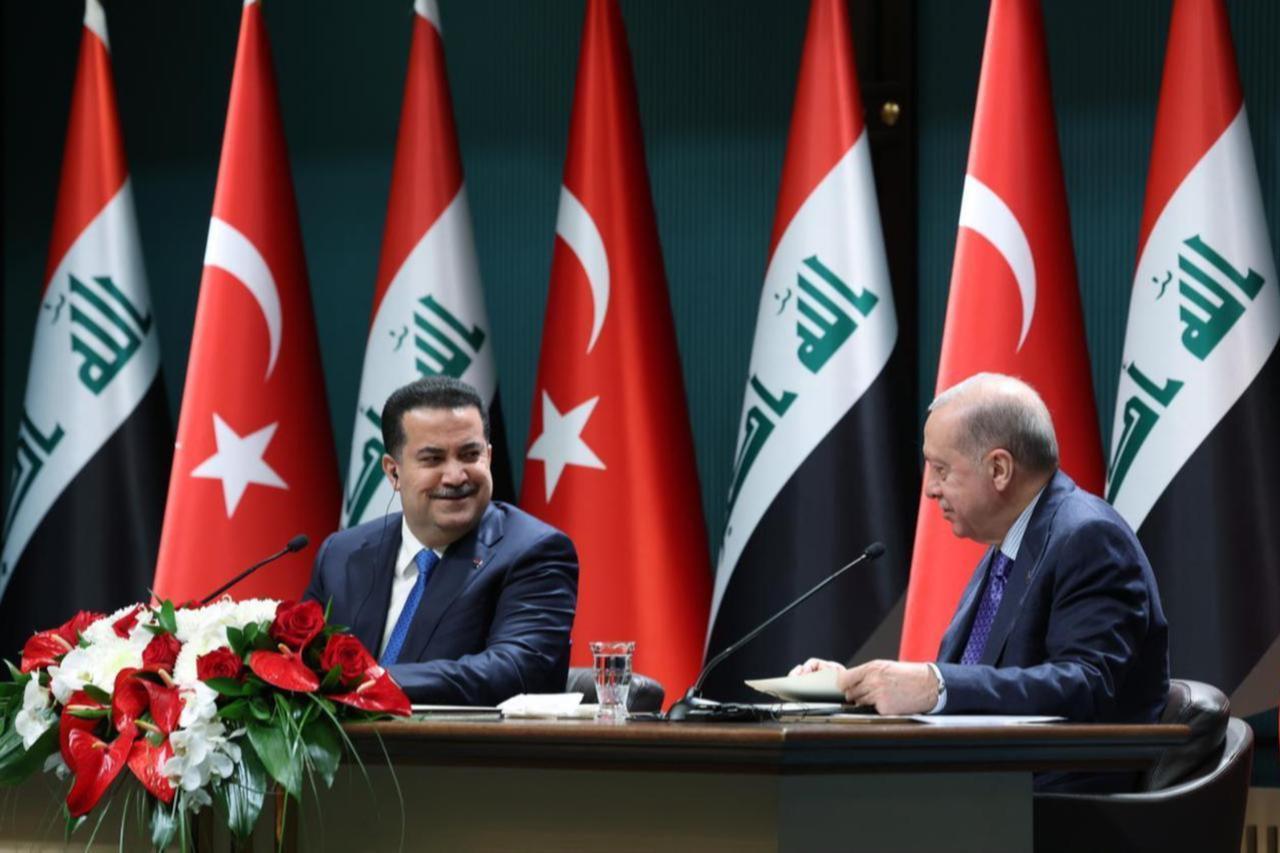
The agreement was also reflected in the Turkish readout of the Erdogan–Ali Zaidi meeting held in New York on the sidelines of the United Nations General Assembly. According to the statement, Türkiye and Iraq reached an understanding on integrating the Sinjar Resistance Units (YBS) militias in Sinjar into the Iraqi armed forces, restoring full state authority in the area and ending the presence of prohibited foreign armed groups.
The announcement does not point to an immediate withdrawal. Instead, it makes clear that the handover will depend on developments on the ground. One sentence in the statement is particularly important: “Within the framework of the progress achieved by Iraq in implementing these security measures, and in accordance with the agreed mechanism and timeline, Turkish forces will gradually transfer the Bashiqa-Zilkan compound to the Iraqi Federal Government.”
For Ankara, the key issue is whether Iraqi security institutions can demonstrate sustained progress and whether conditions on the ground align with Türkiye’s broader “Terror-Free Region” concept. The planned handover of Bashiqa-Zilkan should therefore not be interpreted as a complete Turkish withdrawal from northern Iraq.
Several sources say Türkiye’s military footprint in parts of northern Iraq has already been reduced or restructured during the nearly two-year-long Terror-Free Region process.
Turkish officials continue to link future decisions to the course of the PKK process, particularly the surrender of weapons and militants. A similar monitoring mechanism is likely to apply to Bashiqa-Zilkan.

When the base was established, its primary purpose was not directly linked to Türkiye’s conflict with the PKK. Turkish officials argued that Bashiqa-Zilkan had been created to train local Sunni forces as part of the campaign against Daesh, also known as ISIS in the West.
Washington and Baghdad were never fully convinced. During the establishment and later troop reinforcements, coalition officials repeatedly stressed that Turkish forces at Bashiqa were not operating under the U.S.-led anti-Daesh coalition framework. As a result, the base remained politically controversial from the beginning.
Its role evolved after Daesh lost Mosul and much of its territory. As Iran-backed Iraqi militias became increasingly influential in the post-Daesh environment, Bashiqa-Zilkan turned into a focal point of disputes over sovereignty, security, and regional influence between Ankara and Baghdad.
At the same time, the base became an important platform for Turkish operations against the PKK in northern Iraq.
It served several purposes simultaneously: supporting counter-Daesh efforts, providing a logistics and intelligence hub for operations against the PKK, and maintaining military ties with Iraqi Sunni actors. In practice, it became both a counterterrorism facility and a strategic asset in Türkiye’s campaign against the PKK.
That dual role increasingly irritated Iran-backed Shiite militias and their political allies. Many portrayed Türkiye in the same way they portrayed the United States: as an occupying force operating on Iraqi soil.
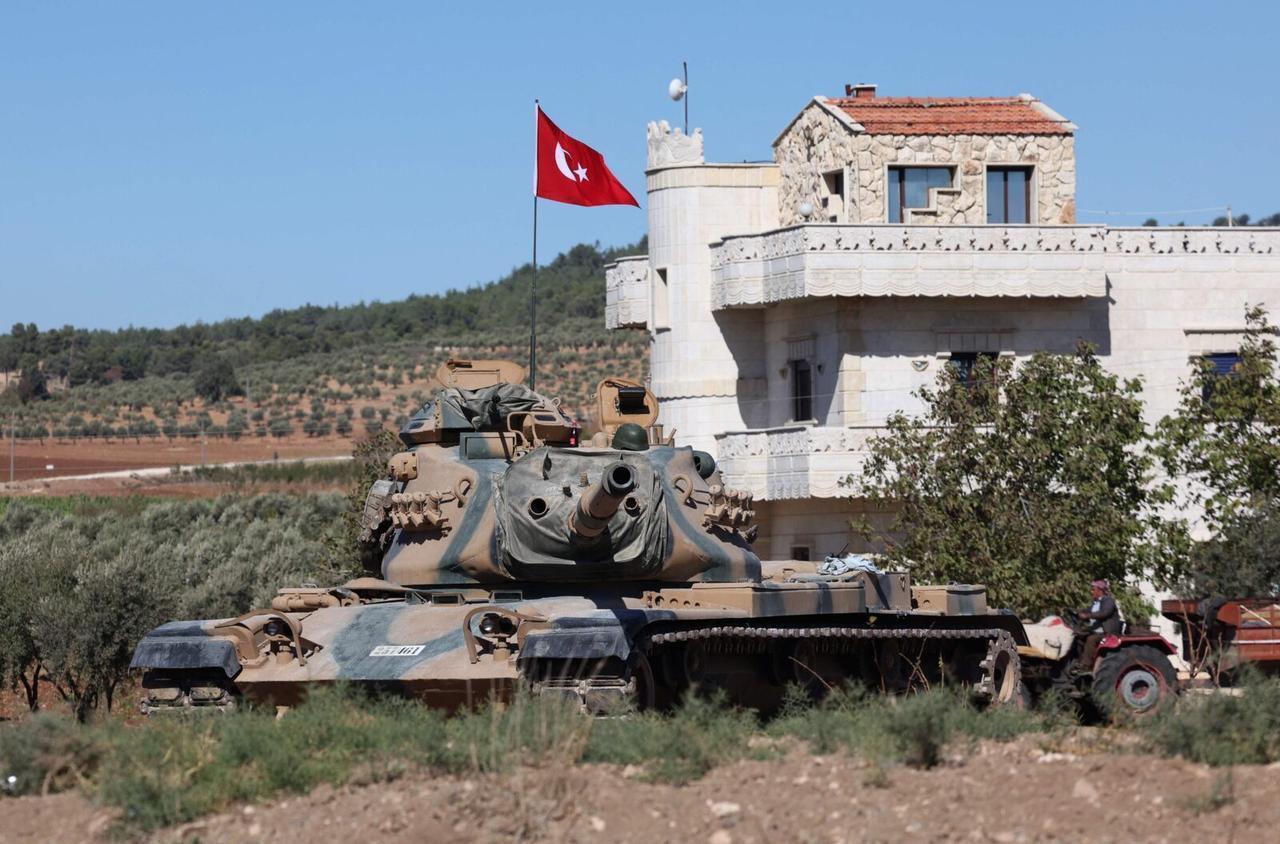
Between 2020 and 2026, Bashiqa-Zilkan was repeatedly targeted by rockets, Katyusha barrages and suicide drones. Most attacks were attributed to groups aligned with Iran-backed militias. Turkish forces typically responded with artillery fire and air strikes.
One of the deadliest incidents occurred on April 14, 2021, when a rocket strike killed one Turkish soldier.
Attacks intensified in 2022. The base was struck twice within 24 hours in January. In April, Ahrar Sinjar, a front group linked to the PKK-affiliated structure in Sinjar, claimed an attack in response to Turkish operations in the area. Further rocket attacks followed in June and December.
In July 2022, Saraya Ababil claimed responsibility for a suicide drone attack on the base carried out alongside an attack on the Turkish Consulate General in Mosul.
The attacks continued into 2023. On Feb. 1, at least eight rockets were fired at the facility, with several reportedly landing inside the compound. Turkish officials said the attack was answered.
The frequency of attacks declined in subsequent years as security cooperation between Türkiye and Iraq expanded, joint coordination mechanisms were established, and new measures were taken against the PKK.
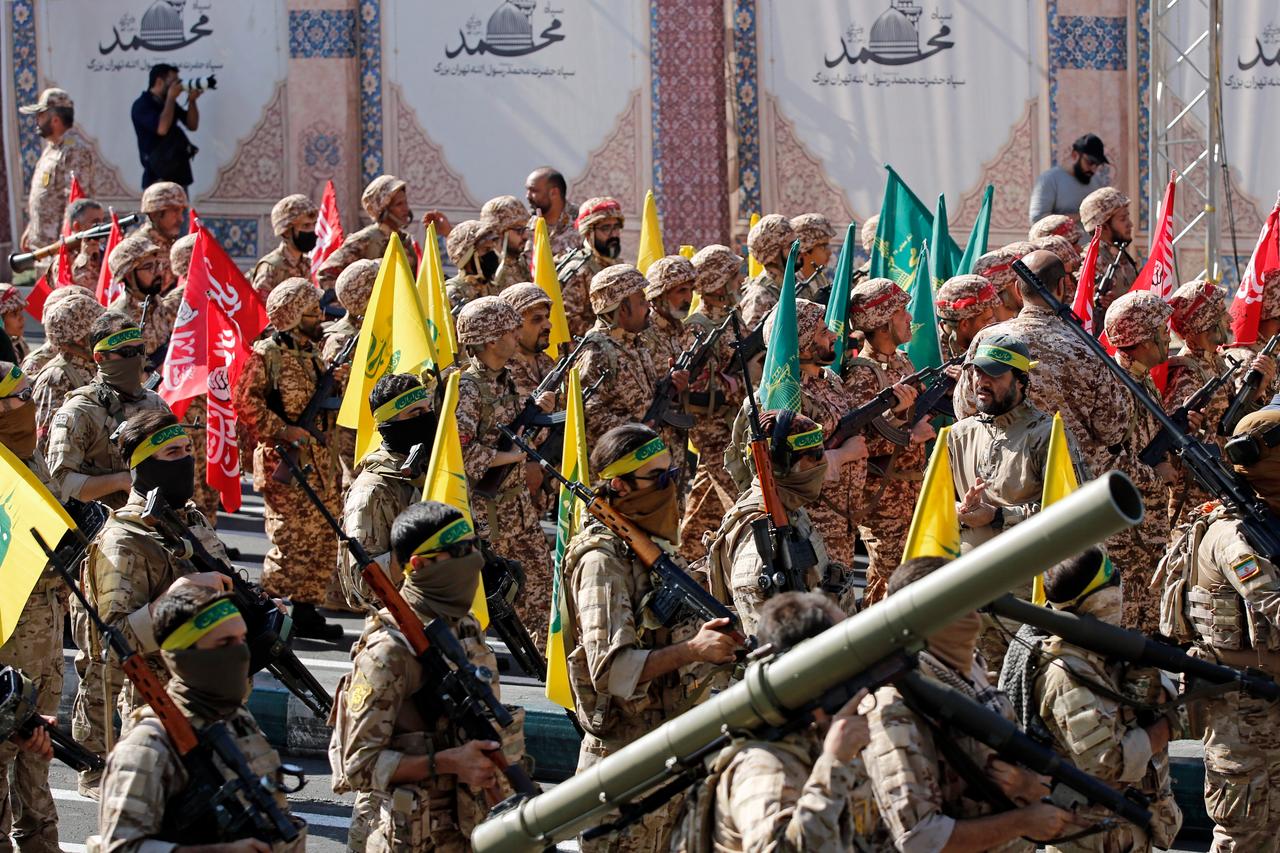
Most claims of responsibility came from front groups such as Ahrar al-Iraq, Ahrar Sinjar and Saraya Ababil. These groups were widely viewed as being linked to Iran-aligned militia networks and, at times, cooperating with the PKK-affiliated YBS in Sinjar.
A recurring pattern also emerged. Before many attacks, influential figures within the Popular Mobilization Forces (PMF) or Shiite political circles would publicly describe Türkiye as an occupying power. Similar rhetoric often preceded attacks on the base.
These campaigns were frequently accompanied by protests organized by the PKK’s Sinjar branch. Demonstrations around the base and along supply routes regularly accused Türkiye of being an occupying force.
The debate surrounding Bashiqa-Zilkan is part of a much larger regional story.
For roughly 15 years, the Middle East was shaped by the rise and military activity of non-state armed actors. Today, following the transformations triggered by the Syrian revolution and wider regional shifts, there is a growing consensus that long-term stability requires bringing armed force back under state control.
Türkiye alone cannot achieve that outcome. Iraq must also address the challenge posed by powerful Shiite militias operating outside full state authority.
The future of Bashiqa-Zilkan is one piece of that broader process.
Developments expected in 2027—including efforts to disarm Shiite militias and strengthen Iraq’s central military institutions—will provide a clearer picture of how much progress Baghdad has made.
At the same time, the PKK’s own disarmament and surrender process is likely to shape decisions regarding Turkish deployments in other parts of northern Iraq beyond Bashiqa.


 Set as preferred source
 Set as preferred source


 2 min read
 1 min read