Newsletters


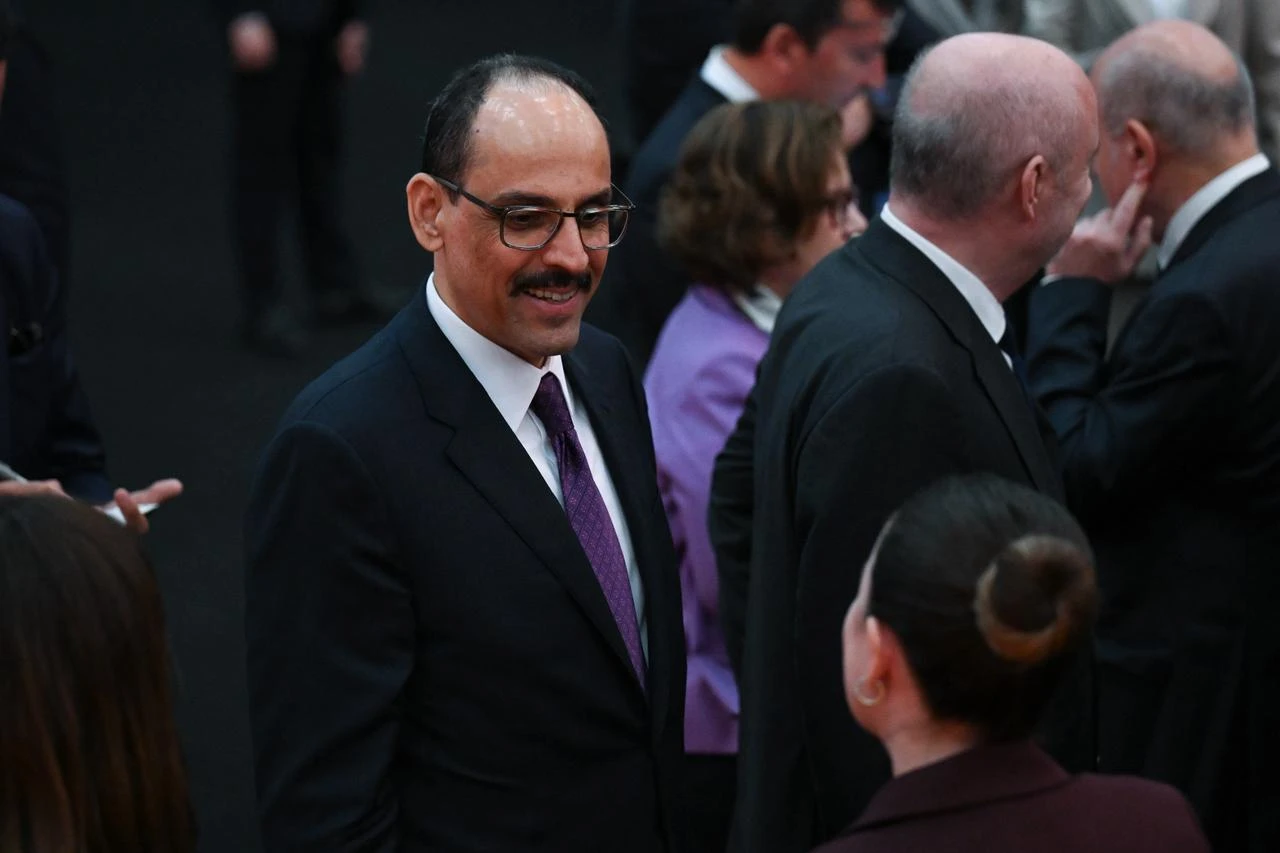


Turkish National Intelligence Organization (MIT) head Ibrahim Kalin met late Monday with Hamas Political Bureau Chairman Khalil al-Hayya and an accompanying delegation in Istanbul to discuss efforts to advance the second phase of the Gaza peace plan, according to sources cited by Anadolu Agency (AA), as fractures emerged within Israel's own government over how to proceed with the plan.
The meeting focused on a roadmap prepared for transitioning to the plan's second phase, with participants emphasizing Hamas' positive response to the proposal, according to the sources.
The two sides expressed concern that Israel had intensified military operations in Gaza instead of responding to the roadmap, and said the international community should act as soon as possible to stop Israeli aggression.
Participants also discussed alleged violations of Palestinian rights in the West Bank and East Jerusalem, including ongoing Israeli settlement activity and sharp increase in violence by Israeli settlers, according to the sources.
The sources said Türkiye reaffirmed its support for Gaza through political efforts and humanitarian initiatives, and that participants underscored Ankara's efforts to mobilize the international community around ending Israel's actions in Gaza, addressing rights violations in the West Bank and East Jerusalem, and increasing humanitarian aid.
Participants reaffirmed joint efforts by Türkiye, Qatar and Egypt to help secure peace in Gaza, and the Hamas delegation thanked President Recep Tayyip Erdogan for Ankara's mediation efforts, according to the sources.


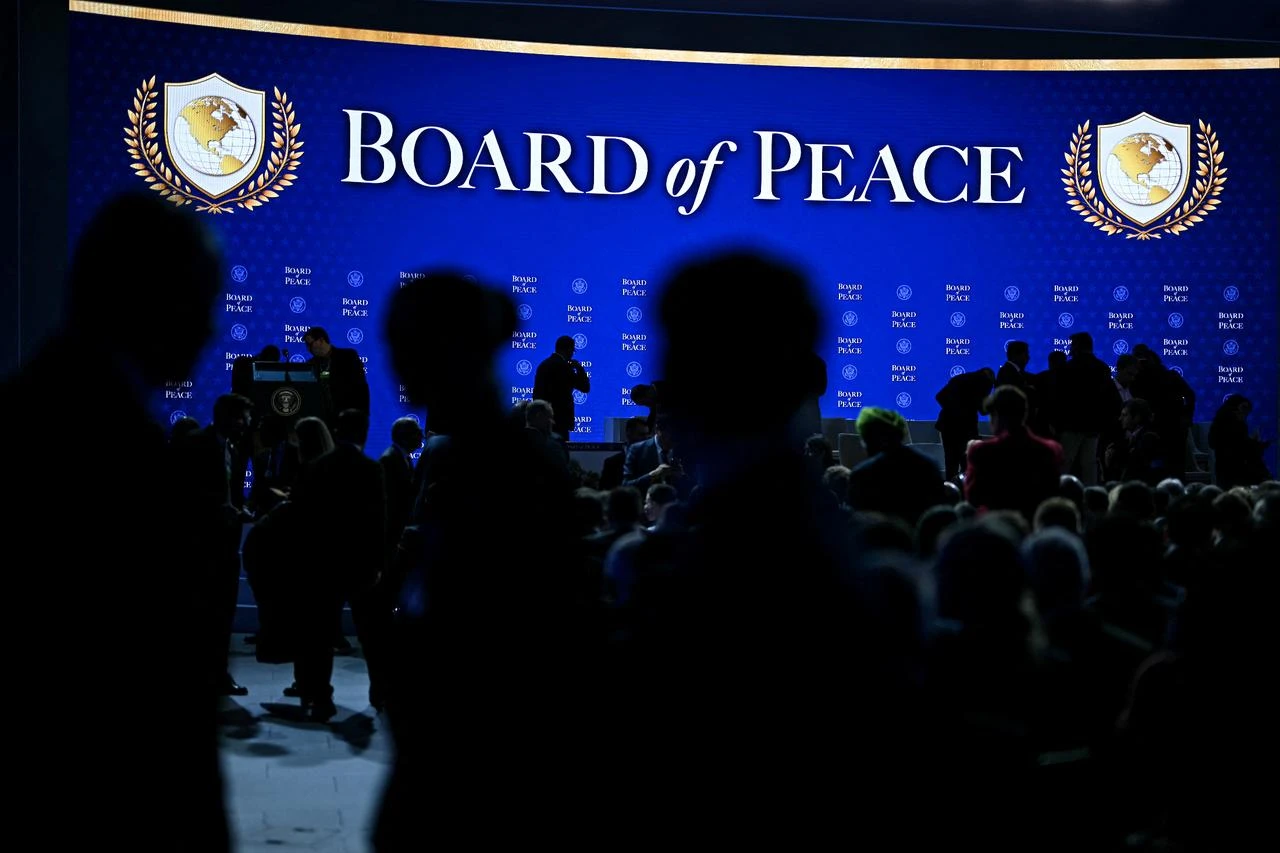
According to Israeli daily Israel Hayom, citing unnamed Israeli sources, Netanyahu told Board of Peace lead envoy Nickolay Mladenov during a Monday meeting that he rejects a ceasefire or withdrawal from Gaza under the plan.
"Israel will not withdraw from the positions it controls in Gaza, and will not cease fire," Netanyahu reportedly told Mladenov, according to Israel Hayom, adding, "Hamas continues to rebuild its military capabilities and poses a direct threat to the Israeli army and the communities surrounding Gaza."
The outlet said Israel's National Security Council had earlier conveyed Netanyahu's reservations about the roadmap's terms to both the Board of Peace and Trump's team.
Separately, in his own public remarks after the same Mladenov meeting, Netanyahu described the situation in milder terms: "There are disagreements with President Trump that I don't hide regarding the recent agreement with Hamas," he said, adding, "Hamas must be disarmed and the Gaza Strip demilitarised before moving to the reconstruction phase."
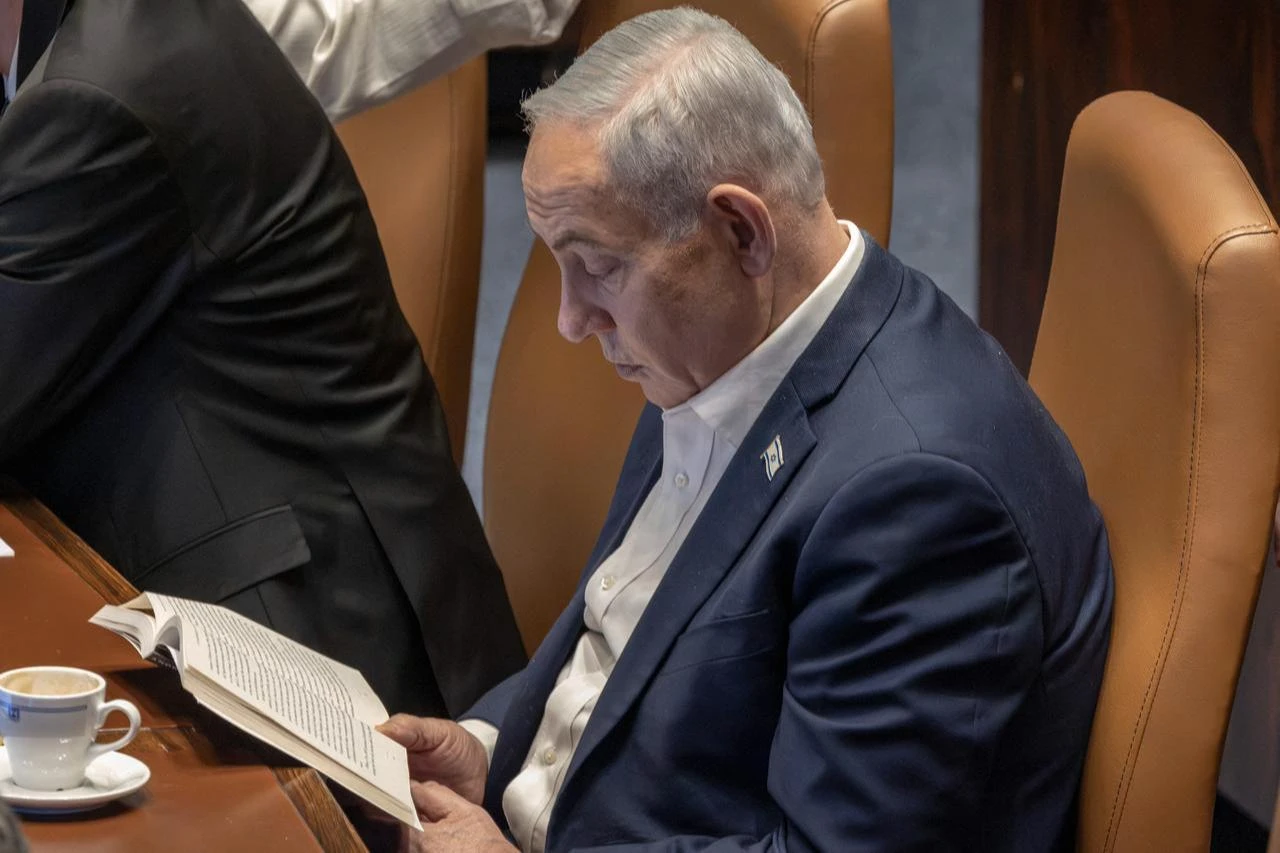
Israeli Finance Minister Bezalel Smotrich and Settlement Minister Orit Strock sent an urgent letter to Netanyahu demanding the immediate convening of Israel's Security Cabinet and suspension of the entry of the International Stabilization Force (ISF) into Gaza, according to the Times of Israel.
The ministers claimed the earlier cabinet decision approving ISF deployment had been based on "incorrect information" and argued the Board of Peace's roadmap "is dangerous to Israel and completely contradicts the disarming of Hamas and the demilitarization of Gaza."
Separately, the Jerusalem Post reported the same two ministers demanded a new cabinet vote on the plan, claiming the original approval rested on "incomplete and misleading information."
Opposition Leader Yair Lapid challenged the ministers to substantiate the claim.
"Since this is a diplomatic matter that was finalized with the Americans, could you specify who exactly delivered this incorrect information to you in the cabinet?" Lapid said in a statement on X.
"Is there someone in the Cabinet who is senior to you, managed the talks with the Americans, and was the one who provided you with incorrect information? Cabinet ministers cannot throw around such a serious accusation without stating who they are referring to," he added.
Israel's Security Cabinet had approved ISF deployment in Gaza the previous week under the Trump administration's plan; the ISF is one of four bodies established to administer Gaza under the plan, which the U.N. Security Council endorsed through Resolution 2803 on Nov. 17, 2025.
The Board of Peace released a draft agreement Friday outlining principles and implementation mechanisms for the plan's next phase, including security, administrative and transitional arrangements, as well as a proposed political track.
Netanyahu's office said Monday it had conveyed "comments and concerns" to U.S. counterparts regarding the proposed framework.
"Israel has conveyed its comments and concerns on the proposed framework to our American counterparts. The version that has been made public does not reflect Israel's positions," Doron Spielman, spokesman for the prime minister's office, told Agence France-Presse (AFP) and CBS News.
Spielman said Israeli intelligence had found Hamas had been rearming and recruiting since the October ceasefire, which he said had reduced violence levels even as Israel continued strikes.
He said Hamas' actions showed it was preparing for "further Oct. 7-style massacres," arguing the Board of Peace's vision of a "deradicalised terror-free zone" stood "in direct contrast to the current reality and to Hamas's stated intentions."
He said "the indispensable first step toward any lasting arrangement is the genuine, verifiable and irreversible demilitarisation of Hamas," warning that "anything short of full demilitarisation will leave Hamas with the capability to threaten Israel again."
An unnamed Israeli official separately told AFP that Israel, which still controls most of Gaza, would not withdraw forces under the plan without verifying Hamas's disarmament.
Israel "will not retreat from its current stance" in Gaza, a senior Israeli political source also told CBS News.
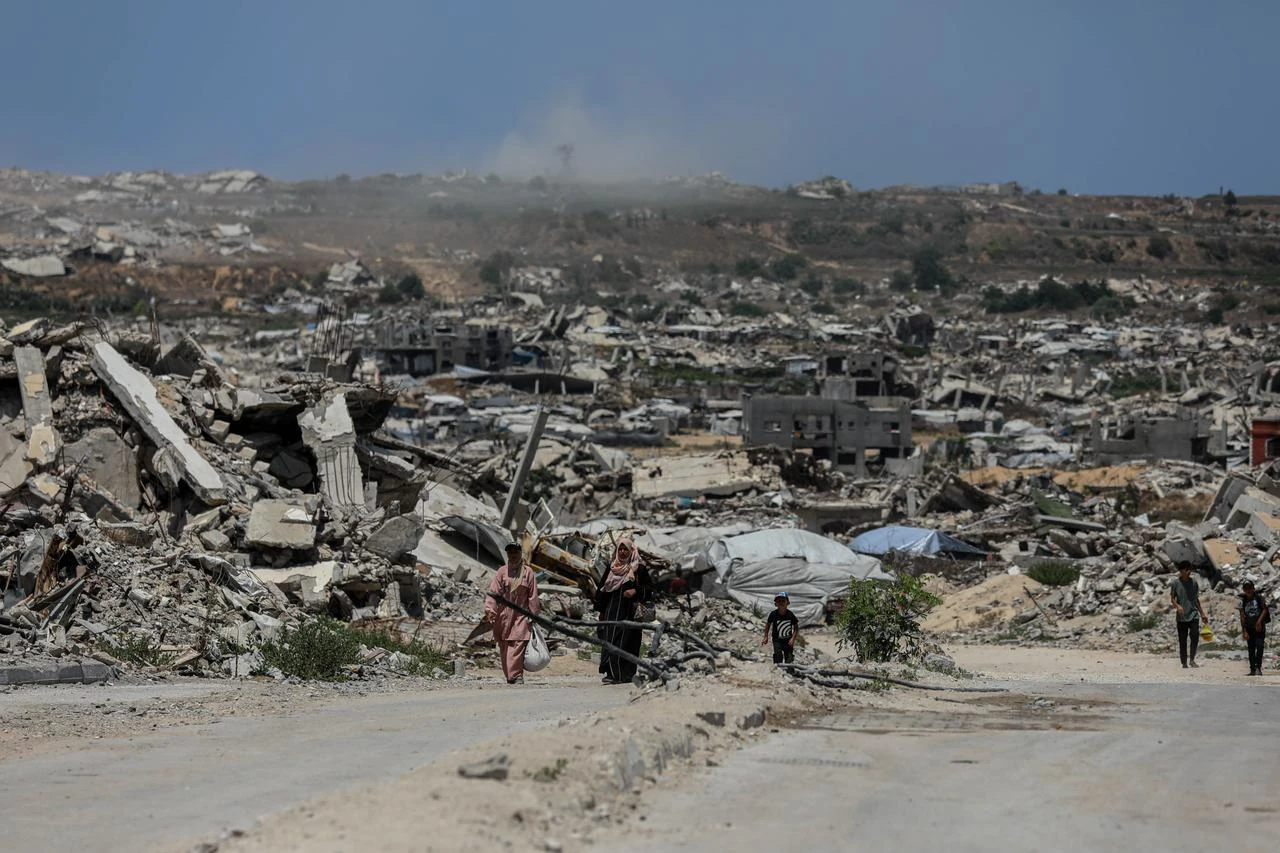
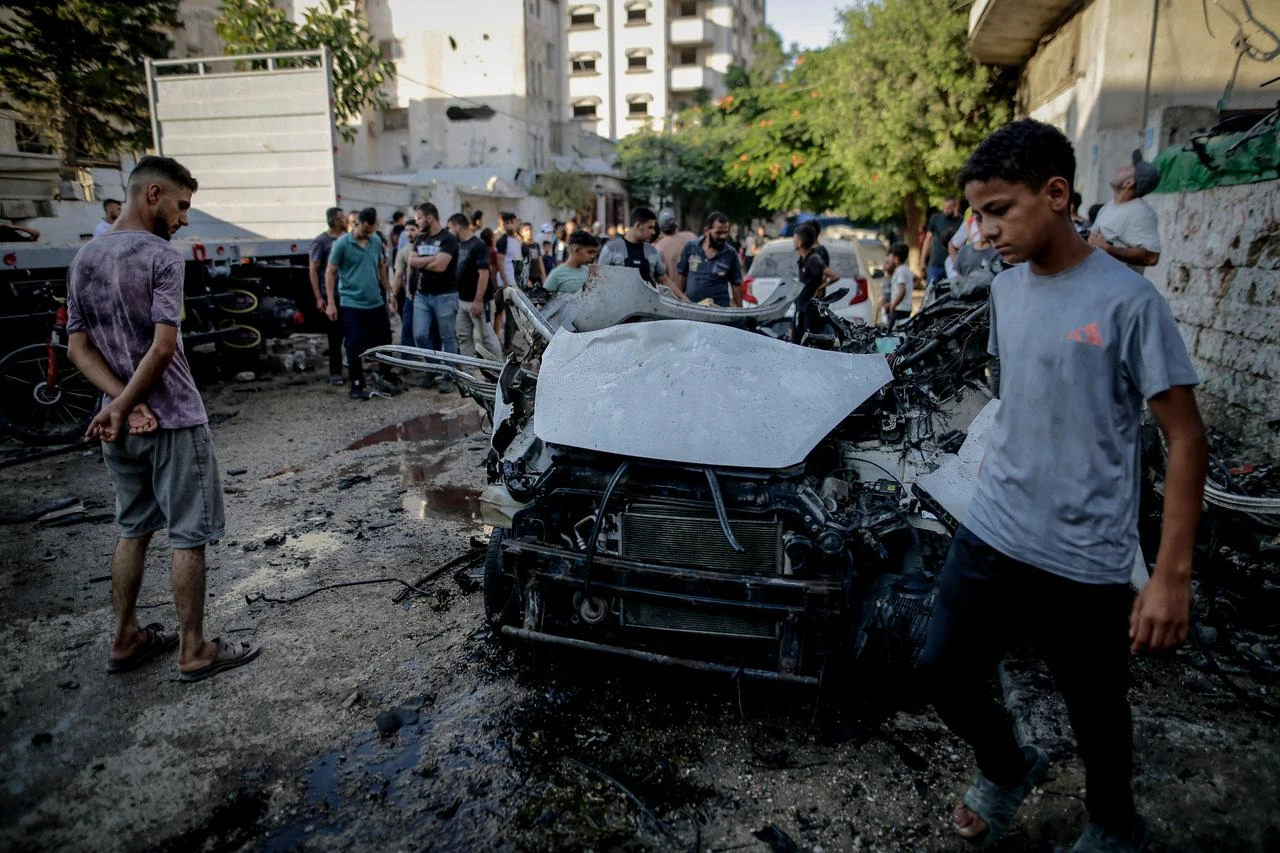
Palestinian officials said at least 13 Gazans were killed in Israeli strikes over the weekend, including several children.
According to Gaza's Health Ministry, Israel has killed more than 73,000 people and injured over 174,000 others in Gaza since October 2023.
Despite the ceasefire in effect since Oct. 10, 2025, Israel has continued attacks that have killed 1,250 Palestinians and injured 4,110 others since that date.


 Set as preferred source
 Set as preferred source


 1 min read
 1 min read