Newsletters


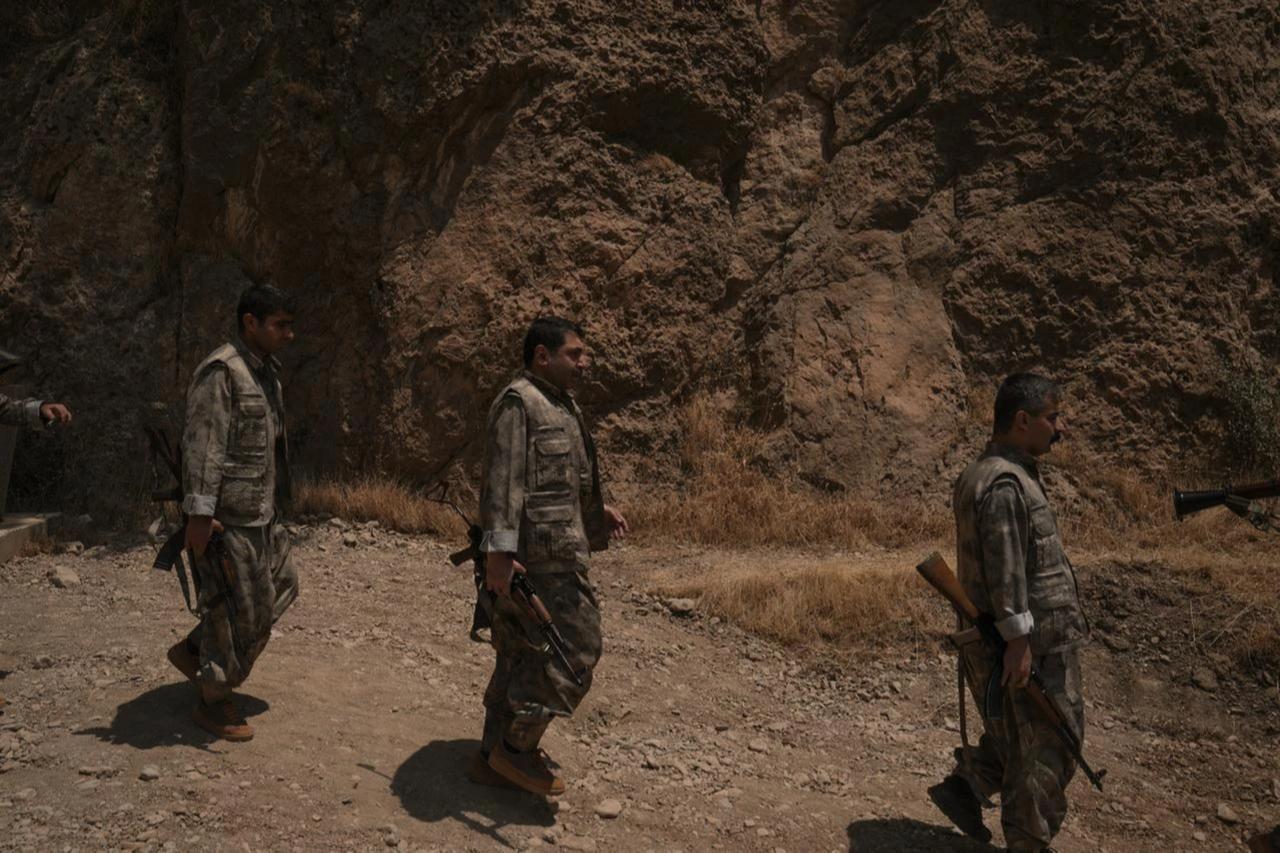


The Justice Committee of the Turkish Parliament adopted a bill prepared as part of the "terror-free Türkiye" process on Saturday after 17.5 hours of deliberations.
The Bill on Strengthening National Solidarity and Social Integration aims to set out procedures for postponing investigations, prosecutions and the execution of convictions after Turkish security institutions determine that the PKK/KCK terrorist organization and all affiliated structures have ended their actual existence and surrendered all weapons and ammunition under their control.
The bill would take effect after a National Security Council decision confirming that determination is published in the Official Gazette.
The regulation covers crimes related to establishing or leading the PKK/KCK terrorist organization, membership in the organization, knowingly and willingly aiding the organization, making propaganda for the organization, crimes committed within the scope of the organization's activities and crimes committed in favor of the organization under the Law on the Prevention of the Financing of Terrorism.
The bill defines "organization" as the PKK/KCK terrorist organization and all affiliated formations, and defines "board" as the body to be established under the regulation.
Under the bill, investigations and prosecutions for crimes with an upper sentence limit of 15 years or less would be suspended for five years.
Investigations and prosecutions for crimes carrying prison sentences of more than 15 years, life imprisonment or aggravated life imprisonment would be postponed for 10 years.
The provision would not apply to investigations and prosecutions related to intentional homicide committed within the framework of the organization's activities or crimes committed before June 1, 2005, that require life imprisonment or aggravated life imprisonment.
The statute of limitations would not run during the postponement period.
Files and evidence related to the offenses would be preserved throughout the postponement period from the date the postponement decision is issued.
A liquidation decision would be issued together with the postponement decision for items and assets subject to confiscation, and they would be recorded as revenue to the Treasury.
The decision would be notified to those who have the right to seek legal remedies and would include the right to apply and object, as well as the period and authority for doing so.
Those entitled to challenge decisions issued by a public prosecutor under this provision may apply to a criminal judgeship of peace within two weeks. Court decisions to postpone prosecution may also be appealed within the same timeframe.
Investigations launched after the National Security Council decision is published in the Official Gazette for crimes committed before that date and falling within the scope of the regulation would be subject to the board's permission.
Protective measures, including arrest and judicial control, issued for crimes subject to postponement would be assessed by the authorized judge or court during the investigation or prosecution stage, as well as by the regional court of appeal or the relevant criminal chamber of the Court of Cassation. If the conditions are met, the measures would be lifted.
A reversal decision would be issued for files related to crimes subject to postponement that are under appellate or cassation review.
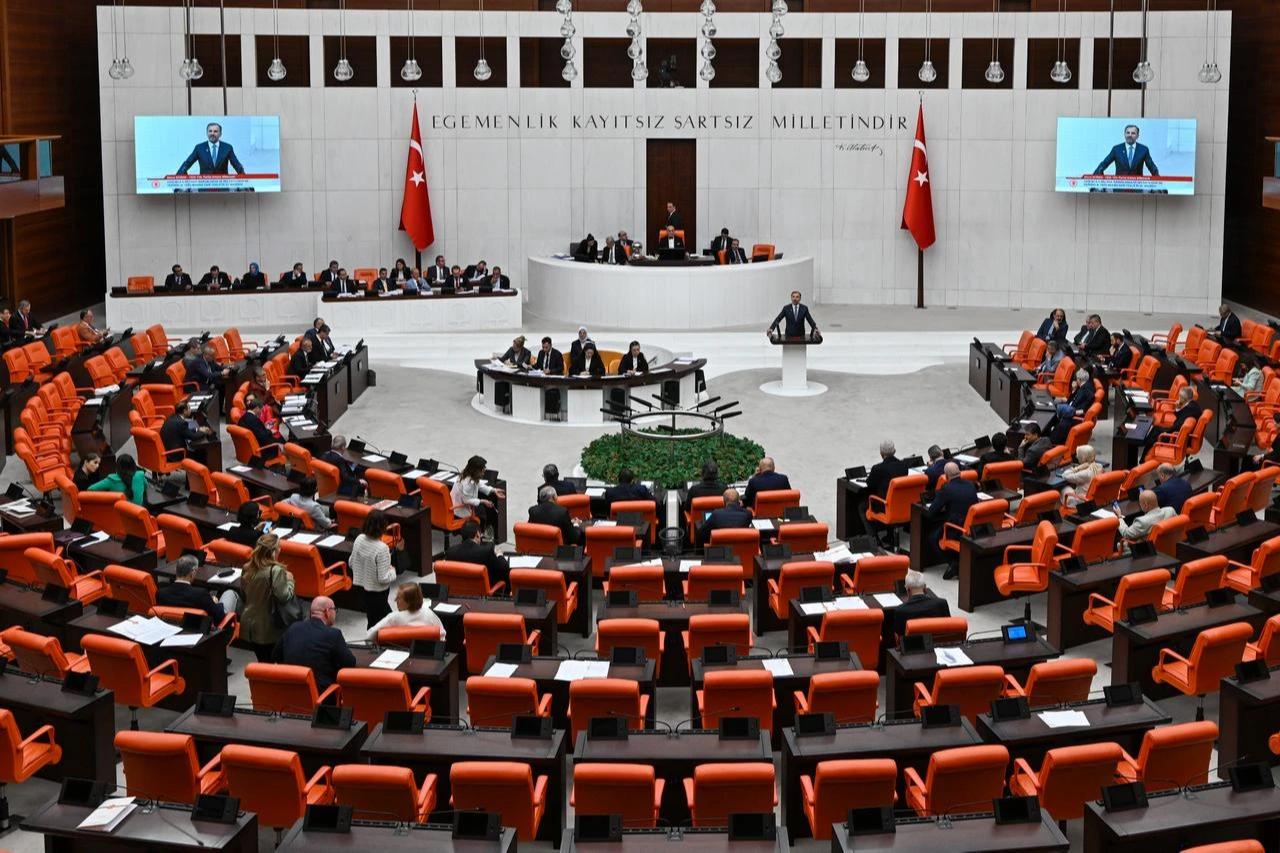

Postponement decisions would be recorded in a system created specifically for them.
The records may be used only for the specified purpose if requested by a public prosecutor, judge or court in connection with an investigation or prosecution.
If a terrorism crime is committed during the postponement period, the postponement decision would be lifted and the investigation or prosecution would continue.
In the event of a conviction, the execution of the sentence would not be postponed under the relevant provision of the regulation, and all consequences of the conviction would apply.
If the postponement period passes without a crime being committed, a decision of non-prosecution or dismissal would be issued.
Under the bill, the execution of sentences for convicts sentenced to a total of 15 years or less in prison for crimes covered by the regulation would be postponed for five years by a sentence enforcement judge.
The execution of sentences for convicts sentenced to more than 15 years in prison, life imprisonment or aggravated life imprisonment would be postponed for 10 years.
The provision would exclude those convicted of intentional homicide committed within the framework of the organization's activities and those sentenced to life imprisonment or aggravated life imprisonment for crimes committed before June 1, 2005.
The implementation of the provision would not prevent confiscation decisions from being carried out.
The statute of limitations for the sentence would not run during the postponement period.
Postponement decisions issued by a sentence enforcement judge may be appealed and would be recorded in the dedicated system.
If a terrorism crime is committed during the postponement period, the sentence enforcement judge would lift the postponement decision and rule that the execution of the sentence continue.
If the specified period passes without a crime being committed, the sentence imposed would be deemed executed.
Chief public prosecutor's offices would follow up on postponement decisions.
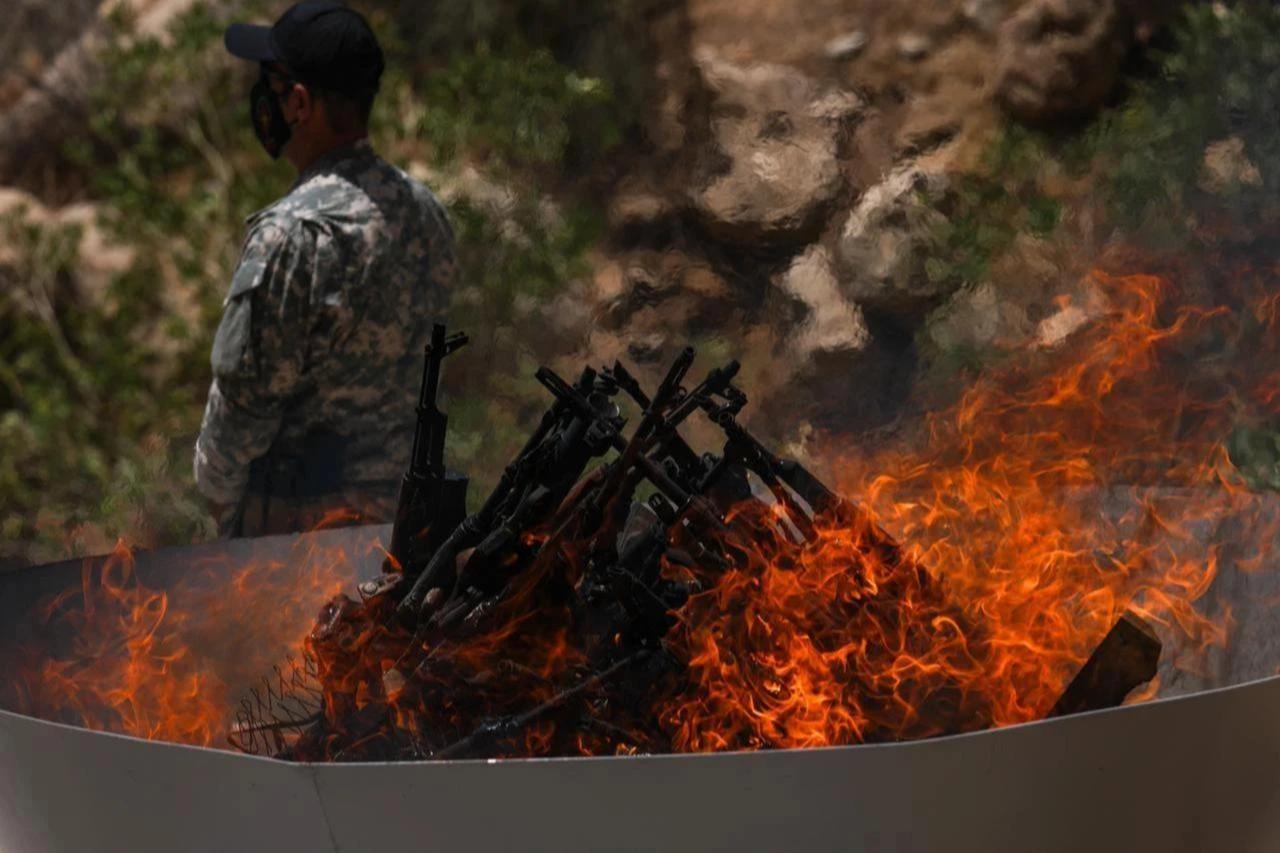
The implementation, follow-up and evaluation of activities under the bill would be carried out by a board chaired by the vice president after the regulation is published in the Official Gazette.
The board would include the justice minister, foreign minister, interior minister, national defense minister, secretary-general of the Presidency, head of the National Intelligence Organization and secretary-general of the National Security Council.
Subcommissions may be established if needed, and representatives of ministries, institutions and organizations, as well as other persons deemed necessary, may be invited to board and commission meetings.
The board may make assignments in subcommissions to ensure the progress of the process regarding the organization.
After security institutions determine that the PKK/KCK and all affiliated formations have ended their actual existence and surrendered all weapons and ammunition under their control, and after the National Security Council decision confirming this is published in the Official Gazette, the board may periodically assess the complete liquidation of the organization in line with observation reports.
If deemed necessary, the board may request judicial, administrative and legal regulations.
The board would also periodically evaluate postponement decisions issued under the bill.
If necessary, it would request from the criminal judgeship of peace or court the full removal, with all consequences, of deprivation of rights arising from investigations and prosecutions.
It would also request from the sentence enforcement judgeship the full removal, with all consequences, of deprivation of rights arising from conviction rulings.
The relevant authority would decide on the request, and those decisions may be appealed.
For requests related to conviction rulings, two years must have passed from the date of a five-year postponement decision, and three years must have passed from the date of a 10-year postponement decision.
The board would regularly inform the Parliament about its work.
A Monitoring Commission would also be established by the Office of the Speaker of Parliament to monitor activities under the regulation and make recommendations.
The secretariat services of the board would be carried out by the Presidency's Secretariat-General.
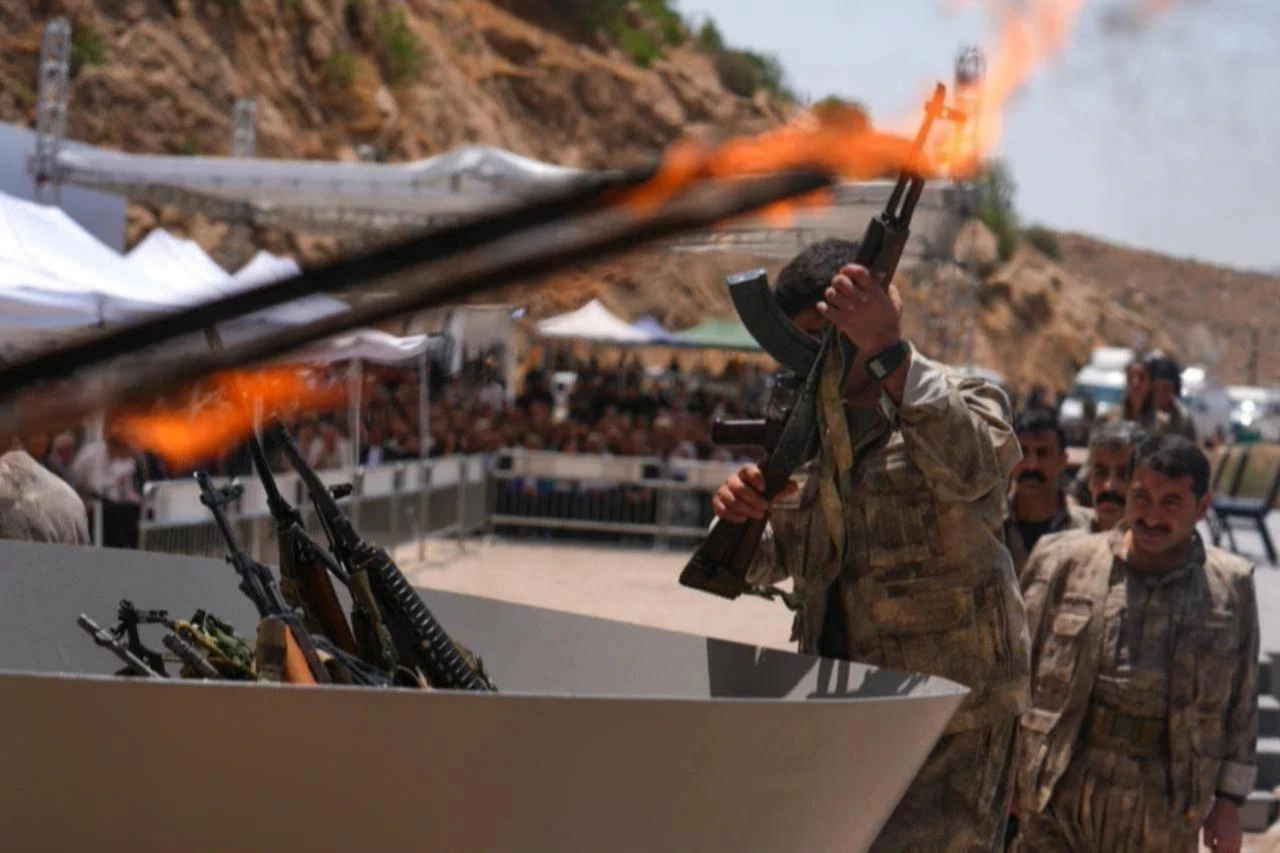
Weapons, ammunition, vehicles, equipment, explosives and all materials brought or declared by members of the organization under the bill would be recorded.
The procedures and principles for implementation would be determined by the Interior Ministry and the National Defense Ministry after receiving the opinions of security institutions.
The bill gives individuals a six-month window to apply for the regulation, starting from the date the National Security Council's decision is published in the Official Gazette. To apply, they must notify—in writing—either their local chief public prosecutor's office or an institution designated by the board.
Duties assigned under the bill would be carried out urgently by relevant public institutions and organizations.
Under the bill, people carrying out duties related to its implementation would be shielded from legal, administrative, or criminal liability for those actions.


 Set as preferred source
 Set as preferred source


 1 min read
 1 min read