Newsletters


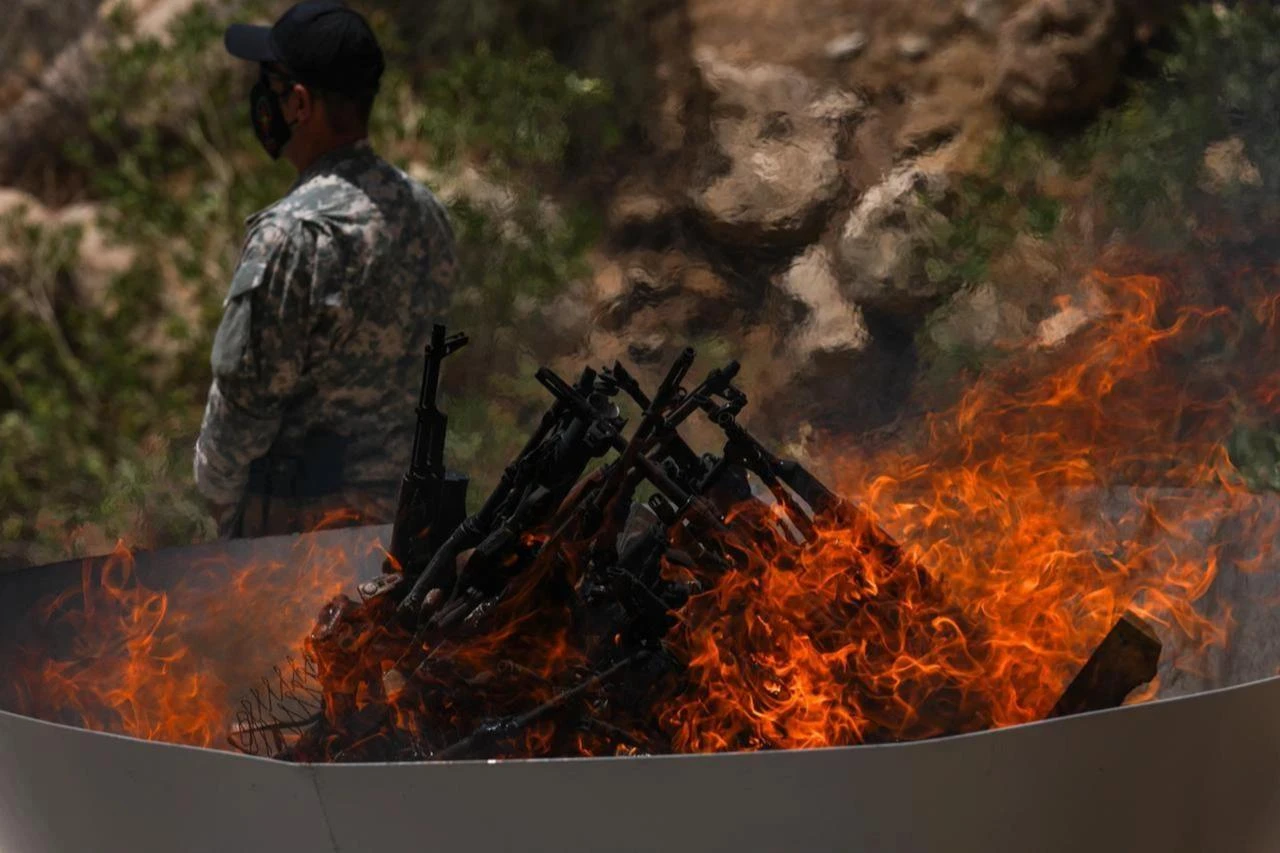


Ankara submitted a sweeping 12-article legislative proposal to parliament aimed at establishing the legal foundation for what the ruling party is calling a "Türkiye Without Terror" process, collecting nearly 360 signatures before being delivered to the speaker of the Grand National Assembly.
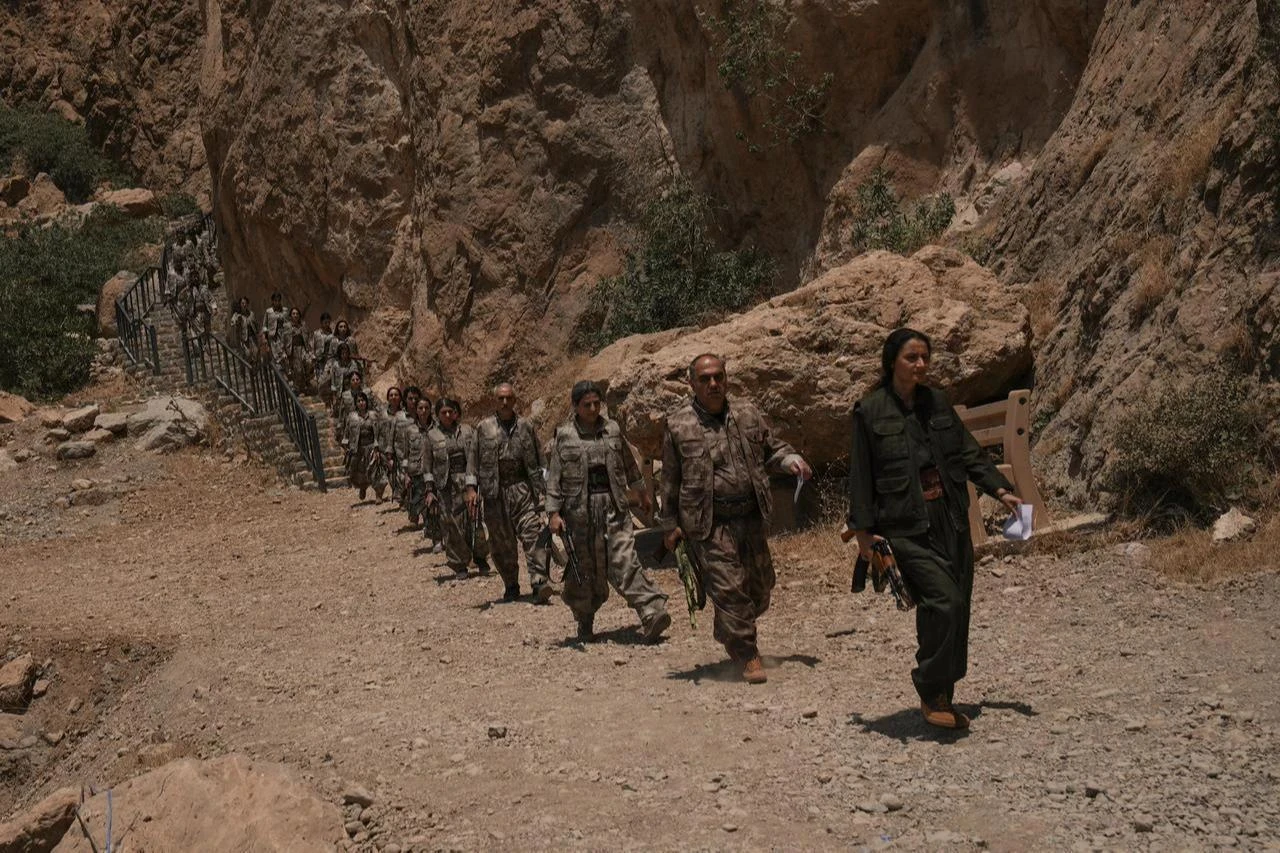
The bill, formally titled the Law Proposal on Strengthening National Solidarity and Social Integration, would suspend ongoing investigations, prosecutions and the enforcement of existing convictions related to terror group PKK membership and activities, contingent on the group formally laying down all weapons and disbanding, with that determination verified by security agencies and confirmed by a National Security Council decision published in the Official Gazette.
Abdullah Guler, parliamentary group chairman of the ruling AK Party, said the proposal "aims to reintegrate into society those who renounce violence," and outlined the bill's core exclusions: leaders and administrators of the organization, those convicted of intentional killing in the context of organizational activity, and those sentenced to life imprisonment for crimes committed before June 1, 2005, would all remain outside the scope of any deferral.

Under the bill's sentencing deferral framework, individuals convicted of covered offenses carrying total sentences of 15 years or less would have enforcement suspended for five years by order of an enforcement judge.
Those sentenced to more than 15 years, or to life or aggravated life imprisonment, would face a 10-year deferral. Statute of limitations would not run during the deferral period.
Prosecutions and investigations already under way would follow the same timetable: five-year deferrals for charges carrying maximum sentences of up to 15 years, and 10-year deferrals for more serious charges.
All deferral decisions would be logged in a dedicated registry, accessible only to prosecutors, judges or courts in connection with an active case.
The suspension mechanism includes an automatic revocation clause: if a covered individual commits any terrorism offense during the deferral window, the suspension is lifted immediately, prosecution resumes, and any resulting sentence is served in full with no further deferral available.
If the deferral period passes without a new offense, the original case is dropped or deemed served.
Individuals wishing to benefit from the law would have six months following the publication of the required National Security Council decision to notify their local public prosecutor's office or another institution designated by the oversight council.
The bill establishes a senior-level council to monitor implementation, chaired by the Vice President and comprising the ministers of Justice, Foreign Affairs, Interior and National Defense, along with the Presidential Secretary-General, the head of the National Intelligence Organization (MIT) and the Secretary-General of the National Security Council. The council may form sub-commissions as needed and invite ministry representatives or other relevant figures to its meetings.
Parliament would also play a supervisory role: the council is required to brief the Grand National Assembly regularly, and the speaker of the assembly would establish a dedicated monitoring commission to observe the process and issue recommendations. Secretariat services for the council would be handled by the Presidential Secretariat-General.
Officials carrying out assignments under the law would face no civil, administrative or criminal liability for actions taken in that capacity.
Assembly Speaker Numan Kurtulmus described the bill as a turning point for the country's future, saying he was confident the move would open new possibilities and opportunities for Türkiye in the second century of the Republic.
The greatest credit, he said on social media, belonged to the Turkish nation for its patience, wisdom and support in protecting the country's shared future.
AK Party spokesman Omer Celik separately characterized the moment as the most important stage of a two-year process, without elaborating on prior diplomatic contacts or negotiations.
The bill covers the full range of PKK-related offenses, including founding or managing the organization, membership, knowing assistance, propaganda on its behalf and financing offenses under the Law on the Prevention of the Financing of Terrorism.
Weapons, ammunition, explosives and all other materials brought in or declared by organization members would be catalogued and registered, with procedures to be set by the Interior and National Defense Ministries after consultation with security agencies.
A parliamentary commission meeting was announced for Friday to begin formal review of the proposal.


 Set as preferred source
 Set as preferred source


 1 min read
 1 min read