Newsletters


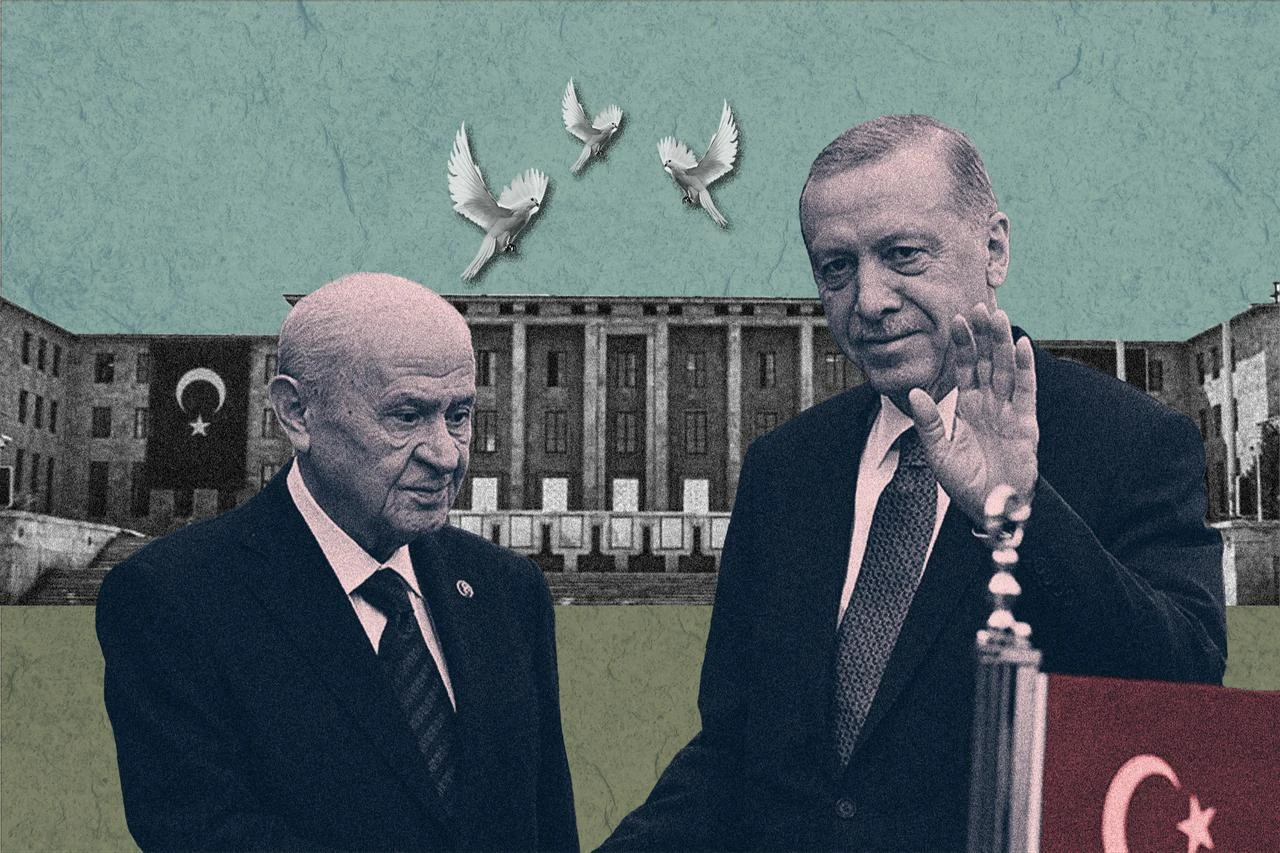


Türkiye has spent decades moving between hope and distrust whenever the prospect of ending PKK violence has returned.
The Draft Law on Strengthening National Solidarity and Social Integration now gives the latest initiative a legal route into practice, backed by around 360 lawmakers from several parties.
Earlier attempts were framed as democratization projects and unfolded amid fierce public arguments, but the setting today is different. The process is being handled more clearly as a state-led security and intelligence file.
The Iran war, Israel’s regional reach, Syria’s political transformation, the Russia-Ukraine war, and regional initiatives such as the Armenia-Azerbaijan peace track have also moved foreign policy to the center of public attention. This regional climate has made a major security initiative easier to discuss without reproducing earlier polarization.
The process belongs within Parliament and Türkiye’s own legal order. The bill explains how disarmament will be verified, how eligible cases and sentences will be handled, and which institutions will manage implementation.
Questions concerning democratic reform, political rights and the future relationship between the state and its Kurdish citizens remain uncertain.
Türkiye is likely to witness further debate once concrete proposals emerge. For now, the bill turns declarations of dissolution into an implementable legal procedure.
The label of blanket amnesty conceals the proposal’s legal structure. Its official justification preserves convictions, the legal character of offences and criminal responsibility.
Investigations, trials and sentences may be suspended for five or 10 years once security institutions verify that the PKK and its linked formations have ended their organizational existence and surrendered their weapons, with the National Security Council confirming that finding. Intentional homicide is excluded, while a new terrorism offence during the suspension period revives the proceedings or sentence.
Eligible individuals therefore receive a conditional route back to civilian life, with each case unfolding over time and remaining tied to continued compliance.
This gradual structure also makes reintegration more manageable in political and social terms than a single act of general clemency would have been. The coordinating board may later ask courts to remove certain restrictions arising from proceedings or convictions. Further changes concerning political rights or the Turkish Penal Code remain matters for subsequent legislation and are likely to generate a separate round of public and parliamentary debate.
Heavy weapons, facilities and stockpiles beyond material brought or declared by individuals receive little detail. The bill assigns the relevant procedures to the Interior and defense ministries, while intelligence and military institutions would naturally carry much of the operational burden, with Iraqi authorities involved where necessary. That layer cannot be fully public, yet parliamentary oversight still requires a reliable account of what has been surrendered and how the finding was reached.
Responsibility is distributed across established institutions. Security bodies make the initial assessment, the National Security Council confirms it, and legal decisions remain with prosecutors and courts. A high-level board coordinates implementation, with Parliament retaining an oversight role. The process consequently relies less on personal assurances and more on continuity within the state. Alignment between political leadership and the bureaucracy has made broad parliamentary support easier to sustain.
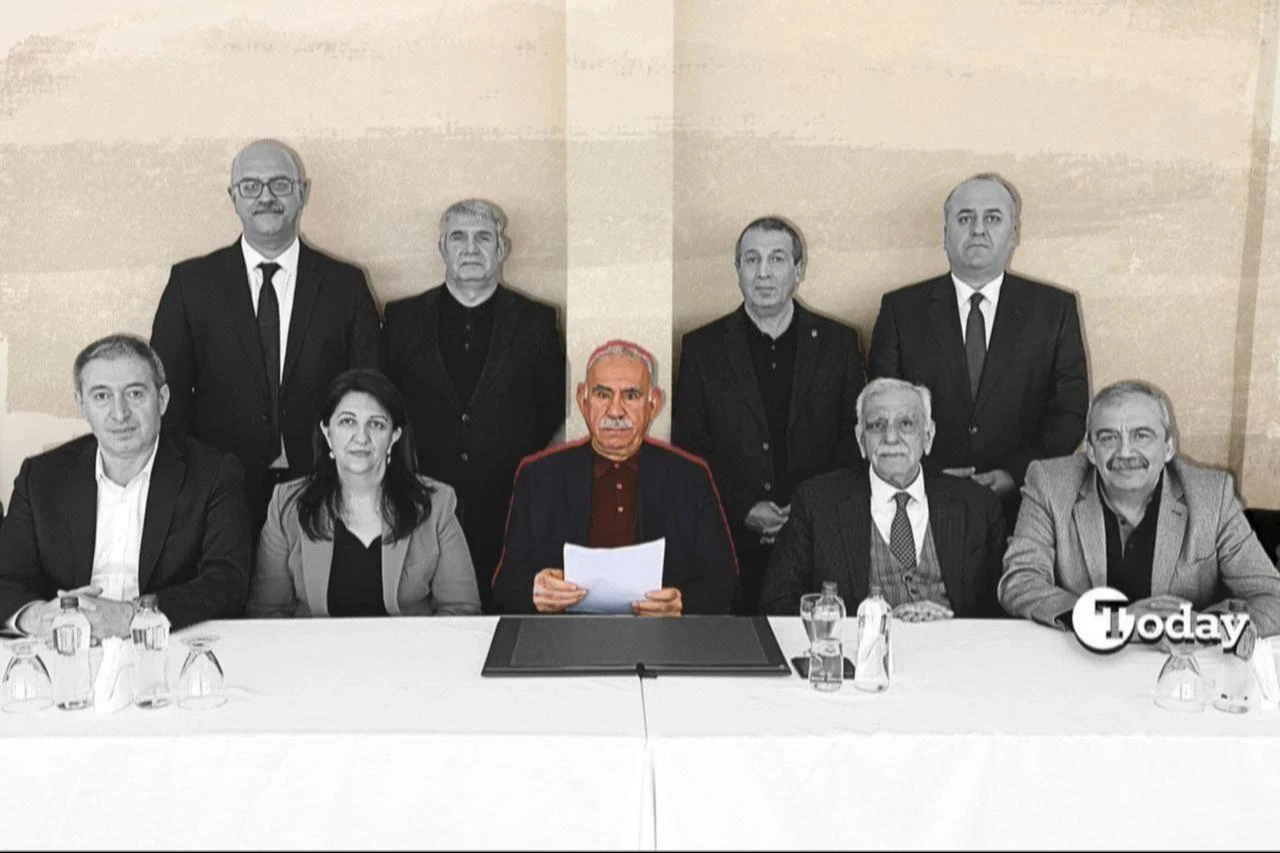

Some commentators argue that the proposal confines the entire question to disarmament and reintegration. The criticism identifies the text’s present scope, although it may ask the bill to carry a burden it was not drafted to carry.
The political future of the process remains largely undefined and will generate further debate as later measures take shape. Once armed coercion recedes, there may be more room to discuss democratic standards, equal citizenship and the relationship between citizens and public authority.
The exclusion of intentional homicide addresses one of the proposal’s main legitimacy risks. Any perception of indiscriminate impunity could narrow the social room for implementation, especially among veterans, families of the fallen and victims. Clear statutory limits and judicial review therefore serve as safeguards against political backlash.
The precedent issue requires a careful distinction. Armed organizations may portray the law as proof that violence can produce concessions, yet the proposal is tied to verified dissolution, surrender, individual application and parliamentary authorisation.
The text creates no general amnesty doctrine or automatic route for other organizations. Its long-term effect will depend on whether the PKK process ends in genuine demobilization or leaves room for strategic ambiguity.
The reference to the PKK and its “linked formations” reflects the regional character of the problem. Developments in Iraq and Syria, the authority of Baghdad and Damascus, and Türkiye’s relations with Kurdish communities across its borders will influence whether disarmament becomes permanent.
Middle East Eye recently reported that Ankara urged Iran to halt attacks on Iranian Kurdish groups in northern Iraq, partly from concern that further strikes could push them closer to Israel and damage Türkiye’s peace initiative. The report points to a broader Turkish interest in keeping Kurdish actors away from external patronage and proxy competition.
That regional logic also appears in the energy relationship with Iraq. Thenew one-year Iraq–Türkiye pipeline arrangement covers daily transit capacity of 750,000 barrels, while reported current flows remain around 170,000.
The gap reveals substantial unused capacity, with any increase still dependent on supply, infrastructure and regional security. Greater stability in northern Iraq would make it easier to expand energy cooperation and trade, giving regional governments and local communities a material stake in peace.
Seen in this light, the bill provides a practical opening rather than a final settlement. Its present scope establishes the legal sequence, distributes responsibility among state institutions and leaves the wider political questions to later stages. Parliamentary scrutiny, judicial authority and credible verification will determine whether this opening retains public confidence.
Türkiye has now placed a defined legal route before the organization. The next decisive test is whether the PKK turns its declarations of dissolution into the actual surrender of its weapons and the end of its organisational presence. The process can advance only when that commitment is demonstrated on the ground..


 Set as preferred source
 Set as preferred source


 1 min read
 1 min read