Newsletters


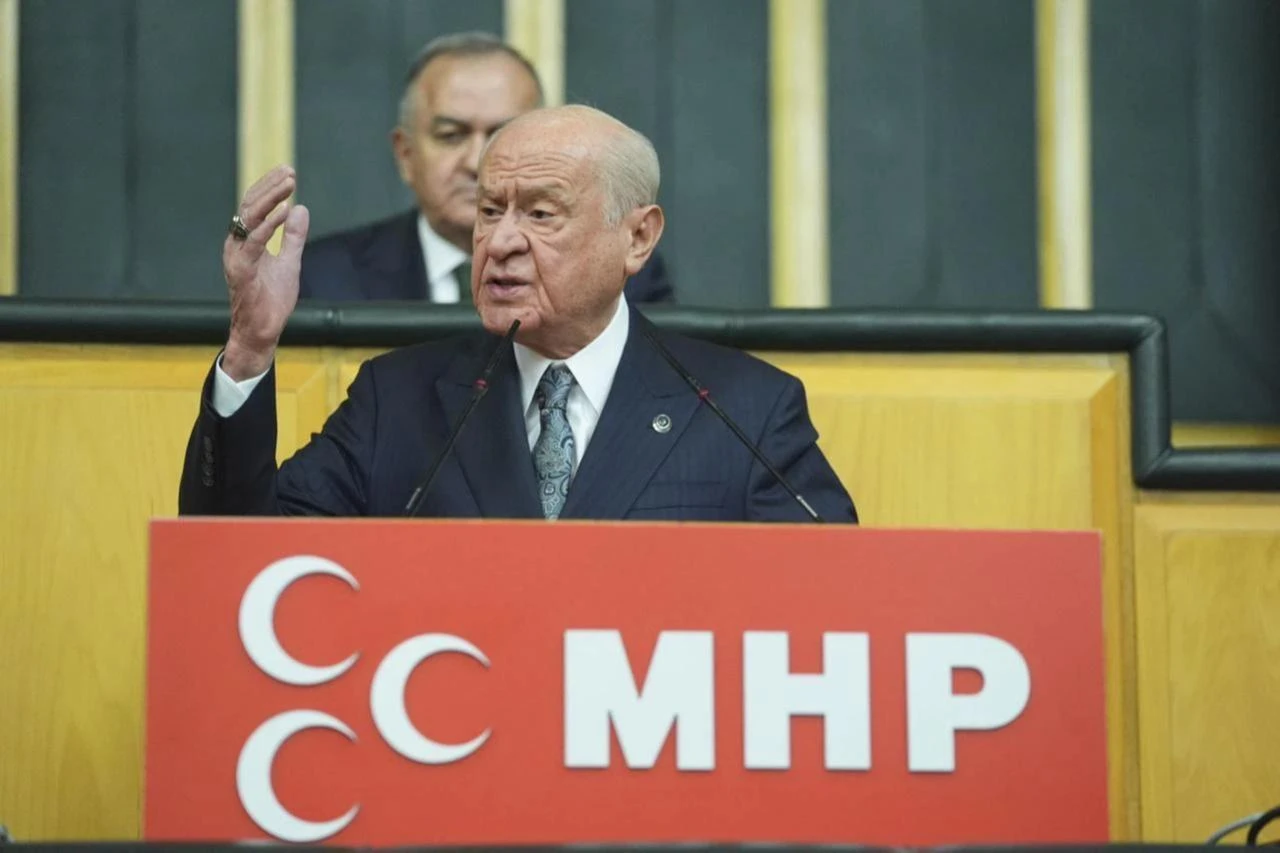


Nationalist Movement Party (MHP) leader Devlet Bahceli said television programs, social media platforms, and LGBTQ+ influences were negatively affecting Türkiye’s family structure, linking declining population growth and birth rates to what he described as a national survival issue requiring urgent measures.
In an interview with Turkgun newspaper, government ally Bahceli argued that protecting the family should be a priority and said Türkiye must raise young people with a strong awareness of national identity and culture while building what he called the “Turkish and Türkiye Century.”
“Television programs that have emerged with technological developments; social media platforms on computers and internet networks; and factors such as LGBTQ+ negatively affect the Turkish family structure,” Bahceli said.
He said projections for Türkiye’s population in the coming years were giving serious warnings and that the decline in the population growth rate could not be ignored.
“This situation is a matter of survival, and measures must be taken urgently,” he said.
Bahceli said people live collectively within a cultural environment and that society is built on major institutions, including education, the economy, politics, religion and the family.
While each institution has its own importance and intersects with the others, Bahceli said the family holds an independent and undeniable value.
He described the family as society’s smallest unit and the most fundamental element in the existence of a nation.
People enter this social structure from birth and remain members of it throughout their lives, he said, adding that cultural and social foundations are shaped within the family.
Bahceli said marriage was the principal factor in forming the family institution and was also important for establishing social unity.
He argued that families had formed tribes and tribes had formed states throughout early Turkish history.
According to Bahceli, the strength and stability of the state in Turkish political thought are directly connected to the strength of the family and wider social communities.
He also referred to traditional rules governing the establishment and operation of the state, saying they had a distinct importance in Turkish history.
Bahceli acknowledged that the Turkish family structure had changed over time and that regulations introduced after the establishment of the republic had also affected family life.
He described the Turkish Civil Code as a measure introduced to protect the family structure.
Bahceli said the Turkish family had developed its own set of values through history and maintained a traditional character that differed from examples in the West.
He said the roles of men and women and their responsibilities toward each other and their children formed an integrated, respect-based family structure with strong characteristics.
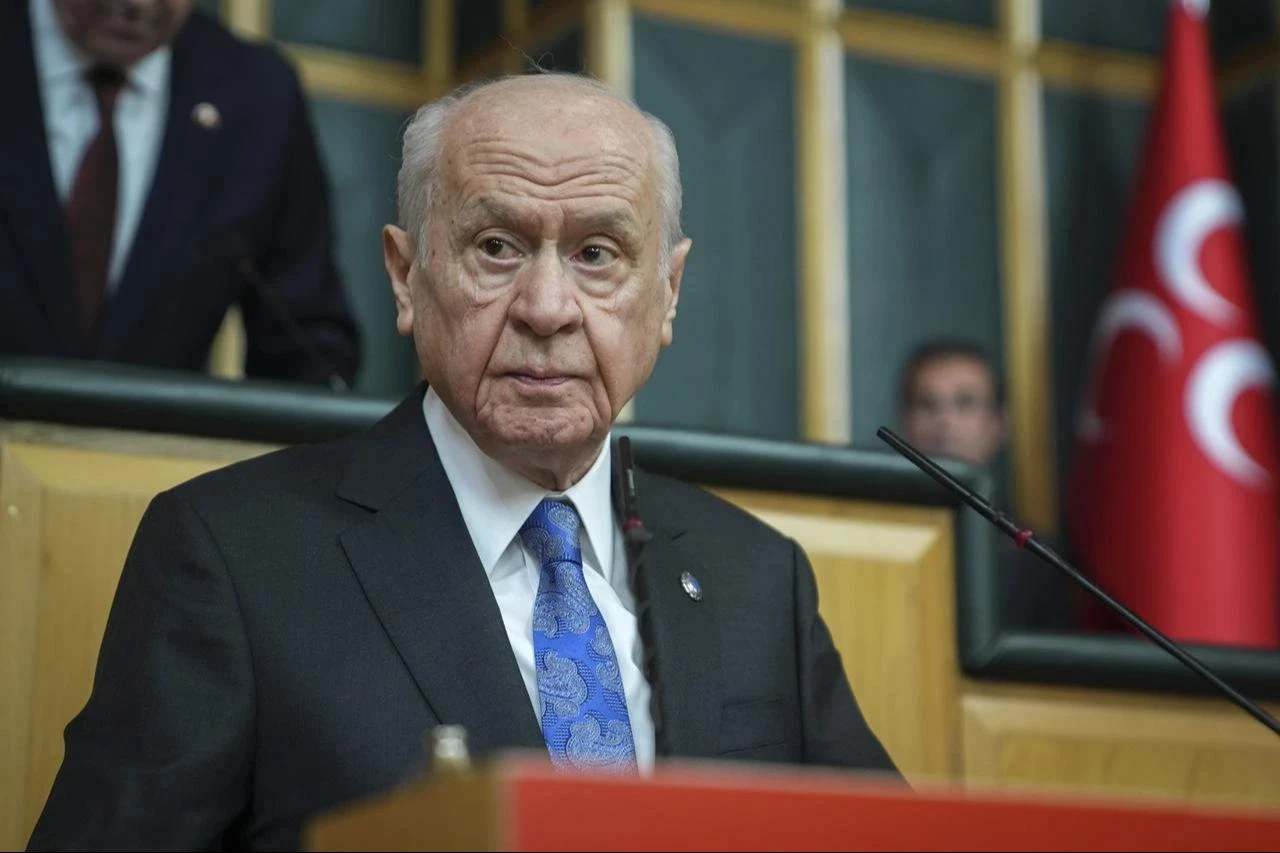

Bahceli said the structural breakdown of families, the perception of family responsibilities as burdens, and the encouragement of arbitrary behavior under the label of a free lifestyle represented serious threats that could not be ignored.
He argued that Turks had preserved their existence and built strong states throughout history by prioritizing a stable family structure.
The Turkish family must therefore be protected from those threats, he said.
Bahceli said the family structure remained exemplary in many respects but was being deeply affected by changes also seen around the world.
He included television programming, computers, internet-based social media and LGBTQ+ influences among the factors affecting family life in Türkiye.
Bahceli also argued that Turkish nationalism was rooted in the Turkish family structure and claimed that various groups were systematically targeting this foundation.
He said the family structure remained built on strong foundations and would continue to be protected.
“In Turkish thought, the family is the smallest example of the state and also forms the basis of being a state,” Bahceli said.
Bahceli said concerns about population decline were justified but argued that preventing young people from being wasted or becoming a lost generation was equally important.
He said addressing both issues required protecting the family structure first.
Bahceli added that Türkiye must raise young people with national identity and cultural awareness as it works toward its future goals.
He referred to a comprehensive study titled “Family,” prepared by the MHP deputy chair responsible for family, women and social services policies.
Bahceli said the study examined the issues in detail, went beyond identifying problems and presented what he described as valuable proposals for solutions.


 Set as preferred source
 Set as preferred source


 1 min read
 1 min read