Newsletters




Türkiye is facing a deepening demographic crisis marked by falling birth rates, rapid population aging, and a growing number of childless households, according to data announced by Family and Social Services Minister Mahinur Ozdemir Goktas.
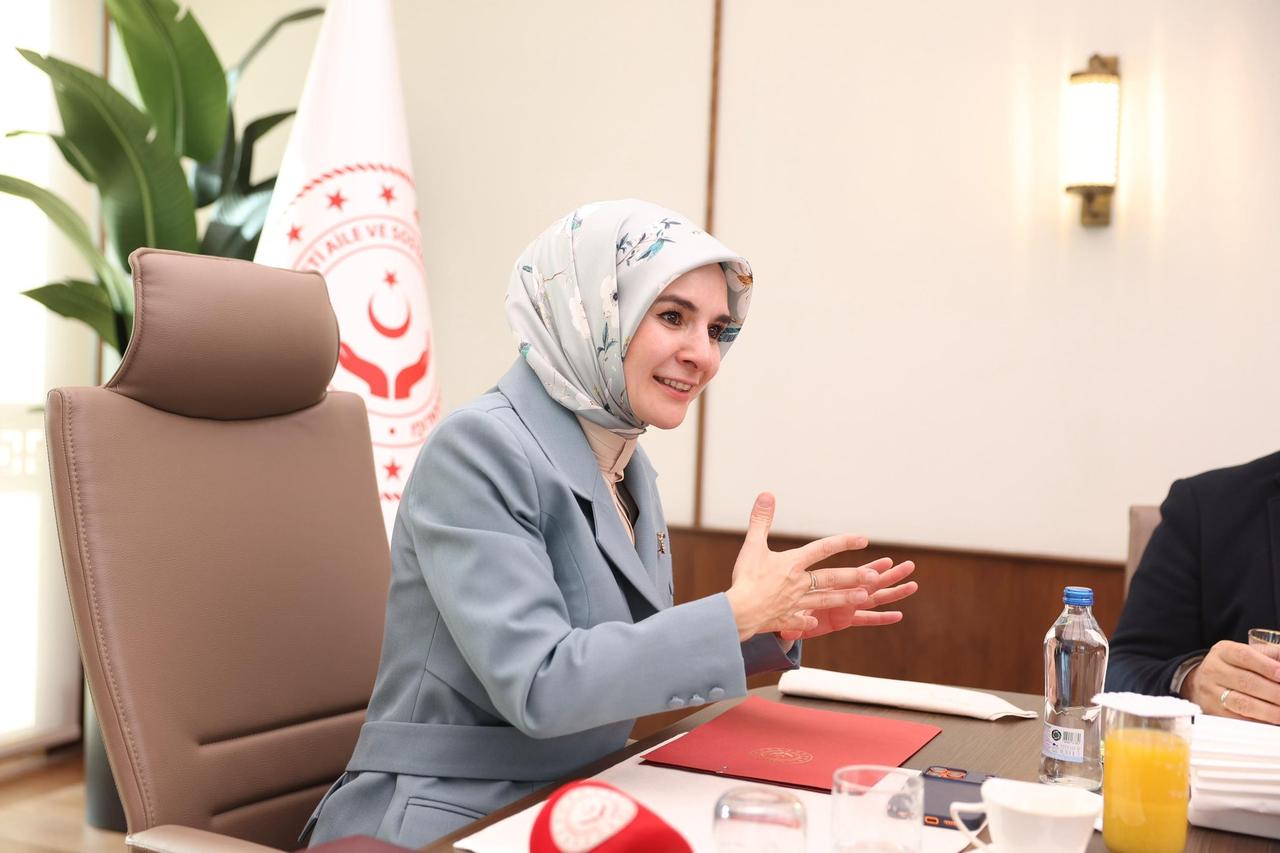
Speaking at a meeting with media representatives at the Darulaceze Social Life City in Istanbul, Minister Goktas said Türkiye’s total fertility rate has dropped to 1.48, well below the population replacement level of 2.1, signaling serious long-term risks for the country’s social and economic structure.
Goktas revealed that over the past decade, the number of provinces with fertility rates above the replacement threshold had fallen sharply from 29 to just 10.
Meanwhile, provinces with a fertility rate of **1.5 or below—considered a “red alert” level—surged from only Edirne in 2014 to 55 provinces in 2024.
In addition, 59 of Türkiye’s 81 provinces are now classified as “very old,” a category based on the proportion of elderly residents. This number has tripled since 2007, when only 19 provinces fell into that group.

Highlighting changing family structures, Goktas said that 57.2 percent of households in Türkiye have no children, while both marriage and parenthood are being postponed.
According to United Nations projections cited by the minister, if current trends continue, Türkiye’s population could fall to as low as 25 million by 2100. A more optimistic projection by the Turkish Statistical Institute (TUIK) still foresees a decline to around 54 million.
“This is not just a demographic issue; it is a matter of our future and national security,” Goktas said.
The minister announced that the government is preparing a comprehensive, long-term policy framework addressing family structure, population dynamics, and social support. The plan is expected to be unveiled in February, with the participation of President Recep Tayyip Erdogan.
Among the key proposals:
Goktas also highlighted the impact of the Family and Youth Fund, launched nationwide during the government-declared “Year of the Family.” So far:
Additionally, under birth assistance programs, 721,000 children have received financial support totaling ₺8.7 billion.


 Set as preferred source
 Set as preferred source



 8 min read