Newsletters


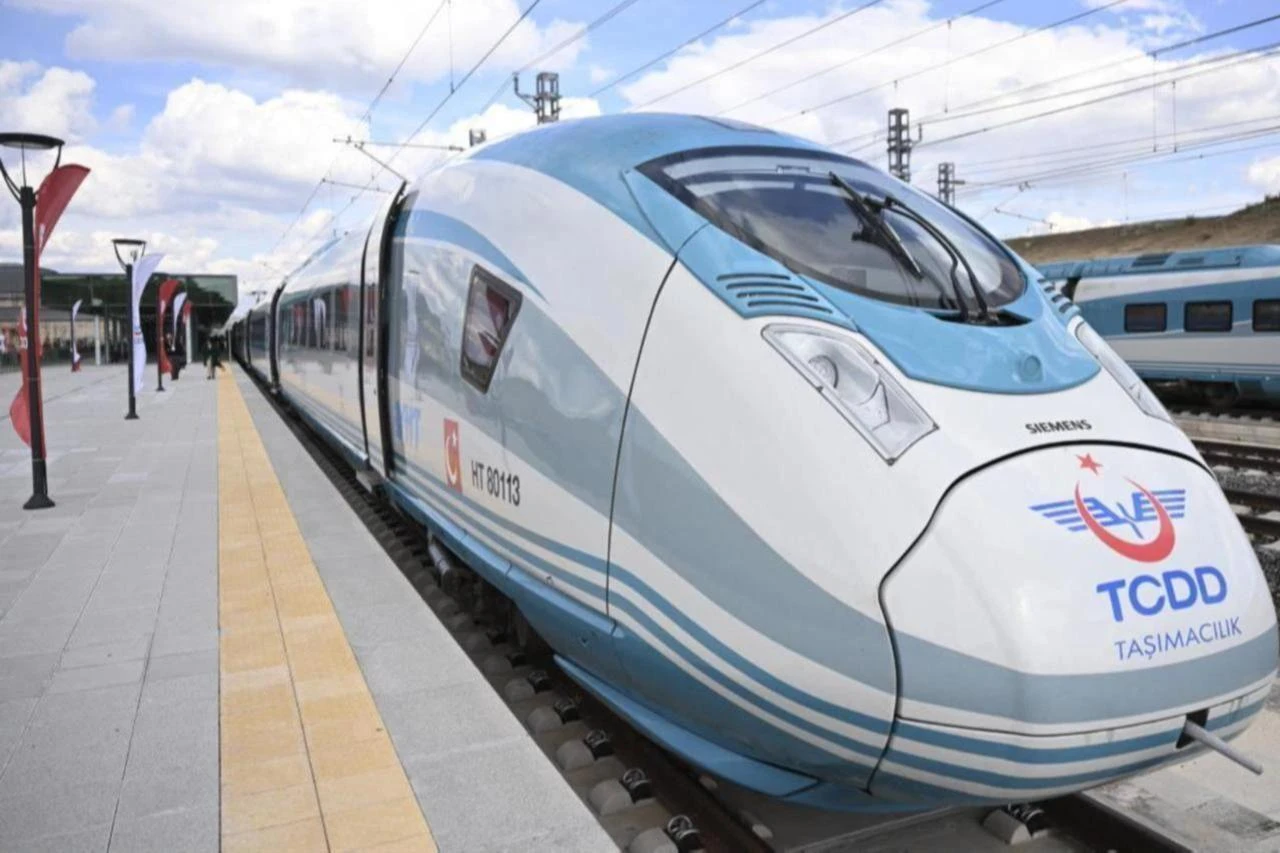


Türkiye aims to link the entire country by high-speed rail within 48 hours of travel time by 2053, the country's transport minister said, outlining an ambitious expansion plan that would more than double the current rail network over the next three decades.
Transport and Infrastructure Minister Abdulkadir Uraloglu said the number of provinces directly connected by high-speed train would grow from 11 to 27 by 2028, with full nationwide coverage targeted by mid-century.
"In 2053, we will travel all of Türkiye in 48 hours by uniting every corner of our country with high-speed rail lines," he said.
Uraloglu told the state-run Anadolu Agency that transportation infrastructure was inseparable from economic development, arguing that trade, production and sustainable growth could not flourish without it.
He described transport projects not merely as physical investments but as strategic steps supporting exports, employment and regional development.
The minister said Türkiye's rail network, which stood at approximately 11,000 kilometers in 2002, has grown to nearly 14,009 kilometers today, of which 2,251 kilometers are high-speed lines.
The country has invested 355 billion dollars in transport and infrastructure over the past 24 years, he said, equipping the country with divided highways, motorways, ports, airports and logistics centers alongside the expanded rail grid.
Uraloglu noted that rail investment had done more than improve connectivity, it had changed the rhythm of cities and the broader economy.
He added that alongside building new lines, the government had modernized 11,000 kilometers of existing track.
Several major high-speed and conventional rail projects are currently under construction.
These include the Halkali-Kapikule, Ankara-Izmir, Bandirma-Bursa-Yenisehir-Osmaneli, and Mersin-Adana-Osmaniye-Gaziantep corridors.
The Kars-Igdir-Aralik-Dilucu railway, also under construction, is set to strengthen rail connectivity between Türkiye, Armenia and Azerbaijan.
A separate rail link over the Yavuz Sultan Selim Bridge will provide a new crossing of the Istanbul strait as an alternative to the existing Marmaray tunnel.
Uraloglu said construction on that project is planned to begin this year following completion of the tender process.
 1 min read
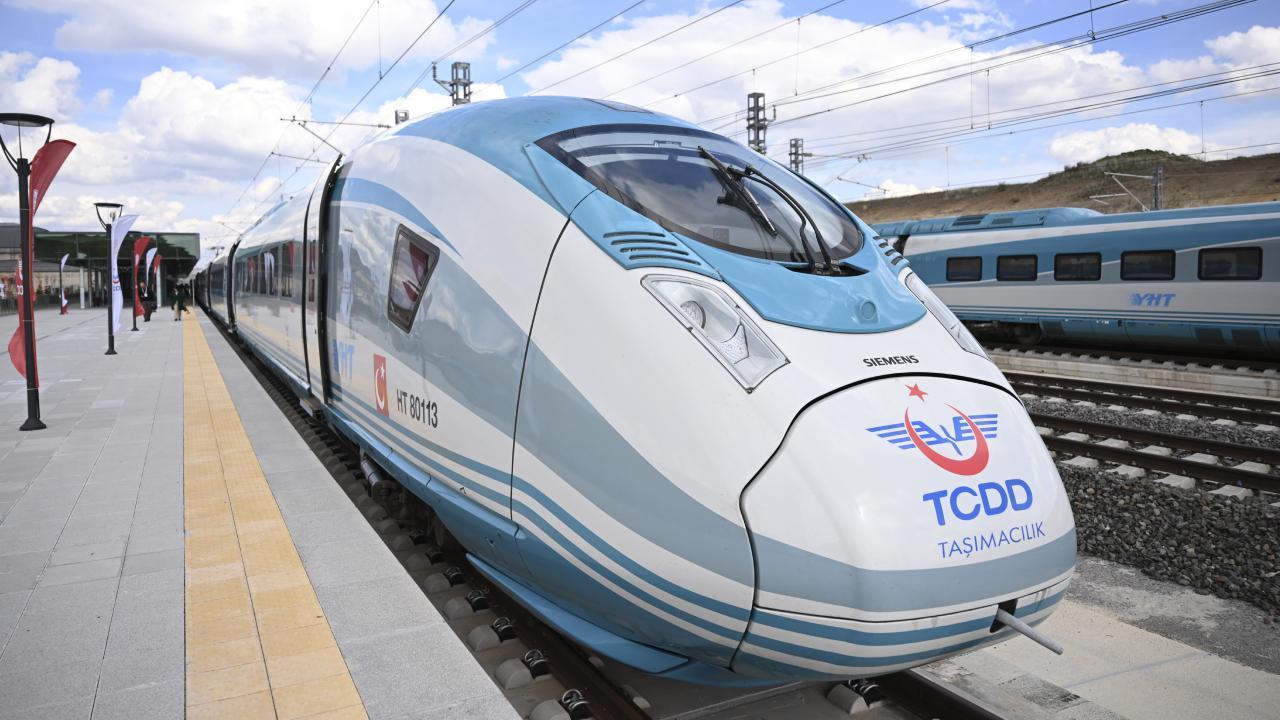
On freight infrastructure, Uraloglu said the country currently operates 286 branch lines totaling 439 kilometers and plans to expand that to 608 kilometers by 2028. The number of logistics centers is also set to rise, from 13 to 25.
The minister said the total rail network is targeted to reach 17,287 kilometers by 2028 and 28,590 kilometers by 2053. Construction is currently active on 4,164 kilometers of track.
Since 2002, he said, rail development has been treated as an explicit instrument of state policy, a commitment he credited with transforming the country's transport landscape over two decades.


 Set as preferred source
 Set as preferred source


 1 min read