Newsletters


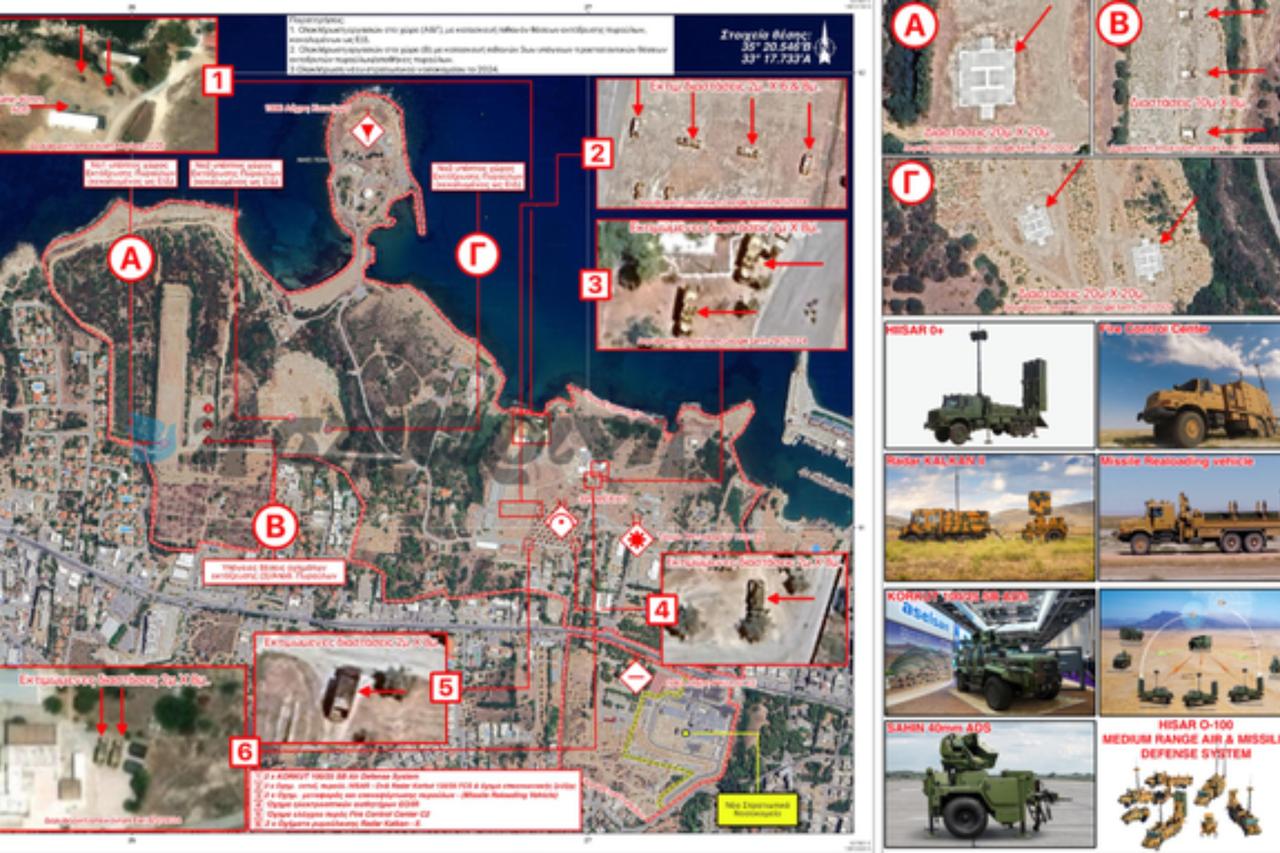


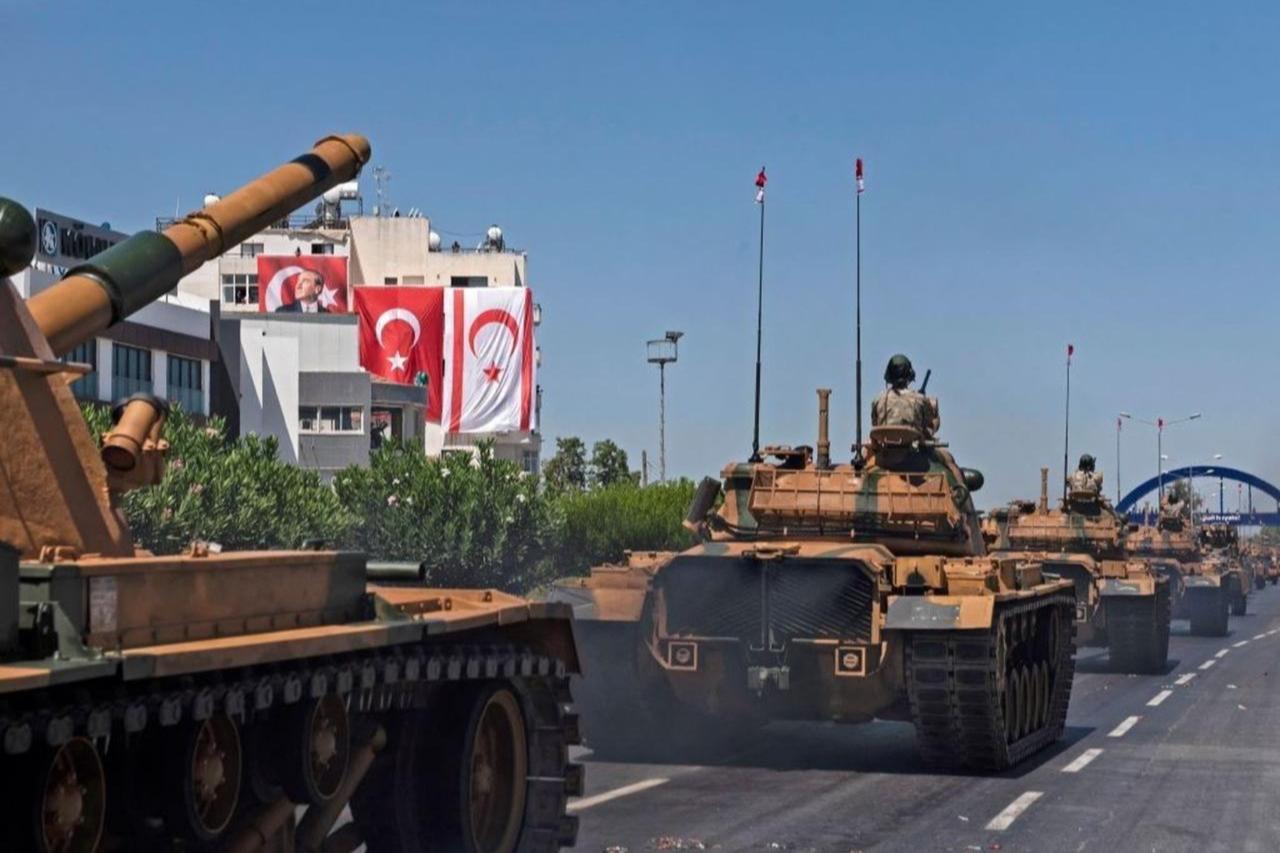
Türkiye has allegedly deployed new air defense systems in the Turkish Republic of Northern Cyprus (TRNC), integrated into a network-centric command-and-control architecture, according to reports by the Greek Cypriot media outlet Simerini.
The report claims that, following the earlier deployment of the Korkut system, Hisar air defense systems are now operational in the region, with the battery headquarters located in Girne.
The systems are allegedly connected via the Hakim-100 command-and-control system, described as the "central brain" of Türkiye's network-centric air defense architecture.
"It connects radars, sensors and air defense assets in a unified network, creating real-time air pictures, classifying threats and issuing engagement commands to appropriate weapon systems," the report stated regarding Hakim.
The system reportedly features resilience against electronic countermeasures and automatic threat-prioritization capability, aiming to prevent overlapping engagements between units and reduce decision-making time to seconds.
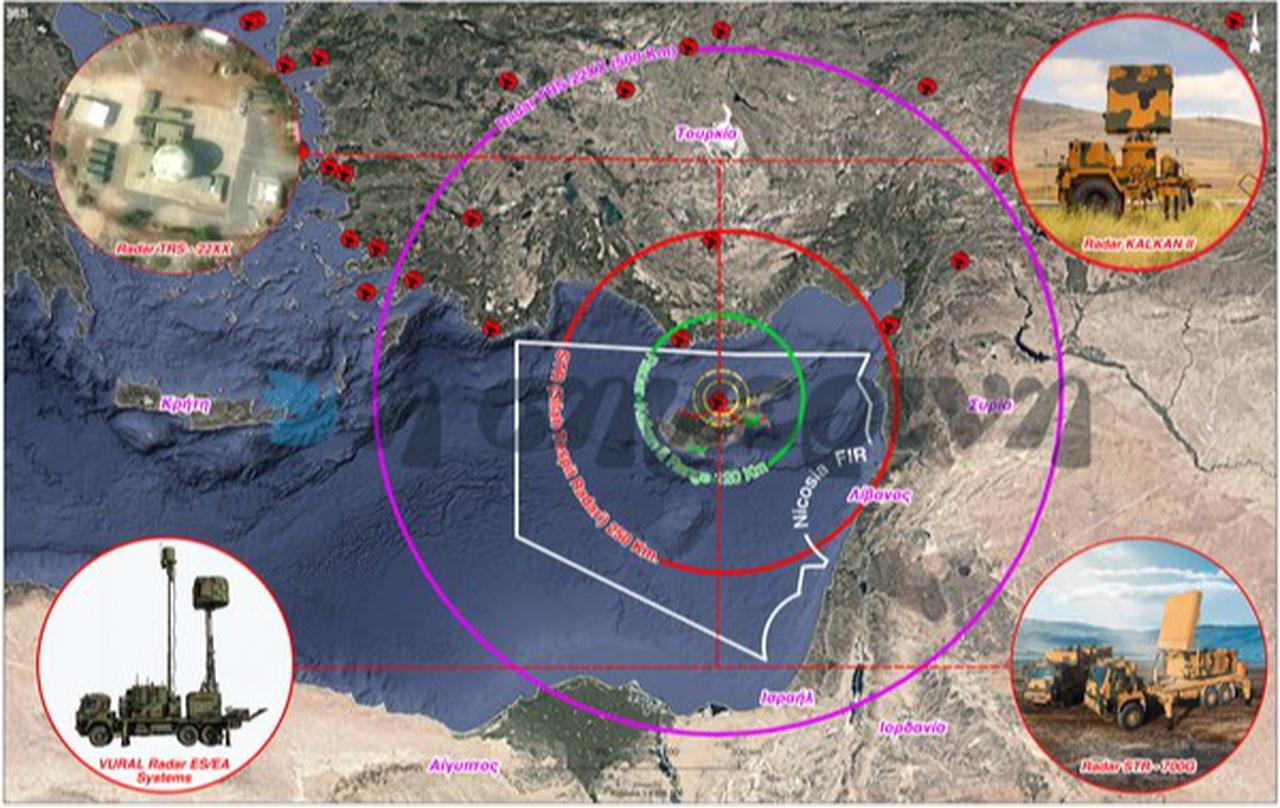

According to the reports, the architecture integrates multiple radar systems, including a TRS-22XX radar system with a 500-kilometer (310.6 miles) range in the Besparmak Mountains and an STR-700G radar system with a 250-kilometer range in Gonyeli, along with other electro-optical sensors.
The network is allegedly connected to Türkiye's central HAKIM system.
Additional radar systems cited include the Serhat II/STR-400G with a 25-kilometer range, Kalkan II with a 120-kilometer range, and Korkut systems with a 70-kilometer range.
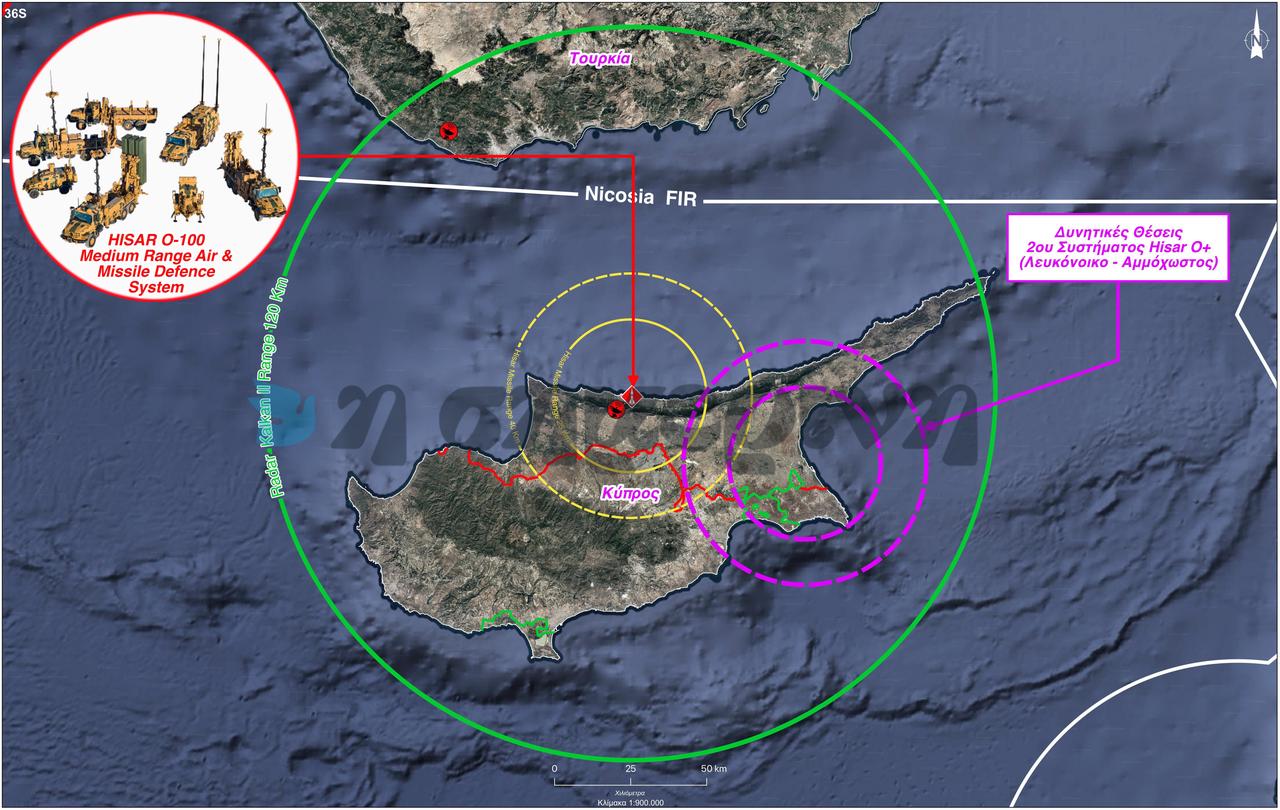
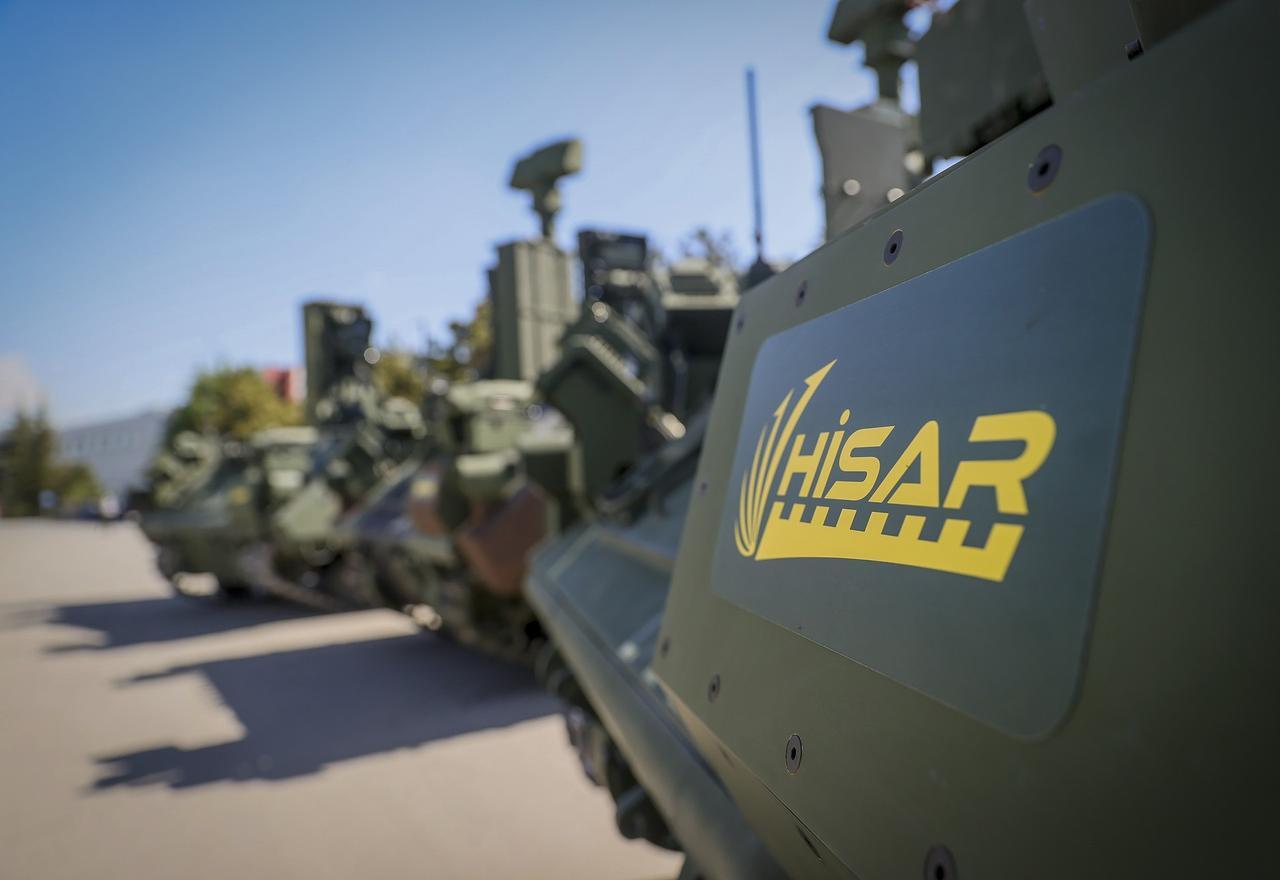
The reports describe Hisar's own radar as covering a 120-kilometer radius with autonomous action capability. Missile ranges vary by a model from 15 to 25 to 40 kilometers, with high target accuracy and resistance to electronic interference.
The system can allegedly intercept UAVs of any type, loitering munitions, helicopters, aircraft, and missiles in their terminal phase.
According to the Greek Cypriot report, Hisar serves as a local air defense node covering strategic spaces, including bases, military units, radars, ports, airports and parts of the maritime exclusive economic zone.
The reports claim that Hisar's deployment could limit the operational effectiveness of the Greek Cypriot National Guard's recently acquired H145M helicopters.
The H145M platforms can carry 70 mm guided/unguided munitions and Spike ER2 missiles with ranges up to 16 kilometers. However, due to Hisar's longer range, the helicopters would allegedly need to enter the engagement zone to deploy their weapons, increasing their vulnerability.
"For the H145M to be dangerous, they must accept the high cost of entering the 'kill zone' of Hisar, with everything that entails for their survivability," the report stated.
The Hisar and radar network are allegedly integrated with Vural and PUHU 3-LT electronic warfare systems.
The report claims Vural can conduct electronic attack and jamming operations against radar and communication systems, with the capability to disrupt command-control networks and communication links.
PUHU 3-LT reportedly provides detection, tracking and location capabilities for enemy radio communications, potentially weakening or neutralizing VHF/UHF communication networks of hostile forces.
According to the report, VURAL can jam ground- and air-based electronic systems, blind surveillance system screens, disrupt communications between wireless networks and command centers, detect enemy radio stations and radars, and conduct interceptions.
The Greek Cypriot report claimed that multiple components were allegedly deployed, including Hisar launchers, Korkut systems, fire control systems, communication relay vehicles, missile transport and reload vehicles, electro-optical sensor vehicles, fire control vehicles, and Kalkan II radar towing vehicles.


 Set as preferred source
 Set as preferred source


 2 min read

 1 min read