Newsletters


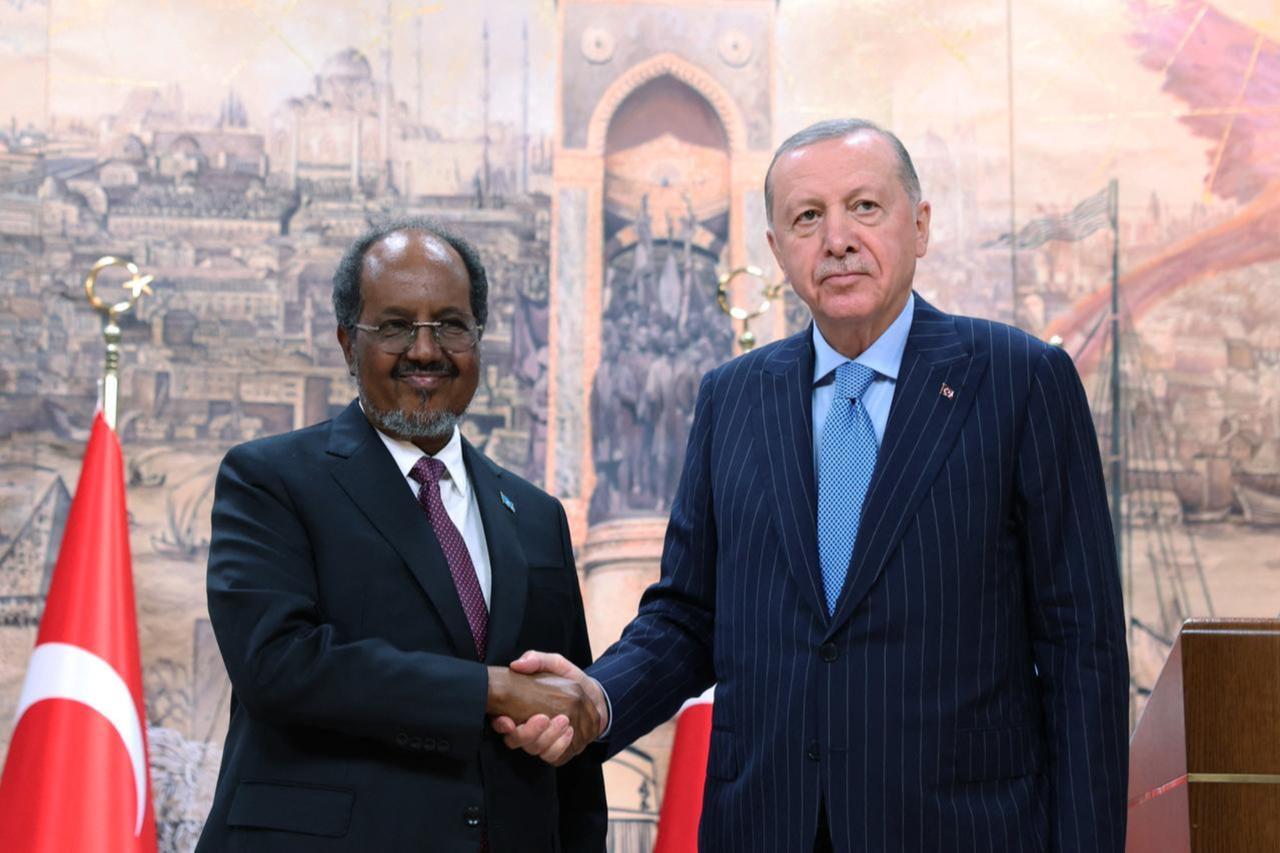


Türkiye and Somalia established a formal framework for labor cooperation on Tuesday, signing agreements that outline collaborative efforts in workforce development, safety standards, and migration management over the next two years.
The protocol and 2026-2027 action plan emerged from the first meeting of the Türkiye-Somalia Joint Labor Commission, held in Ankara. Turkish Minister of Labor and Social Security Vedat Isikhan hosted Somali Minister of Labor and Social Affairs Salim Alio Ibro and his delegation for the bilateral talks.

The newly signed documents establish cooperation across several priority areas, according to Isikhan. These include labor inspections, occupational health and safety protocols, vocational training programs, and the development of national occupational standards. The agreement also addresses labor migration management between the two nations.
The action plan provides a legal framework for the two ministries to exchange information, documents, and expert personnel, according to a ministry statement.
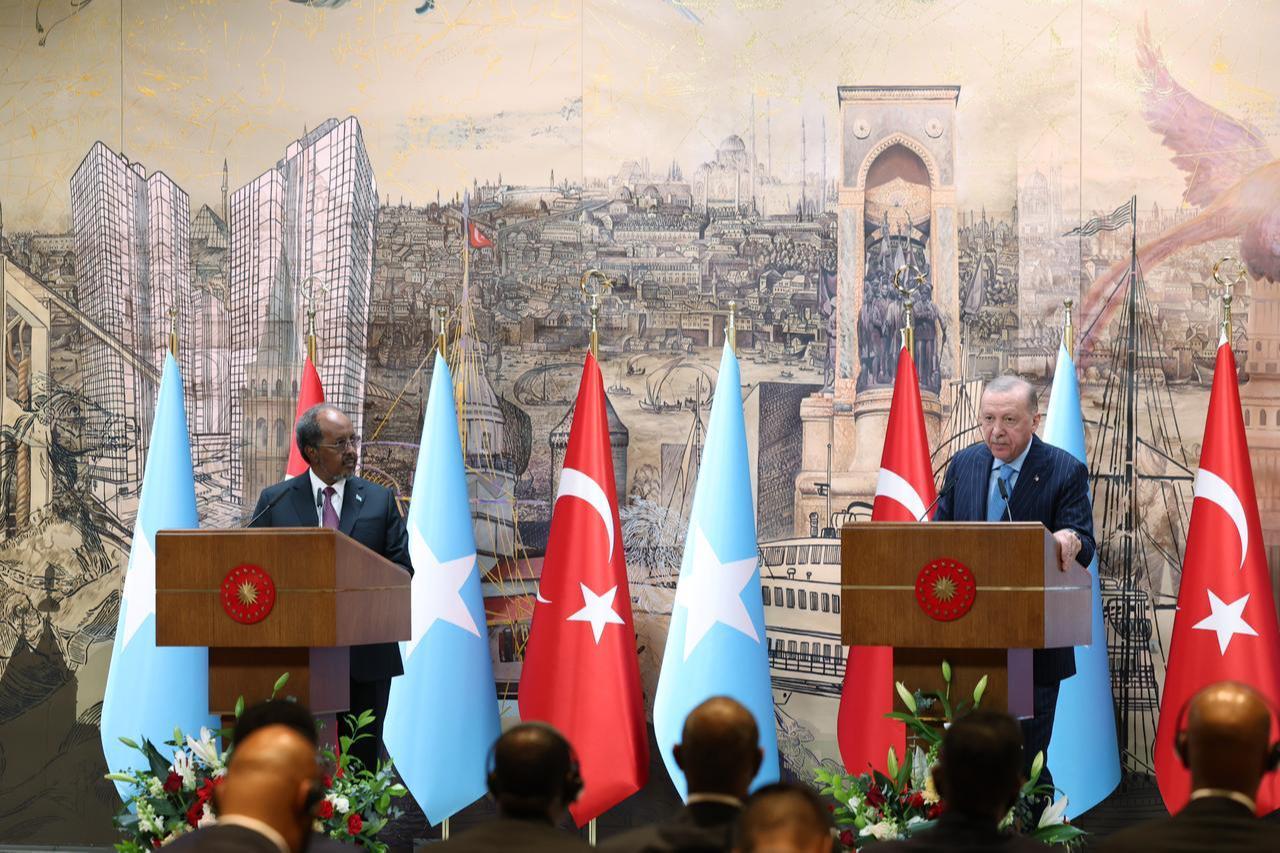
During delegation-level meetings chaired by Isikhan, the Turkish minister highlighted the expanding nature of bilateral relations between the two countries. He noted that ties have evolved to include a strategic dimension across multiple sectors in recent years.
Isikhan expressed optimism about the collaboration's potential, stating the ministry places "great importance to sharing our experience with the Somali side in matters within our mandate, and we aim to strengthen our cooperation in these areas."
 1 min read
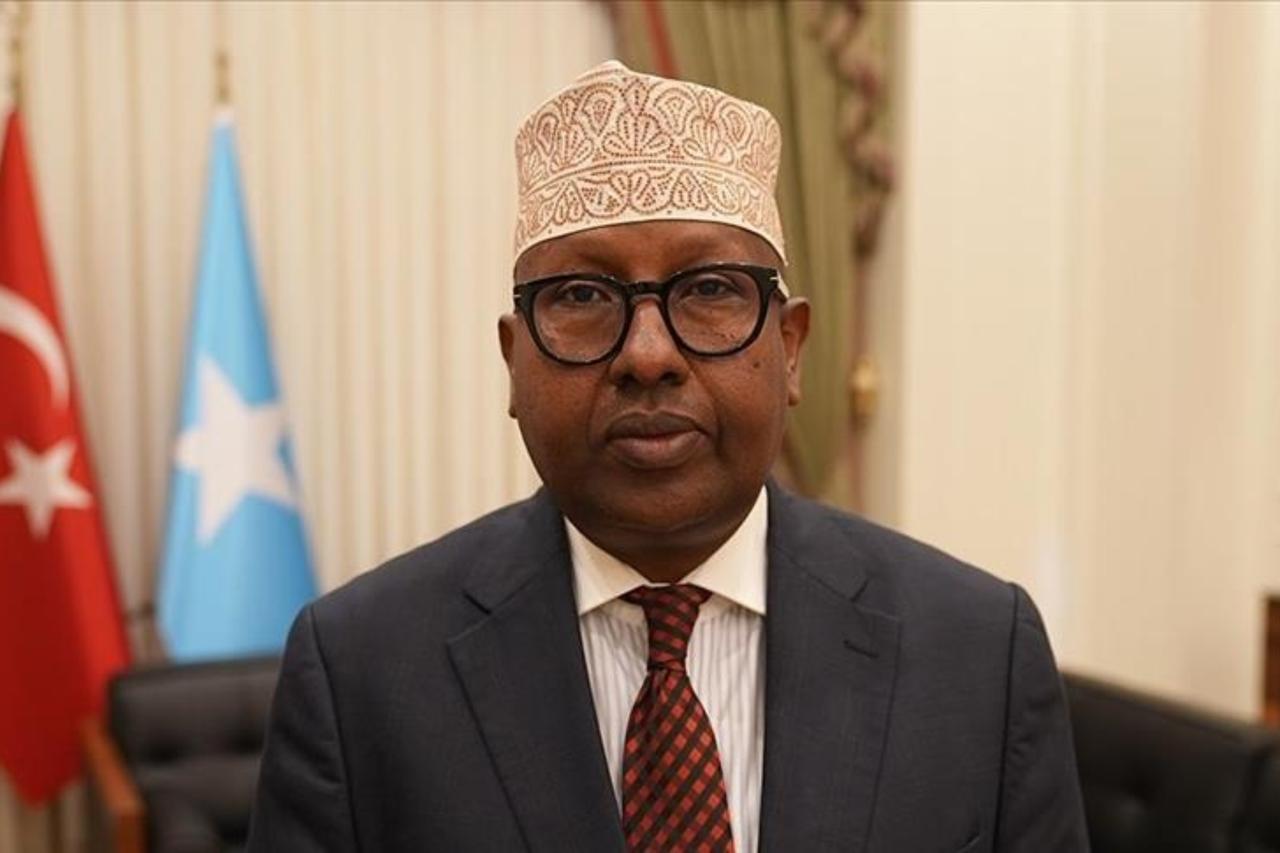
The two-year action plan represents an advancement of ongoing cooperation between Türkiye and Somalia in labor-related matters. Isikhan described the agreement as a mechanism to "elevate existing cooperation to a more advanced level, expand its scope, and provide a solid and sustainable legal basis" for ministerial exchanges.
The Joint Labor Commission represents one element of broader diplomatic and economic engagement between Türkiye and Somalia, which has intensified over the past decade through various bilateral agreements and development assistance programs.


 Set as preferred source
 Set as preferred source



 1 min read