Newsletters


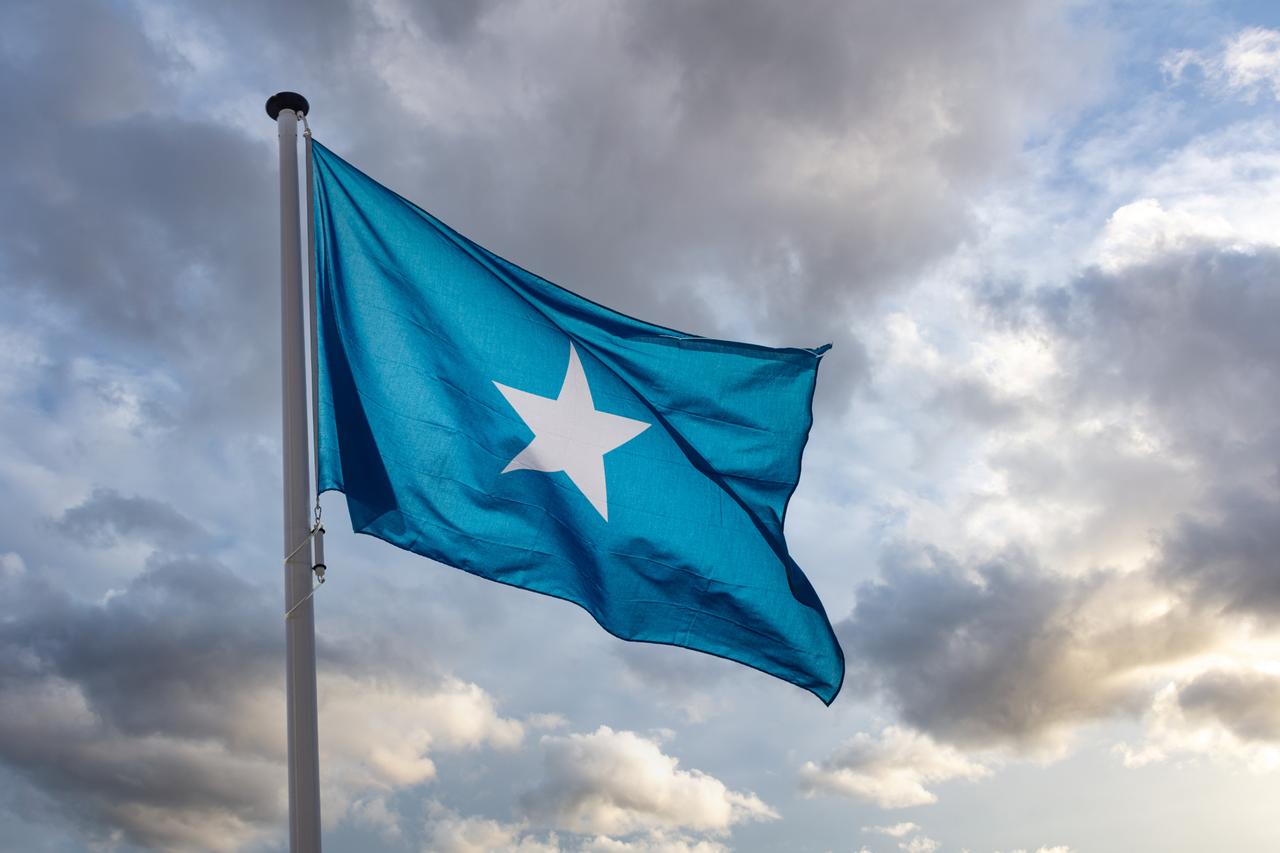


Somalia cancelled all agreements with the United Arab Emirates on Monday, including military and security deals, citing "hostile actions" undermining its sovereignty and unity after the Gulf state backed Israel’s recognition of Somaliland.
In an official statement, the Somali government said it had “carefully assessed recent developments” and exercised its constitutional authority to annul the agreements.
In December, Israel became the first country to recognize Somaliland—a self-declared republic that proclaimed independence from Somalia in 1991—as an independent state, prompting concerns in Mogadishu over potential threats to the country’s territorial integrity.
Although Somalia’s statement did not directly mention the Israeli move, the UAE’s visible engagement with Somaliland has drawn scrutiny. The Gulf state operates a major deep-sea port and military base in Berbera, a coastal city within Somaliland’s territory.
The UAE has made considerable infrastructure investments in Somaliland, most notably the development and operation of the Berbera Port. While this facility has been promoted as a commercial hub, its dual use as a military base has raised concerns in Mogadishu about potential external interference and territorial fragmentation.
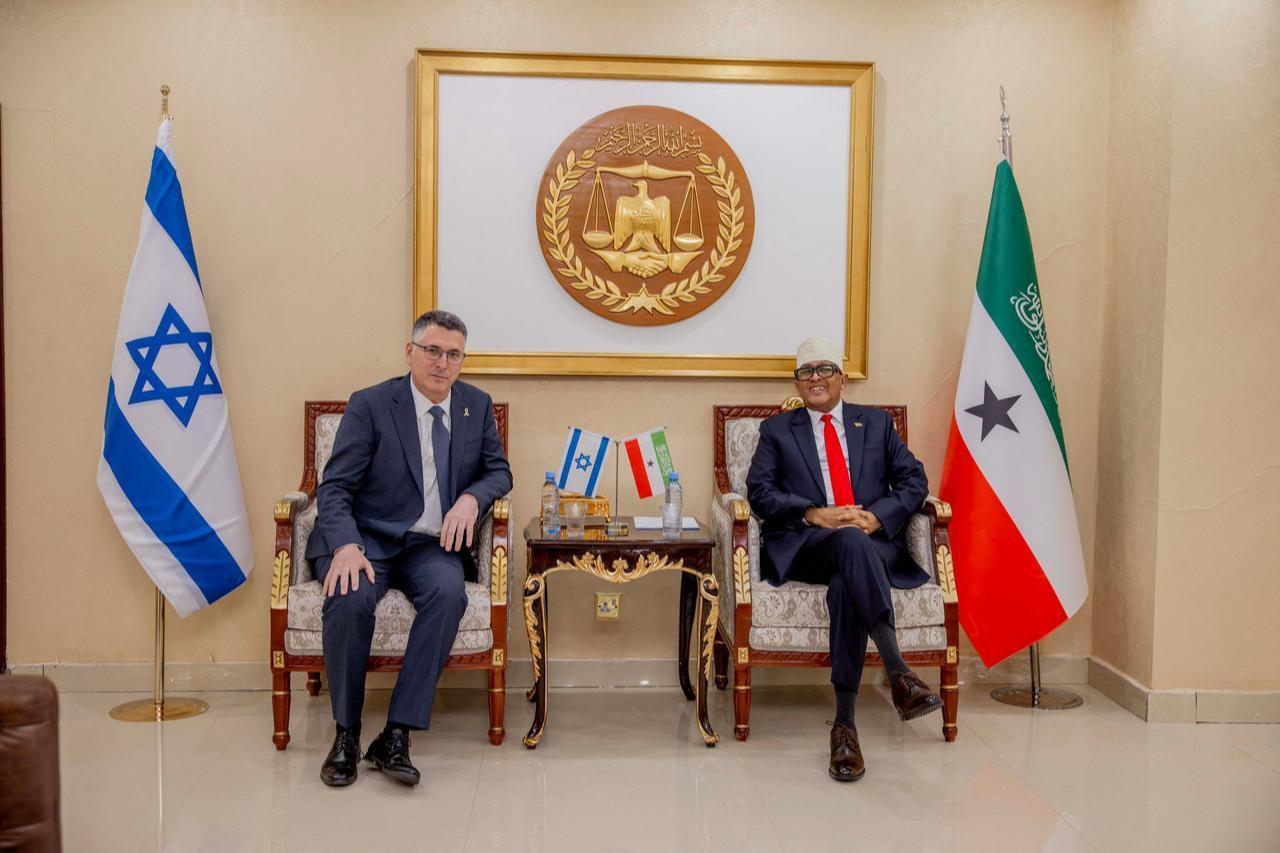

Tensions spiked further following allegations that the UAE assisted in the escape of Yemeni separatist leader Aidarous Al-Zubaidi. According to Saudi officials, Al-Zubaidi was flown out of Yemen via Somali territory, reportedly through Berbera and Mogadishu, before reaching Abu Dhabi.
Somalia’s immigration agency announced it was investigating an "alleged unauthorised use of Somalia's national airspace and airports," though the government’s broader statement did not explicitly reference this incident
The Somali government has not indicated whether the move will affect Emirati civilian activities or private sector operations outside of the now-cancelled agreements.


 Set as preferred source
 Set as preferred source


 2 min read
 1 min read