Newsletters




Sources from the Turkish Ministry of National Defense (MoND) have criticized Greece for failing to respond to Israel's military interception of the Global Sumud Flotilla in international waters.
The sources said Athens' inaction undermines its international obligations and weakens its standing in its claims to maritime jurisdiction.
According to sources from the Ministry of National Defense, the Israeli navy intercepted the flotilla approximately 80 nautical miles west of Crete, within Greece's declared search-and-rescue responsibility zone.
During the operation, communications systems were jammed, vessels were harassed by unmanned aerial vehicles (UAVs), and Israeli forces physically boarded several ships.

MoND sources said the incident, targeting civilian vessels carrying humanitarian aid, constitutes a violation of core principles of international law, foremost among them the United Nations Convention on the Law of the Sea (UNCLOS).
The sources said the attack undermined norms protecting the right of free navigation, the right to life, and civilian property.
"Greece's passive stance toward an incident that occurred within its own search-and-rescue responsibility zone demonstrates that it is ignoring its international obligations," the sources said.
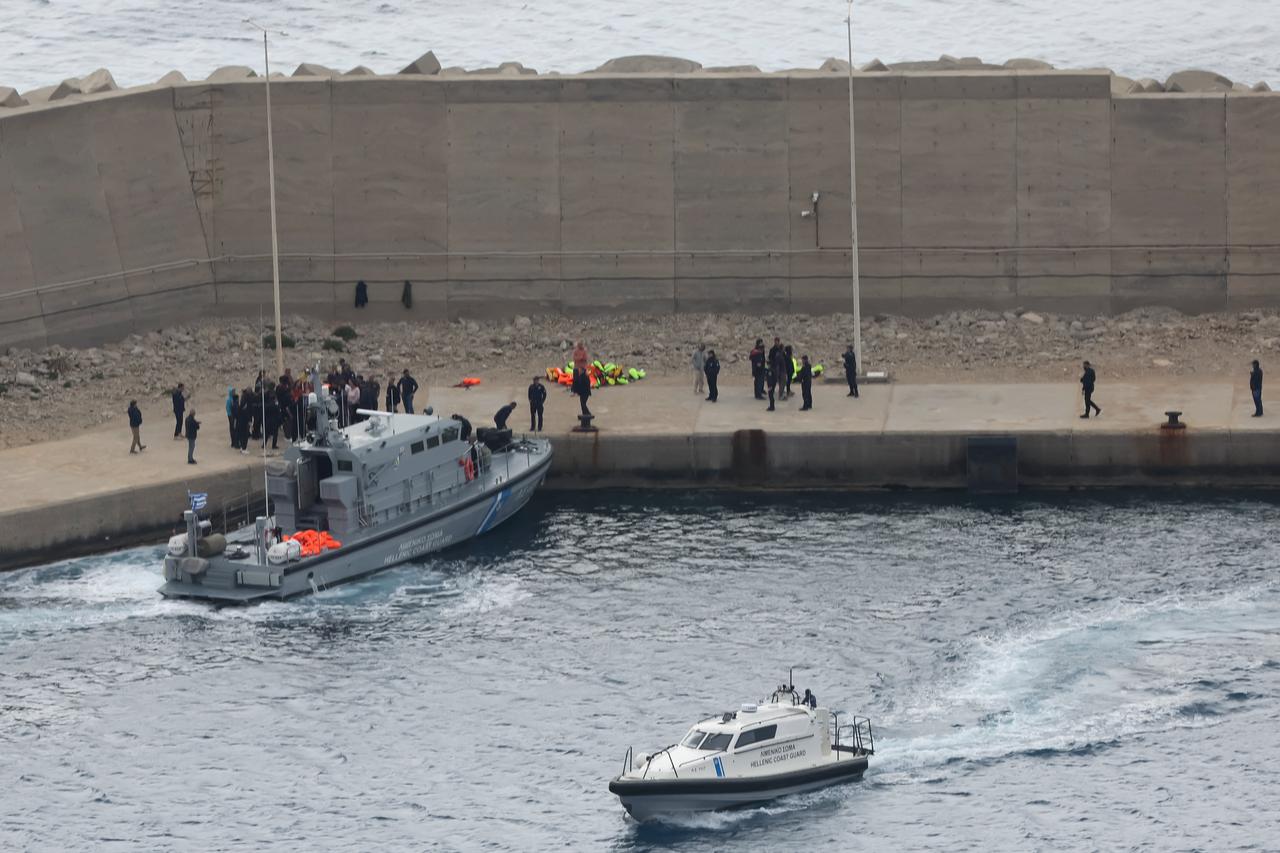
Sources further noted that after the interception, a vessel carrying detained crew members was directed to a Greek port, and Greek authorities did not intervene to stop it.
That failure, sources said, has intensified criticism of the government of Prime Minister Kyriakos Mitsotakis and Defense Minister Nikos Dendias, with Greek public opinion questioning whether Athens has weakened its own maritime sovereignty claims on the international stage.
"The sensitive balances in the region have been negatively affected and Greece's claims regarding maritime jurisdiction have been weakened internationally," the sources said, characterizing the domestic Greek reaction.
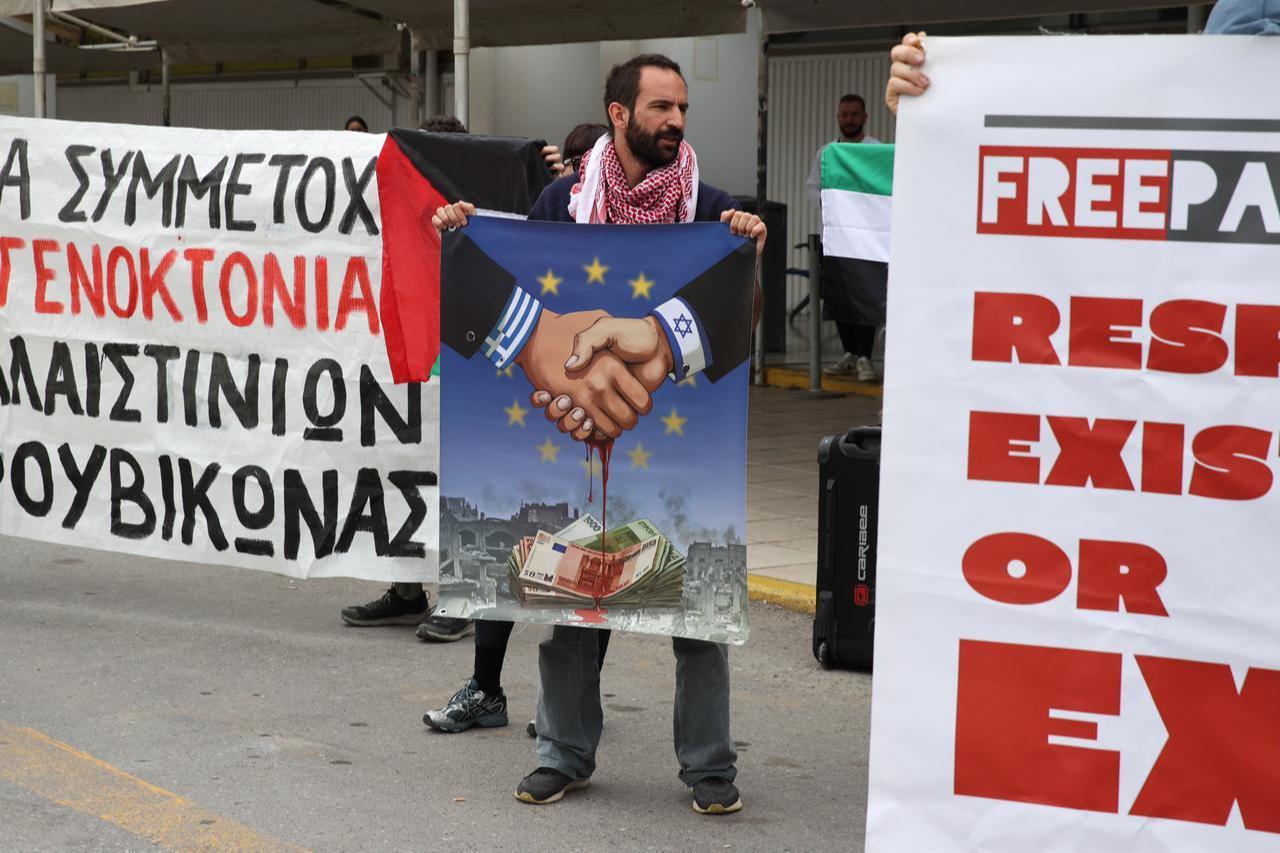
U.N. Special Rapporteur on the Occupied Palestinian Territories Francesca Albanese offered sharp condemnation of Athens during a panel discussion in the Greek capital following a screening of the documentary "Divided Nations."
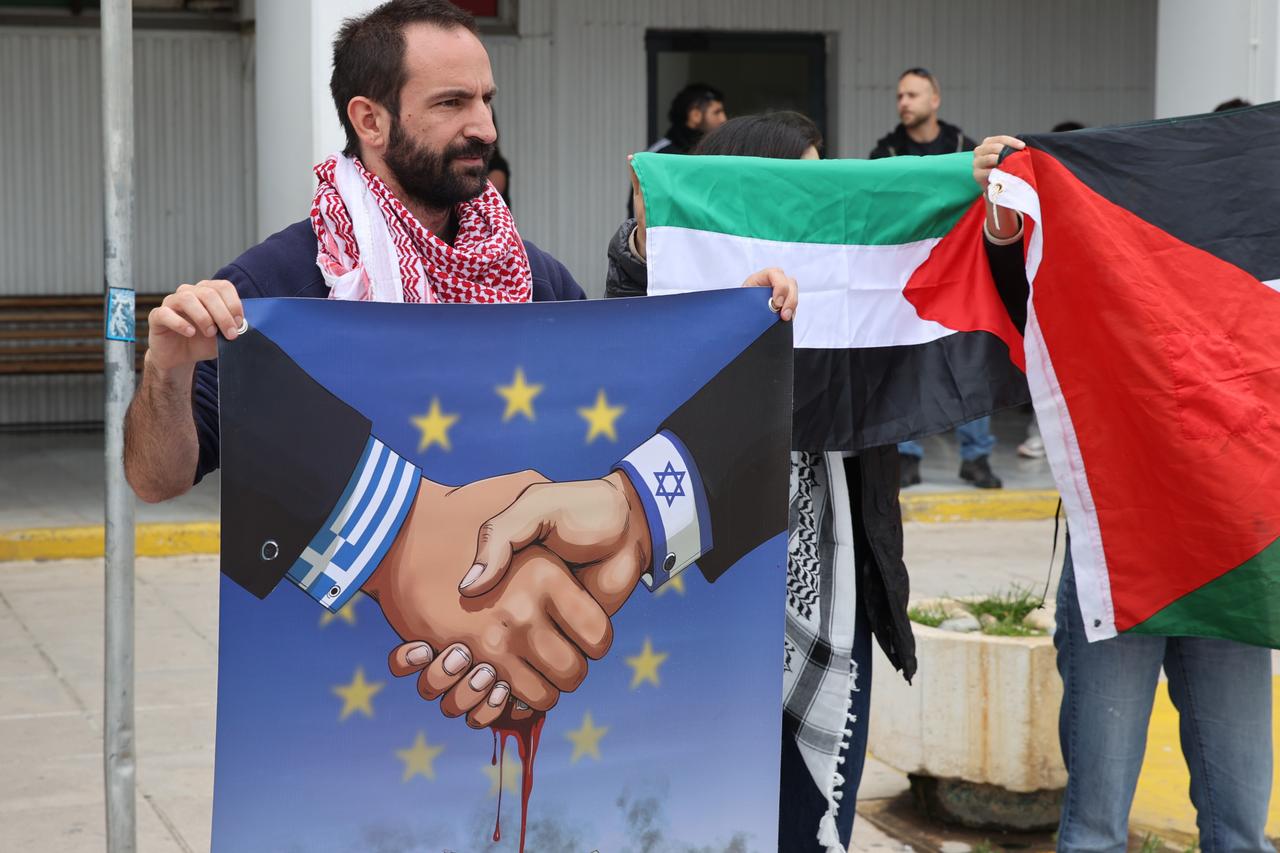
"Greek officials are walking hand in hand with the Israelis in stopping a humanitarian mission. Wrong from every angle," Albanese said, "because Israel is a state accused of war crimes, crimes against humanity and genocide by two high courts in the world."
Albanese also referenced the International Court of Justice's positions on Israel, saying, "The ICJ told Israel what it needs to do. Israel's presence in Gaza, the West Bank, and Jerusalem is illegal. This must end unconditionally, and until it does, member states must not assist in any way so as not to be complicit in the crime."
She added that Greek officials were "somehow aiding and abetting and becoming complicit in an illegal blockade and in the crime" and noted that European states continue trading with Israel, including arms sales, instead of holding perpetrators accountable.
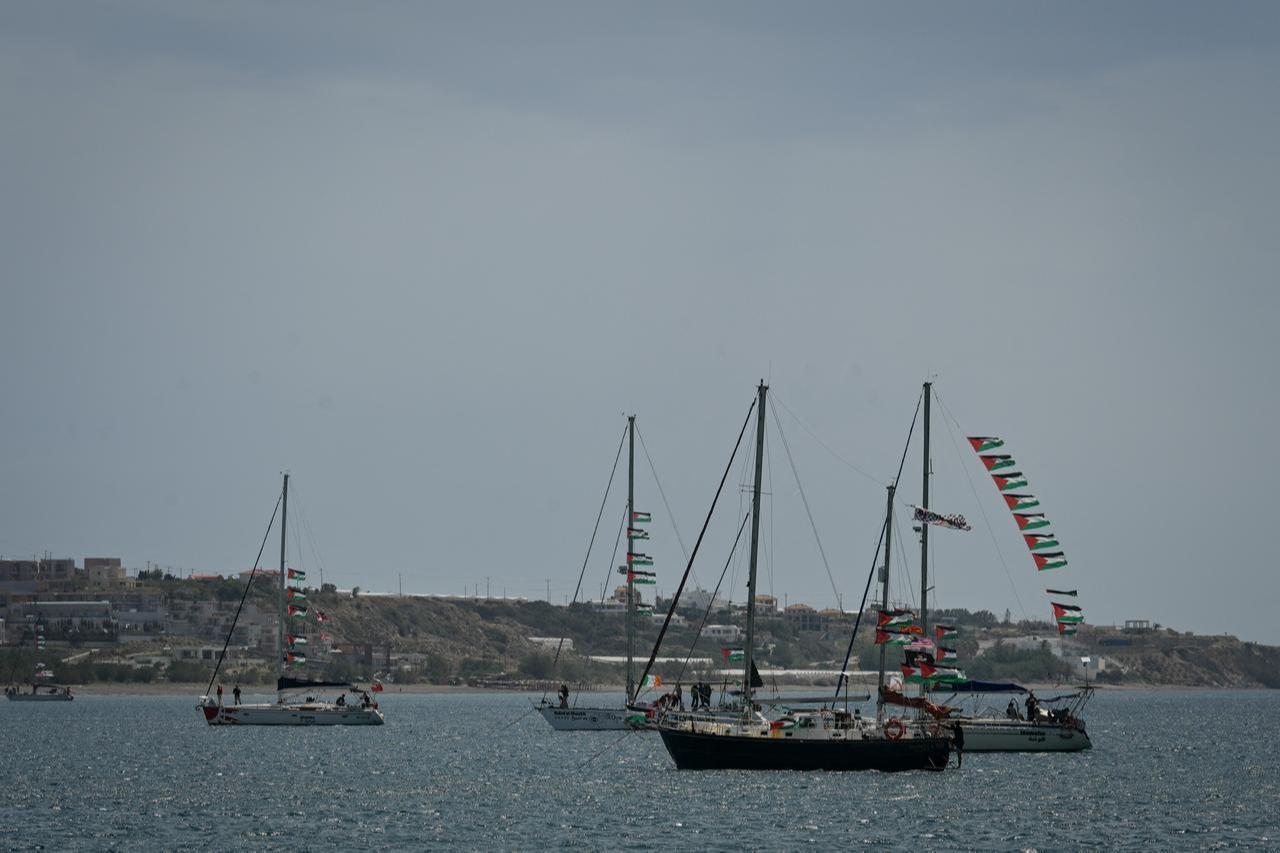
The Global Sumud Flotilla 2026 Spring Mission departed Barcelona, Spain, on April 12, bound for Gaza.
After additional participants joined in Sicily, Italy, the fleet set out again on April 26 with 345 activists from 39 countries, including Turkish nationals.
In the early hours of April 29, Israeli forces conducted what MoND sources described as an unlawful assault on the flotilla's vessels in international waters off the coast of Crete, some 600 nautical miles from Gaza and just miles from Greek territorial waters.
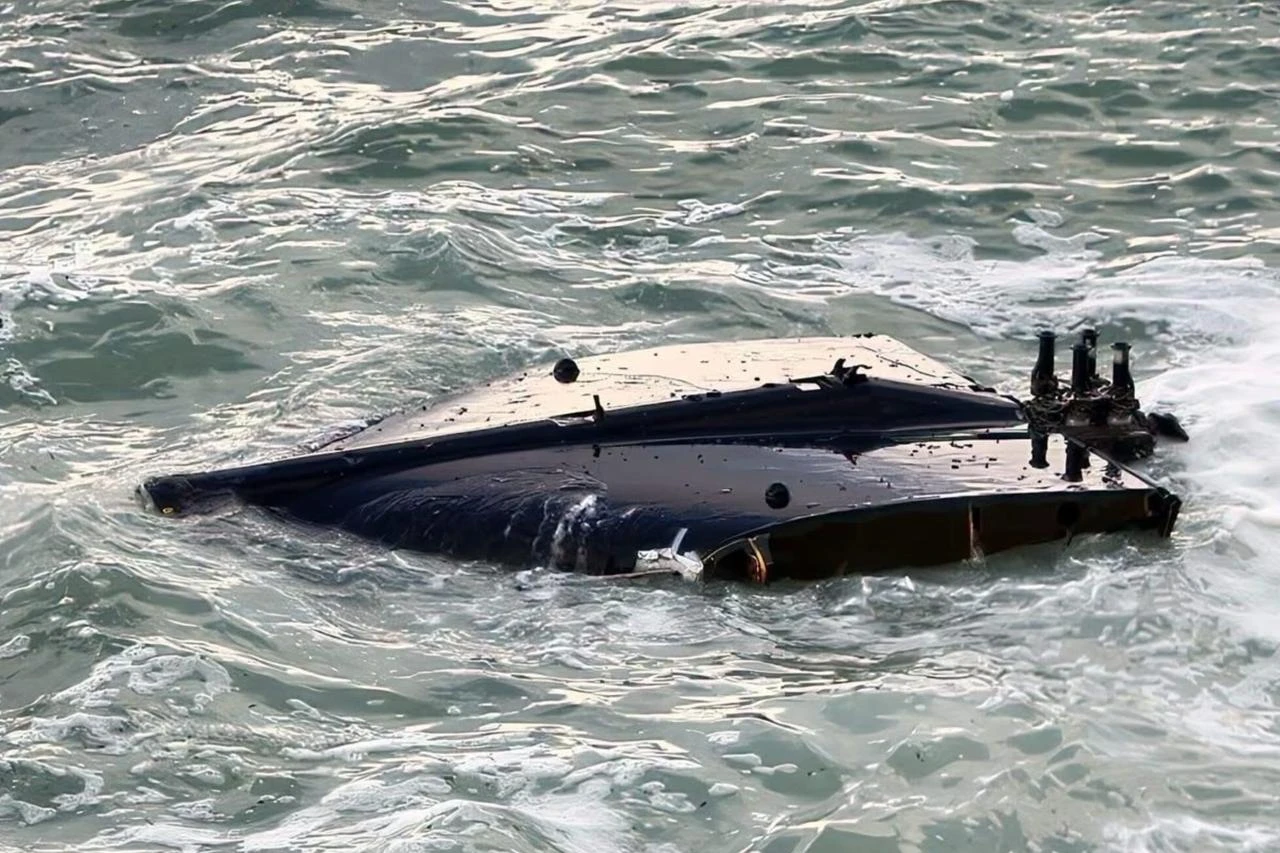
Israeli forces detained 175 activists and injured 31 others, while damaging vessels to render them unseaworthy.
On May 1, Israeli authorities released the group, except for two flotilla administrators, to the island of Crete.
A total of 59 activists, including 18 Turkish citizens, were flown to Istanbul.
The flight also carried nationals from the United States, Argentina, Australia, Bahrain, the United Kingdom, Brazil, the Netherlands, Spain, Italy, Malaysia, Mexico, Pakistan, Chile and New Zealand.
MoND sources said the incident, viewed alongside Israel's broader military operations in Gaza and its interference with humanitarian access, reflects a growing pattern in which "international legal norms are increasingly being challenged on the ground," with consequences not only for regional security but also for the sustainability of the rules-based international order globally.
Sources emphasized that de-escalation, securing humanitarian operations, and full compliance with international law are critical to preserving regional stability.


 Set as preferred source
 Set as preferred source


 2 min read