Newsletters


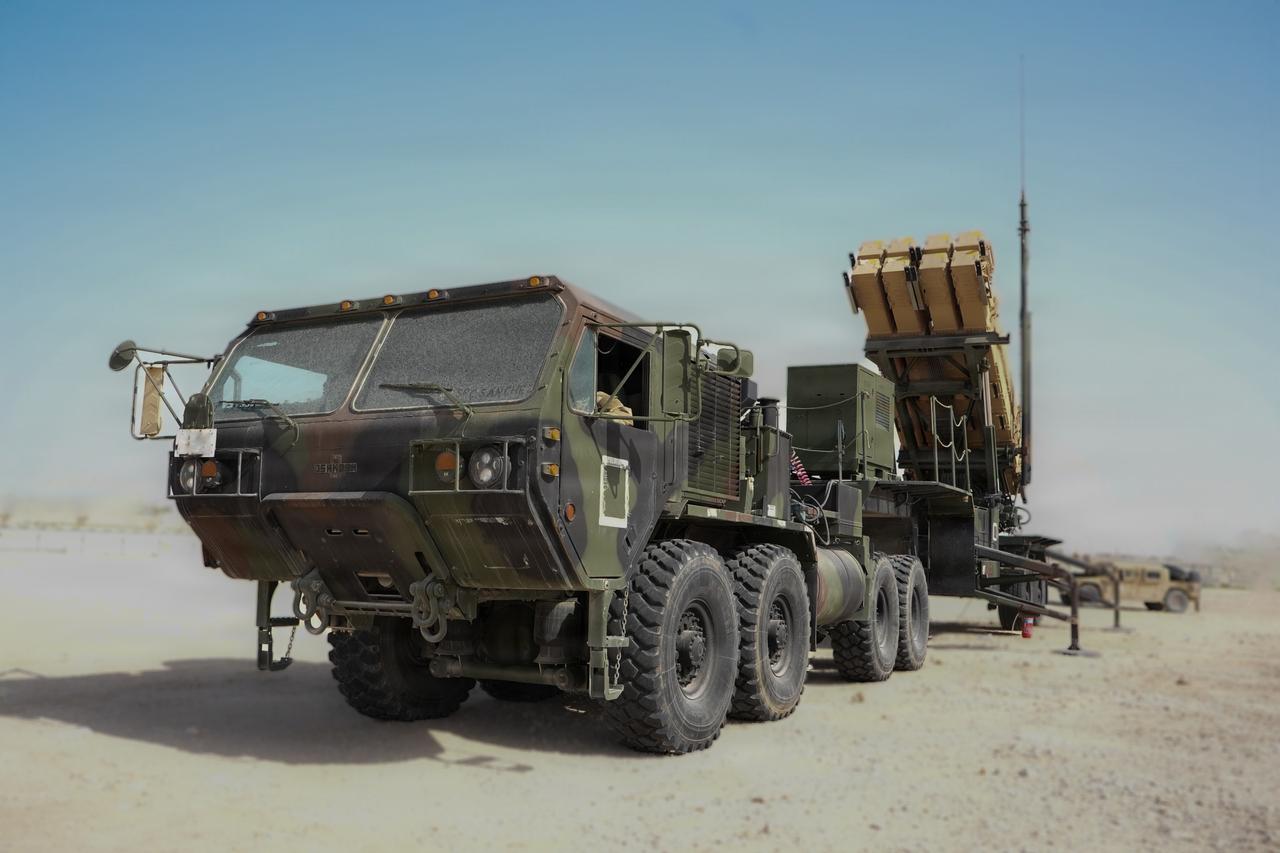


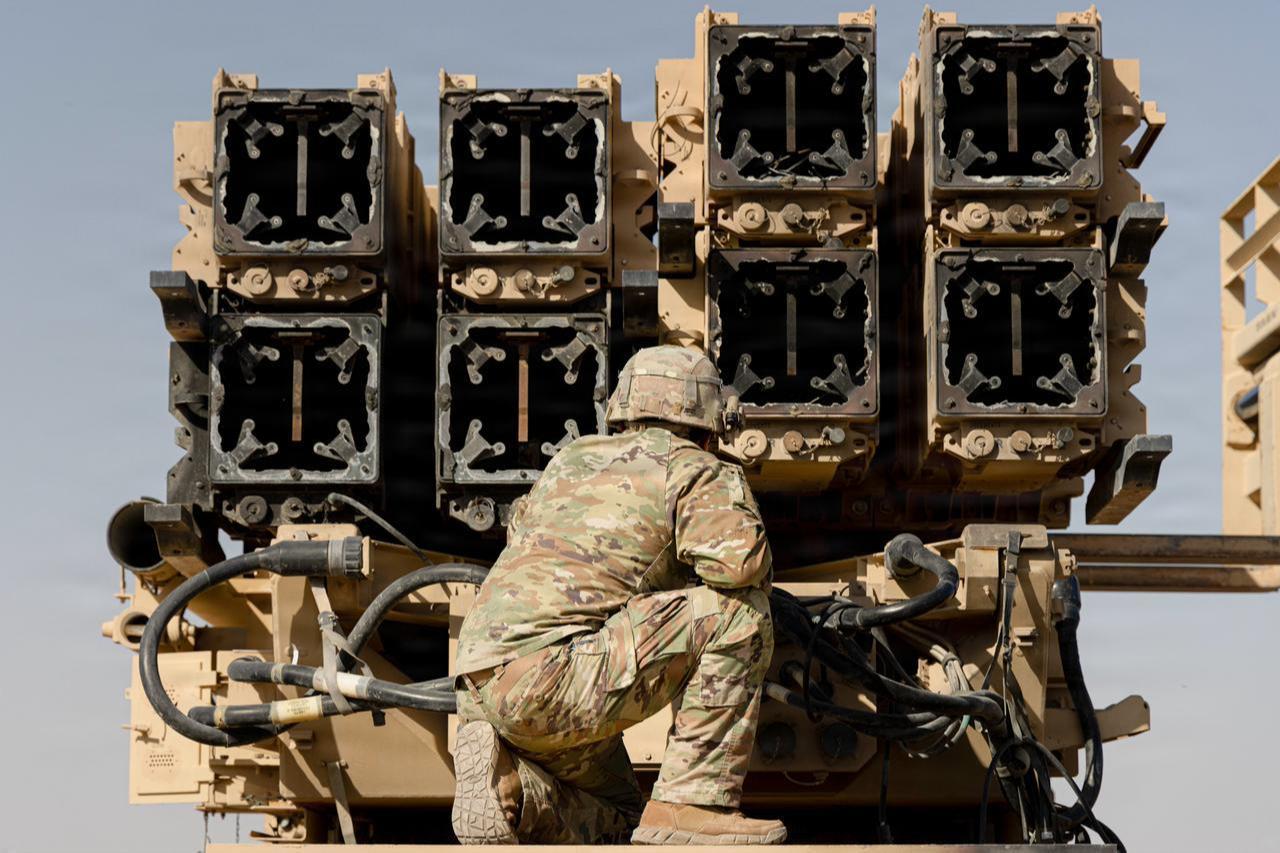
Türkiye is evaluating "all options" to strengthen its air defenses, including the potential purchase of Patriot systems from the United States or Franco-Italian SAMP-T systems, Turkish Defense Minister Yasar Guler told Reuters ahead of next week's NATO summit in Ankara, while saying the alliance is adjusting to a shifting security landscape rather than facing a crisis.
"NATO continues to be an unparalleled and fundamental platform for Euro-Atlantic security and defense. We evaluate the period we are going through not as a crisis, but as a process of adjusting to the changing security environment," Guler said in written responses to Reuters' questions.
Air defense remains a key issue for Türkiye, which lacks its own fully fledged missile defense system and relies heavily on NATO's systems and fighter jets.
Guler said Türkiye was weighing all options to meet its needs, including the potential purchase of Patriot systems from Washington or SAMP-T systems from France and Italy.
"Our core approach on this issue is clear: we are open to all cooperation that meets our country's security needs, that includes technology-sharing and joint production, and that is sustainable and in line with the spirit of alliance," Guler said, adding that technical and political talks with relevant countries were taking place "from time to time."
He said Türkiye's priority areas for defense spending include drones, anti-drone systems, air defense and missile systems, naval projects, unmanned systems and cyber capabilities, and that the country's indigenous "Steel Dome" integrated air defense system would be completed "as soon as possible."

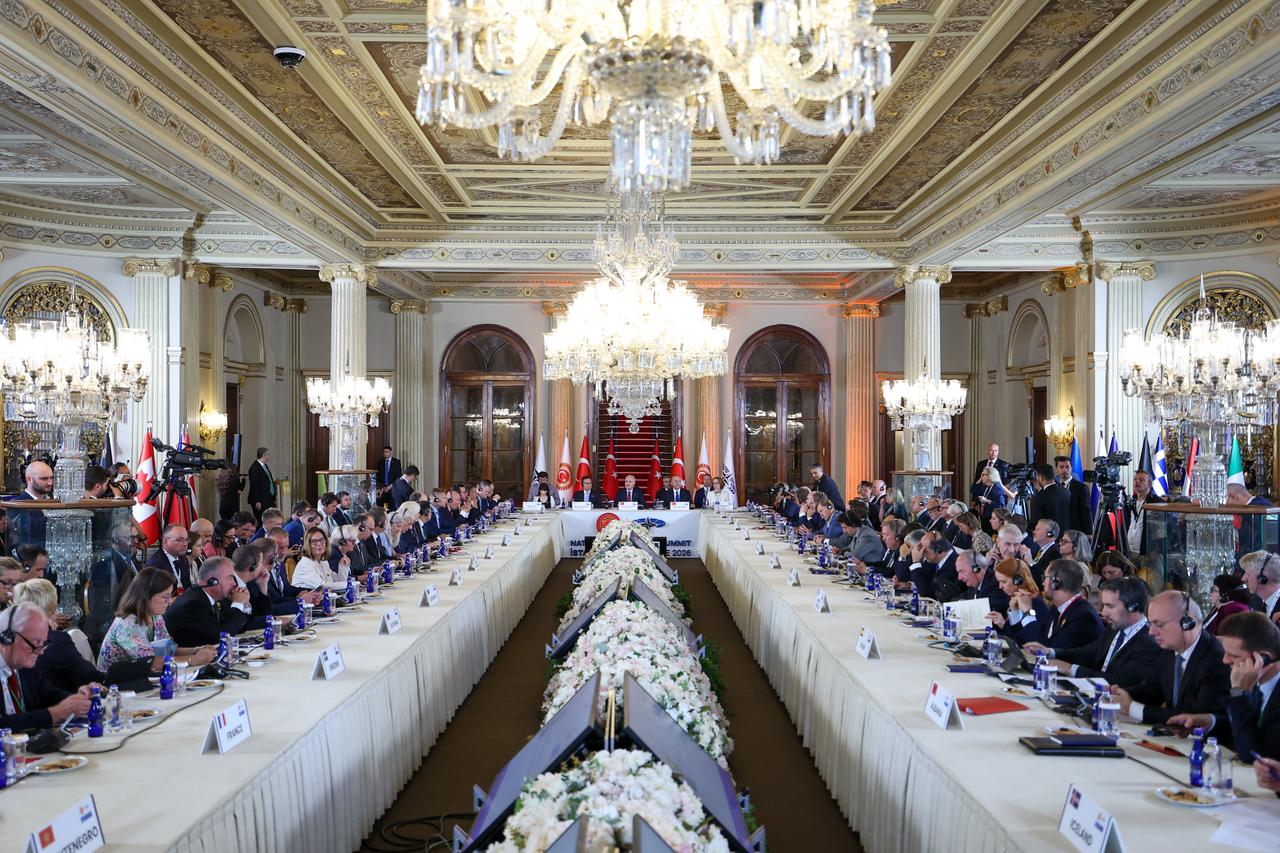
Türkiye will host 32 NATO leaders, as well as officials from the Gulf and Asia-Pacific region, on July 7-8 for a summit Ankara hopes will emphasize alliance unity and bolster deterrence.
The gathering comes amid significant strain within NATO.
U.S. President Donald Trump has threatened to pull the U.S. out of the alliance, while Washington has moved to withdraw troops, aircraft, ships and weapons from Europe amid tensions over burden-sharing, defense spending, and U.S. complaints about allies' limited involvement in reopening the Strait of Hormuz.
The Turkish defense minister said Washington had "no intention of withdrawing" from NATO but rather wants European allies and Canada to assume more responsibility for European security.
"It is expected that contacts and efforts on creating a concrete roadmap to strengthen the European pillar will intensify at the Summit," he said, adding that while Ankara supports a fairer burden-sharing arrangement, its priority remains preserving alliance unity.
Guler said the U.S. continues to play a central role in the bloc's security and deterrence and that preserving the transatlantic bond is of strategic importance.
"NATO's current nuclear sharing arrangements and the US role of extended deterrence remain fundamentally important to the security of the Alliance," he said.
Guler said the summit's priorities would include showcasing allies' increased defense spending, advancing a stronger transatlantic defense industry, reaffirming unity within the alliance, and boosting support for Ukraine.
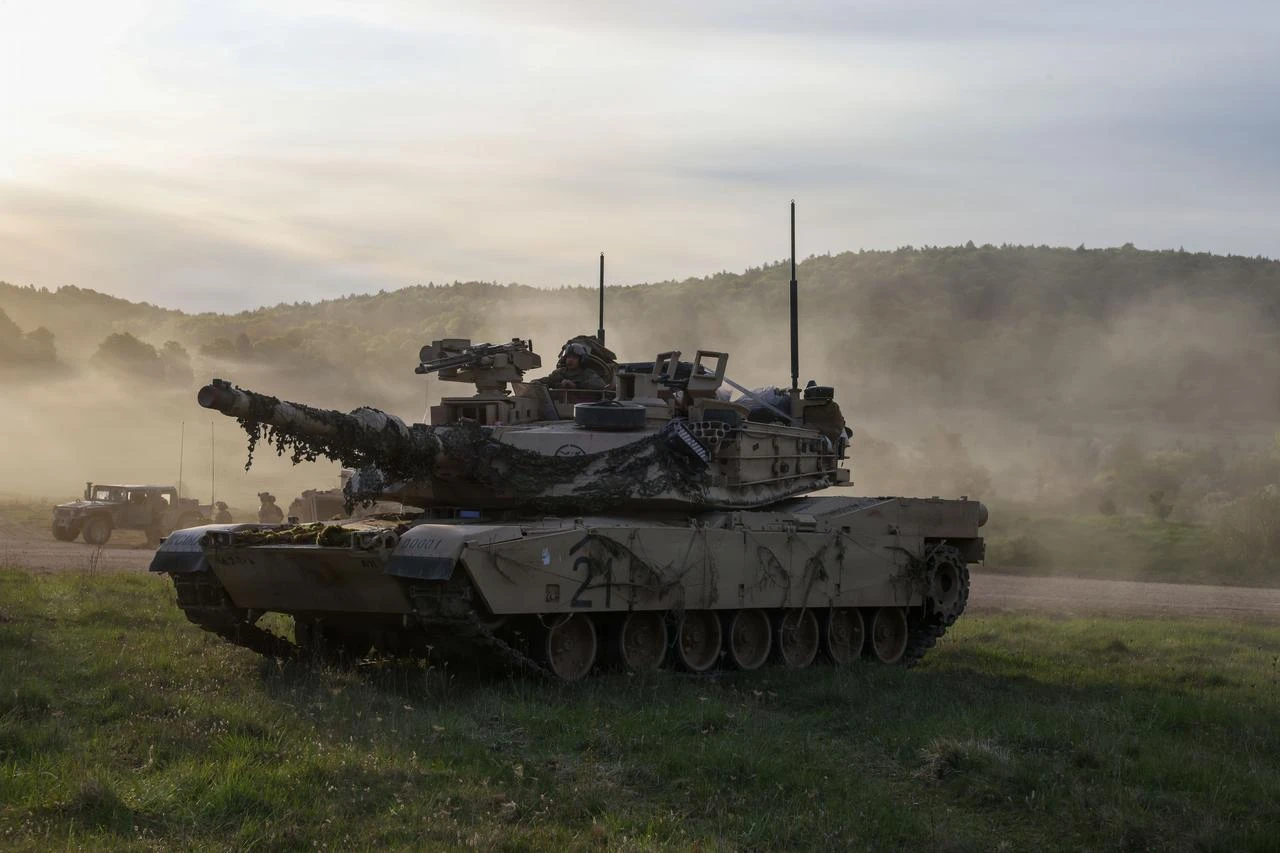
Türkiye has NATO's second-largest army and has significantly reduced its external dependence in the defense sector in recent years, developing one of the world's leading defense industries.
Despite this, it has been kept at arm's length from many European defense initiatives over political and policy differences.
Guler told Reuters that while Ankara views European efforts to strengthen defense and security as positive in principle, those efforts lack inclusivity and will therefore fall short of full effectiveness.
"We believe excluding such an important capacity (Türkiye) from Europe's defense initiatives is a strategically inaccurate approach," he said, adding that Ankara expects Europe to adopt a "visionary approach" and embrace cooperation with Türkiye.
Allies agreed last year on a defense spending goal of 5% of gross domestic product (GDP) by 2035.
Guler said Türkiye is committed to that target and is gradually increasing its spending to meet it, with Ankara aiming to meet all of its NATO capability targets by 2029.


 Set as preferred source
 Set as preferred source


 2 min read
 1 min read