Newsletters


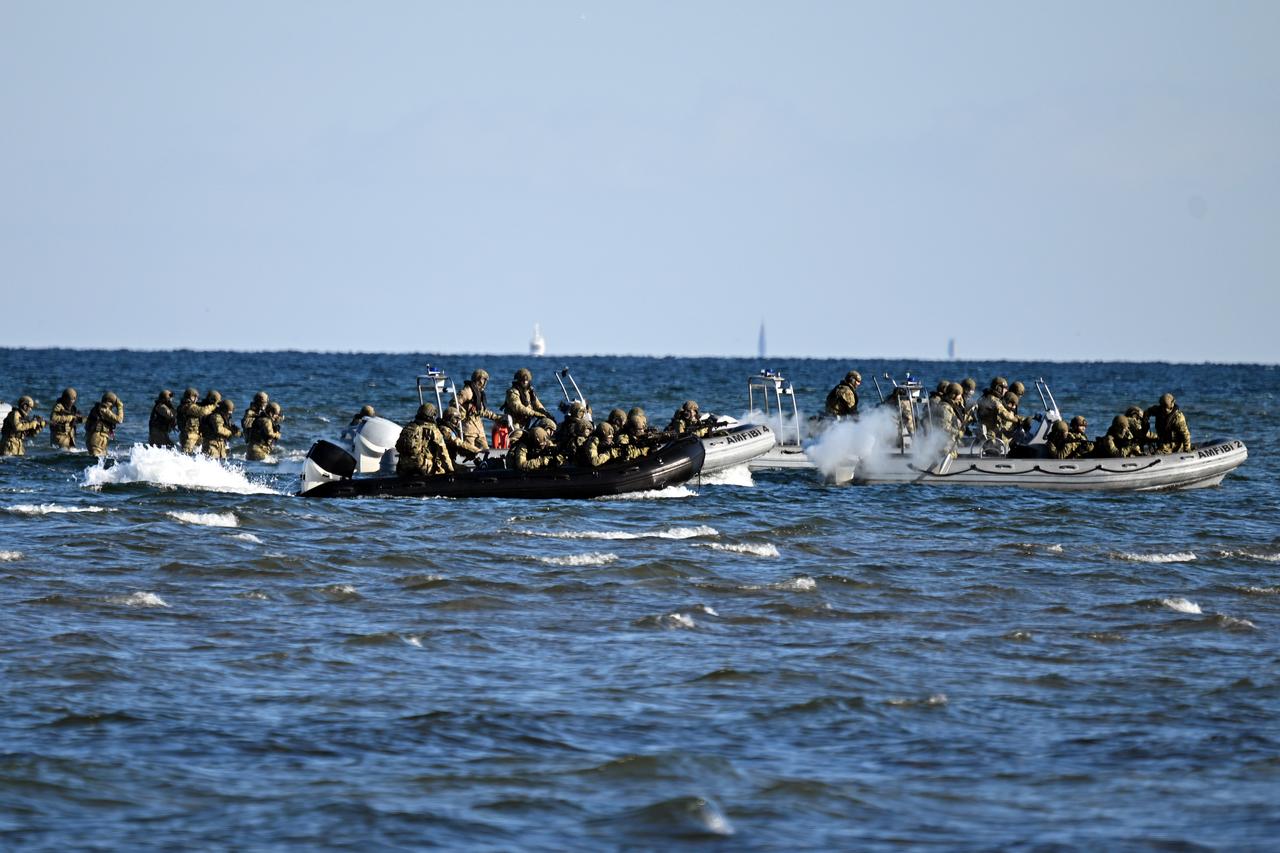


As the Ankara Summit approaches, one of the issues that has long been on the alliance’s agenda—and whose importance was also emphasized by NATO Secretary General Mark Rutte at the final Defense Ministers’ Meeting before the Ankara Summit—is “NATO 3.0.”
As the Ankara Summit draws near, NATO finds itself at an inflection point. Among the many issues crowding the alliance's agenda, one concept has steadily risen to the fore: "NATO 3.0."
The idea is straightforward, if consequential. It is based on the idea of achieving a fairer burden-sharing arrangement with the United States regarding Europe’s security, and even shifting a greater share of the defense burden to Europe and Canada.
It was Under Secretary of Defense for Policy Elbridge Colby who gave this vision its name—“NATO 3.0”—at the NATO Defense Ministers' Meeting in February. Secretary-General Mark Rutte made sure it stayed on the agenda, returning to it at the final Defense Ministers' Meeting before the Ankara Summit.
In doing so, a name was finally given to a tension that has haunted transatlantic relations for a long time and to a trend that is likely to dominate the coming years.
Since his first term, President Donald Trump has argued that NATO places a disproportionate burden on the United States and has called on allies to spend more on their own security and assume greater responsibility for their defense.
During his second presidency, both Trump and his administration have reiterated this demand at every opportunity. In response, allies made a historic decision at the Hague Summit by agreeing to increase their defense spending to 5% of their gross domestic product (GDP) by 2035. It was at the Defense Ministers’ Meeting following this decision that Colby explained what NATO 3.0 means.
According to Colby, during the Cold War period (NATO 1.0), allies assumed significant responsibility for their own defense. In the post-Cold War era, characterized by America’s unipolar moment (NATO 2.0), Europe relatively disarmed, a liberal internationalist mindset based on the rules-based order prevailed, and Europe increasingly came to rely on American military capabilities.
As a result, responsibility for European defense was largely left to the United States.
Colby’s interpretation of NATO 3.0 describes a model in which, within today’s multipolar world order, Europe develops its own capabilities and assumes responsibility for its conventional deterrence and defense.
Europe would still be able to rely on U.S. nuclear capabilities; however, the United States should no longer be a power on which Europe and Canada are dependent, but rather a partner capable of providing support when necessary.
By emphasizing that U.S. priorities are now the Western Hemisphere and the Indo-Pacific, Colby effectively confirmed that, as stated in all of the Trump administration’s strategic documents, European defense is no longer a primary U.S. priority.
By emphasizing that the spending commitments made at the Hague must also be translated into strategic capabilities, Colby also pointed to the objective that will guide both the Ankara Summit and NATO’s efforts in the coming years: making forces ready, turning spending into real capabilities, and therefore boosting defense industrial production and cooperation.
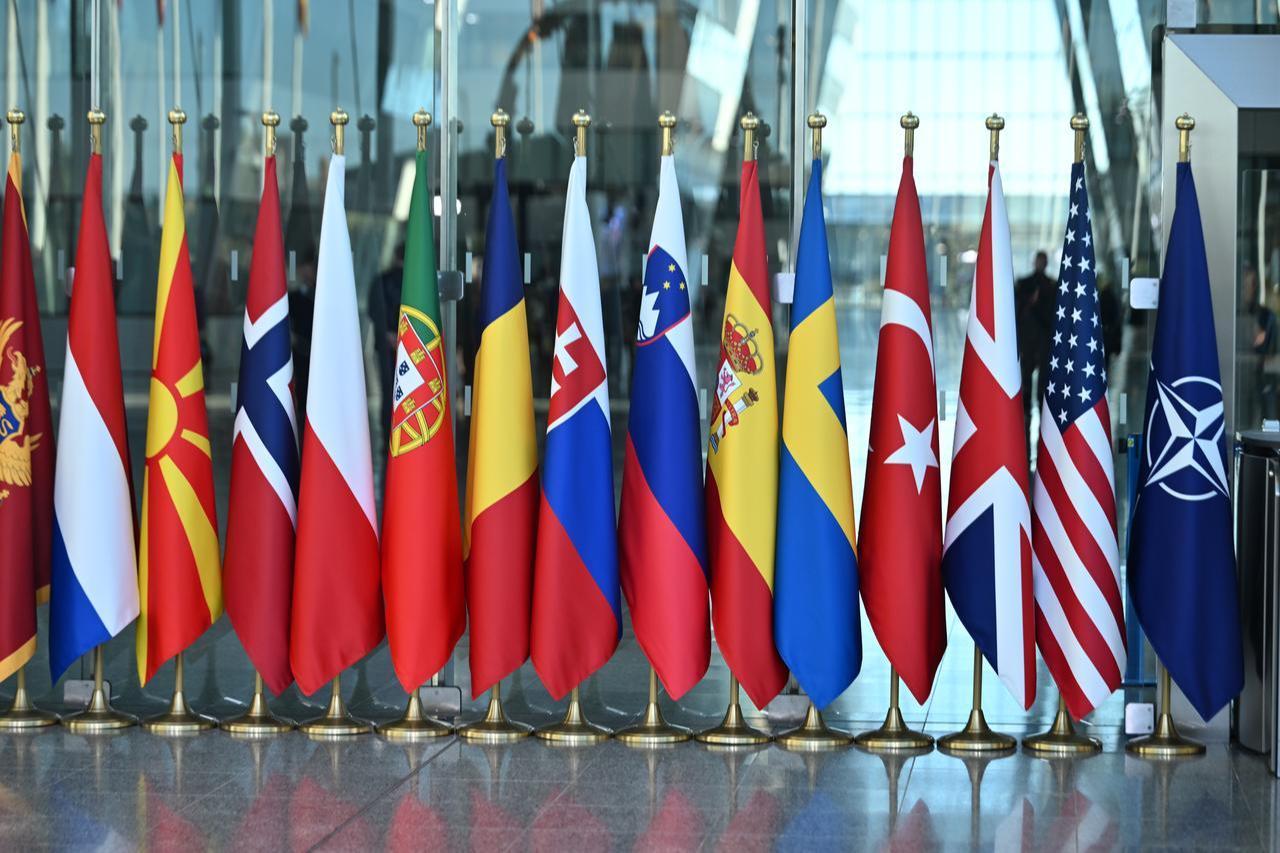

In fact, European allies and the European Union have recognized this trend since Trump’s first term. As a result, with the beginning of Trump’s second presidency, they have taken concrete steps to increase their capabilities and meet their new defense pledges.
However, many of these initiatives, while enhancing the EU’s strategic autonomy, also carry the risk of duplicating, undermining, or competing with NATO’s efforts rather than complementing them.
The ReArm Europe Plan/Readiness 2030, launched in March 2025, aims to strengthen Europe’s defense capabilities by 2030 by mobilizing up to €800 billion ($913.68 billion) in additional defense spending across the EU. This will be achieved by relaxing EU fiscal rules and allowing member states to increase defense budgets without triggering normal deficit restrictions.
The Security Action for Europe (SAFE) initiative provides up to €150 billion in loans for joint defense procurement and capability development, focusing on air and missile defense, artillery, ammunition, drones, cyber capabilities, and military mobility.
As reforming and integrating European defense efforts has become an urgent priority, these initiatives play an important role in encouraging closer cooperation among European Allies while supporting EU member states in meeting their NATO Capability Targets.
Nevertheless, the exclusion of non-EU countries from these mechanisms risks weakening transatlantic solidarity and collective defense efforts, while also limiting Ukraine’s access to critically needed military equipment.
This issue, which Türkiye has consistently emphasized on all relevant platforms and in bilateral meetings with European leaders in the run-up to the Summit, is also likely to become an important agenda item at the Ankara Summit.
Colby's remarks were echoed in the speeches delivered by European leaders at the Munich Security Conference held during the same week.
European Commission President Ursula von der Leyen stated that Europe must transform its defense commitments into concrete operational capabilities, arguing that the mutual defense clause of the Lisbon Treaty should be brought to life.
According to Article 42(7) of the Treaty on European Union, “If a Member State is the victim of an armed attack on its territory, the other Member States shall provide it with aid and assistance by all the means in their power (...)”.
Unlike NATO’s Article 5, which envisages a collective military response in the event of an attack against one member, Article 42(7) provides greater discretion regarding the form of assistance, which may include humanitarian aid, financial assistance, or diplomatic action.
This clause was also one of the major agenda items at the EU Cyprus Summit held on April 23-24. Considering the attacks to which Cyprus has been exposed in the context of the war with Iran, the issue is particularly important for EU member states that are not NATO members, namely Ireland, Greek Cyprus, Malta, and Austria. In Cyprus, the EU decided to operationalize the mutual assistance clause by developing a concrete framework for its implementation.
The European Commission was mandated to develop a comprehensive implementation framework with potential scenarios detailing the EU’s response procedures when a member state invokes Article 42(7).
Naturally, many European countries are reluctant to engage in any initiative that could appear to replace NATO’s Article 5. EU leaders should view this clause not as a rival to NATO’s Article 5 but as a complementary mechanism involving sanctions, financial assistance, humanitarian aid, and other forms of support.
Such an approach is important in order to avoid duplicating or undermining NATO’s collective defense.
French President Emmanuel Macron’s response to Colby’s remarks in Munich was once again “European strategic autonomy.”
Arguingthat Europe must become a geopolitical power, Macron championed the operationalization of the EU's mutual defense clause and announcedFrance's intention to extend its nuclear deterrence to European allies—a move Moscow swiftly condemned as a provocation.
Rutte statedin an interview following France's announcement that this initiative was not driven by a lack of confidence in the U.S. nuclear umbrella and would in fact strengthen NATO's deterrence capabilities.
Nevertheless, in the speech announcing the decision, Macron emphasizedthat Europe should be prepared for a scenario in which the United States may not stand alongside it.
Referring to the fact that the United States no longer supports Ukraine to the same extent it once did, he also expressed concerns regarding the future of U.S. commitments.
Such initiatives aimed at enhancing Europe’s security and strategic autonomy should reinforce rather than substitute NATO’s existing nuclear architecture.
Another proposal concerning Europe taking responsibility for its own conventional defense was put forward in January by EU Defense Commissioner Andrius Kubilius.
Kubilius proposed the creation of a permanent European military force of 100,000 troops to replace the approximately 80,000 U.S. troops stationed in Europe, as well as the establishment of a European Security Council.
While arguing that Europe should not fight as “a collection of 27 national bonsai armies” but rather as a unified and integrated force, Kubilius’ proposal has so far attracted limited support.
Nevertheless, concerns that the EU's existing treaties fall short of enabling a genuine defense union—alongside calls to expand such a union to include the United Kingdom, Norway, and Ukraine—remain significant, as they could fuel further autonomy initiatives in the future.
More recently, Kubilius has proposed a joint European effort to replace U.S.-provided strategic enablers, which Washington has indicated it no longer wishes to provide to NATO, through collective funding and procurement.
But critics warn that the initiative could be costly, exclude some non-EU NATO Allies, and risk duplicating or undermining NATO’s existing role in European defense.
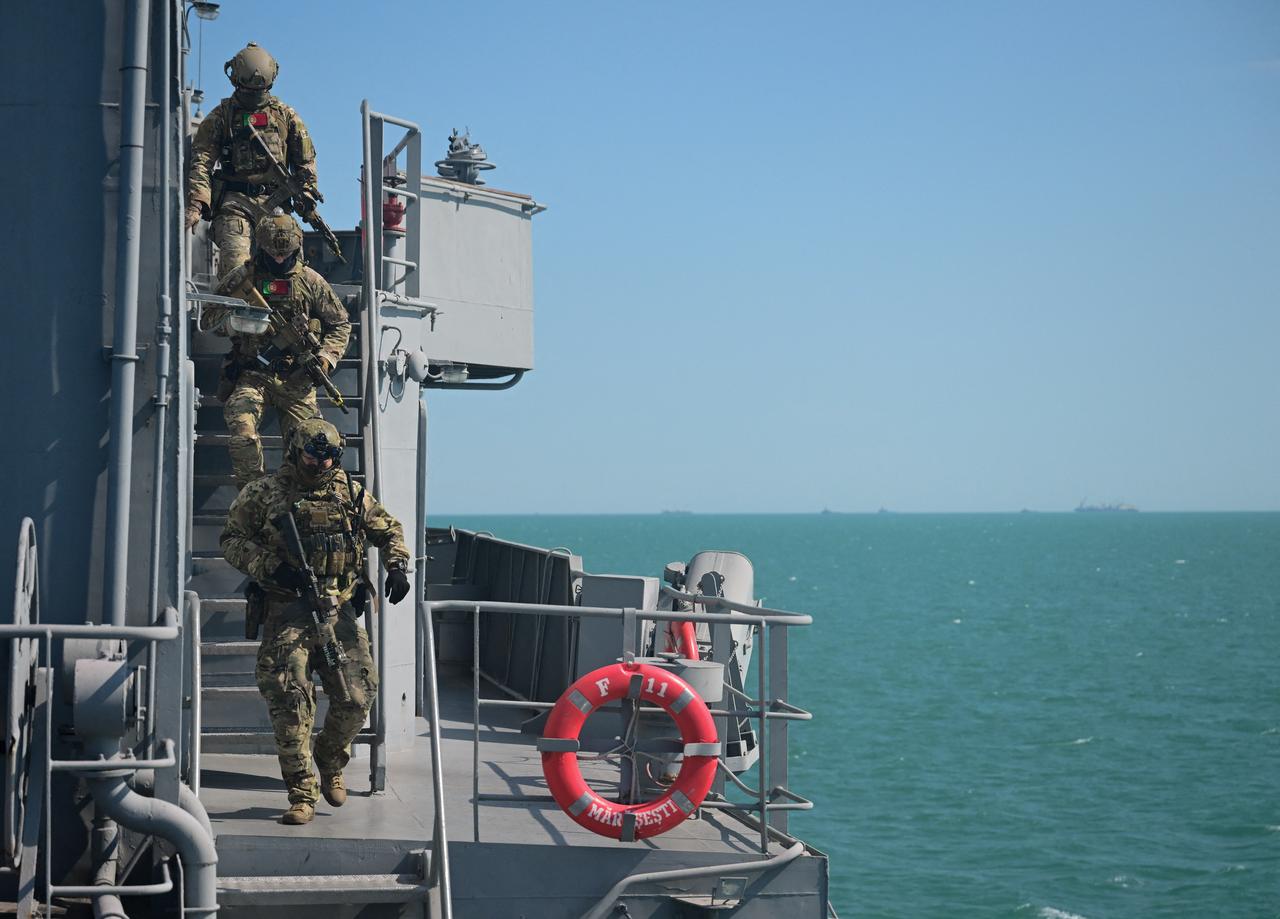
The four projects proposed under the EU’s Readiness 2030 framework—the Eastern Flank Watch, the European Drone Defense Initiative, the European Air Shield, and the European Space Shield—all concern areas that fall within NATO’s sphere of responsibility.
EU–NATO cooperation is based on a clear division of labor. The EU’s ability to support member states through financing for capability development and production, its role in shaping the regulatory framework for defense and defense-industrial matters, and its use of fiscal instruments position it as an important enabler of NATO.
In this regard, the EU contributes significantly to helping European allies fulfil their investment commitments and capability targets within the NATO framework.
However, any EU action in the area of security and defense must be understood within the broader strategic context and designed to complement NATO’s role rather than duplicate or compete with it.
The European pillar within NATO refers to the European countries and Canada—it does not mean an EU pillar.
In this context, strengthening the European pillar within NATO requires European countries and Canada to increase defense spending, enhance capabilities, strengthen their defense industrial bases and force posture.
These countries would also need to assume greater responsibility for command and control, and invest in the strategic enablers on which they have relied on the United States.
Such efforts would strengthen both NATO and transatlantic relations.
However, if the EU concludes that it can no longer rely on the United States and pursues a parallel defense architecture outside NATO, it would create serious and potentially irreparable gaps in Europe’s defense architecture.


 Set as preferred source
 Set as preferred source



 4 min read